Lisbon
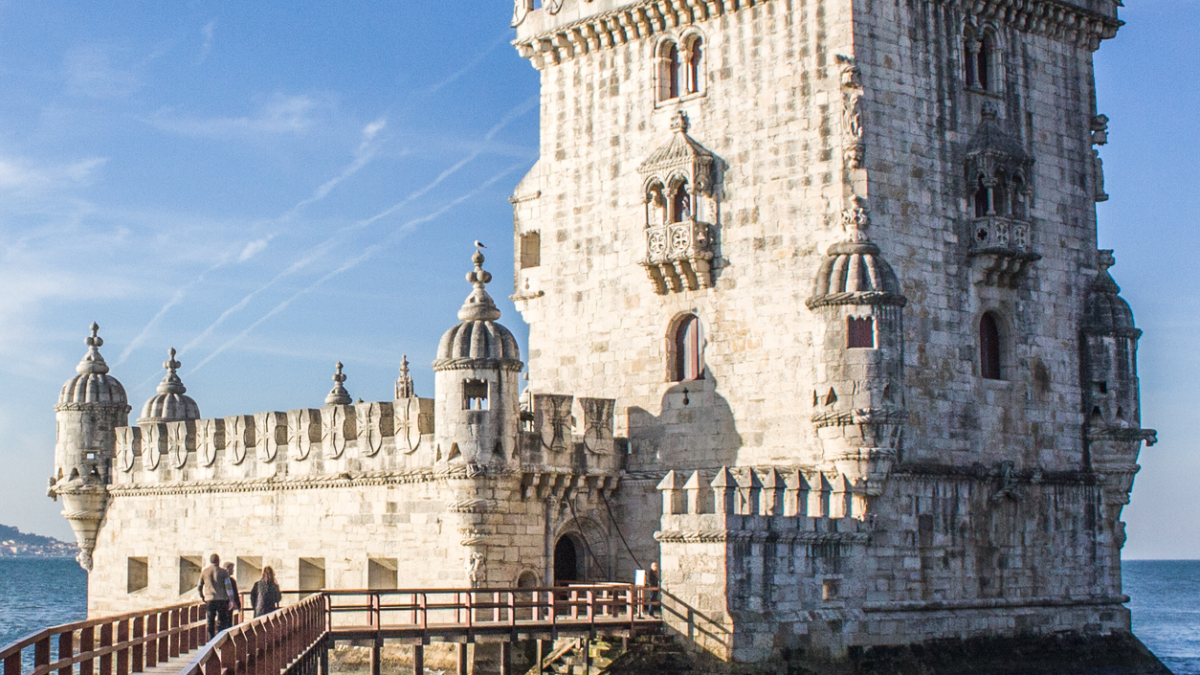
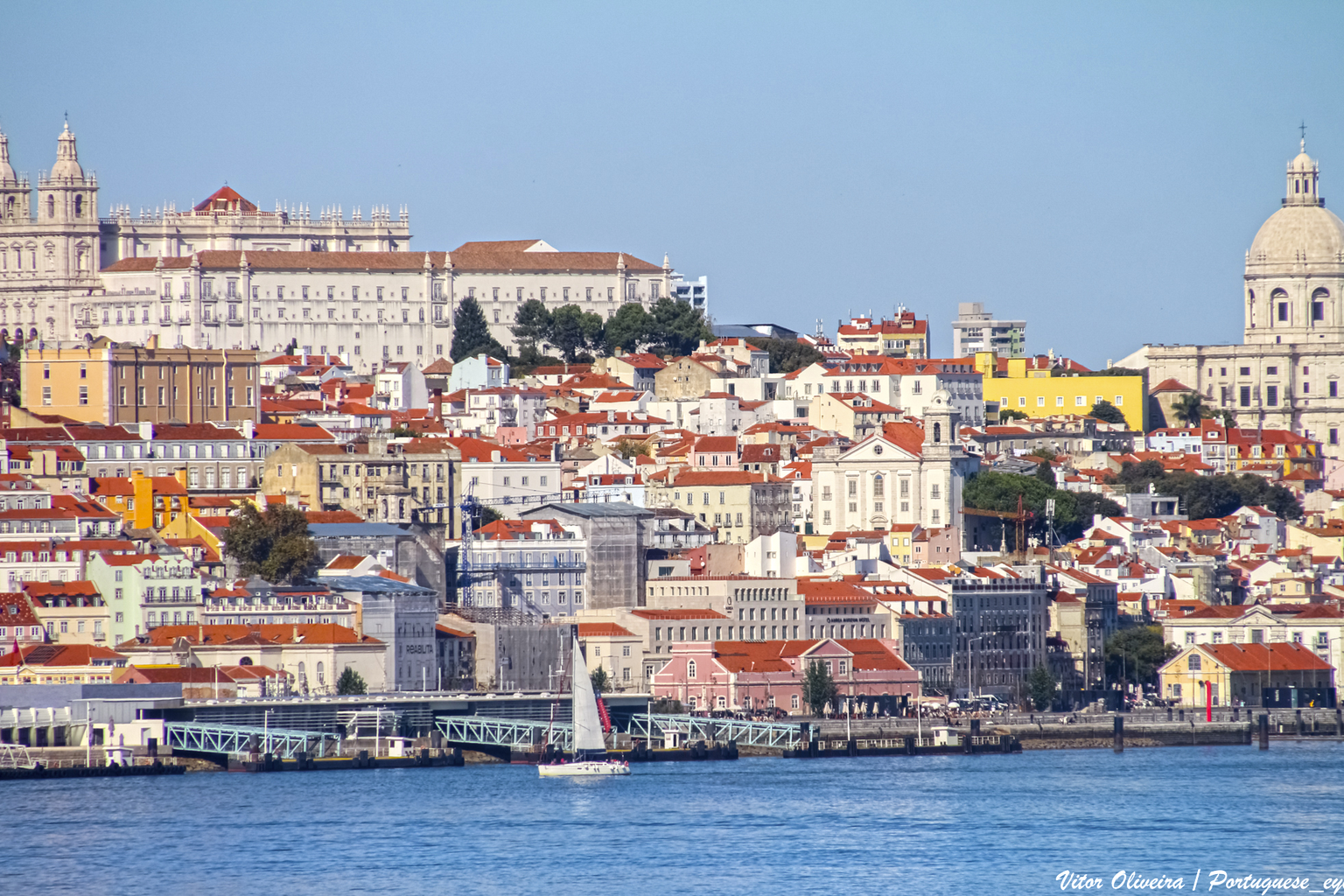
Lisbon will exhaust you. The hills are real — seven of them, some with grades over 30%. The trams are so crowded you’ll wonder if you’re in Tokyo. And the pastel de nata? It’s everywhere, but only one bakery on earth is the original. This guide is the operational survival kit: no fluff, no “must-see” lists, just the stuff you Google after you land (or should have Googled before).
What This Guide Covers
This pillar page links to seven deep‑dive survival guides. Each one tackles a specific headache you’ll encounter in Lisbon — scams, safety, nighttime moves, 24/7 logistics, money quirks, arrival setup, and the insider truths nobody writes about.
- Scams in Lisbon — Tram 28 pickpocket gangs, “helpful” locals at metro ticket machines, fake charity collectors.
- Safe Neighborhoods in Lisbon — Where to stay, where to walk at 2am, and the one block in Cais do Sodré to avoid.
- Night Transport in Lisbon — Last metro, night buses, and whether you can walk home from Bairro Alto.
- 24/7 Services in Lisbon — Late‑night pharmacy, all‑night supermarket loophole, ER access without insurance.
- Cash & Card in Lisbon — Tipping reality, hidden café fees, ATM tricks.
- Arrival Setup in Lisbon — eSIM, Navegante card, tap water, plug types.
- Insider Secrets of Lisbon — The real pastel de nata pilgrimage, fado without the tourist dinner, Sintra hacking.
Bookmark those. Now let’s get into the operational weeds.
Lisbon Will Exhaust You (The Hills Are No Joke)
Lisbon is built on seven hills: São Jorge, São Vicente, São Roque, Santo André, Santa Catarina, Chagas, and Sant’Ana. The steepest streets — like Rua da Bica de Duarte Belo — hit 30% grade. You’ll see tourists in heels crying halfway up. Best advice: wear the most comfortable closed‑toe shoes you own. Hiking sandals work. Flip‑flops will ruin your day.
Google Maps walking directions ignore elevation. A 15‑minute walk in the app can mean a 200‑meter climb. Use Lisbon’s public elevators and funiculars (see below) to shortcut the vertical parts. And if you’re staying anywhere on the Alfama hill, budget double the walking time the first day.
If you book accommodation in Bairro Alto or Graça, check whether the building has an elevator and which floor your room is on. Many older buildings have five or six stories without a lift. After a day of hills, climbing to the top floor might be the straw that breaks your quadriceps. When searching on Airbnb or Booking, filter results for “elevator” or look specifically for buildings with “elevador” mentioned in the description.
Arrival at Lisbon Airport: What to Do First
You land at Lisbon Humberto Delgado Airport (LIS) — about 7km north of the city center. The airport is small; don’t expect major transfers. Here’s the sequence you should run through after you grab your luggage:
- Get a Navegante card — The machine is right in the arrivals hall, near the metro entrance. Cost: €0.50 for the physical card. Load it with Zapping balance (minimum €3). That gives you rides for about €1.50 each — cheaper, more flexible than buying single tickets. Avoid the third‑party SIM/card vendors just outside the customs hall; they mark up.
- Get connected — If you didn’t buy an eSIM before departure, there’s a Vodafone kiosk in the arrivals area (open 7am‑11pm). Bring your passport for a prepaid SIM (around €10‑15 for 5GB).
- Cash check — ATM (Multibanco) available just past baggage claim. Only withdraw enough if you need cash; most of the city is card friendly.
From the airport to the city center: Metro Vermelha (Red Line) to Alameda, then switch to Green or Yellow depending on your destination. Total time: 20 minutes to Rossio or Baixa-Chiado. Cost: €1.85 single, or free with your Zapping balance. AeroBus costs €4 and takes 40 minutes; the metro is faster and cheaper. Uber from the airport to the center runs €10‑15 (€12 average) and takes 15‑20 minutes in light traffic. Avoid taxis from the rank — inflated fares, and some drivers expect cash despite the meter. For full protocol, read the Arrival Setup in Lisbon guide.
Trams: The Good, the Bad, and the Pickpocket Magnet
Tram 28 — Europe’s Pickpocket Capital
Tram 28 is the cute yellow tourist tram that rattles through Graça, Alfama, Baixa, and Estrela. It’s charming. It’s also the no. 1 pickpocket spot in continental Europe. Gangs work the tight aisles: one blocks, one lifts, one passes the haul. If you ride it:
- Keep your bag in front, zipped, with a hand over it.
- Phone stays in a front pocket or inside a jacket.
- Don’t hang a backpack off one shoulder — wear it high on your chest.
- Avoid the 11am–3pm crush at Martim Moniz (the starting point).
Ride it anyway — it’s a great route. Just treat it like a crowded metro in Rome, not a casual sightseeing tour. If you find yourself on Tram 28 at Martim Moniz and it’s so packed you can’t move your arms, get off at the next stop (Largo da Graça) and wait for the next one. It’ll be emptier. Or better: start from Graça viewpoint in the morning when the route begins uphill — you’ll have space and can claim a window seat.
Other Trams (12, 15, 18) — Less Tourist, Fewer Problems
Tram 12 runs a similar route to 28 but goes the other way around the hill. Fewer tourists, fewer pickpockets, same views. Ride it if the 28 queue is insane. Tram 15 goes to Belém (pastéis de nata territory) — it’s a modern articulated tram, fast, and generally safe. Tram 18 heads to Ajuda and is almost empty of tourists. All trams accept the Navegante card (tap on).
Pro tip: Instead of Tram 28 from Martim Moniz, walk 5 minutes to a stop further along the route (like Largo da Graça) and board there — you’ll have more space.
Funiculars: Your Hill‑Climbing Friends
Lisbon has three funiculars: Elevador da Bica, Elevador da Glória, and Elevador do Lavra. They connect lower to upper neighborhoods. Each costs €3.80 single ticket (if paid in cash) or you can use your Navegante card (zapping balance, around €1.50 per ride). The funiculars run every few minutes from around 7am to midnight. Glória is the most scenic (ends at Bairro Alto), Bica the most Instagrammable.
Also: Elevador de Santa Justa is a vertical lift that connects Baixa to Chiado. It’s an architectural landmark, but the queue is long and it costs €5.30. Skip it unless you have time to waste — the view from the top is fine but not worth the wait.
Metro: Simple, Clean, Fast
Lisbon’s metro has four lines: Azul (Blue), Amarela (Yellow), Verde (Green), and Vermelha (Red). They cover most tourist zones except Belém and the waterfront. Stations are clean, trains run every 5‑7 minutes, and air conditioning works (which matters in August).
Key tourist stations:
- Rossio — Baixa, start of Tram 28
- Baixa‑Chiado — connection to Bairro Alto, Chiado
- Cais do Sodré — trains to Cascais, nightlife zone
- Oriente — Vasco da Gama mall, connections to airport (via Aeroporto station on Vermelha)
- São Sebastião/Avenida — shopping on Avenida da Liberdade
Metro hours: 6:30am – 1am (closes slightly earlier on Sundays). After 1am, night buses or Uber is your only option.
Transit Cards: Navegante, Viva Viagem, Zapping
Cash-only zones
- Some pastel de nata bakeries
- Small tascas (local eateries)
- Public market stalls (e.g., Mercado da Ribeira)
- Fado houses (cover charge)
- Street food vendors
- Tram 28 (onboard purchase)
- Public toilets
Card-friendly
- Metro ticket machines
- Supermarkets (Pingo Doce, Continente)
- Most restaurants in tourist areas
- Uber/Bolt rides
- Museums and monuments
- Funiculars and elevators
- Pharmacies
Lisbon’s transit system uses a rechargeable card called Navegante (formerly Viva Viagem). You buy the physical card for €0.50 at any metro station ticket machine. Then you load it with one of three options:
- Single ticket (Viva Viagem) — €1.85 per ride. Valid for metro, trams, buses, funiculars. One tap = one ride (no transfers).
- Day pass (24h) — €6.80. Unlimited rides on all Carris buses, trams, funiculars, and metro from first tap until midnight of the same day (ends at 24h from first use? Actually the 24h pass is exactly 24 hours from first use, but it’s easier to think: it covers the calendar day. The fine print: valid until midnight of the day activated. Check signs.
- Zapping — You load a cash balance (€3 minimum) and each ride deducts ~€1.50 (trams, buses, metro). The beauty: you can transfer within 60 minutes for free (bus→metro→tram). For most visitors, Zapping is the best value.
You can buy and top up at any metro station, and at some Carris kiosks. Cash and card accepted. Airports have machines right after baggage claim. Avoid buying from third‑party vendors near Rossio — they overcharge.
Getting Around After Dark: Night Transport
The metro stops at 1am (except weekends, sometimes extended to 1:30am on Friday/Saturday). After that, you have three options:
- Night buses — Carris runs a network of overnight buses that cover all major corridors. The most useful lines: 207 (Cais do Sodré – Oriente) runs every 20‑30 minutes from 1am to 5am, passing through Baixa and Avenida da Liberdade. 208 (Cais do Sodré – Estação Entroncamento) goes via Avenida da Liberdade and Campo Pequeno. 210 runs from Sapadores to Belém. All cost the same as a standard bus (€1.85 or from your Navegante balance). Maps at every bus stop list the night lines.
- Uber/Bolt — Cheap by European standards. A ride across the center (e.g., Bairro Alto to Alfama) costs €5‑8. From Belém to the center, about €8‑10. Wait times are under 5 minutes on weekend nights.
- Walking — From Bairro Alto down to Baixa is a 10‑minute downhill walk via Rua da Misericórdia. From Alfama to the center is about 15 minutes via Rua dos Remédios. Stay on well‑lit main roads — Intendente after midnight can feel sketchy, especially around the park near Rua do Benformoso.
If you miss the last night bus, don’t assume you can walk from Belém to the center at 3am. It’s a 7‑km stretch along the waterfront with few pedestrians. Better to call an Uber. For full route maps and frequencies, see the Night Transport in Lisbon guide.
Tap Water, Plug Type, and eSIM Reality
Tap Water
Lisbon tap water is safe — tested, chlorinated, meets EU standards. But it’s hard water — high mineral content. You might not like the taste. Many locals drink filtered or bottled. If you’re sensitive, buy a 1.5L bottle from a supermarket (around €0.30) and refill. Do not drink from public fountains unless they explicitly say “Água Potável”. The city is working on more public fountains, but they’re sporadic.
Plug Type
Portugal uses Type F (the round two‑pin with side clips, same as Germany). Voltage 230V, frequency 50Hz. US appliances need a step‑down transformer plus an adapter. iPhones and laptops are universal voltage (100‑240V) — just the adapter is fine. Buy a universal adapter at any electronics shop (€5-10).
eSIM & Data
If your phone supports eSIM, the easiest option is an airalo or holafly eSIM — install before you leave, activate in Lisbon, works on Vodafone PT/MEO/NOS. Expect €7‑12 for 3‑5GB. If you want a local SIM, you can buy a prepaid SIM at any Vodafone/MEO/NOS store (passport required). At the airport, there’s a Vodafone kiosk in arrivals. Prices are similar to eSIM but you get a local number. For a 2‑week stay, eSIM is less hassle.
Cash vs. Card (and the Couvert Trap)
Five years ago Lisbon was heavily cash‑dependent. Not anymore. Most shops, restaurants, and taxis accept Visa/MC. Even small bakeries have card terminals. Apple Pay and Google Pay work at contactless terminals. Still, keep €30-50 cash for small purchases (tram tickets if your card fails, market stalls, public toilets).
ATMs (Multibanco) are everywhere. Avoid Euronet ATMs (high fees). Use official bank ATMs like Caixa Geral, Millennium BCP, Santander. Withdrawal fees vary by your home bank — typically €2-5. If your card is declined at a smaller restaurant, they’ll usually point to the nearest Multibanco. Don’t panic – just ask “Onde fica o Multibanco mais próximo?” Most Portuguese restaurants have a card machine, but some in Alfama are still cash‑only for small items (coffee, pastry). Always ask “Aceita cartão?” before ordering if you’re low on cash.
If Your Card Gets Declined or You Lose Your Wallet
It happens. A tram jostle, a careless moment, and your wallet disappears. Do this sequence:
- Cancel cards immediately — Call your bank’s international number (save it before you travel). Most Portuguese ATMs also display a “card block” service in English.
- File a police report — Go to the nearest PSP police station (there’s one on Rua do Carmo in Baixa-Chiado, near Santa Justa elevator). Ask for an English form (B.O. — Boletim de Ocorrência). You’ll need it for insurance claims and passport replacement.
- Lost passport? — The US Embassy (Avenida das Forças Armadas, open 8:30am–5:30pm weekdays), UK Consulate (Rua de São Bernardo, open 9am–12pm weekdays), and other consulates are all in the central area. You need the police report and two passport photos. Emergency passport can be issued same day if you have proof of travel.
- Phone stolen? — If your phone is lifted on Tram 28, note the IMEI (from your carrier’s app or the box) and report it to your home carrier. They can block the phone remotely. Then visit the nearest Vodafone store to buy a cheap burner – you can get a basic phone with SIM for under €40.
For complete steps on reporting and replacing, check Scams in Lisbon (includes details on the police station near Rossio and IMEI blocking numbers).
Tipping
- Restaurants: 5‑10% if the service was good. Not obligatory. Many locals round up to the nearest €5.
- Cafés/bars: Round up (e.g., €2.80 coffee → leave €3).
- Taxis/Uber: Round up to nearest €1 or €2 — no percentage.
- Tour guides: €5-10/person for a half‑day free walking tour.
Do not tip by leaving coins on the table — it’s considered a bit rude. Hand the tip to the server or add it to the card payment.
The Couvert Trap
When you sit down at a Portuguese restaurant, soon after they bring small plates: bread, butter, olives, cheese, perhaps a pâté. This is not free. It’s called couvert. It can cost €2‑7 per person depending on what you accept. If you don’t want it, clearly say “Não obrigado” (no thank you) when it arrives. If you nibble, you pay. It’s a common way to inflate your bill without warning. Always check the couvert charge on the bill.
Sunday Closures, Late Dinner, and Portuguese ≠ Spanish
Sundays
Most small shops and many boutique bakeries close on Sunday. Large malls stay open: Vasco da Gama (next to Oriente station) and Colombo (north side, near Campo Grande) are open 9am–midnight. Restaurants are generally open, but book ahead for dinner. Supermarkets like Pingo Doce or Continente are open 8am–9pm Sunday (some earlier closing).
Dinner Hours
Lisbon eats late. Restaurants fill up around 8:30–9:30pm. If you walk into a restaurant at 7pm, you’ll be the only customer and the staff will still be setting up. That said, tourist‑oriented places start serving at 6pm. For authentic spots, aim for 8pm or later.
Portuguese is not Spanish
They’re both Romance languages but not the same. Speaking Spanish to a Portuguese person is a mild annoyance — they’ll understand you but expect some effort. Learn these basics:
- Bom dia — Good morning
- Boa tarde — Good afternoon
- Obrigado (men) / Obrigada (women) — Thank you
- Desculpe — Excuse me / sorry
- Quanto custa? — How much is it?
English is widely spoken in tourist areas, but a few Portuguese phrases will get you better service.
Real Portuguese Food (Beyond Pastéis de Nata)
Everyone knows pastel de nata. Let’s talk real dishes:
- Bacalhau — Dried salted cod, they say 365 ways. Most common: Bacalhau à Brás (shredded with eggs, onions, potato sticks) or Bacalhau com natas (creamy oven‑baked). Look for a casa de bacalhau (cod house) for the real deal.
- Bifana — Pork cutlet sandwich in bread with mustard or piri‑piri. Cheap, quick, delicious. Try at O Trevo in the center.
- Grilled sardines — Summer only (June – September). Eaten at street parties, especially during Santos Populares (June). Pair with bread and a cold green wine.
- Arroz de Marisco — Seafood rice, richer than paella. Served in a shallow clay pot. Get it at Ramiro (famous but touristy now) or Cervejaria Trindade (less hype).
- Francesinha — Originally from Porto, but many Lisbon spots serve it. A monster sandwich with ham, sausage, steak, covered in melted cheese and tomato‑beer sauce. Not remotely healthy, but essential if you have a hangover.
If you land on a Sunday at 11pm and everything is closed, head to Ramiro (Avenida Almirante Reis 15, near Intendente). They’re open until midnight, cash only, and the queue moves fast. Order the garlic shrimp, a half‑dozen percebes (goose barnacles, if they have them), and a draft beer. Expect to spend around €25 per person — worth it. For lunch near Rossio, skip the tourist traps on the square. Walk 5 minutes to Cervejaria Trindade (Rua das Portas de Santo Antão 4) — same building since 1836, excellent seafood rice (arroz de marisco) for about €15‑20 per person. Their couvert is also high quality, but you can refuse it.
Pastéis de Belém: The Pilgrimage
Yes, there is one place that makes the original pastel de nata: Pastéis de Belém in the Belém district (Rua de Belém 84-92). They’ve been baking them since 1837 using a secret recipe. The queue looks scary — it moves fast (they have a massive turnover). You eat them warm, dusted with cinnamon and powdered sugar. So good that the imitations (and there are thousands across the city) feel like pale copies. Worth the trip. Get there before 11am to avoid the longest lines.
If you can’t make Belém, Manteigaria (near Chiado) and Fábrica da Nata (many locations) are the best alternatives. Never buy from a street vendor who looks like they’re reheating.
Drinks: Vinho Verde, Port, Ginja
- Vinho Verde — A young, slightly sparkling green wine (can be white, red, or rosé). Perfect for warm afternoons. Expect to pay €2‑3 for a glass, €8‑12 for a bottle in a restaurant.
- Port Wine — Sweet fortified wine from the Douro Valley. A tawny port after dinner is classic. You can taste at many wine bars in the city (e.g., Wine Bar do Castelo).
- Ginja — Sour cherry liqueur, typically served in a small chocolate cup at A Ginjinha on Rua de São Nicolau (near Rossio). €1.50 per shot. The chocolate cup is edible. Do it.
Weather & Climate
Lisbon has a Mediterranean climate: mild winters (10‑17°C), hot summers (25‑35°C), and over 300 sunny days a year. Rain is rare between May and September, but November‑February can have weeks of drizzle. Pack a thin rain jacket even in summer — sudden Atlantic showers happen. In July/August, sunblock and a hat are mandatory. The hills amplify heat: no shade in many neighborhoods.
Watch for the Lisbon microclimate: despite 300 sunny days, it can be 10°C colder in Belém due to the river breeze. During summer, the wind along the Tagus can blast chilled, so bring a thin windbreaker. In winter, the cold is damp — a wool coat plus a waterproof shell is better than a puffy jacket.
Fado: Real vs. Tourist
Fado is Portugal’s soulful, mournful music tradition, usually sung by a soloist with two guitarists (guitarra portuguesa and viola). Authentic fado happens in intimate “casas de fado” in Alfama and Mouraria. You sit, eat, listen, and sometimes the singer cries. Two no‑BS places:
- Mesa de Frades (Alfama, Rua dos Remédios) — Very small, reservation essential. The owner is a fado singer. Minimal food, maximum soul.
- Tasca do Chico (Alfama, Rua dos Remédios) — Another tiny joint, no booking. First‑come. Expect to be squished, drink cheap wine, and leave moved.
Tourist fado dinners — the ones that appear on every “top 10” list — cost €60‑80 per person and include a mediocre meal with a stage show. If you want to feel like a spectator, go for it. But it’s not the real thing.
Fado Etiquette
When you attend a real fado house, you’re expected to be silent during a song — no clinking glasses, no chatter. Applause is short and polite. The singer might accept a shot of ginja between songs. At Mesa de Frades, you pay around €20 for a glass of wine and the performance — there’s no cover charge. At Tasca do Chico, it’s a simple house wine for €2‑3 a glass, and the fado comes free after 9pm. Do not take photos or videos during the performance unless the singer explicitly invites it. It’s considered disrespectful.
Emergency Numbers & Tourist Police
- 112 — Universal emergency number (police, ambulance, fire). English operators available.
- 800 296 296 — Tourist Police (Polícia de Segurança Pública) dedicated line for English speakers. They can help with lost passports, pickpocket reports, and scams. Hours: 8am–midnight.
- Lost property: Lisbon City Council lost & found (Arco do Cego office). Report at the nearest police station first.
Insider Preview (For the Bold)
Each topic links to a full guide, but here’s a taste of what you’ll find:
- Real pastel de nata pilgrimage — Not just Pastéis de Belém. The early‑morning delivery route from the factory to certain cafés.
- Fado real vs. tourist — The small Alfama bars where you can hear it for the price of a glass of wine.
- Off‑tourist Alfama — The alleys that don’t have guided tours. Respectful wandering, no selfie sticks.
- Sintra hacking — How to beat the crowds at Pena Palace (arrive at 9am sharp, or go on a rainy Tuesday).
- Ferry to Almada for sunset — €1.30 one‑way from Cais do Sodré to Cacilhas. Watch the sun set over Lisbon from the South Bank, with a cold beer.
- Cascais train escape — 40‑minute train from Cais do Sodré to the coast. You can be on a beach by 9:30am for under €4.
Picking Up Essentials at the Supermarket
If you need to stock up on water, snacks, or toiletries, the main chains in central Lisbon are Pingo Doce and Continente. Both have decent prices and deli sections. Typical opening hours: 8am – 9pm Monday‑Saturday, and 8am – 8pm Sunday. Mini‑markets like Minipreço close earlier (often 8pm). Avoid the 24‑hour minimarkets near Rossio — they charge double for bottled water. In Bairro Alto, the Pingo Doce at Rua da Rosa is small but well‑stocked for a bottle of wine and a sandwich. For a proper stock‑up, go to the Continente at Colombo Mall (north zone, on the metro at Campo Grande) — it’s huge and has everything.
Triage: Situation → Cluster
If you’re facing a specific problem, jump to the relevant cluster guide:
- Phone stolen on Tram 28 → Scams in Lisbon (includes report process, police station near Rossio, IMEI blocking)
- I’m walking alone at 1am and need to cross Intendente → Safe Neighborhoods in Lisbon
- I missed the last metro — how do I get back to my hotel? → Night Transport in Lisbon
- It’s 3am and I need a pharmacy → 24/7 Services in Lisbon
- My restaurant bill has a fee for bread I didn’t ask for → Cash & Card in Lisbon
- I just landed and need a SIM card and transit card → Arrival Setup in Lisbon
- I want to eat like a local, not a tourist → Insider Secrets of Lisbon
Closing: Forget Tram 28’s Hype
Every other guide tells you to ride Tram 28. This one tells you to take Tram 12 instead. Same views, fewer people, less risk. Lisbon is a city that rewards a little operational savvy. The hills won’t stop you, the couvert won’t surprise you, and you’ll eat a pastel de nata from the place that invented it — not the reheated one on the corner. You packed comfortable shoes and left the “must‑see” list at home. You’re ready.
Neighborhood Snapshot
Alfama
Oldest district; maze of alleys, fado, and hill climbs. Good for authentic atmosphere.
Bairro Alto
Bohemian area with bars, restaurants, and street art. Good for evening out.
Chiado
Elegant district with theaters, shops, and cafés. Good for upscale vibe.
Belém
Home to Pastéis de Belém, Jerónimos Monastery, and waterfront. Good for sightseeing.
Graça
Residential hill with viewpoints and fewer tourists. Good for relaxed stay.
Cais do Sodré
Mercado da Ribeira and Pink Street. Good for food and bars; avoid one block at 2am.
Príncipe Real
Boutiques, gardens, and LGBTQ+ friendly. Good for stylish hangouts.
Avenidas Novas
Wide avenues, shops, and less touristy. Good for budget stays.