Amsterdam
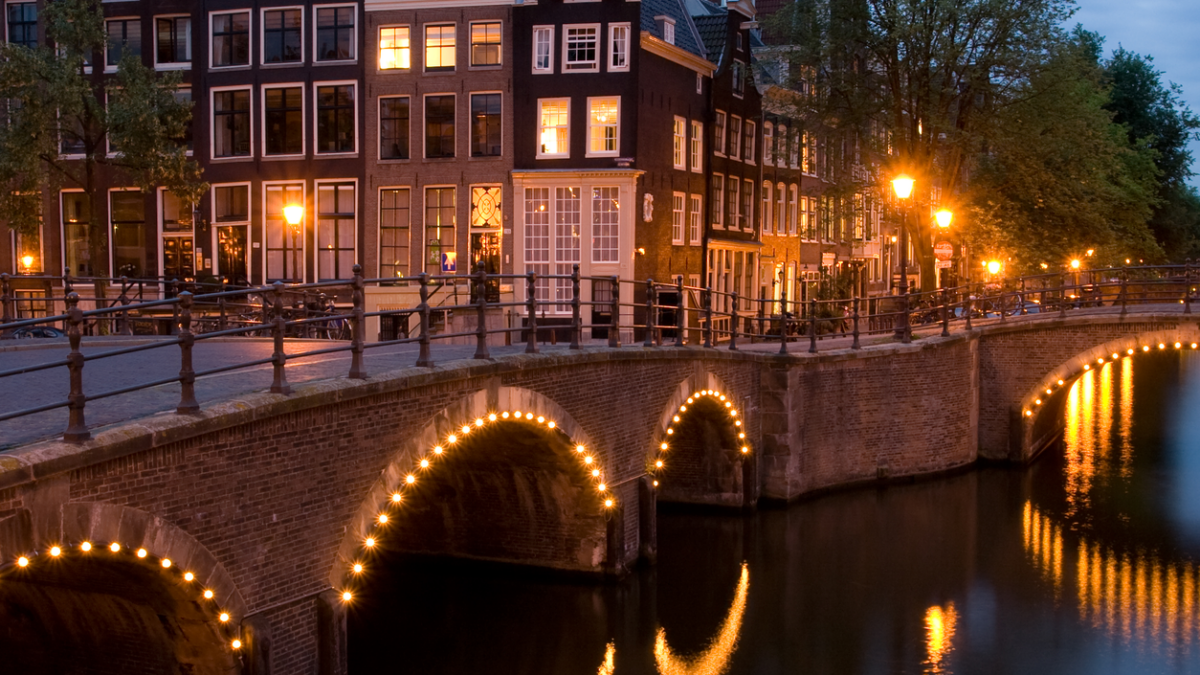
Amsterdam isn’t dangerous. The bikes are. Step in a cycle lane and you’re getting hit, not honked at. Every year, thousands of tourists learn this the hard way — emergency rooms near Centraal Station see a spike in “bike vs. pedestrian” admissions from April through October. This guide exists because every other travel blog will tell you to rent a bike and explore. This one tells you which side of the road to walk on, which rental shop won’t sell you a death trap, and what to do when your contactless card doesn’t work at a vending machine.
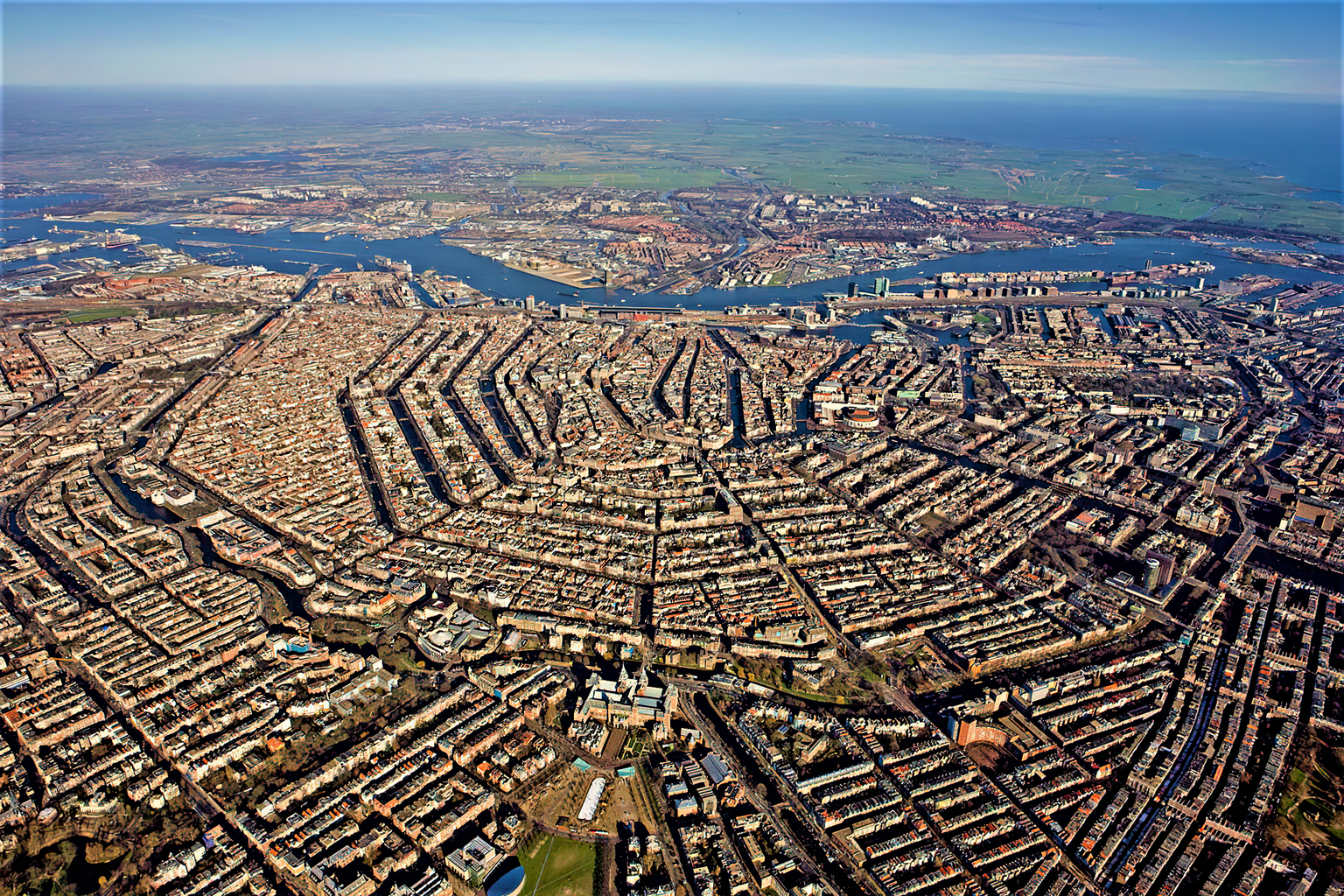
This is the operational survival guide to Amsterdam. It links to seven deep-dive articles that cover the stuff you actually need after you land — from common scams to neighborhood safety to getting home at 3 AM. Bookmark this page. You’ll come back.
The Bike Lane is a Highway
Cyclists have absolute right-of-way on the fietspad (bike lane). In practice, that means you — the pedestrian — are the lowest priority on Amsterdam streets. Do not assume a bike will stop or even slow down. They will swerve around you and possibly clip your elbow. Worse, they might ring their bell aggressively. That bell is not a greeting; it’s a warning.
Rule one: Look left, right, left again, then look specifically at the bike lane before crossing any street. Even if the pedestrian crossing light is green, a cyclist turning right may not yield. Amsterdam cyclists treat red lights as suggestions.
Rule two: Do not walk on the red brick. The red-painted asphalt or brick is the dedicated bike lane. Tourists constantly mistake it for a pedestrian path, especially alongside canals where the photo backdrop is perfect. Do not pose for a picture in the bike lane — you will become a viral video or a hospital case. The canals and flowers are tempting, but the bike lane is not a photo studio.
If you need to rent a bike, avoid the cheap tourist shops near the center (where bikes are heavy, poorly maintained, and easily identified as rentals — making them targets for theft). Instead, look for insider-recommended rental shops like Star Bikes (Runstraat) or Bike City (Bloemgracht). Expect to pay around €12–€15 per day for a decent city bike. Always lock it with two locks (a chain lock through the frame to a fixed object and a ring lock on the rear wheel). Single-lock bikes get stolen within hours.
Bike Parking: Where Not to Leave Your Bike
Do not lock your bike to a tree, a lamppost, or a signpost — the city will remove it (and fine you €25 to get it back). Use the designated fietsenstalling (bike parking). The huge underground one under Centraal Station (called Fietsenstalling Centraal Station) costs around €1.25 per day for the first 24 hours, then €1.25 per 24 hours after that. The one at Museumplein is free for the first 24 hours. If you leave a bike parked on the street for more than a few days, it will be tagged and removed by city services. The city posts impound information online — you have 14 days to retrieve it or it’s scrapped.
If You Get Hit by a Bike (or Hit Someone)
If a cyclist hits you, stop immediately. Exchange contact information. If you’re injured, call 112. Cyclists are required to have liability insurance (a standard part of Dutch home insurance, but not always for tourists). If the cyclist leaves the scene, note their bike type, approximate age, and direction. Report it to the police (non-urgent: 0900-8844). If you hit a pedestrian while cycling, you are liable — your rental insurance might cover it, but check before you ride. Most rental shops offer liability insurance for €1–€2 extra per day. Take it.
The OV-Fiets: A Smarter Rental
If you have an OV-Chipkaart (see transit section below), you can rent an OV-fiets at any NS train station for €4.55 per 24 hours. These are standard Dutch bikes — basic but well-maintained. You pick up and drop off at any station with a bike rental (most major stations). It’s cheaper than any tourist rental and far less hassle. Reserve via the NS app. The catch: you need a personal OV-Chipkaart with at least €10 credit loaded.
Trams Are Silent and Heavy
Trams in Amsterdam are electric, quiet, and unforgiving. They can’t swerve. They brake, but heavy metal on steel rails has a long stopping distance. Never stand on the tram tracks, even if waiting to cross. Also note the yellow line painted at the curb edge: standing beyond that line means you’re within potential tram impact zone. When crossing a tram line, look both ways along the tracks. Trams may come from either direction on the same line (some are bidirectional).
If you hear a tram bell, move immediately. It’s not a polite suggestion.
Public Transit: OV-Chipkaart and Contactless
Amsterdam’s GVB system (trams, metro, buses, and free ferries) now accepts contactless bank cards and phones — most international Visa, Mastercard, and American Express work. Tap on boarding and tap off at the exit. Forget to tap off? You’re charged a €4 penalty plus the full line fare. That mistake adds up fast.
If you prefer a physical card, buy an OV-Chipkaart (€7.50 for the card itself, non-refundable) from GVB ticket machines at major stations. Load credit onto it. It’s cheaper than single-use disposable chip cards if you make more than 4–5 trips. The cheapest option is to use your own contactless card or phone — no purchase necessary.
Children under 4 travel free. Kids 4–11 pay 60% of the adult fare with a personal OV-Chipkaart.
For late-night travel, check night transport options. The GVB night buses (routes starting with ‘N’) run every 30 minutes after midnight, but coverage thins after 1 AM. Walking home from Leidseplein to De Pijp is fine; from Bijlmer, take a cab.
The GVB App: Your Transit Dashboard
Download the GVB app (free, iOS and Android). It shows real-time tram, bus, and metro arrivals, route planning, and service disruptions. It also sells digital tickets that work on your phone (tap the QR code at the validator). The app’s route planner is better than Google Maps for local transit because it includes the free ferries and night buses. You can also buy a 24-hour GVB pass (€9) directly in the app — no need to find a ticket machine. For multi-day stays, a 48-hour (€16.50) or 72-hour (€22.50) pass in the app is the simplest option if you’re taking 4+ rides per day.
The Free Ferries Across the IJ
Behind Centraal Station, free ferries run 24/7 across the IJ waterway to Amsterdam-Noord. The most useful is the Buiksloterweg ferry (departs every 5–10 minutes, 2-minute crossing). It drops you near the EYE Filmmuseum and the A’DAM Lookout tower. The ferries are frequent, free, and safe — they don’t require any ticket. At night, the same ferries run but less frequently (every 15–30 minutes after midnight). If you’re staying in Noord, these ferries are your lifeline.
Cash vs. Card: The Dutch Payment Reality
Cash-only zones
- Markets (e.g., Albert Cuypmarkt)
- Snack bars (e.g., FEBO)
- Some small cafes
- Street food stalls
- Public toilets (some charge €0.50)
- Taxis (some prefer cash)
Card-friendly
- Supermarkets (Albert Heijn, etc.)
- Transit (tap on/off with contactless)
- Museums and attractions
- Most restaurants and bars
- Hotels
- Vending machines (some accept card)
- Bike rentals (many accept card)
Cash-only zones
- Markets (Albert Cuyp, Waterlooplein)
- Snack bars (FEBO, some frietwinkels)
- Small souvenir shops
- Public toilets (some charge €0.50)
- Street food stalls
- Some coffeeshops
- Taxis (some accept only cash)
Card-friendly
- Supermarkets (Albert Heijn, Jumbo)
- Transit (tram, bus, metro, train)
- Most restaurants and bars
- Museums and attractions
- Parking meters
- Bike rental shops (most)
- Vending machines (NS, GVB)
The Netherlands is one of Europe’s most card-happy countries, but many cafes, supermarkets, and even some Albert Heijn stores are card-only. And “card-only” often means “Maestro or V Pay only” — older Dutch terminals sometimes refuse foreign Visa or Mastercard credit cards. This is less common than it was in 2023, but still happens.
Practical strategy: carry a chip-and-PIN debit card (Visa or Mastercard) and have a Visa credit card as backup. Also bring €100 in cash (in small notes: €10s and €20s — many places won’t accept €50s or €100s). Use the cash at markets (Albert Cuypmarkt, Waterlooplein) and for small purchases at snack bars. Always ask “PIN?” before ordering — if they say yes, you’re fine. If they say “alleen contant” (cash only), you’ll need the cash.
ATMs: Which Ones to Use
Avoid Euronet ATMs (the bright yellow ones in tourist areas) — they charge high fees and poor exchange rates. Use Geldmaat ATMs (green, operated by the Dutch banks ABN AMRO, ING, and Rabobank). They’re free for withdrawals with most foreign cards (check your home bank’s fee). You’ll find Geldmaat machines inside Albert Heijn supermarkets, at train stations, and in shopping streets. The ATM at the Albert Heijn on Kalverstraat is reliable and central.
If Your Card Gets Declined at a Vending Machine
Scenario: you’re at an Albert Heijn self-checkout or a GVB ticket machine and your contactless Visa is refused. Common cause: the terminal expects Maestro/V Pay. Try inserting the card instead of tapping (chip+PIN). If that fails, use a different machine — sometimes one terminal has an outdated configuration. At Albert Heijn, the self-checkout often rejects foreign cards but the manned checkout usually works. Always have a backup card (a Visa debit from a different bank) and €20 cash for small purchases. If you’re stuck without cash and no card works, go to a Geldmaat ATM and withdraw cash.
For a full breakdown of tipping, hidden fees, and how not to pay €5 for a single tram ride, see the money guide.
The Bottle Deposit (Statiegeld)
When you buy a plastic bottle or can from a supermarket, you pay a deposit: €0.15 for small bottles, €0.25 for large plastic bottles, and €0.15 for cans. Return the empty bottle or can to any supermarket’s in-store reverse vending machine (usually near the entrance). You get a receipt that you can use against your shopping or cash out at the register. Most tourists lose this money because they toss the bottles in public bins. Don’t. Bring them back. If you’re staying in a hotel, just hand them to a cleaner — they’ll collect the deposit.
Water, Toilets, and Other Basics
Tap water in Amsterdam is excellent — clean, safe, and free. Skip plastic bottles. Fill your reusable at any tap. In restaurants, ask for ‘kraanwater alstublieft’ (tap water please). They may look annoyed, but it’s legal and free. Most will comply. If they say they don’t serve tap water, they’re being difficult — you can insist or just leave.
Public toilets are scarce. Your best bets: inside department stores (like De Bijenkorf), train stations (€0.70 for a turnstile), or a café if you buy something. Use the HogeNood app to find public toilets nearby. Many museums and bars have free toilets once you’re inside. The public toilet at Vondelpark (near the main entrance) is often clean and free. Avoid the portable toilets in the Red Light District after 10 PM — they’re rarely serviced.
Plugs and Power
The Netherlands uses the Type C and Type F plug (two round pins, 230V, 50Hz). Same as most of mainland Europe. Bring a universal adapter if you’re from the UK, US, or Asia. USB charging ports are common in newer hotels and hostels, but don’t count on it. If you forget an adapter, buy one at the Albert Heijn or HEMA in the city center — they stock travel adapters for about €8–€12.
eSIM and Mobile Data
Most modern phones support eSIM. Before you travel, buy a Dutch eSIM from Airalo, Holafly, or Orange Holiday (Orange’s prepaid eSIM for tourists). Prices: around €10–€15 for 5–10 GB over 30 days. If you prefer a physical SIM, buy one at the Royal Schiphol arrivals hall — the Vodafone and KPN shops sell tourist SIMs (around €20 for 10 GB over 30 days). Do not buy SIMs from vending machines at Schiphol — they’re often overpriced. If you have a UK or EU roaming plan, check if it includes the Netherlands (most do).
Coffeeshops vs. Cafés: The Cannabis Rules
Critical distinction: a coffeeshop sells cannabis and non-alcoholic drinks. A café serves coffee, alcohol, and food. Call a coffeeshop a café and locals will correct you (or laugh).
Tourists can legally buy up to 5 grams per person per day in any coffeeshop. That’s the limit. You cannot smoke inside coffeeshops with tobacco (Dutch law bans indoor smoking of tobacco; pure cannabis joints are fine). Some coffeeshops have outdoor terraces where you can smoke. Do not smoke cannabis on the street outside a coffeeshop — police will fine you (up to €100).
Most coffeeshops are in the city center, but Amsterdam’s city government has been restricting new coffeeshops and banning sales to tourists in the red light district area (de Wallen). The classic ‘coffeeshop in the center’ still works, but be aware of the nuance: some smaller shops near Nieuwmarkt are off-limits to tourists. Your best bet: Boerejongens (Utrechtsestraat), Grey Area (Oude Leliestraat), or De Dampkring (Haarlemmerstraat).
Do not take cannabis out of the Netherlands. Airport security has random checks, and possession of any amount outside the country is illegal. You will face real penalties.
Smartshops and Truffles
Smartshops sell truffles (containing psilocybin, the active compound in magic mushrooms). These are legal in the Netherlands. The most famous smartshop is Kokopelli near the Munttoren. If you buy truffles, the staff will give you a dosage guide. Start with half the recommended dose if you’re inexperienced. Do not take truffles and then walk through the Red Light District — you’ll panic. Do them in a calm park (Vondelpark) or your hotel room. Truffles are also illegal to take across borders.
Red Light District: Do’s and Don’ts
Centrum
Historic center with canals, shops, and attractions; crowded but essential.
Jordaan
Trendy area with indie boutiques, galleries, and cozy cafes.
De Pijp
Multicultural hub with Albert Cuyp market, bars, and food scene.
Oud-West
Residential area with great eateries, parks, and less touristy vibe.
Oosterparkbuurt
Peaceful neighborhood around Oosterpark, good for families and relaxation.
Oud-Zuid
Elegant area with museums, Vondelpark, and high-end shopping.
Noord
Former industrial area with street art, creative spaces, and ferry access.
Red Light District
Famous for nightlife, sex workers, and coffee shops; crowded and intense.
Centrum
Historic center with canals, Dam Square, and major attractions.
Jordaan
Hip area with indie shops, cafes, and art galleries.
De Pijp
Multicultural neighborhood with Albert Cuyp Market and bars.
Oud-West
Up-and-coming area with food halls and vintage stores.
Oost
Residential area with parks and the Oosterpark.
Noord
Former industrial area with creative spaces and free ferry.
Zuid
Museum Quarter with Van Gogh Museum and Vondelpark.
West
Multicultural area with Foodhallen and Westerpark.
The Red Light District (De Wallen) is a working neighborhood. Walking through during the day is fine — shops, cafes, and canals. At night it’s crowded with tourists, sex workers in windows, and occasional drug dealers. Absolutely no photos of the women in windows. This is punishable by a fine of €100+ or worse — bouncers may confiscate your phone and delete the images. Real.
Pickpockets operate here in high density. Keep your phone in your front pocket and bag zipped. Street dealers sell “white heroin” or “cocaine” that’s almost always a rip-off — fake or cut with dangerous substances. Police patrol heavily, and buying on the street is illegal. Just ignore them.
For a full breakdown of scams — including the “I need money for my baby” trick, fake taxi drivers, and fake ticket inspectors — read the scams article.
Food: What to Eat and Where
You’ll survive on stroopwafels (warm from the Albert Cuypmarkt), bitterballen (deep-fried meat ragout balls, usually served with mustard), and haring (raw herring with onions and pickles — eat it whole or chopped). Frites with mayonnaise are the national fast food. Try Vlaams Friteshuis Vleminckx (Voetboogstraat) for the best fries.
Pancakes (pannenkoeken) are a Dutch thing — thin, large, served with apple, bacon, or syrup. Head to Pancakes! Amsterdam near the Westermarkt.
For a proper Indonesian rijsttafel (a Dutch colonial feast of small dishes), avoid the touristy places on Spuistraat. Go to Indrapura (Javaplein) in Indische Buurt — real and about €25 per person. Or Kampong (Van Galenstraat) for a more refined version.
The Albert Cuypmarkt (De Pijp) is the largest market in Europe, great for food and cheap souvenirs. Compare with the touristy Waterlooplein flea market — both are worth a visit, but Albert Cuyp is better for eating.
Winter Food: Stamppot and Erwtensoep
If you’re in Amsterdam between October and March, try stamppot (mashed potatoes with kale, endive, or sauerkraut, served with a smoked sausage) and erwtensoep (thick pea soup with smoked sausage and rye bread). Go to Moeders (Rozengracht) for a reliable stamppot — they serve a “Dutch mother’s cooking” menu for around €16. For erwtensoep, Haesje Claes (Spuistraat) does a decent bowl for €9. Both places fill up by 7 PM — book or go early.
Albert Cuypmarkt: The Best Stalls
The Albert Cuypmarkt runs Monday–Saturday from 9 AM to 5 PM. The best stroopwafel stall is Albert Cuyp Stroopwafels at the Ferdinand Bolstraat end — they make them fresh on a griddle, €2 for a large one. The haring stall across from the cheese shop is reliable. Avoid the “fresh juice” stands that charge €5 for a small cup — you can get the same at the supermarket for €1.50. The market also sells cheap phone chargers, sunglasses, and souvenirs — but check the quality before buying.
Tipping and Restaurant Etiquette
Tipping in the Netherlands is minimal. If service is good, round up to the nearest euro or leave 5–10%. For a €12 meal, paying €13.50 is generous. Tip in cash if possible, or add when paying by card (the terminal often asks). You are not expected to tip for drinks at a bar.
At restaurants, tap water is free if you ask politely. Some places charge for filtered water (€2 for still/sparkling). That’s not free, so specify “kraanwater” if you want the tap version.
Service charge is always included in the price — no hidden service fee. Check the bill; it should say “service inbegrepen” (service included). If not, you’re likely in a tourist trap.
The “Toeslag” (Surcharge) Trap
When you pay at a self-service terminal, the machine may ask: “Would you like to add a tip?” with preset options of 10%, 15%, 20%, or “custom”. This is the terminal trying to squeeze extra money from you. You are not expected to tip at a self-checkout bakery or a fast-food counter. Press “skip” or “no tip”. The only time you tip is at a sit-down restaurant with table service, and even then only if the service was actually good.
Sundays Are Normal (Rare in Europe)
Unlike many European cities where Sunday means shuttered shops, Amsterdam is open for business. Supermarkets (Albert Heijn, Jumbo), large chain stores, and most shopping streets (Kalverstraat, Leidsestraat) are open Sundays from 12:00–18:00. Some smaller boutiques close, but you won’t starve or be left without a phone charger. Sundays are also popular for brunch — expect queues at places like Bakers & Roasters (Eerste Jacob van Campenstraat).
Thursday Night Shopping (Koopavond)
On Thursdays, most city-center shops stay open until 21:00 (9 PM). This is called koopavond. If you’re in Amsterdam on a Thursday and need to buy something after the 6 PM closing time, head to the Kalverstraat or Leidsestraat. The Albert Heijn on Kalverstraat is open until 22:00 every day except Sunday (when it closes at 18:00).
Festivals: King’s Day and Pride
King’s Day (April 27) is the biggest party in the Netherlands. Amsterdam turns orange. Streets become flea markets, canals fill with boats, and everyone drinks. If you’re there during King’s Day, prepare for crowds, closed public transport (some routes), and many portable toilets. It’s a once-in-a-lifetime experience or a nightmare if you dislike crowds. Plan accommodation months ahead — prices triple.
Pride Amsterdam (first weekend of August) features the famous Canal Parade — boats decorated by LGBTQ+ groups through the Prinsengracht. Huge crowds, but less chaotic than King’s Day. Book early if you want a hotel near the center.
Smoking Laws
Smoking is allowed outdoors just about everywhere — unlike some EU countries where smoking near doors is restricted. You’ll see locals smoking on café terraces, in parks, waiting for the tram. Indoor smoking is banned in all public places (including cafés and bars). Coffeeshops are the only exception, but only for cannabis (no tobacco inside). If you smoke a cigarette inside a coffeeshop, expect to be asked to leave.
Vaping falls under the same law — no indoor vaping except where explicitly allowed.
Pickpocketing: Where and How
Overall, Amsterdam is safe — pickpocketing is low-to-moderate compared to Paris or Barcelona. But the usual spots apply: Centraal Station, Dam Square, Leidseplein, and the Red Light District at night. Thieves work in teams: one bumps you, the other lifts your phone. Keep your phone in a zipped front pocket or a bag with a zipper. Avoid leaving your phone on the table at outdoor cafés (common snatch-and-grab technique).
For per-neighborhood safety advice, read the safety article. Short version: De Pijp, Jordaan, Oud-Zuid, and Centrum are very safe. Bijlmer, Nieuw-West, and parts of Noord are less touristy but not dangerous — just less well-lit and quiet at night.
Emergency Numbers
Dial 112 for police, fire, or ambulance. For non-urgent police matters, call 0900-8844 (€0.10/min). For lost property at GVB public transport, visit the lost-and-found at Centraal Station (open daily 08:00–18:00). For passports, report to the police and then to your embassy. The consulate for US citizens is in the city center at Museumplein.
For 24/7 services including pharmacies, supermarkets, and late-night emergency rooms, see the 24-hour guide.
What to Do If You Lose Your Passport
Go to the nearest police station to file a report (the one at Beursplein 5 near Dam Square handles tourist cases). Get a copy of the report (it’s free). Then go to your embassy. The US consulate is at Museumplein 6 — they issue emergency passports within 1–2 business days. The UK consulate is at Lange Voorhout 20 in The Hague (45 minutes by train from Centraal Station) — they can issue an emergency travel document. Both require a police report and a passport photo. Keep a photocopy of your passport separately from the original.
Insider Secrets
- Rijsttafel: Go to Indrapura in Indische Buurt (Javaplein 2) — not the touristy ones on Spuistraat. Expect 15–20 small dishes, a real feast.
- Albert Cuypmarkt: Better and cheaper than the tourist markets. Try the stroopwafel fresh off the press from the stall near Ferdinand Bolstraat.
- Bike rental that won’t break: Avoid Yellow Bike and MacBike (massive, heavy, stolen often). Try Bike City (Bloemgracht 68) – they maintain their bikes properly.
- Day-trip windmill villages: Skip Zaanse Schans (overcrowded) and take a bus to Zaanse Schans is fine, but Kinderdijk (outside Rotterdam) is more impressive but a longer trip. Closer: De Zaanse Schans is still popular for a reason, but go early (before 10 AM) to avoid the tour buses.
- Off-tourist museums: The Museum of Prostitution (Red Light District) is weird but informative. Woonbootmuseum (houseboat museum) gives a peek into Amsterdam’s canal living. Molen van Sloten is a working windmill open to visitors.
- Insider food: Ter Marsch & Co (Prins Hendrikkade) for the best tostis (pressed sandwiches) in town. Bakhuys (Zeeburgerdijk) for Amsterdam’s best apple pie.
The Bruin Café: A Dutch Institution
A bruin café (brown café) is a traditional Dutch pub — dark wood, candlelight, old tables, and a cozy atmosphere. They serve beer (mostly pilsner), jenever (Dutch gin), and simple snacks like bitterballen. The name comes from the brown-stained walls (years of tobacco smoke — now banned, but the look remains). Real bruin cafés to try: Het Papeneiland (Prinsengracht 2) — they claim to be the oldest, with a tiled interior from 1642. De Twee Zwaantjes (Prinsengracht 114) — small, loud, and very local. Or Brouwerij ‘t IJ (Funenkade 7) — a working windmill brewery with a great outdoor terrace. Expect a beer to cost around €4–€5. Do not ask for a “pint” — you’ll get a small glass (0.25L) unless you specify “een vaasje” (0.5L).
Bike Repair Shops: When Your Rental Breaks
If your rental bike gets a flat tire or a broken chain, don’t panic. Look for a fietsenmaker (bike repair shop). The chain Fietsenwinkel on Utrechtsestraat 112 is central and reliable. A flat tire repair costs around €10–€15. If the bike is from a rental shop, call them first — they might send a replacement or tell you to return it. Do not leave a broken bike on the street — you’ll be charged for removal.
Triage: Situation → Cluster
If you’re on the ground and something goes wrong, here’s where to go:
- Lost wallet/phone, scammed, or mugged: → Scams & Theft Recovery
- Worried about walking home at 2 AM from a specific neighborhood: → Neighborhood Safety
- Missed the last tram/metro/ferry: → Night Transport
- Need a pharmacy at 3 AM or a supermarket open on Sunday: → 24/7 Services
- Confused about paying: cash, card, tipping, hidden fees: → Money Guide
- Just landed at Schiphol, need to get to your hotel without getting ripped off: → Arrival Setup (covers train, taxi scams, SIM card, luggage storage)
- Want to know the one bakery that locals swear by, or how to find a real ‘bruin café’: → Insider Secrets
Practical Mini-Scenarios
- You land at Schiphol on a Sunday at 11 PM: The last direct train to Centraal Station leaves at approximately 12:30 AM. After that, night buses (N97, N94) run every 30–60 minutes to Centraal Station — buy a ticket from the driver (contactless, around €5.50). Taxi from Schiphol to city center costs a fixed €45–€55 (use the official TCA taxi rank outside arrivals — ignore the touts inside). Uber is cheaper (around €35) but takes 5–10 minutes to arrive.
- Your contactless card gets declined at the GVB ticket machine at Centraal Station: Use a different machine (the ones near the tram platforms often accept foreign cards). Or download the GVB app and buy a digital ticket from your phone. Or use cash at the GWK Travelex exchange desk (they charge €1 fee). If all else fails, walk to the Albert Heijn on the station concourse and buy a disposable OV-Chipkaart with cash.
- You’re at the Red Light District at 1 AM and feel unsafe: Walk toward the Damrak (the main street) — it’s well-lit and patrolled. If you’re being followed, enter any open bar or café (many are open until 3 AM). The police station at Beursplein 5 is open 24/7. Do not walk through the side alleys alone after midnight.
- Your phone gets stolen on the tram: Report it to the tram driver if it happened on board (they can contact GVB security). Then file a police report at the nearest station. Track it using Find My iPhone / Android Find My Device. If you have travel insurance, the police report is required for a claim. For the phone itself, you’re likely not getting it back — but the report helps with insurance.
Closing: The Bike Rental Reality
Every other travel guide tells you to rent a bike. This one tells you how to do it without breaking your ankle or your wallet. Renting a bike in Amsterdam is a great way to see the city — but only if you understand the rules, the equipment, and the risks.
Which side of the road? You ride on the right, just like cars. But more importantly, stay in the bike lane (the red path) and assume every pedestrian is about to step in front of you. Ring your bell early and loudly.
Which apps? Download Gravel for route finding (designed for cyclists, avoids cobblestone) and Fietsknoop for recreational routes. Google Maps cycling directions are okay but sometimes route you through pedestrian zones. Moovit is best for public transit + bike combo.
Which rental shops not to use? Avoid MacBike and Yellow Bike — their bikes are heavy, poorly maintained, and scream “tourist” (easy target for thieves). Also avoid the shops outside Centraal Station that rent for €5 a day — those bikes will break before you reach the Anne Frank House. Instead, go to Bike City (Bloemgracht 68) or Star Bikes (Runstraat) – they cost a few euros more but include a decent lock, lights, and a bike that won’t fall apart.
Amsterdam is a wonderful city — efficient, safe, and genuinely fun. But it has its own set of rules that catch newcomers off guard. Use this guide as your operational manual. When you arrive, open it instead of a map. The canals will still be there. Now you’ll be too.
Arrival Setup — The Money-Savers
The first hour after you land sets the tone for the trip. Two moves that pay for themselves: