Istanbul
Istanbul is two continents, three layers of empire, and exactly one taxi-meter rule you must memorize before landing. Forget the flight time, forget the visa – this is the single piece of information that will save you more money and frustration than any sightseeing tip. This guide doesn’t tell you to visit Hagia Sophia; it tells you how to navigate the city without getting fleeced, where locals actually eat, and what to do when your ferry hasn’t run in an hour.
This survival guide covers seven operational clusters you’ll need after you land. Each section links to a dedicated deep dive, but the essentials are right here:
- Scams & How to Avoid Them
- Safe Neighborhoods & Where Locals Live
- Night Transport & Getting Home After Midnight
- 24/7 Services: Pharmacies, Supermarkets & ER
- Cash, Cards & Currency – What Actually Works
- Arrival Setup: Transport, SIM & Plug Type
- Insider Secrets: The Real Istanbul
The One Rule You Must Know: The Taxi Meter (Taksimetre)
Every yellow taxi in Istanbul is legally required to run the meter. The #1 scam: the driver says “meter broken, flat price.” Never agree to a fixed fare. It will be 3–5× the actual cost. Insist on “taksimetre aç” (turn on the meter). If they refuse, get out and flag the next cab.
Use BiTaksi (app) to call a metered cab and track the route. Uber operates in Istanbul but mostly connects you to the same yellow taxis – the meter still applies. Avoid taxis waiting at major tourist hubs (Sultanahmet, Taksim Square, airport stands) without pre-booking; they target tourists.
Typical fares: airport to Taksim ~250₺ (mid-2024, adjust for inflation). BiTaksi estimates before you confirm. For the full breakdown of all taxi scams and how to handle them, see the dedicated scams page.
Mini-scenario: you land at IST airport, 2:00 AM. The official taxi queue is outside arrivals. The dispatcher will assign you a taxi. The meter should start as you leave the terminal. If the driver quotes “1000₺ fixed” (the real meter fare is around 250–350₺ at that hour), refuse. Walk to the next taxi or go back inside and call an Uber via app. The airport has free Wi-Fi for 30 minutes – use it to download BiTaksi. Do not accept rides from touts inside the terminal; they’ll lead you to unlicensed cars with fake meters.
Money Matters: Turkish Lira, Inflation & Payment Tips
Cash-only zones
- Public toilets
- Street food stalls
- Small bakkals (corner shops)
- Some local bazaars
- Fake taxi drivers (avoid)
- Tips for hotel staff
- Museum ticket booths (some)
Card-friendly
- Chain supermarkets (Migros, Şok)
- Most restaurants in tourist areas
- Hotels and hostels
- Metro/tram ticket machines
- Official taxi with meter (BiTaksi app)
- Large shops and malls
- Ferry ticket offices
Currency: Turkish Lira (TRY, ₺). Inflation is severe – prices change weekly. Many tourist menus quote in EUR or USD to hedge. Always pay in TRY. If a price is given in euros, ask for the lira price or do the conversion yourself – you can lose 10–20% on the exchange rate.
ATMs dispense only TRY. Use bank ATMs (Garanti, İşbank, Yapı Kredi) in central areas. Avoid standalone currency exchange booths – terrible rates. Credit cards (Visa/Mastercard) are widely accepted at restaurants, shops, and hotels. Use credit card, not debit card, to avoid Dynamic Currency Conversion (DCC). DCC offers to charge you in your home currency at a bad rate – always choose TRY when prompted. Apple Pay and Google Pay are growing but not universal; carry a physical card and some cash.
Scenario: dinner bill comes and the waiter says “Euros or lira?” If you pay by card, the terminal may ask “Do you want to pay in EUR?” – that’s DCC. Always select TRY (or “continue in local currency”). The rate used will be Visa/Mastercard’s, which is better. If the bill shows a menu price in EUR, ask for the lira equivalent before you order. Many places near Sultanahmet will try to charge you the euro price at a markup. For instance, a 10€ dish might be listed as 350₺ but the actual exchange is ~290₺ – you’re paying extra. Don’t hesitate to walk out.
For a complete guide on payment scenarios, tipping, and hidden fees, see the money page.
İstanbulkart: The Transit Card You Need
You must get an İstanbulkart. Buy it at any metro, tram, or ferry station kiosk. Cost: 60₺ deposit + load. The card works on metro, tram, bus, funicular, and ferry – one card for everything. Each ride: around 17₺ (subject to inflation). You can also use contactless bank cards on some routes, but İstanbulkart is cheaper and more reliable.
Top up at yellow machines (English interface) or via the İstanbulkart mobile app. If you don’t have a card, you can kiosk a single-use token (jeton) for 19₺.
Lost your İstanbulkart? You can’t transfer the balance – it’s not registered unless you buy an “İstanbulkart Plus” (with your name). For a standard card, the balance is gone. Best to buy a new one and top up only what you need for 2–3 days. Alternatively, your contactless bank card (Visa/Mastercard) works on all metro and tram lines as of 2024 – tap at the gate and the fare is deducted directly in TRY. It’s slightly more expensive per ride (~18.50₺) but handy as a backup.
Public Transit Hours & Night Transport
Metro and tram run ~6:00–00:00. Ferries mostly stop around midnight. After that, you’re looking at taxis or night buses (night buses run on major routes, but routes are complex). Do not rely on public transit after 1 AM unless you’ve checked the night bus map. A taxi is the norm. See night transport page for late-night walking safety and last-metro cheat sheets.
Specific night bus lines: The TH-1 runs from Taksim to Sultanahmet (every 30 min, fare 17₺). The 40 runs from Taksim to Beşiktaş. The 11T goes from Taksim to Kadıköy via bridge. But these are slow and can be confusing. If you’re out after midnight, the safest bet is BiTaksi. Walking alone in Taksim backstreets after 1 AM is not dangerous but expect aggressive bar touts and occasional drunk crowds. Stick to main avenues (İstiklal, Cumhuriyet) and never take shortcuts through dark alleys.
Scams & Safety (Spoiler: Istanbul Is Fine But Alert)
Istanbul is generally safe for tourists, but pickpocketing and scams are concentrated in tourist areas. The most common scams:
- Taxi meter scam (covered above).
- Shoe shine brush drop: Someone “drops” their brush in front of you, you pick it up, they insist on shining your shoes, then demand payment. Ignore and keep walking.
- Drink “invitation”: A friendly local invites you for a drink, then a huge bill appears. Happens in Taksim bar streets. Only drink in places with clear prices.
- Fake tour guides outside major sights. Book official guides through the Turkish Ministry of Culture and Tourism.
- “Carpet factory” trap – you get a free tour, then high-pressure sales. Walk away.
- “Helpful” porter scam: At the airport or hotel entrance, someone offers to carry your bag, then demands 200₺. Politely refuse and keep your bags.
- Lost wallet scam: Someone “finds” a wallet near you and offers to split the cash, then asks you to hand over your valuables as a sign of trust. Classic. Walk away.
For full details on how to spot these and what to do, read the scams page.
Per-neighborhood safety: safe neighborhoods page breaks down both sides of the city. Quick notes: Sultanahmet is safe but scam-heavy; Beşiktaş and Kadıköy are local, lively, and safe even at night; Taksim at 2 AM can be rowdy but not dangerous. Use common sense.
Pickpocket hotspots: The tram line T1 between Sultanahmet and Eminönü is a known hunting ground. Keep your phone in your front pocket, backpack zipped and in front. The Grand Bazaar on a Saturday afternoon – same. Also, the underground pedestrian passageways (altgeçit) near Taksim Square and at Karaköy – these are narrow and crowded, perfect for distraction teams.
If you’re scammed: For aggressive taxi overcharge, note the license plate and call 155 (police) – they may fine the driver. For pickpocketing, file a report at the nearest tourist police station (there’s one on Divan Yolu in Sultanahmet). Your travel insurance may require a police report. For credit card fraud, immediately call your bank and block the card. Turkey’s fraud protection is decent; most banks will reverse fraudulent charges if reported quickly.
Neighborhoods Worth Your Time
Sultanahmet
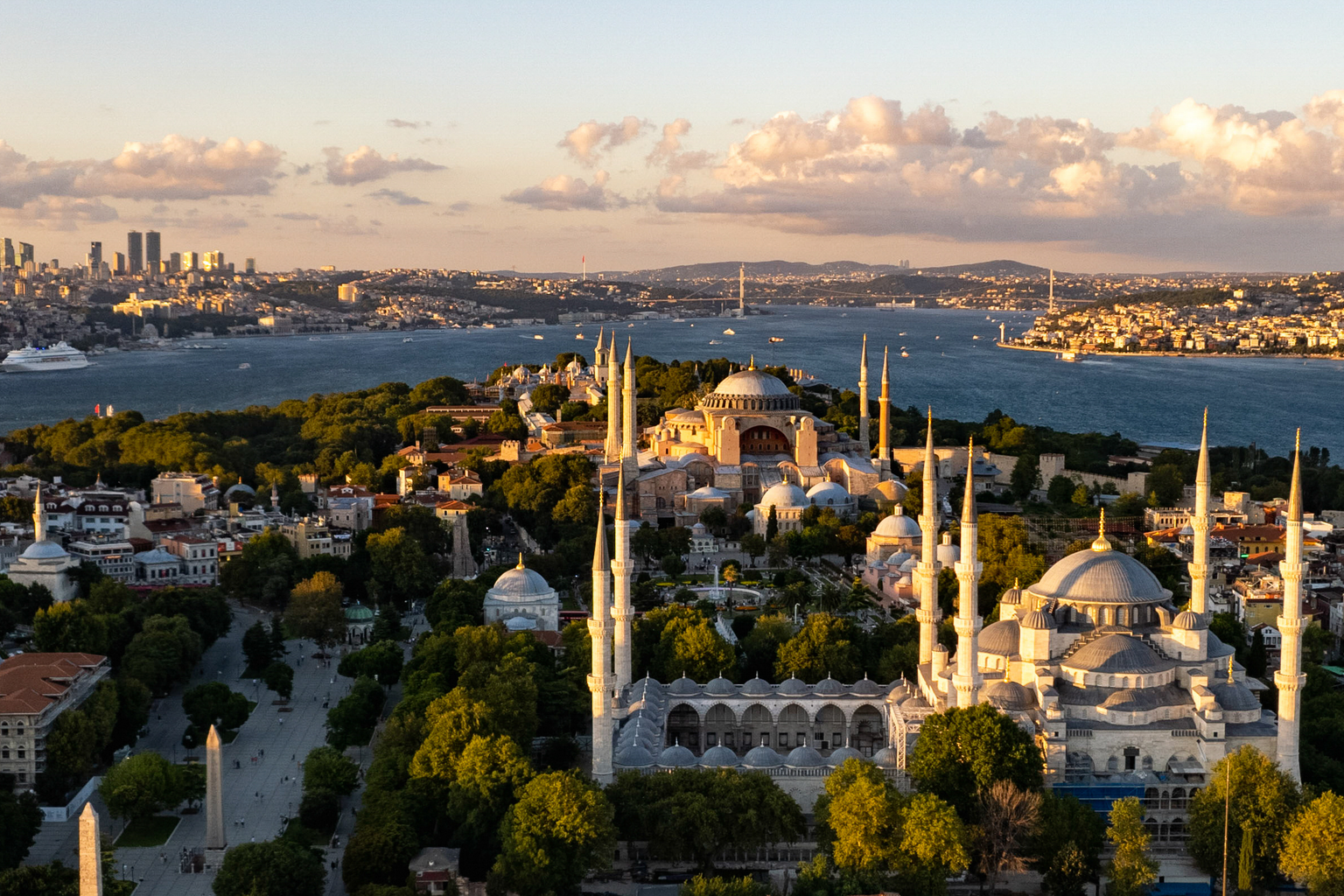
Historic peninsula with Hagia Sophia, Blue Mosque, and Topkapi Palace.
Taksim
Central square with shops, restaurants, and nightlife; transport hub.
Karaköy
Trendy waterfront district with galleries, cafes, and fish market.
Kadıköy
Asian side hub with food market, bars, and ferry access.
Beşiktaş
Lively neighborhood with ferry terminal, cafes, and street food.
Üsküdar
Peaceful Asian side district with waterfront promenade and mosques.
Nişantaşı
Upscale area with boutiques, cafes, and elegant architecture.
Balat
Colorful historic quarter with vintage shops and local eateries.
Sultanahmet – the historic core (Hagia Sophia, Blue Mosque, Topkapı Palace). Tourist central, highest scam density. Do your visits, but eat and sleep elsewhere.
Beşiktaş – university area, bars, fish market, real Istanbul. Kadıköy (Asian side) – food scene, markets, no major sights but pure local life. Take the ferry from Eminönü (25 min, 17₺ with İstanbulkart). These are where you’ll find the real dinner spots.
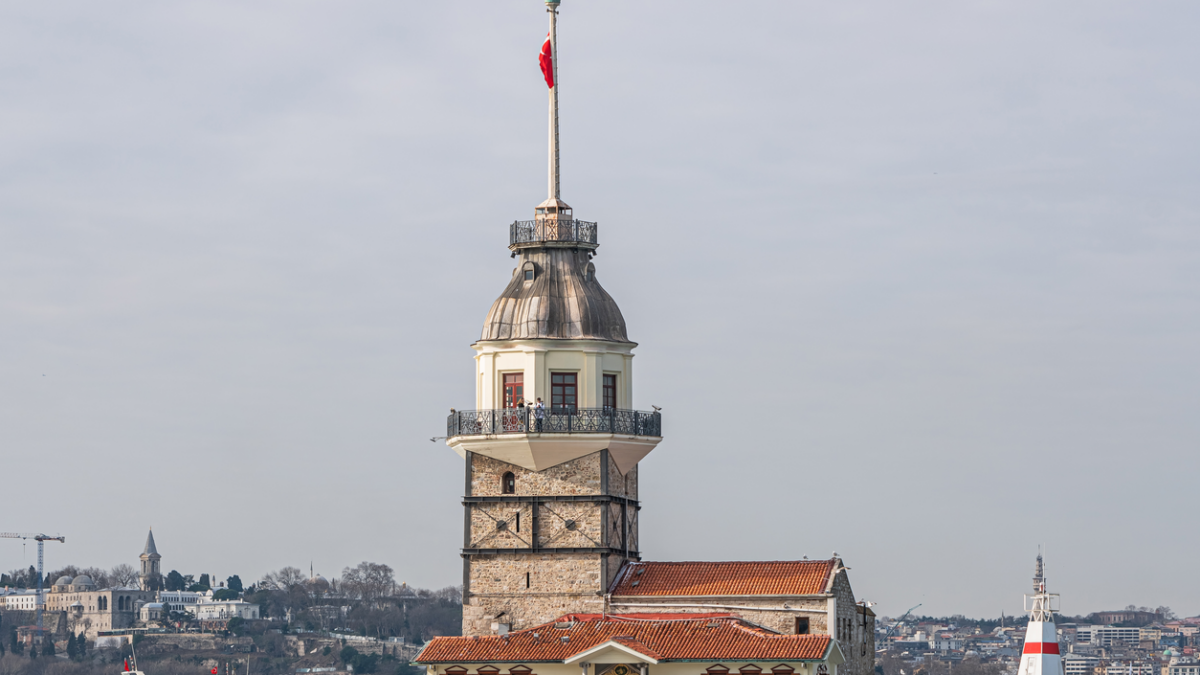
Karaköy – trendy neighborhood below Galata Tower, excellent for dinner and drinks with a view of the Golden Horn. Balat – colorful old Jewish quarter, great for photos and walking (but hilly). Üsküdar (Asian side) – quiet, residential, with lovely waterfront and the Maiden’s Tower. Nişantaşı – upscale shopping district, safe and clean, but expensive.
Mosque Etiquette & Friday Prayers
Entering mosques: remove your shoes at the entrance – there’s usually a shelf or plastic bag rack. Women must cover head, shoulders, and knees; scarves are often provided at the door. Men must cover knees (no shorts above the knee). You can enter, but do not enter during prayer times (5 times daily, each ~30 minutes). Tourism is allowed outside prayer times. Friday prayers (Cuma namazı) are the busiest, around 12:30–2:00 PM – mosques packed, avoid visiting then.
What to do with your shoes: Use the plastic bags provided. Some mosques have numbered shoe racks. Take a photo of the rack number. Do not leave valuables in your shoes. Inside, remain quiet; do not walk in front of those praying. Many mosques have separate sections for men and women – women often enter through a side door. If you’re a woman without a headscarf, a volunteer will hand you one – wear it, no debate.
Scenario: you’re near Blue Mosque and hear the call to prayer. The mosque will be closed to tourists for about 30 minutes. Use that time to visit nearby attractions like the Basilica Cistern (open during prayer). The mosque reopens right after the prayer ends. Wait at the courtyard gates.
Food & Drink – The Real Deal
Forget the tourist menus. Real Istanbul street food:
- Simit (sesame bagel) – 5–15₺ from street carts. Look for carts near ferry docks; they have the freshest simit.
- Balık-ekmek – fish sandwich at Eminönü under Galata Bridge. 60–80₺. Best from the boats docked on the Eminönü side. Go at noon for the freshest catch.
- Kokoreç – grilled lamb intestines. Try at Beşiktaş Kokoreççi on Ihlamurdere Cad. – 50₺ per portion.
- Midye dolma – stuffed mussels with lemon. Vendors on İstiklal Cad. near the Galatasaray junction – 5–7₺ each. Eat immediately with lemon.
- Döner kebap – don’t eat in Sultanahmet. The best is on the Asian side: Çiya Sofrası in Kadıköy (traditional döner and regional dishes), or Zübeyir Ocakbaşı in Taksim for lahmacun and grilled meats. For a cheap döner wrap from a cart, try the one at Beşiktaş Çarşı – 60₺, locals queue.
- Kumpir – loaded baked potato, Ortaköy specialty. Go to Ortaköy Square and pick a stand with a long line (locals know quality). Around 80–120₺ with all toppings.
- Lahmacun – thin “Turkish pizza” with minced meat. Best at Lahmacunistan in Kadıköy – 35₺ each.
Çay (Turkish tea) – served everywhere. Free at shops when you’re buying something. At cafes, 5–15₺. Always served in a tulip-shaped glass. If offered, don’t refuse – it’s hospitality.
Turkish coffee (kahve) – thick, unfiltered, served with grounds at the bottom. Strong and bitter. Ayran – salty yogurt drink, perfect with kebab. Şalgam – sour turnip juice, an acquired taste. Boza – fermented millet drink, thick and slightly sweet, sold from street vendors in winter.
Raki – anise spirit, “lion’s milk” – turns cloudy when mixed with water. Drunk with meze (small dishes) as a long dinner ritual. A proper raki table should last 2–3 hours. Popular meyhanes (taverns) in Kadıköy Moda and Beşiktaş.
Hammam (Turkish bath) – Cağaloğlu Hamamı and Çemberlitaş Hamamı are historic but touristy, packages 800–1500₺. Local hamams (ask your hotel) cheaper, around 200–400₺ for a basic bath.
Insider Secrets (The Stuff Other Blogs Get Wrong)
Best döner in Istanbul? Not in Sultanahmet. Go to Çiya Sofrası in Kadıköy (for traditional döner and regional dishes), or Zübeyir Ocakbaşı in Taksim for lahmacun. But for a real döner sandwich from a cart, try the one at Beşiktaş Çarşı – locals queue.
Bosphorus boat tour on the cheap: Skip the tourist boats (€20+ for 90 minutes). Take the regular public ferry from Eminönü → Kadıköy → Üsküdar → Eminönü loop. With an İstanbulkart, each leg is about 17₺. Buy a çay on board for 5₺ – you now have a full Bosphorus experience for under €3.
Asian side foodie scene: Kadıköy market (çarşı) – streets of restaurants, meyhanes (taverns), and street food. Moda neighborhood for cafes and seaside walks. Hidden seafood spot: Ağın Balıkçılık on the Kadıköy waterfront – affordable fish sandwiches grilled to order, 40₺.
Princes’ Islands: Escape from the city. Take a ferry from Kabataş or Bostancı to Büyükada. Rent a bike (no cars allowed). Avoid Sunday – packed. Ferry runs hourly, trip ~90 min. Bike rental ~100₺ per day. Best spot: Aya Yorgi Church hill for views.
Real carpet vs tourist carpet: If you buy, go to a government-approved store (look for the official sign). Handmade silk carpets can cost thousands – you are not getting a deal at the Grand Bazaar. Learn the difference between kilim (flat weave) and pile carpets. A reasonable kilim from a reputable shop might be 1000–2000₺. Anything under that is likely machine-made.
Hidden Bosphorus walk: Start at Bebek neighborhood, walk north along the Bosphorus waterfront up to Rumeli Hisarı fortress (entrance 20₺). Continue to Emirgan Park for tulips in spring. Total walk ~4 km, flat, beautiful views. No tourists.
Real Turkish bath etiquette: At a local hamam, you will bathe in a marble room. The attendant (tellak) will scrub you (kese) with a rough mitt and then a soap massage. Bring your own swimming trunks (or you can buy a disposable peştemal towel at the desk). Women: separate hours or separate facility for females. The sequence: relax in hot room (15 min), scrub on belly stone (10 min), soap massage (10 min), rinse, rest in cool room with tea. Tip the attendant 50–100₺. Do not expect luxury at a local hamam – it’s functional.
For more secrets – including where to find the hidden Bosphorus walking path and how to do a real Turkish bath without the tourist markup – see the insider secrets page.
24/7 Services: When Things Go Wrong
Emergency numbers: 112 (universal), 155 (police), 156 (gendarmerie – rural areas), 110 (fire). English-speaking operators limited; if possible, have a Turkish speaker help. You can also text 112 in Turkish or English. The Sahibinden app has an emergency button that shares your location with police – download it.
Pharmacies (eczane): They rotate night duty (nöbetçi eczane). Check the nearest 24-hour pharmacy via nobetcieczane.com.tr or ask any pharmacy for the roster. Major ones near Taksim: Taksim Eczanesi (İstiklal Cad.) is sometimes 24h, but verify. In Kadıköy, Kadıköy Eczanesi (Söğütlüçeşme Cad.) is often 24h. Pharmacies in Turkey sell many drugs over the counter that require a prescription in other countries (antibiotics, some painkillers). Bring your own supply if you need specific medication.
Hospitals/ER: Acıbadem International Hospital (Beşiktaş, 0212 304 44 44) and American Hospital (Nişantaşı, 0212 444 4 444) have English-speaking staff and ERs. For minor issues, go to a private clinic (özel poliklinik) – cheaper and faster than a state hospital. State hospitals (like İstanbul Üniversitesi Çapa) are crowded but free if you have travel insurance that covers Turkey.
Supermarkets: Large chains like Migros (some 24h, especially in central areas like Beşiktaş, Taksim), Şok, BİM – most close around 10 PM. For 24-hour food, look for Mopaş or CarrefourSA Express in business districts. BİM is cheapest for bottled water (5₺ for 1.5L). See the 24-hours page for a full map.
Tap water: Officially safe to drink, but tastes heavily chlorinated. Most locals drink bottled water (brands: Kütahya, Saka). Buy 1.5L bottles for 5–10₺ from any market. Avoid tap water unless desperate. If you boil it, the chlorine taste remains – filter if you’re sensitive.
Scenario: you need a pharmacy on Sunday at 11 PM. Check nöbetçieczane com tr – it lists all pharmacies on duty today. For instance, if you’re in Sultanahmet, the nearest might be Beyazıt Eczanesi near Beyazıt Square. Call ahead to confirm they have your medicine. Most nöbetçi pharmacies are open 24 hours.
Arrival Setup: SIM, Plug, Connectivity
Plug: Type C/F (Europlug/Schuko), 220V 50Hz. Same as most of Europe. Bring an adapter if yours is different. Most hotels have universal sockets for laptops.
eSIM: Many modern phones can use eSIM. Providers like Airalo, Holafly, or local operator Türk Telekom (at airport stores) sell tourist data plans. Physical SIM is cheaper if you stay longer – get a prepaid SIM from Turkcell, Vodafone, or Türk Telekom. Turkish law requires SIM registration with passport – you can do it at the shop. Data packages for tourists: around 300–500₺ for 20GB (as of 2024).
Must-have apps: Moovit or Google Maps for transit (Google Maps works well with real-time). BiTaksi for taxis. Yemeksepeti for food delivery. İstanbulkart official app for top-ups. Also download WhatsApp – Turks use it for everything, including restaurant reservations and taxi dispatch.
Free WiFi: The Istanbul Airport (IST) offers free WiFi for 1 hour after registration via SMS. In the city, many cafes and restaurants offer WiFi, but it can be slow. Avoid unsecured networks for banking.
See arrival setup page for detailed airport-to-city alternatives, eSIM recommendations, and more.
Tipping & Cultural Norms
Restaurants: 10% tip is standard if service charge isn’t included. Check the bill – if it says “servis dahil değildir” (service not included), add 10%. Bartenders: round up the bill. Hotel housekeeping: 50–100₺ per day. Porters: 20–30₺ per bag. Tour guides: optional but appreciated – 50–100₺ for a half-day group tour, more for private. Toilet attendants: 2–5₺ if they hand you paper – yes, many public toilets have an attendant who hands you a few squares of TP; you put coins in a dish. Keep small bills handy.
Bargaining: expected at the Grand Bazaar, Spice Bazaar, small carpet shops, leather, jewelry, and antique stores. But not in department stores, supermarkets, or fixed-price shops. Start at 30–40% of the asking price, settle at 50–60%. Walk away to drop the price – if they call you back, you’re in the zone. Never accept the first price. If they don’t call you back, either the price was low or they genuinely can’t go lower. Scenario: you see a ceramic plate at 200₺ in Grand Bazaar. Offer 80₺. They counter 150₺. You settle at 120₺. That’s normal. Never get emotional – it’s a game.
Sunday: Most shops, museums, and ferries run normally. Major Islamic holidays (Ramazan Bayramı (Eid al-Fitr), Kurban Bayramı (Eid al-Adha)) cause many closures – plan ahead.
Friday prayers (Cuma namazı): Mosques crowded from 12:30 to 2 PM. Avoid visiting during that window. Ferries and public transport still run, but some small shops may close.
Always accept çay if offered; it’s a sign of hospitality. Don’t refuse at a carpet shop – you’ll be there a while. If you don’t want to buy, finish your tea, say “teşekkürler” (thank you), and leave politely. Turkish hospitality expects you to share a drink; refusing can be seen as rude.
Conservative dress: In religious areas (like Fatih or Üsküdar) and during Ramadan, it’s respectful for women to cover shoulders and knees, and men to avoid very short shorts. In touristy spots (Sultanahmet, Taksim), any dress is fine. You’ll see locals in everything from hijabs to miniskirts. Just be aware of context.
Triage: Situation → Cluster
Quick reference for when you’re stuck:
- Taxi refuses meter → Scams page
- Need cash/euro exchange → Money page
- Transit after midnight → Night transport page
- Lost phone/health emergency → 24-hours page
- Which neighborhood to stay/eat → Neighborhoods page
- SIM card / plug converter → Arrival setup page
- Real Turkish bath / best döner / cheap Bosphorus tour → Insider secrets page
Closing Thought
Every other travel guide tells you to visit Hagia Sophia. This one tells you the taxi-meter rule. Memorize it, use the apps, pay in lira, drink çay, and ignore anyone who tries to “help” you into a carpet shop. Istanbul is huge, chaotic, and brilliant – but only if you know how to navigate the ground rules. You now do. When you land, your first purchase should be an İstanbulkart, your second a bottle of water, and your third a simit from the ferry dock. The rest will take care of itself – because you’ve already been warned about the meter.