Barcelona
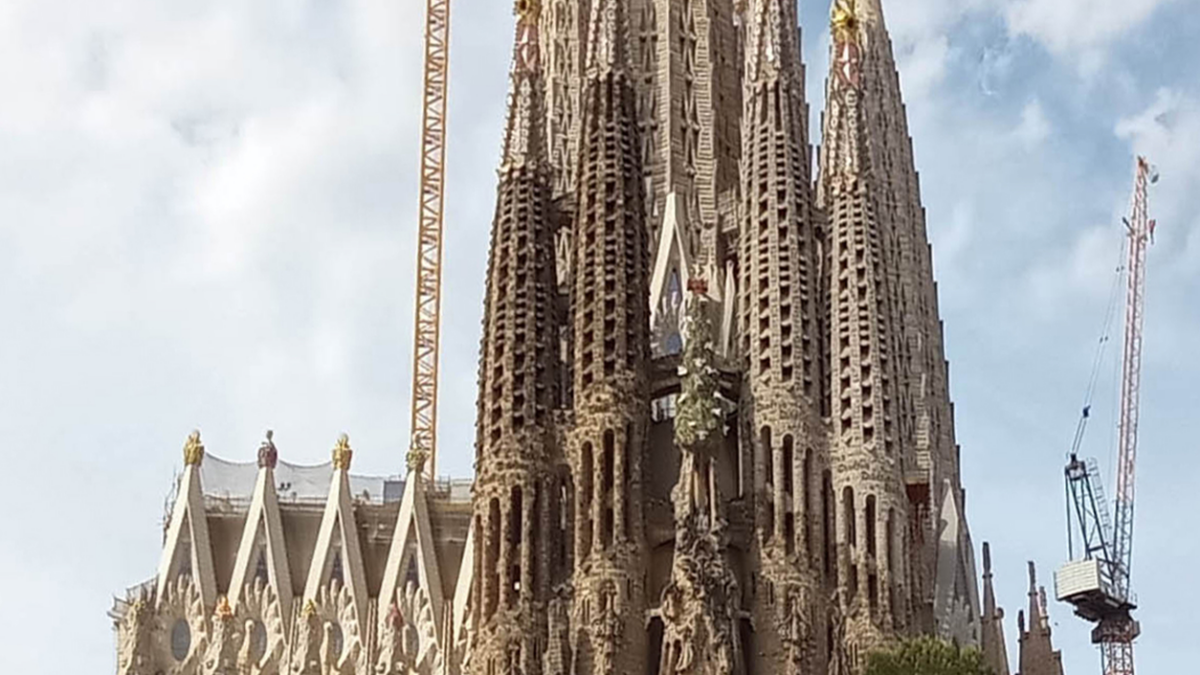
Barcelona is one of the most pickpocketed cities in Europe. Knowing where and how they operate is the entire skill of enjoying this city without losing your phone. This is the stuff you Google after you land — not the Gaudí hype, but the metro door trick, the beach towel trap, and the real reason locals never keep their wallet in a back pocket.
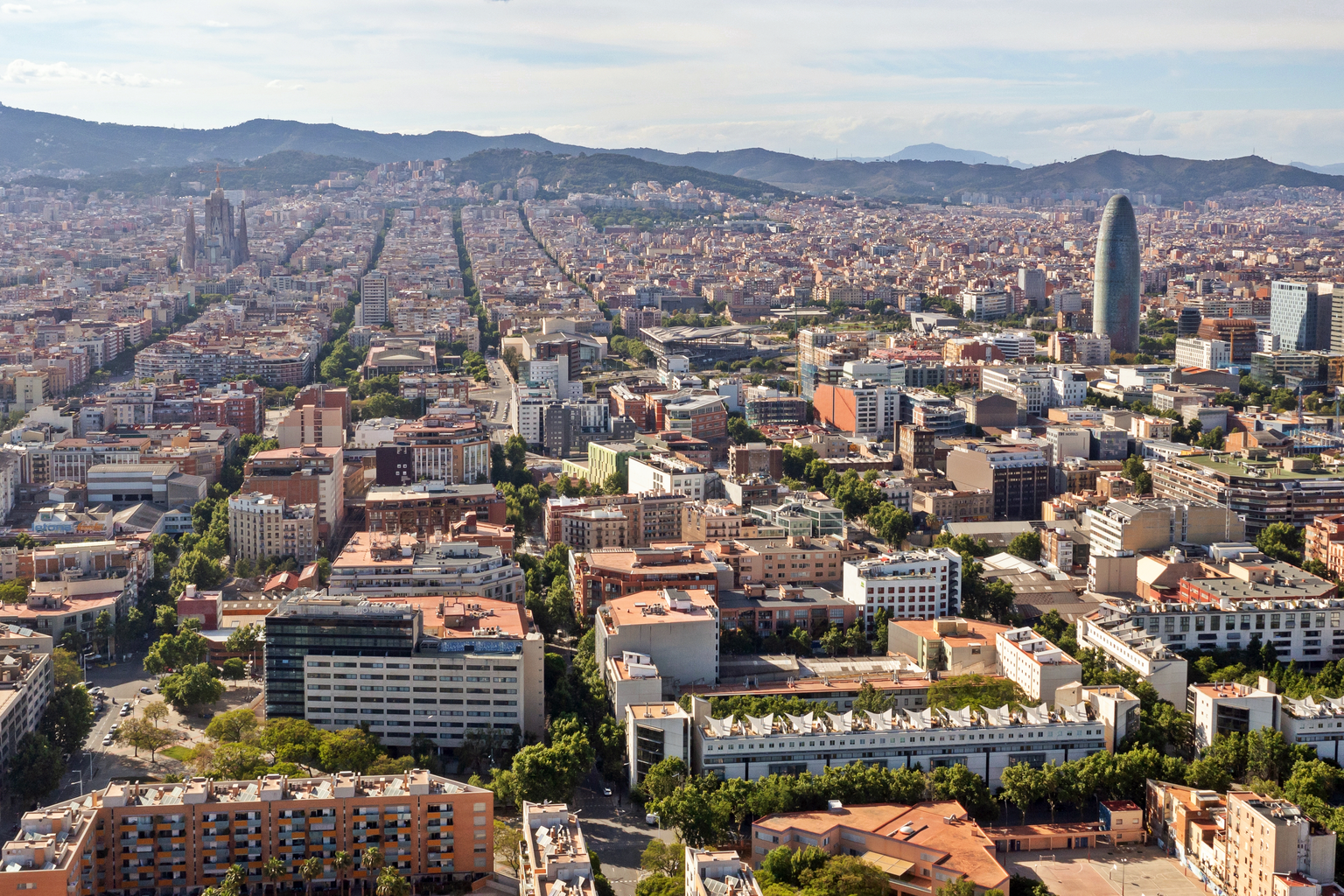
What This Guide Covers
This is your operational survival kit for Barcelona. Each cluster below answers a specific question you’ll have on the ground — from avoiding thieves to navigating Sunday closures, from tapping your phone for a croissant to knowing what to say in Catalan. Click any tile for the deep dive:
- Scams & Pickpocketing – the exact cons, the exact places
- Per-Neighborhood Safety – which blocks to skip after dark
- Night Transport & Walking Home – last metro, night buses, safe routes
- 24/7 Services – pharmacy rotation, supermarkets open late, ER access
- Cash, Card & Tipping Reality – when you need coins, when you don’t
- Arrival Setup – eSIM, tap water, plug type, must-have apps
- Insider Secrets – where locals actually eat, drink, and skip the queue
Read any section you need now. The rest is context that’ll save you hassle.
The One Thing You Cannot Ignore: Pickpocketing
You’ve heard it before, but this is concrete. Barcelona has the highest density of pickpockets in Western Europe. It’s not random — it’s orchestrated, and it happens in predictable places. Here’s the map of risk:
- La Rambla – the entire stretch from Plaça de Catalunya to the Columbus statue. Walk it once for the experience, then never again. Keep your bag zipped and in front, phone tucked away. Do not stop for anyone.
- Metro lines 1, 2, 3, and 4 in tourist zones – especially Liceu, Drassanes, Sagrada Família, and Passeig de Gràcia stations. The classic trick: an accomplice blocks the door just as it’s about to close, you’re distracted, the second person grabs your phone from your hand or pocket, they step out, doors close, you’re gone. This happens most frequently on Line 3 between Liceu and Catalunya at midday, and on Line 2 between Sagrada Família and Monumental during the late afternoon rush. If you’re standing near the doors, keep your phone zipped inside a bag, not in your hand.
- Barceloneta beach – never leave your things on the towel while you swim. Not even for 30 seconds. Groups work in pairs: one engages you, the other lifts your bag. Use a beach locker at Barceloneta (€5–10) or bring a waterproof pouch you wear into the water. The lockers are located near the main promenade, opposite the Hotel W. Book online via the Barceloneta Beach website or use the LockerApp – they accept card payments. If you’re on a budget, share one locker with a friend and take turns watching the towel.
- Sagrada Familia ticket line – the queue outside is a feeding ground. Keep your belongings in front pockets or a cross-body bag that zips. No backpacks accessible without taking them off.
- Busy squares like Plaça de Catalunya, Plaça Reial, and the Born area – same pattern. Distraction, grab, vanish. In Plaça Reial, the scam often involves someone asking you to take a photo with their expensive-looking camera – while you’re focused, an accomplice lifts your bag.
Never keep your wallet or phone in a back pocket. Never hang your bag on the back of a chair at a café. Never put your phone on the table. Yes, it’s that persistent. If you’re still paranoid, get a money belt or a zippered pouch worn under clothing for your passport and backup card.
What to Do If You’re Robbed
File a police report at the nearest Mossos d’Esquadra station (the Catalan police, not national police). They’ll give you a denuncia (complaint number) – essential for insurance claims. For lost or stolen credit cards, call your bank immediately. For a stolen phone, use Find My iPhone/Android remotely. The police non-emergency number is 088. For emergencies, dial 112 (EU-wide) or 091 (national police). Lost phones often end up in the Carrer de la Verge area – a known black market – but don’t go there yourself. If you have travel insurance, file the denuncia within 24 hours; most policies require it. The Mossos station in the Gothic Quarter on Carrer de Sant Pere Més Baix is usually less crowded than the one at Plaça de Catalunya.
If You Land on a Sunday at 11pm and Need Essentials
This is a realistic scenario: your flight arrives late, the metro is still running (until midnight), but shops are closed. Most supermarkets near major stations are shut by 10pm on Sundays. Your options: 24-hour gas station shops on Avinguda Diagonal (look for Repsol or Petronor) sell water, snacks, SIM cards, and basic toiletries – expect to pay €4 for a bottle of water and €6 for a phone charger. For a proper supermarket, head to Carrefour Express at Sants station (open until 10pm on weekends, but 11pm on weeknights). If you arrive at El Prat airport after midnight, the Hostal Centro Gran Vía near Universitat metro has a 24-hour reception that sometimes sells basic items. Better option: pack a small emergency kit with a travel adapter, a decongestant, and a spare phone cable in your carry-on. You can survive one night without a pharmacy – but not without water and a place to charge your phone.
When to Eat: Late Dinner Culture Is Real
Tourists show up at 7pm to a restaurant that’s empty and get handed a “tourist menu” — overpriced, mediocre paella and sangria. Locals dine between 9:30pm and 11:30pm. Bars are quiet until midnight, then fill up until 3am or later on weekends (especially in Gràcia, El Born, and Raval). If you must eat early, look for tapas bars that do continuous service (e.g., barra central spots in La Boqueria market or places like Bar Pinotxo in the morning). Otherwise, adjust your rhythm: have a late afternoon snack (merienda) around 5pm, then dinner at 10pm. Reservations recommended for good places – they’re not just for tourists. For example, Can Culleretes (Carrer d’en Quintana, Gothic Quarter) fills up by 9pm – book via TheFork or call +34 933 17 64 85. On weekends, many kitchens close between 4pm and 8pm, so plan your meals accordingly: have a proper lunch between 1:30pm and 3pm, then a late dinner.
Sunday Closures: Less Strict Than Berlin, but Still Tricky
Barcelona is not a Sunday shutdown like Germany, but small local shops often close. Large supermarkets (Carrefour, El Corte Inglés, Mercadona) and shopping malls like Maremàgnum and La Maquinista are open on Sundays, usually 10am–9pm or shorter hours. Local bakeries, farmàcies (pharmacies), and corner shops may close or have reduced hours. Check Google Maps for specific places. Pharmacies post a rotating schedule – look in the window or ask your hotel. For essentials, 24-hour gas station shops (like those on Avinguda Diagonal) sell snacks, water, and basic toiletries but at a markup. If you need a real supermarket on Sunday, head to a big chain in a central location – Carrer del Paral·lel near the port usually has a Carrefour open. For a pharmacy, use the Farmàcies de Guàrdia app to find the nearest one on duty. On Sundays, many pharmacies in the centre (e.g., Farmàcia Clapés on La Rambla) rotate, but check the schedule posted in the window – it’s legally required.
Catalan vs. Spanish: The Language Reality
Street signs, menus, and metro announcements appear first in Catalan. Gràcies (thank you), bon dia (good morning), sisplau (please). Spanish (Castellano) is second, but everyone understands it. In tourist zones, English works. But a basic attempt at Catalan is genuinely appreciated – say “Bon dia” when entering a shop or “Molt bé” (very good). It won’t get you a discount, but it signals respect. Many locals are bilingual and will switch to Spanish or English if you struggle. The independence movement has heightened linguistic awareness; avoid making jokes about Catalan being “just a dialect.” When ordering at a bar, use the Catalan phrases: “Un cafè, si us plau” (a coffee, please) or “Dos vermuts, gràcies.” If you get stuck, “No parlo català” works fine. In restaurants, the menu may be in Catalan first – don’t panic, just ask for the Spanish or English version. Most waiters speak at least basic English, especially in tourist spots.
Cash, Card & Tipping: What Actually Works
Cash-only zones
- Small tapas bars
- Market stalls (La Boqueria)
- Beach towel vendors
- Public restroom attendants
- Street performers (tips)
- Bicycle rental deposits
- Small souvenir shops
Card-friendly
- Metro ticket machines
- Major supermarkets
- Sit-down restaurants
- Beach lockers (online)
- Museum entrances
- Taxi rides
- Hotel payments
Cash-only zones
- Small tapas bars
- Market stalls (La Boqueria)
- Beach locker rentals
- Coins for €1-5 items
- Some bodegas
- Street vendors
- Small souvenir shops
Card-friendly
- Most restaurants
- Supermarkets
- Metro ticket machines
- Beach lockers online
- Major attractions
- Taxis
- Hotels
Barcelona runs mostly on cards. Visa and Mastercard are accepted almost everywhere, including small tapas bars, bakeries, and even some metro ticket machines (though the older machines at some stations only take cash – have €10–20 on hand). Apple Pay and Google Pay are widespread. The exception: very small stands at markets (like La Boqueria) or market stalls that may prefer cash for small amounts under €5. You do not need to carry large amounts of cash. ATMs (caixers) are plentiful but watch for dynamic currency conversion – always select to be charged in EUR, not your home currency. Banc Sabadell and CaixaBank ATMs near Plaça de Catalunya usually have lower fees (around €2–3 for foreign cards). Avoid Euronet ATMs – they charge higher fees and worse exchange rates.
If your card gets declined at a restaurant or shop, it’s often because the terminal requires a PIN for contactless transactions over €50 – insert the chip instead. Some small bars in Gràcia only accept Spanish-issued cards; a backup 10€ note saves the walk to an ATM. For metro ticket machines, the newer ones at Sagrada Família station accept cards, but the older models at Drassanes only take coins. Keep a few 1€ and 2€ coins for single tickets.
Tipping is minimal. For a coffee or a tapa at the bar, round up to the nearest euro (e.g., €2.80 → €3). In a sit-down restaurant, 5–10% is polite but not expected – many locals leave nothing or just the change. If service is exceptional, €2–5 on a €40 meal is fine. Do not tip with a credit card unless you specifically ask to add it – often the terminal doesn’t prompt. Leave cash on the table instead.
Tap water: It’s safe to drink (Barcelona has high-quality municipal water), but the mineral content makes it taste harsh – chlorine-like. Most locals drink bottled water at home, and restaurants usually serve bottled (either still or sparkling) for a small charge (around €1.50–3 per litre). You can ask for aigua de l’aixeta (tap water) and they’ll bring it free, but it’s rare. If you’re sensitive to taste, buy bottled. Otherwise, you’ll be fine – just don’t expect it to taste like spring water. In hotels, fill your bottle at the gym or ask reception for filtered water.
Beach Culture: What’s Nudity, What’s Not
Barcelona beaches are not clothing-optional overall. Topless is common for women at most beaches, including Barceloneta, Bogatell, and Nova Icària – nobody bats an eye. Full nudity is restricted to designated sections: Mar Bella beach has a nudist area at the eastern end (marked by signs or by the mix of nude sunbathers). Playa del Somorrostro is not officially nudist but tolerance is high. If you go nude outside designated zones, you might get a warning from police (yes, beach police exist). Also, don’t wander too far from the beach paths – the breakwaters can be steep and slippery. For a quieter beach, take the train from Sants station to Castelldefels (30 min, €6 return) – long sand, fewer crowds, and a nudist section at the far end. There, lockers are available at the Lockerpoint near the train station for €8 per day.
Sun, Heat & Siesta
Summer temperatures hit 30–35°C regularly, with high humidity. Hydrate constantly. Most museums, cafés, and shops have air conditioning; your hotel likely does too. The traditional siesta (2pm–4pm) is fading, especially in central tourist areas, but small independent shops (bookstores, clothing boutiques) may close for lunch. Don’t plan a late lunch at 3pm and assume any restaurant is open – many kitchens close between 4pm and 8pm. The heat makes late-afternoon sightseeing miserable anyway; do indoor activities, then emerge at 6pm. Bring a reusable water bottle; there are public fountains (canelles) throughout the city, especially in Gràcia and the Gothic Quarter – fill them for free, but note the water tastes better chilled.
Getting Around: Why Driving Is a Bad Idea
Don’t rent a car unless you’re leaving the city. Barcelona’s metro system covers almost everything. Parking is expensive and scarce, the narrow streets of the Gothic Quarter are barely passable, and Montjuïc hill has dangerously steep, tight curves that tourists scrape rental cars on daily. Use public transport.
- Metro runs 5am–midnight (Fri–Sat until 2am). Night buses (Nitbus) cover after midnight. The last metro from Catalunya to the airport (Line L9 Sud) departs at midnight – if you miss it, take the Aerobús night service (N17, €9.75) which runs every 20 minutes until 5am.
- T-dia (Day Pass): €11.35 for unlimited metro/bus/Tram for 24 hours. Valid from first validation. Worth it if you take 4+ rides. Single ticket is €2.55. If you’re staying 3+ days, get the T-casual (10 rides for €10.50) – but it’s personal, can’t share.
- Bicing: The city’s public bike rental is for residents only – you cannot register as a tourist (needs a Spanish ID and bank account). Use Donkey Republic or Bolt scooters instead. Donkey Republic bikes cost €12 for 24 hours (includes 2 hours of ride time, then €0.20/min) – find them at designated docks near Arc de Triomf and Plaça de la Universitat. Bolt scooters are around €1 to unlock + €0.20/min. Wear a helmet (not required by law but recommended).
- Hop-on hop-off buses: Skip them. They’re overpriced (€30+) and get stuck in traffic. The metro + walking is faster and cheaper. For a scenic route, take the Bus Turístic maybe once for orientation – but don’t rely on it for transport.
- Parking costs: If you must drive, expect €3–5 per hour in underground car parks (e.g., BSM at La Barceloneta charges €24 for 8 hours). Street parking is nearly impossible in the centre.
Drinking Like a Local: Cava, Vermouth & the Secrets
Two drinks define Barcelona beyond sangria (which tourists drink, locals rarely).
- Vermut (vermouth): Order vermut amb (with soda, an orange peel, and an olive) around noon as an aperitif. It’s a ritual – you’ll see bars with giant black bottles on the counter, serving small glasses. Try Vermouth Padró & Co. (Carrer de la Riera Baixa, Gràcia) or La Fábrica de Vermut (Carrer de la Diputació, Eixample). It’s sweet, aromatic, and ice-cold. Far better than a pre-dinner beer. A glass of vermut costs around €3–4 in a local bar; in touristy spots it can hit €7.
- Cava: Catalonia’s sparkling wine. Order it at any meal, but especially at dinner. A bottle in a supermarket costs €5–10 for decent quality; in a restaurant expect €12–20. The most famous producer is Freixenet, but for local preference, look for Recaredo or Gramona (brut nature). In a restaurant, ask for “cava brut nature” – it’s dry and pairs well with seafood. Avoid “cava semi-seco” if you don’t like sweet.
Catalonia Independence & Protests
Yes, tensions exist. Most of the time, Barcelona is calm. Large protests happen on key dates: September 11 (La Diada), the annual pro-independence demonstration in the city center, can draw hundreds of thousands, blocking streets and closing metro stations temporarily. October 1 and October 12 also see occasional rallies. Usually peaceful, but check local news before those dates. La Rambla may be closed early. If you’re caught in a march, step into a side street and wait. Tourists are never targeted; the movement is political, not anti-visitor. Avoid wearing Spanish flag colors if you don’t understand the nuance, and don’t engage in arguments about independence – it’s a complex issue with strong feelings on both sides. The Mossos d’Esquadra handle protests professionally; they’ll redirect traffic and metro lines. On La Diada (Sept 11), expect many restaurants to be closed near the demonstration route – eat in Gràcia or Eixample instead.
Festivals That Change Everything
- Sant Jordi (April 23): Barcelona’s version of Valentine’s Day + Book Day. The whole city is a flower and book market. No closures, everything runs normally but with crowds on the main streets (especially La Rambla and Passeig de Gràcia). Charming, not disruptive. Locals line up for signed books at stalls in Plaça de Catalunya – if you see a queue, join it, it’s part of the experience.
- La Mercè (September 24): The biggest festival, celebrating the city’s patron saint. Expect free concerts, street parades, castells (human towers), and fireworks over the beach. Some streets close, metro runs extended hours until 2am. If you’re in town, don’t miss it – but book accommodation early. The correfoc (fire-run) through Via Laietana is a highlight – wear closed shoes and old clothes, because people throw firecrackers. The Plaza de España hosts a free concert series; arrive by 8pm to get a spot. On September 23, there’s a midnight fireworks show at Plaça d’Espanya called the Piromusical – very popular, arrive early.
Emergency & Useful Numbers
- 112 – Universal EU emergency (police, fire, ambulance). Works from any phone.
- 091 – National Police (Policía Nacional) – for major crimes, lost passports. They have offices at the airport and at Via Laietana 43.
- 088 – Mossos d’Esquadra (Catalan police) – the local force handling most urban issues. Their station in Gràcia is at Carrer de la Riera de Sant Miquel, 1.
- 010 – City information line (Ayuntamiento de Barcelona) – for non-emergency city info, lost property enquiries, etc. Open Monday–Friday 8am–10pm, weekends 9am–8pm. They can also connect you to the lost and found office at Carrer de la Ciutat, 2 (Gothic Quarter).
- Airport lost and found: +34 93 298 38 38 – for items left on the Aerobús or in terminals.
For medical emergencies, dial 112. For non-urgent medical help, go to the Hospital Clínic (Carrer de Villarroel, 170) – they have a 24-hour emergency room. For dental emergencies, Dental Union on Carrer de Balmes has a 24-hour service; call +34 934 09 64 14. For pharmacies, use the Farmàcies de Guàrdia app or check the window of any pharmacy for the rotating schedule.
Insider Preview: What Locals Actually Do
Every guidebook tells you to see Gaudí. This one tells you how to see him without queuing three hours:
- Sagrada Familia: Book online at least three weeks in advance for a decent time slot. The secret: visit at 9am or 4pm on weekdays. Avoid weekend midday – it’s a bottleneck. The tower climbs are great but sell out fast; if you don’t get one, the main nave is enough. Tickets cost €26–38. For a cheaper option, just walk around the outside – the Passion Façade is free to view from the square.
- Gaudí’s other works: Park Güell also requires timed tickets (€10) – go early for the free section of the park (the monument area is paid). Casa Batlló and La Pedrera are stunning but expensive (€35–45); you can see the facades for free. Check if the Palau Güell is less crowded – it’s in Raval and offers a similar dose of Gaudí for a lower price (€12). The queue for Palau Güell is shorter than Casa Batlló’s.
- Beach beyond Barceloneta: Take the metro to Bogatell (L4, stop Bogatell) – wider, less crowded, cleaner. Or go to Nova Icària for family vibes. For a quieter day, head to Castelldefels (30 min by train from Sants station) – a long sandy stretch with fewer people.
- Vermouth bars locals use: Avoid the touristy El Xampanyet in Born (overhyped). Instead, go to Cal Pep in El Clot or La Vermutería de Gràcia (Carrer de la Mare de Déu de la Salut, 12). They pour proper vermouth with the ritual accompaniments (olive, orange, soda). Also try Casa Mariol in the Born – they produce their own vermouth and the atmosphere is authentic.
- Tapas vs. tourist menu: The Carrer de Blai in Poble-sec is lined with pintxos bars (Basque-style tapas on bread) – you grab what you want and pay by the toothpick (€1.50–2.50 per pintxo). Extremely local, reasonably priced. Avoid the “menu del día” at any restaurant that shows a laminated photo menu – it’s a trap. Instead, look for places where the menu is handwritten on a blackboard and the crowd is local. For really good paella, pre-order: Can Majó in Barceloneta requires 24-hour notice.
- Real Gràcia vs. touristy Gràcia: Vila de Gràcia (around Plaça de la Vila de Gràcia) is authentic. The “boho” part near Plaça del Sol is still nice but packed. For a quieter evening, go to the narrow streets around Plaça de la Revolució – fewer tourists, more locals with wine glasses on the steps. The Mercat de la Llibertat in Gràcia is a local market where you can buy fresh produce and eat cheaply at the counter – far less crowded than La Boqueria.
Triage: Situation → Cluster
Quick access guide to the sections that solve your specific problem on the ground:
- “I just got my phone stolen on the metro.” → Scams & Pickpocketing + emergency numbers above. Also call your bank to freeze cards immediately.
- “Is it safe to walk from El Born to Barceloneta at 1am?” → Per-Neighborhood Safety. Short answer: yes, along Via Laietana and Passeig de Colom, but avoid the backstreets of the Gothic Quarter after midnight.
- “Last metro at midnight? How do I get back to my hotel after 2am?” → Night Transport & Walking Home. Nitbus routes like N1, N2, N3 run from Plaça de Catalunya to most neighborhoods.
- “Where can I buy a phone charger at 1am?” → 24/7 Services. Gas stations on Avinguda Diagonal or the 24-hour kiosk at Sants station (but it closes at 1am on weekends).
- “Do I need cash for this tapas bar?” → Cash, Card & Tipping Reality. Usually no, but have a 10€ note for very small purchases.
- “How do I get from the airport to my hotel without being scammed?” → Arrival Setup (includes eSIM and transport details). The Aerobús (€9.75 one-way) is safe and reliable. Avoid unlicensed taxis.
- “Where do locals actually go for good tapas?” → Insider Secrets. For example, La Toma de Tèquila in Gràcia or Bodega 1900 in Poble-sec.
- “What if I get sunstroke or heat exhaustion?” → Find a pharmacy for rehydration salts (about €5). Emergency rooms at Hospital Clínic handle heat cases.
Closing: What Most Travel Guides Won’t Tell You
Most travel guides hype Gaudí, sunsets at Bunkers del Carmel, and the Gothic Quarter’s charm. That’s fine – but none of it matters if you get pickpocketed on La Rambla during your first hour. The metro door trick happens because the tourist isn’t paying attention – now you are. The beach towel theft is avoided with a €5 locker booking. The tourist menu is sidestepped by eating at 10pm. Barcelona is not a dangerous city; it’s a city that rewards awareness. Keep your wits, your phone in your front pocket, and your curiosity aimed at the culture, not the souvenir shop. You’ll leave with your belongings and a genuine sense of Catalonia – and that’s the whole point.
Neighborhood Snapshot
La Rambla
Iconic promenade, high pickpocket risk, walk once then avoid.
Barceloneta
Gothic Quarter
Medieval streets, bars, and shops; busy with tourists.
El Born
Boutique shops, tapas bars, and a vibrant nightlife.
Gràcia
Independent shops, plazas, and local vibe away from crowds.
Eixample
Wide streets, Modernist architecture, and upscale dining.
Poble Sec
Authentic tapas, theaters, and Montjuïc park access.
Raval
Multicultural, gritty, with street art and cheap eats.
Arrival Setup — The Money-Savers
The first hour after you land sets the tone for the trip. Two moves that pay for themselves: