Prague
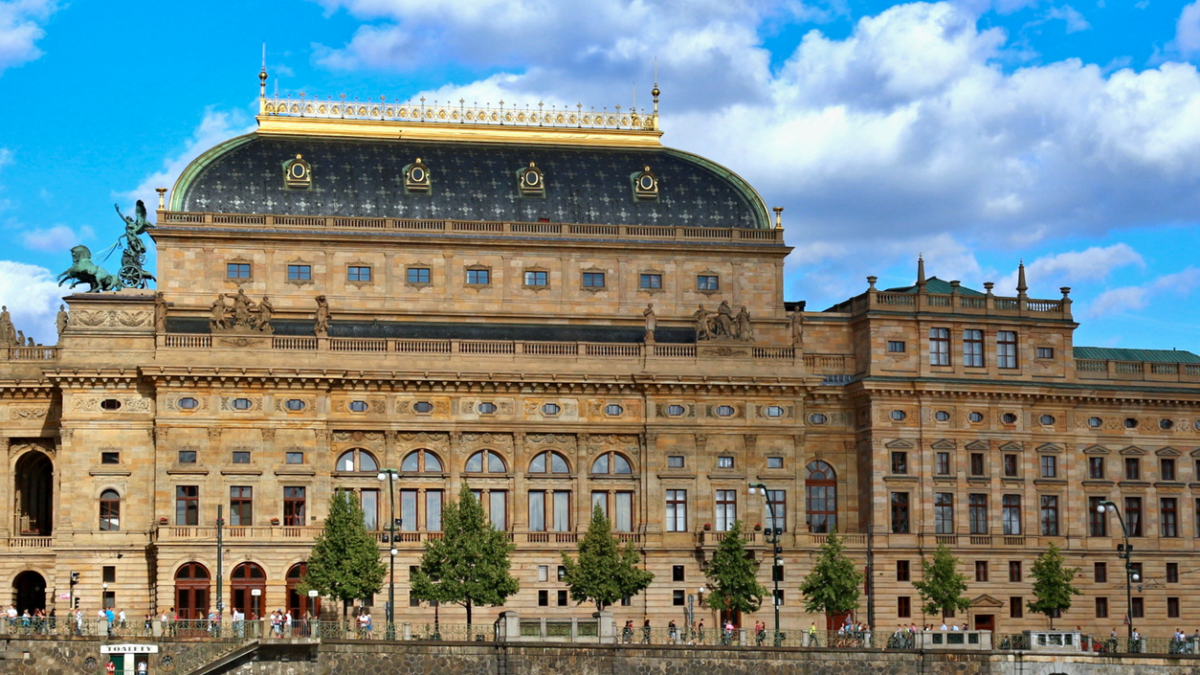
Prague is one of Europe’s most-scammed cities. Not because it’s dangerous — because tourists assume EU = safe rules. The taxis are the worst in Europe, the menus quote EUR for triple pricing, and the trdelník you’re eating isn’t even Czech. This guide skips the Charles Bridge selfies and tells you exactly what goes wrong, how to avoid it, and what to do when it does. It’s written for the moment you land, your card gets declined, or you’re trying to figure out why the hell your 90-minute tram ticket didn’t work.
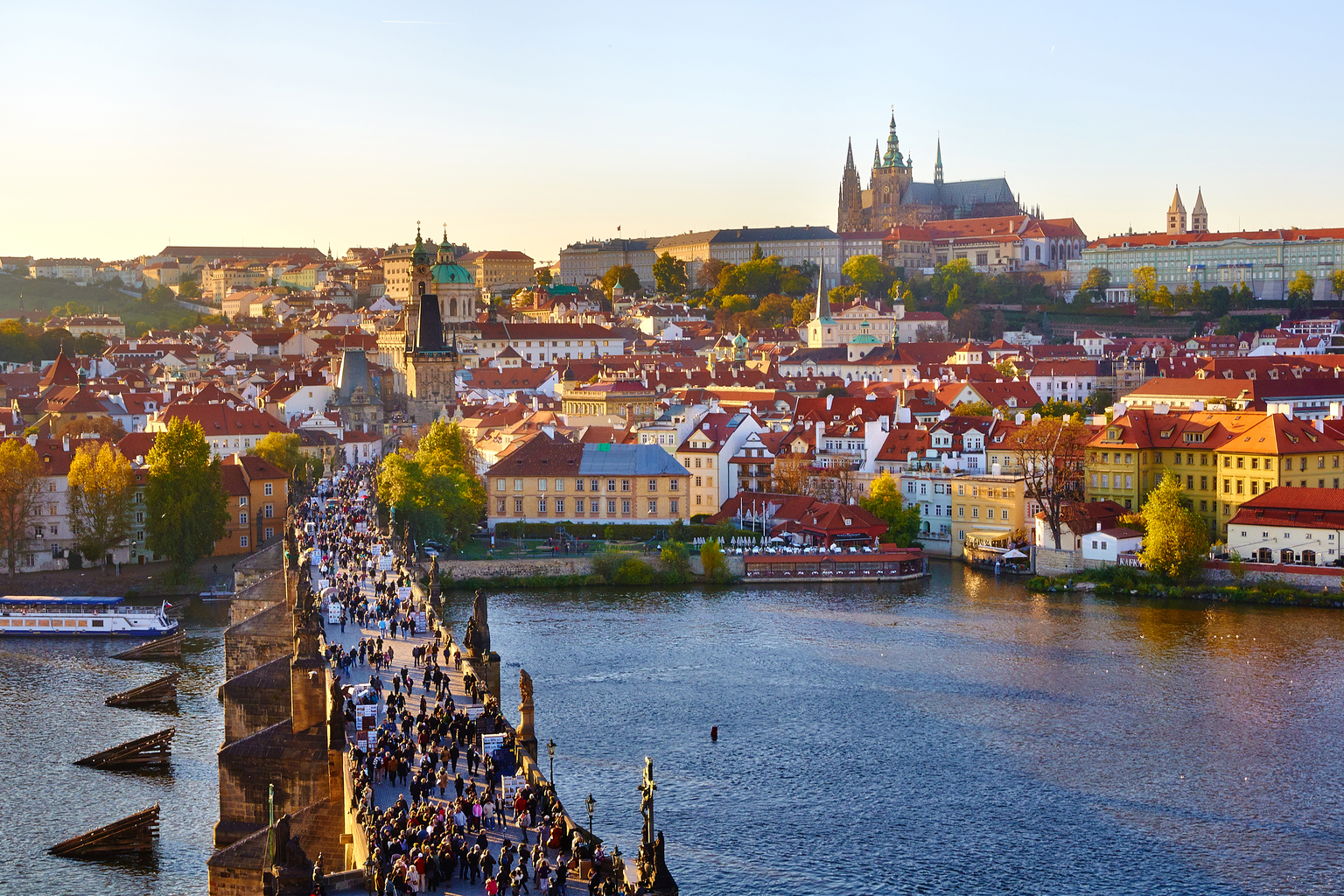
What This Guide Covers
Every section below links to a dedicated deep-dive on a specific cluster of survival topics. Bookmark them for when you’re on the ground.
- Prague Scams — The full playbook of Old Town tricks, ticket scammers on trams, and the “0% commission” exchange booths.
- Safe Neighborhoods — Which districts are safe at night, which are sketchy, and where to stay if you want to avoid drunk tourists.
- Night Transport — Last metro times, night tram routes, and how to get home after the beer halls close.
- 24/7 Services — Late-night pharmacies, emergency grocery loopholes, and where to get cash at 3 AM.
- Money & Tipping — Currency realities, ATM strategy, hidden fees, and the actual tipping rules.
- Arrival Setup — From airport to city, SIM card, and the first things you should do before checking in.
- Insider Secrets — The real Czech beer halls, the non-touristy viewpoint, and why Petřín Hill beats Charles Bridge.
Arrival Setup — Land, Don’t Get Ripped Off
You arrive at Václav Havel Airport (PRG). There’s a taxi rank right outside the arrivals hall — ignore it. The official rank is called “Taxi Prague Airport” and they do have fixed prices to the center (around 490 Kč according to their tariff), but many drivers still try to overcharge by claiming “extra luggage fee” or a “night surcharge.” Better to use your phone before you even leave the arrivals hall.
- Bolt — €12–16 (300–400 Kč) to most central hotels. It’s your best bet. The pickup zone is on the left when you exit, near the bus stops.
- Bus 119 + Metro A — 40 Kč ticket. Bus 119 takes you directly to Nádraží Veleslavín (20 mins), then metro line A to the center. Works well if you carry light. Validate your ticket in the bus or at the metro station entrance.
- Airport Express (AE) bus — 100 Kč, non-stop to Hlavní nádraží (main train station). Runs every 30 minutes. Also stops at Dejvická metro station.
If you need a local SIM, there’s a Vodafone shop in the arrivals hall and a T-Mobile booth near the departure hall. A prepaid data SIM with 10 GB costs around 300 Kč. You can also buy an eSIM from Airalo or Holafly before you leave. For more arrival details, see our full Arrival Setup guide.
The Taxi Mafia — Don’t Hail, Pre-Book
Prague taxis are notorious. The standard game: driver claims the meter is broken, quotes a flat fare of €50 for a 10-minute ride, or “accidentally” triples the tariff. This is not an exaggeration — never hail a taxi from the street near tourist sites like Old Town Square, Wenceslas Square, or the train station (Hlavní nádraží). The taxi stand in front of the main station is particularly predatory — drivers will quote 1,000 Kč to go 2 km to Mustek.
Instead, use ride-hailing apps:
- Bolt — works well, prices typically 200–400 Kč from airport to center.
- Liftago — Czech app, drivers are vetted, you can see ratings.
- Uber — available but sometimes surge; still safer than a street taxi.
If you absolutely must call a traditional taxi, use AAA Radio Taxi (+420 222 333 222). Their drivers are required to use the meter by law, and the dispatch can give you an estimated fare. Even so, check that the meter is running when you get in. A typical fare from the airport to the center via AAA should be around 500–600 Kč. If you’re at a hotel, ask the reception to call a taxi — but beware: some hotels have a deal with a specific company that overcharges. Always ask for a price estimate first.
Our full scams guide has the “fake taxi rank” trick near the airport bus stops — don’t fall for it.
Money — Koruna, Not Euro
Cash-only zones
- Public toilet attendants
- Small market stalls
- Some beer halls
- Tram ticket machines (coins only)
- Exchange booths (avoid)
- Street food vendors
- Tips for tour guides
Card-friendly
- Supermarkets (Albert, Billa)
- Restaurants in center
- Bolt rides (app)
- Metro ticket machines
- Museum entrances
- Pharmacies
- Hotel payments
Cash-only zones
- Public toilets
- Small markets
- Some beer halls
- Tram ticket machines
- Exchange booths (avoid)
- Street food stalls
Card-friendly
- Supermarkets
- Restaurants
- Trams (contactless tap)
- Museums
- Bolt rides
- Hotels
- Pharmacies
Prague uses the Czech koruna (CZK, Kč). The approximate rate is 25 Kč = €1 (check live rates before your trip). Many restaurants, bars, and shops in the Old Town display prices in both currencies — and the EUR price is almost always a triple markup. Always pay in Kč. If the bill in EUR looks higher than the CZK equivalent, insist on paying in koruny.
The “0% Commission” Exchange Booth Scam
Tourist exchange booths around Old Town Square, Wenceslas Square, and on Karlova Street advertise “0% Commission” in huge letters. What they don’t tell you: the exchange rate is half the real rate. You’ll lose 40–50% of your money. Avoid them completely. This includes the chains like “Exchange TIP” and “Exchange Changer” on Václavské náměstí. They will show you a rate board with the official mid-market rate in microscopic font, but the actual rate they give you is much worse.
Instead, withdraw cash from a bank ATM at a branch of ČSOB, Komerční Banka, or KB (Czech banks). The best ones are inside bank buildings (they are less likely to be tampered with). Reject the dynamic currency conversion (DCC) — you’ll be charged in your home currency at a bad rate. Always choose the option to be charged in CZK. If the ATM offers you a rate conversion, say “No” and proceed in Czech koruny.
What if your card is declined?
It happens often — some US-issued cards get blocked by Czech bank ATMs, or your bank flags the transaction as suspicious. Call your bank before leaving to notify them. If it still fails, try a different bank’s ATM (KB and Česká spořitelna work best with foreign cards). If all ATMs decline, head to a bank branch during opening hours (Monday–Friday 9 AM–6 PM) and request a cash advance over the counter with your card and passport. Or use a currency exchange inside a bank (e.g., ČSOB’s exchange desk) — they give a reasonable rate, not the 0% scam rate.
Cards are accepted almost everywhere now — including most restaurants, grocery stores, and even some street food stalls. But keep a few hundred Kč cash for small cafés (kavárna), traditional beer halls (pivnice), and taxi rides (if you hailed one without an app). American Express is not widely accepted — stick to Visa or Mastercard.
See our full money guide for exact ATM names and a breakdown of hidden fees.
Public Transport — Cheap, Clean, and Brutal on Fines
Prague’s metro and tram network (operated by DPP) is excellent. A single ticket valid for 90 minutes costs 40 Kč (around €1.60). You can buy paper tickets at metro station vending machines (cash/card) or use contactless payment directly on the validator — tap your card or phone on the orange device at the station entrance or inside the tram. The system charges you a 90-minute fare automatically (40 Kč) with a daily cap (max 120 Kč).
Ticket Types and Contactless Tips
- 30-minute ticket — 30 Kč (worth it only for metro-only straight trips).
- 90-minute ticket — 40 Kč (covers most trips plus transfers).
- 24-hour pass — 120 Kc (printed paper ticket validated at first use, or contactless card tap that auto-caps). If you tap with a card or phone, you’ll never exceed 120 Kč per day.
- 72-hour pass — 330 Kč (available at metro vending machines only, not via contactless tap).
Contactless tap is simpler. However, you must tap at the start of every trip — even if you’re transferring within the same journey, you only tap once per trip (the system knows you’re still within the 90-minute window). If you don’t tap at all, you’re considered without a ticket and subject to a 1,500 Kč fine. The fine for plainclothes controllers is immediate and non-negotiable.
Plainclothes Controllers — Serious Business
Ticket inspectors wear plain clothes and can appear at any moment. If you bought a paper ticket, you must validate it in the yellow stamping machine before boarding. If you tapped contactless, you’re fine. If you’re caught without a valid ticket — even if you just forgot to stamp it — the fine is 1,500 Kč (€60) on the spot, and they will call the police if you don’t pay. There is no tolerance: no “but I didn’t know” excuse. It’s one of the most common tourist mistakes, and Czech inspectors enforce it strictly. If a plainclothes person asks to see your ticket, they will show an official badge and a handheld terminal. Scammers sometimes impersonate them — but real inspectors issue a fine receipt, not ask for your passport or cash in hand.
Night Transport
The last metro runs around midnight. After that, a network of night trams (numbers 91–99) and night buses (50-series) covers the city. They run every 20–30 minutes all night. The hub for night trams is the junction of Lazarská and Spálená in the center — you can transfer between multiple night lines there. The same tickets apply — validate when you get on. For specific routes, check our night transport guide.
Beer, Water, and the “Cheaper Than Water” Myth
It’s true: a 0.5L Pilsner Urquell in a standard pub (hospoda) costs 50–80 Kč (€2–3.20). Tap water (kohoutková voda) is served in a small glass and costs a similar price — sometimes even more. Yes, Czech restaurants charge for water, and they expect you to order beer or another drink.
If you want a non-alcoholic option, ask for “malinovka” (fruit syrup with soda) or “džus” (juice). Both are cheaper than bottled water. Bottled mineral water (with gas or still) costs 40–60 Kč per 0.33L. Or order a “soda” — they’ll bring a small bottle of soda water.
Tap Water Safety
Prague’s tap water is safe to drink. It comes from reservoirs and is treated to high EU standards. But Czechs rarely drink it at restaurants — they order bottled. Carry a refillable bottle and fill up at your hotel. If you ask a waiter for tap water, they’ll bring it but charge you for it (usually 20–30 Kč for a small glass). So either order bottled, or buy a 1.5L bottle at a supermarket (around 15 Kč) and fill from that. Never assume free tap water like in Northern Europe.
Real Czech Food vs. Tourist Traps
Czech cuisine is hearty: svíčková (beef sirloin in cream sauce with dumplings), guláš (beef stew with bread dumplings), vepřo-knedlo-zelo (roast pork, dumplings, sauerkraut), and polévka (soup). These are the real deal. A proper meal in a pub costs 150–250 Kč. For a cheap lunch, order smažený sýr (fried cheese with tartar sauce and fries) — around 120 Kč. Or pick up a chlebíček (open-faced sandwich) from a bakery for 30 Kč.
Avoid the “Prague ham” carts near Old Town Square — they charge 200 Kč for a thin slice that’s been sitting under a heat lamp. Not worth it. Also avoid the “Prague Beer Museum” on Smetanovo nábřeží — it’s a tourist trap with overpriced beer and food.
The Trdelník Lie
Trdelník (a rolled, grilled pastry topped with sugar and sometimes ice cream) is sold everywhere as “traditional Czech.” It’s not. It originated in Slovakia and became a tourist gimmick in the 2000s. Buy one if you want a sweet snack, but don’t think you’re experiencing Czech culture. Real Czech pastries: koláč (a filled bun with poppyseed, jam, or tvaroh) and buchty (yeast buns with filling). Find them at a pekárna (bakery) like Pekárna Kabát (multiple branches) or a local shelf in supermarkets.
Tipping — Less Than You Think
Tipping is not mandatory in Prague. Locals usually round up to the nearest 10 or 20 Kč, or add 5–10% in restaurants if service was good. Say “děkuji” and hand the rounded amount. Don’t leave coins on the table — give cash directly or tell the waiter the total you want to pay when they bring the card machine. In beer halls, it’s common to say “platit” (pay) and then say the total including a small round-up. Bartenders don’t expect tips; locals rarely tip at the bar.
Taxis: round up to the nearest 10 CZK. Ride-hailing apps handle tip via the app (usually 0–5%).
Sundays and Holidays — Plan Ahead
Many shops in Prague close on Sundays and public holidays. This includes small grocery stores (potraviny) and most non-tourist businesses. Exceptions:
- Big supermarkets (Billa, Albert, Tesco) in central areas — often open 8am–8pm on Sundays, but reduced hours on holidays.
- Tourist souvenir shops and some convenience stores near Old Town Square stay open.
- Pubs and restaurants — almost all open, including holidays.
If you land on a Sunday at 11pm: The airport shops close at 10pm, but there is a 24/7 convenience store called Rychlá směnka at Můstek (Vodičkova 15). It sells basic groceries, beer, and toiletries. For a full meal, head to Lokál (on Dlouhá) — open until midnight Sunday. Your best bet for cash is an ATM at the airport or one at Hlavní nádraží (main train station) — but reject DCC. You’ll find a pharmacy at Masaryk Hospital or a schedule of rotating late-night pharmacies at any pharmacy door (see our 24/7 services guide).
Plug Type and Electricity
Prague uses Type E sockets (round 2-pin with a male grounding hole). The voltage is 230V 50Hz. Any Schuko-compatible adapter (the standard European plug) will work. Most hotel rooms also have the old Type C sockets (Europlug) that fit the same flat plug. If you’re coming from the US, bring a universal adapter with surge protection. Many newer hotels have USB charging ports, but don’t rely on it.
Safety, Scams, and Pickpockets
Prague is a safe city overall — violent crime is rare. But scams and pickpocketing are endemic, especially in the tourist triangle: Old Town Square, Charles Bridge, Wenceslas Square, and the Castle steps. Keep your wallet in a front pocket or a cross-body bag with a zipper.
Common Scams
- Taxi meter “broken” — see above.
- Exchange booth “0% commission” — see above.
- Bill overcharge — check your bill at restaurants. Some add “service charge” that isn’t real.
- Fake ticket inspectors — see above.
- Street betting or shell games — near the Astronomical Clock. It’s always rigged.
- Pickpocket hotspots — Tram 22 from the Castle to the center is famous for crowded traps. Keep your bag in front when squeezing through doors. Also watch out at the escalators at Muzeum metro station (Museum interchange) — pickpockets stand below you and reach into back pockets as you ride down.
- Fake charity collectors — near Charles Bridge, people in vests with clipboards asking for “donations for disabled children.” They are not legal. Say “ne” and walk.
- “Find the ring” scam — someone in front of you drops a ring, then asks if it’s yours, then demands money for its “return.” Ignore it.
- Contactless payment scanner scam — a person carrying a hidden card reader bumps into you in a crowd, trying to scan your wallet. Keep your contactless cards in a shielded sleeve or inside a zipped inner pocket.
For a full breakdown of every scam by location, read our Prague scams page.
Safe vs. Sketchy Areas at Night
Most of central Prague is well-lit and busy until late. Vinohrady and Karlín are safe, residential neighborhoods with good restaurants. Žižkov is a bit rough around the edges but not dangerous. Avoid the park near Hlavní nádraží after dark (drug scene). Palmovka and some parts of Anděl can feel sketchy late at night but are still generally safe if you’re alert. Our neighborhoods guide goes into detail per district.
Prague Castle — Free Grounds, Paid Buildings
Prague Castle is a complex, not a single building. Entry to the grounds — including the courtyards, the gardens, and the view — is free. To enter St. Vitus Cathedral, the Old Royal Palace, Golden Lane, and the other interior buildings, you need a combined ticket: 250–450 Kč depending on the circuit (basic or all-inclusive).
Buy tickets at the visitor center or online in advance (queues can be long at St. Vitus). Allow 2–3 hours for the full complex. Avoid the 1–3 PM peak if possible. The changing of the guard happens at noon in the first courtyard — worth a quick look.
Drug Dealing on Charles Bridge at Night
It’s real: after dark, especially after 10 PM, young men walk along Charles Bridge offering “marjánka” (marijuana) or “pady” (apparently ecstasy). They are small-time dealers targeting drunk tourists. Just ignore them. Don’t make eye contact, don’t engage. Czech police occasionally patrol and every now and then conduct a sweep, but they won’t intervene unless you’re buying. If a dealer gets pushy, a firm “ne, díky” (no thanks) works.
Emergency Numbers
- 112 — EU-wide emergency (works for all services)
- 158 — Police (Policie ČR)
- 155 — Ambulance (Záchranná služba)
- 150 — Fire (Hasiči)
Operators speak English at least at central dispatch. If you are a victim of theft or scam, go to the nearest police station. The Tourist Police have English speakers at the station on Krakovská 14 (just off Wenceslas Square). For non-emergency theft (lost wallet, pickpocketed), you can file a report online at https://portal.policie.cz (Czech only), or use the Česká pošta lost & found service for lost items left in taxis or public transport. For items left on a tram or metro, contact DPP lost & found at their depot in Zvonařka (www.dpp.cz) — they hold items for a few days before sending to city lost property.
Insider Preview — What Most Tourists Miss
This is the stuff no typical guide tells you. Here’s a taste; the full insider secrets guide has more.
- Real beer halls (pivnice): Avoid the tourist bars on Staroměstské náměstí. Go to U Fleků (classic, but touristy) or U Kunštátů (less touristy). For a genuine experience, head to U Bieleho Lígri or Lokál chain — the latter serves tanková Pilsner and food exactly as it should be. To order beer like a local, say “Jedno pivo, prosím” (one beer, please) and they’ll bring a 0.5L.
- Best non-touristy view: Not the TV Tower or the Castle roofs. Climb Petřín Hill (take the funicular from Újezd). The observation tower at the top (Petřínská rozhledna) — 299 steps — costs 150 Kč and gives a panorama that’s less crowded and more beautiful than the Castle. The funicular costs the same as a normal transport ticket (40 Kč for 90 min, or use your 24-hour pass). Or simply walk up the hill for the best view of Prague Castle from the Gröbovka vineyards.
- Why Petřín Hill beats Charles Bridge: Charles Bridge at 9 AM is a shuffle of elbows. Petřín Hill at sunset is quiet, green, and offers a view you’ll actually want to photograph. Plus, the rose garden and the Hunger Wall are right there. Walk up (20 min) or take the funicular — either way, you leave the crowds behind.
- Letná Park: At the top of the stairs near the metronome, you get a sweeping view of the city. Locals sit on the grass with beer from a nearby kiosk (the beer garden is at Letenský zámeček). Take tram 1, 2, 5, 8, 12, 25, or 26 to the “Letenské náměstí” stop, then walk up. The sunsets here are incredible.
- Trdelník skepticism: Again, you’ve been warned. If you want a real Czech sweet, try a kobliha (doughnut) from a bakery or a knedlík at a pub.
- Tram 22 sightseeing: Hop on tram 22 from Náměstí Míru to Bílá Hora — it passes through Vinohrady, the National Museum, Wenceslas Square, Lesser Town, and up to the Castle. Validate a 90-minute ticket and enjoy a cheap city tour.
- Free refill of beer? In some old-school pubs, if you order a large beer (0.5L) and finish it, the waiter may automatically bring you another unless you say “děkuji” (done). To stop, place your coaster over the empty glass.
10 Common Tourist Mistakes in Prague (and How to Avoid Them)
This is the condensed list of errors that cost you time, money, or dignity. Skip them and you’ll already be ahead of 90% of visitors.
- Not validating your transport ticket. Paper tickets must be stamped in the yellow machine before you board. The fine is 1,500 Kč on the spot. Use contactless tap instead to avoid the hassle.
- Paying in euros. The exchange rate at restaurants is a scam. If a menu shows both EUR and CZK, ask to pay in CZK. If they refuse, walk out.
- Using street taxis. Never hail a taxi near tourist sites. Use Bolt, Liftago, or AAA Radio Taxi. A 10-minute ride should not cost more than 200 Kč.
- Buying trdelník and calling it “traditional.” It’s not Czech. You’re eating a recent invention. If you want a real local pastry, get a koláč at a bakery.
- Exchanging money at a 0% commission booth. They advertise the rate in tiny font. Use a bank ATM instead.
- Over-tipping. 10% is more than enough. 15% is not expected. Rounding up is fine. Don’t tip at bars.
- Expecting free tap water at restaurants. They will charge you as much as a beer. Order bottled water or a cheap non-alcoholic drink.
- Walking Charles Bridge at peak hours (10 AM–4 PM). Go at sunrise or after 9 PM. Otherwise, take the Mánes Bridge or walk Petřín Hill instead.
- Staying only in the Old Town. You miss Vinohrady’s cafés, Karlín’s squares, and Žižkov’s beer gardens. Venture outside the tourist triangle.
- Not checking the bill for added service charges. Some restaurants include “table service” or “cover charge” that isn’t standard. Inspect every line.
Practical Hiccups — Coins, Toilets, Luggage
Toilets
Public toilets in Prague are not free. Expect to pay 10 Kč at metro stations, bus stations, and public parks. Always carry a stash of small coins (5 Kč, 10 Kč) for this purpose. In a pub or café, you can use the restroom for free after ordering, but don’t just walk in — some employees will ask if you’re a customer.
Luggage Storage
If you have early arrival or late departure, leave your bags at a storage service. The main options:
- Hlavní nádraží (main train station) — left luggage office open 6 AM–11 PM, costs around 100 Kč per piece per day. There’s also a self-service locker bank near exit 3.
- Florenc bus terminal — storage at the bus station.
- Airport — storage in both terminals, 80–120 Kč per 24 hours.
Triage — Situation to Cluster
If you experience:
→ A taxi overcharge or scam: Go to Prague Scams.
→ Lost wallet or felt unsafe: Safe Neighborhoods (also has police station locations, including Krakovská 14).
→ Need to get home after midnight: Night Transport.
→ Late-night medical issue or pharmacy search: 24/7 Services — includes rotating pharmacy schedule.
→ Currency confusion or tipping debate: Money & Tipping.
→ Setting up on arrival (SIM, luggage, airport): Arrival Setup.
→ Want to eat and drink like a local, not a tourist: Insider Secrets.
One Last Thing
Every other travel guide tells you to walk Charles Bridge at sunrise and take a photo of the Astronomical Clock. This guide tells you to walk Petřín Hill instead. The bridge is a rite of passage — do it once, early, before the crowds. But Petřín is where you’ll find air, space, and the skyline you came to see. Save time for it, and ignore the trdelník carts on the way up.
Oh, and tap water. It’s fine. Save your koruny for beer. And never hail a taxi — especially one with a sign that says “Taxi.” Pro tvoje vlastní dobro (for your own good).
Neighborhood Snapshot
Staré Město
Historic center with Old Town Square, astronomical clock, and crowds.
Malá Strana
Charming district below Prague Castle, full of palaces and gardens.
Hradčany
Home to Prague Castle; free grounds, paid buildings.
Nové Město
Modern center with Wenceslas Square, shops, and nightlife.
Vinohrady
Residential area with parks, cafés, and a local vibe.
Žižkov
Gritty, artsy district with pubs and a TV tower.
Smíchov
Calm riverside area with Anděl hub and good transport.
Dejvice
Diplomatic quarter near airport bus and metro A.