Bangkok
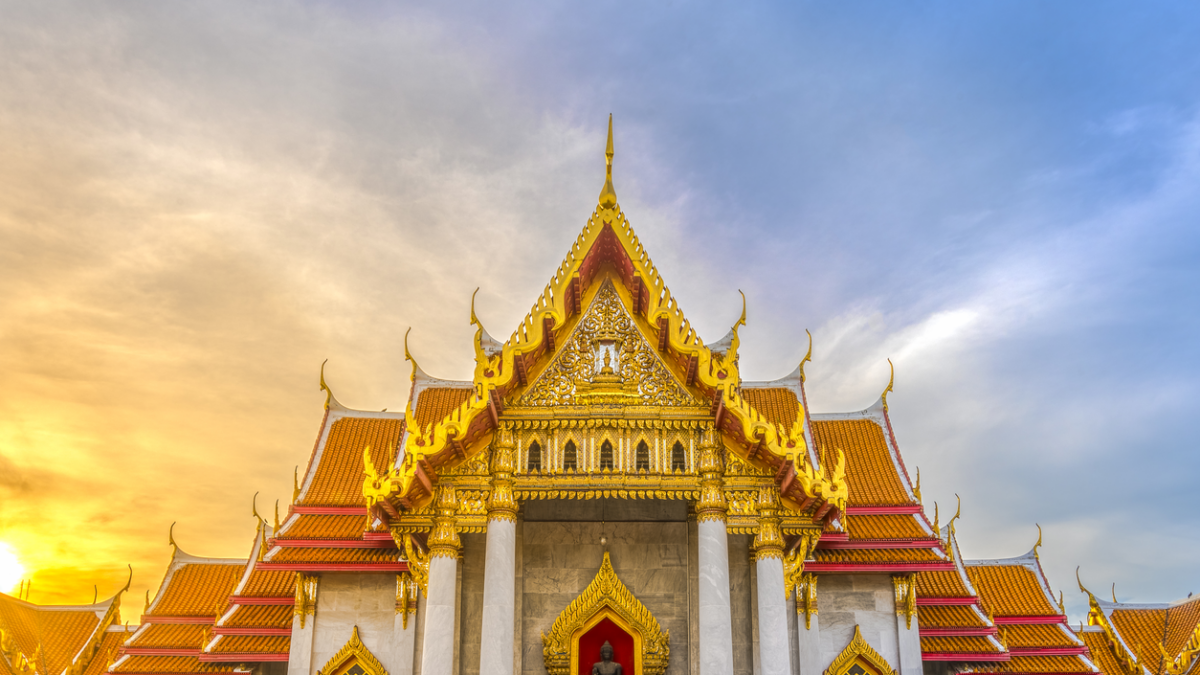
Bangkok rewards travelers who know two things — bargaining and the BTS. Everyone else pays the tourist tax. The difference between a 200 baht ride and an 80 baht ride is two words: “Meter, please.” The difference between eating well and eating at a tourist trap is knowing which soi to walk down. And the difference between a smooth arrival and a scam-flavored first day is knowing that the Grand Palace is never closed when the tuk-tuk driver says it is. This guide covers the operational side of Bangkok — the stuff you Google after you land, when something goes wrong, or when you realize the guidebooks left out the part about the alcohol ban and the midnight transport gap.
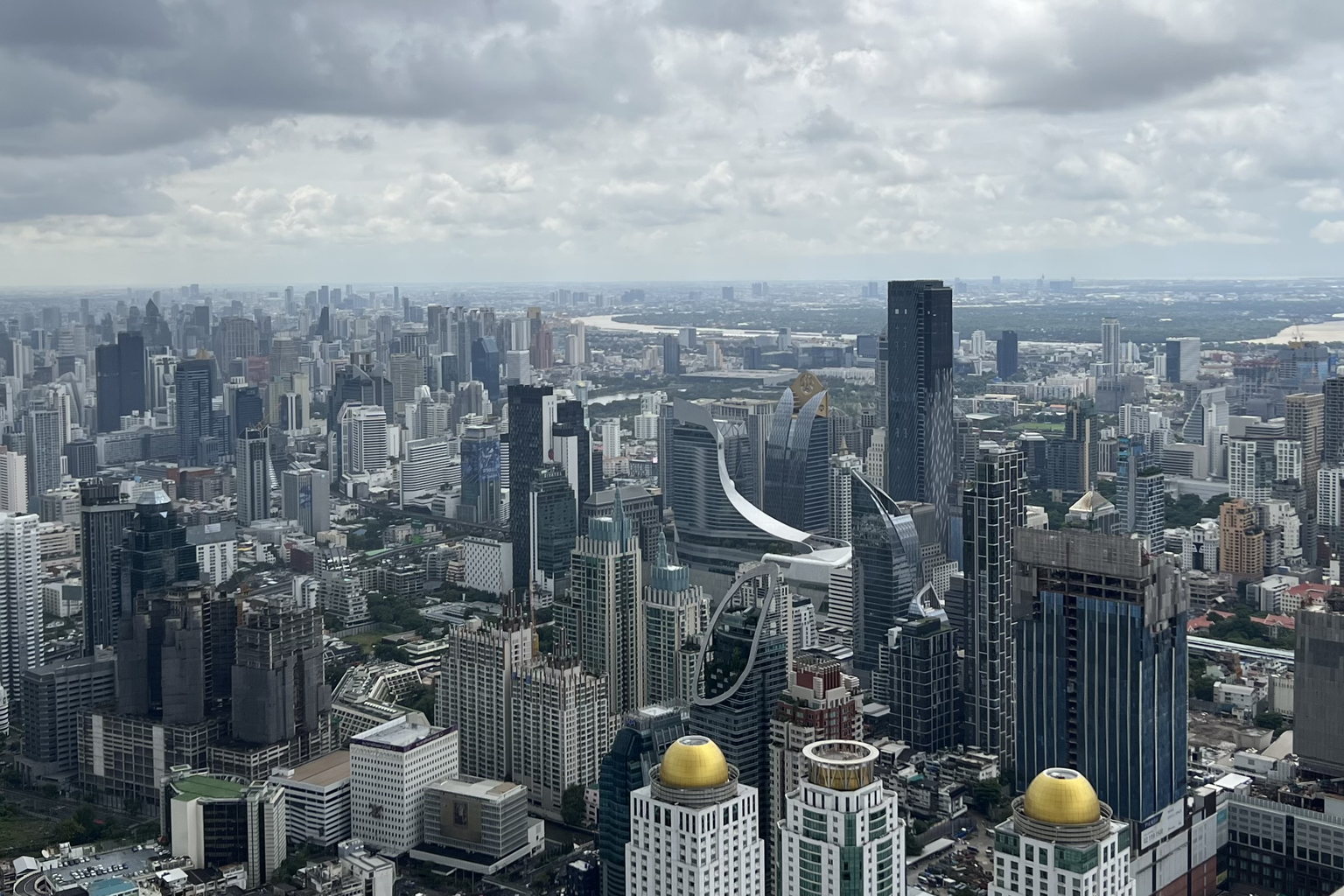
This page connects to seven in-depth cluster guides. For each topic, the detailed version lives on its own page — here you get the overview, the triage, and the links to drill deeper:
- Bangkok Scams — Full Guide — every known con, exact locations, how to walk away clean
- Safe Neighborhoods — Where to Sleep & Wander — per-district breakdown with real safety notes
- Night Transport — After the BTS Stops — getting home from 11:30 PM to 5 AM
- Open 24/7 — Pharmacies, Supermarkets, ER Access — what’s open when everything else is shut
- Money — Cash, Card, Tipping & Hidden Fees — every payment scenario, decoded
- Arrival Setup — SIM, BTS Rabbit Card, First Meal — get operational in 30 minutes
- Insider Secrets — What Locals Actually Do — the real Bangkok the guidebooks miss
Consider this your triage hub. Each section below flags a problem, gives you the fix, and points to the full cluster page when you need the deep dive.
1. Arrival & Ground Setup: Getting Operational in 30 Minutes
You land at Suvarnabhumi (BKK) or Don Mueang (DMK). Your phone has no signal, you don’t know how to get to your hotel, and the queue for the taxi stand is 40 minutes long. Here’s the sequence that wastes zero time.
BTS (Skytrain) & MRT (Subway): Your Lifelines
The BTS and MRT are clean, fast, air-conditioned, and cheap — 16 to 59 baht depending on distance. They run from roughly 6:00 AM to midnight. There is no late-night service. If you’re out after midnight, you’re on the road (Grab, taxi, or tuk-tuk — more on that below).
Single-ride tickets are sold by touchscreen machines at every station. They take coins and some take bills. The machines are intuitive: select your station on the map, insert cash, collect ticket and change. For frequent riders, get a Rabbit Card (BTS) or a MRT Plus card — both reloadable, both save you queue time. Rabbit Cards cost 100 baht (50 baht refundable deposit). You can buy them at any BTS ticket office.
Key transfers between BTS and MRT are at Siam (no direct transfer — walk through the station), Asok (BTS) to Sukhumvit (MRT) — connected by a walkway, and Mo Chit (BTS) to Chatuchak Park (MRT).
The Airport Rail Link from Suvarnabhumi to Makkasan/Paya Thai runs 5:30 AM to midnight. It’s 45 baht to the city. Don’t take a taxi from the airport unless you have heavy luggage or it’s after midnight.
Getting Connected: SIM & eSIM
You need data within 60 seconds of landing. Three providers dominate: AIS, TrueMove, and dtac. All have booths at both airports. A 7-day tourist SIM with unlimited data (10-15 Mbps throttle) costs around 300 baht. AIS has the best coverage nationwide. TrueMove is fine for the city. dtac is slightly cheaper, slightly weaker outside Bangkok.
If you’re arriving late and the booths are closed, walk to any 7-Eleven and buy a SIM there. You’ll need your passport for registration — all Thai SIMs require passport ID. For eSIM users, activate before you fly: AIS eSIM via Klook or Airalo works on most unlocked phones. This saves the physical SIM hunt.
7-Eleven: The Thai Utility
There are more than 12,000 7-Elevens in Thailand. In Bangkok, you’re never more than a 3-minute walk from one. They are open 24/7. They sell:
- SIM cards and top-up vouchers
- Drinks (water, soda, beer — note the alcohol ban hours below)
- Hot food (sandwiches, hot dogs, steamed buns, microwave meals)
- Toiletries, sunscreen, mosquito repellent
- ATMs (though the fee is steep — see Money section)
- Top-up for Rabbit Card and mobile data
- Paracetamol, antihistamines, travel sickness pills (basic pharmacy backup)
If you need a late-night meal and the street stalls are closed, 7-Eleven is your backup. The hot dogs and steamed buns are edible. The microwave pad thai is not.
Water, Power, and Other Basics
Tap water is not safe to drink. Don’t brush your teeth with it either — use bottled. Bottled water costs 14 baht for 1.5 liters at 7-Eleven. Refill stations at hotels are safe if they’re clearly marked as filtered.
Power plugs: Type A (flat pins), Type B (flat pins + round ground), and Type C (Euro plug) all work in most Bangkok sockets. Voltage is 220V, 50Hz — same as most of Europe and Australia. US and Canadian devices rated 110V need a voltage converter unless they’re dual-voltage (check the brick).
Mosquito repellent: Buy it at 7-Eleven. Brands with DEET or Picaridin work. Dengue is real — see the Safety section. Don’t skip repellent between June and October (wet season).
Full operational details at Arrival Setup.
2. Money: How Not to Overpay
Cash-only zones
- Street food stalls
- Taxis (meter or negotiate)
- Tuk-tuks
- Markets (Chatuchak, floating markets)
- Small shops and vendors
- Some local restaurants
Card-friendly
- BTS/MRT ticket machines
- Major shopping malls (Siam Paragon, CentralWorld)
- Chain restaurants and cafes
- Hotels
- Grab/Bolt app payments
- 7-Eleven stores
Bangkok runs on a two-tier payment system — and tourists often pick the wrong tier. Here’s the real split, plus the tricks drivers and vendors use to pad your bill.
Cash vs Card: The Real Split
Cash is king below the up-hotel level. Street food, taxis, tuk-tuks, local markets, massage parlors, and 7-Eleven purchases under 200 baht — all cash. Cards (Visa/Mastercard) work at:
- Big chain stores (Mall, Siam Paragon, CentralWorld, Robinson)
- BTS and MRT ticket machines (only some accept card — most want cash or card at the counter)
- Hotel restaurants and chains
- Grab (if you link your card to the app)
ATMs charge a flat fee of 220 baht per withdrawal for foreign cards, regardless of amount. That’s about $6 USD. To minimize the hit, withdraw the maximum allowed per transaction (usually 20,000-30,000 baht, depending on your bank). Your home bank may add a second fee. Check before you fly.
Some banks in Thailand charge no ATM fee: AEON Bank ATMs (found at some shopping centers) charge 150 baht instead of 220. Still painful, but less.
The best approach: bring a stash of cash from your home country (USD, EUR, or GBP) and exchange it at SuperRich locations — they offer the best rates. There’s a SuperRich branch at Suvarnabhumi Airport, B Floor, near the Airport Rail Link entrance. Exchange rates there beat the airport bank counters by 2-3%.
The Meter Trick: Taxis That Refuse to Use It
This is the single most common rip-off for tourists in Bangkok. A taxi driver picks you up, you tell them the destination, and they say “no meter — 300 baht” for a ride that should cost 80 baht. This happens at tourist-heavy locations: Khao San Road, Siam Square, Asok, and anywhere near a hotel doorman.
The fix: say “Meter, please” before you get in. If the driver refuses, step out and flag the next one. At least half of Bangkok’s taxis will use the meter if you insist. If you’re in a hurry or it’s 2 AM and raining, you might pay the flat rate — but know you’re overpaying.
Alternative: Grab or Bolt. Both apps show the fare upfront. No meter negotiation needed. Grab is slightly more expensive than a metered taxi; Bolt is usually cheaper. Both work well in Bangkok. Drivers will sometimes cancel if they want a longer fare, but the app system protects you from overcharging.
Tuk-Tuks: The Charm Tax
Tuk-tuks are charming, loud, and always more expensive than a metered taxi for the same distance. A 5-minute tuk-tuk ride in tourist areas costs 100-200 baht. A metered taxi for the same ride costs 40-60 baht. You’re paying for the novelty, not the efficiency.
If you want a tuk-tuk ride for the experience: agree the price in writing — ask the driver to write the number on your phone or a piece of paper. Verbal agreements are quickly “forgotten” when you arrive. Standard short rides (2-3 km in central Bangkok) should be 100-150 baht. Never pay more than 200 baht for a ride under 10 minutes.
Tuk-tuk drivers in tourist zones (Khao San, Grand Palace, Wat Pho) work on commission. They offer cheap rides that end at a gem store, tailorshop, or massage parlor. The “tour” is a kickback loop. If a tuk-tuk driver offers you a city tour for 50 baht, you’re the product.
Grab vs Bolt vs Meter Taxi — Which One When?
- Grab: Best for reliability. Shows fare upfront. No negotiation. Slightly more expensive than meter. Use when you’re in a hurry, at night, or in an area with few taxis.
- Bolt: Cheaper than Grab, fewer drivers, longer wait times. Use for non-urgent rides during the day.
- Meter taxi: Cheapest if you can get the driver to comply. Use at taxi stands or hail on the street — but only if they agree to meter.
- Tuk-tuk: Only for the experience, or very short trips when traffic is too narrow for a car. Agree price in advance in writing.
Full breakdown of tipping, hidden fees, and cash scenarios at Money.
3. Scams That Target Tourists
Bangkok’s most common scams are not pickpocket-style theft — they’re confidence tricks that separate you from your money with a smile. The good news: every single one has a tell. Once you know the script, you can’t be fooled.
The Grand Palace “Closed Today” Con
This is the king of Bangkok scams. You walk toward the Grand Palace or Wat Pho. A tuk-tuk driver or a cleanly dressed man with a clipboard stops you: “The Grand Palace is closed today — cleaning day / Buddhist holiday / royal ceremony.” They offer to take you to another temple or a gem store instead. The place they drive you to pays them kickback. You waste an hour and buy nothing worth buying.
The truth: the Grand Palace is almost never closed during its stated opening hours (8:30 AM to 3:30 PM daily). It closes only on a handful of genuine public holidays. Check the official hours online before you go. Tell the driver: “I’ll check myself — thank you.” Keep walking.
Same scam runs around Wat Pho and the Temple of the Emerald Buddha. The script is identical. The fix is the same: walk to the ticket gate and see for yourself.
The Gem Store and Tailor Loop
Variation of the Palace scam: a tuk-tuk driver offers a cheap city tour (50 baht) that stops at a gem store, a tailor, and a massage place. Each stop pays the driver. The gems are overpriced, the tailor’s suits fall apart in three months, and the “massage” is mediocre. You’ve lost an afternoon.
If you want a suit or gems, do your own research. Don’t go anywhere a tuk-tuk driver recommends.
Taxi Meter Refusal (Covered in Money Above)
It’s so common it bears repeating. If a taxi won’t turn on the meter, get out. This is not negotiation — it’s a flat refusal to charge the legal rate.
Other Common Small Cons
- Helpful stranger at Wat Pho: “The Buddha is asleep — you need a photo from this angle.” Then they demand payment for the “guide service.” Ignore and walk.
- Pigeon feed scam at Lumphini Park: Someone hands you feed. Once you take it, they demand 100-200 baht. Don’t take anything offered for free in tourist zones.
- Boat to the temple: At Tha Tien pier near Wat Arun, touts offer overpriced long-tail boat tours. The public ferry across the river costs 4 baht. Use that instead.
- Fake police asking for passport: A person claiming to be a police officer asks for your passport and demands a fine for some invented violation. Real police in Bangkok do not conduct spot-check fines on tourists in the street. Say you’ll go to the station and walk away.
All 14+ scams, with exact locations and scripts, at Bangkok Scams.
4. Getting Around After Dark
Bangkok’s public transport stops at midnight. If you’re out later — and you will be — you need a plan for getting home.
BTS and MRT Shutdown
The last BTS trains leave the terminal stations around 11:30 PM to midnight depending on the line. The MRT runs slightly later — last trains around midnight, reaching the far ends by 12:15 AM. Check the station signs for the exact last train direction. If you’re at a station after 11:15 PM, you may already be too late for the final service.
After midnight, no public rail runs again until 5:30 AM (Airport Rail Link) or 6:00 AM (BTS/MRT).
Grab, Taxi & Tuk-Tuk After Midnight
From midnight to 5 AM, your options are:
- Grab: Most reliable. Fares are slightly higher than daytime but still reasonable. A cross-town ride (Sukhumvit to Thonburi) costs around 300-400 baht. Surge pricing is rare but possible after 2 AM on weekends.
- Bolt: Cheaper but fewer drivers. Wait times of 10-20 minutes after midnight are normal.
- Taxi: Available but more drivers refuse the meter at night. Some double the daytime rate. Negotiate before you get in — or use Grab.
- Tuk-tuk: Still running, still overpriced. Use only for very short distances (2-3 km). Negotiate hard — 150-200 baht for a short ride is fair after midnight. Write the price down.
- Motorbike taxi: Available in some areas (especially near BTS stations that are closed). The drivers wear colored vests (orange, green, pink). Cheap (20-50 baht for short hops) but risky — motorbike accidents are the largest real safety threat in Bangkok. Only use if you’re desperate and the driver has a helmet for you.
Khao San vs Sukhumvit vs Silom — Which Base for Night Owls?
- Khao San Road: Backpacker central. Loud, cheap, and fine to visit for a drink. Terrible to sleep near because the noise continues until 4 AM. Limited Grab availability at peak hours. Avoid as a hotel base unless you’re 22 and resilient.
- Sukhumvit (Asok, Phrom Phong, Thong Lo): Best base for most travelers. Connected to BTS and MRT at Asok. Hotels for every budget. Restaurants, bars, street food, malls. Grab and taxis available 24/7. Safe even after midnight. Recommended.
- Silom / Sathorn: Business district by day, nightlife zone (Patpong, Soi 4) by night. BTS and MRT access. More expensive hotels. Good for business travelers and nightlife seekers. Quiet on the Sathorn side after office hours.
- Siam Square / Pratunam: Shopping central. Good during the day. Limited food options after 10 PM. Not ideal for late-night wandering.
Full night transport routes, costs, and safety notes at Night Transport.
5. Local Rules That Actually Matter
These are the unwritten and written rules that get tourists fined, laughed at, or — in the case of the monarchy — jailed. Know them before you need them.
Temples: Shoes, Knees, Shoulders
Every temple (wat) with an active Buddha image requires you to remove shoes before entering the main building. Look for the shoe rack at the entrance. If there’s no rack, watch what locals do.
Knees and shoulders must be covered at the Grand Palace, Wat Pho, Wat Arun, and most major temples. Sarongs and shawls are usually available at the entrance for free or a small deposit (20-50 baht). But the deposit is cash-only, and the line moves slowly. Better to bring your own. If you show up in shorts and a tank top at the Grand Palace, you’ll wait 15 minutes in the heat to borrow a wrap.
Some smaller temples are more relaxed during the day, but the rule of thumb: long pants or skirt, shirt with sleeves. No beachwear anywhere near a temple.
The Monarchy: Not a Joke
Thailand has some of the strictest lèse-majesté laws in the world. It is a criminal offense to defame, insult, or threaten the king, queen, heir, or regent. The law applies to foreigners. People have been arrested for social media posts in Thailand. Do not:
- Step on a coin with the king’s image (coins are defaced if stepped on)
- Make any joke — even in private conversation — about the royal family
- Criticize the monarchy in writing or online, even after you leave
- Walk out of a movie theater during the royal anthem (if you do, locals will glare, and the staff may ask you to leave)
The royal anthem plays before every cinema screening. You are expected to stand. If you stay seated, you risk being removed by the audience or staff.
Alcohol Ban Hours
Thailand has two daily alcohol ban periods enforced at convenience stores, supermarkets, and 7-Eleven:
- 2:00 PM to 5:00 PM — no retail alcohol sales
- 11:00 PM to 11:00 AM — no retail alcohol sales overnight
Bars, restaurants, hotels, and clubs are exempt — they can serve alcohol during these hours. But you cannot buy a can of beer from 7-Eleven at 3 PM or 12 AM. If you’re planning a late-night drink at your hotel room, buy it before 11 PM. Also note: on Buddhist holidays, alcohol sales may be banned all day — check the calendar before you fly if drinking is important to your trip.
Songkran (April 13-15) and Loi Krathong (November, full moon) are major holidays. Songkran involves water fights across the city. Streets around Khao San, Silom, and Siam turn into water battles. Traffic becomes impossible. If you want to participate, plan for it. If you don’t, either leave the city or stay inside. Loi Krathong involves lantern releases and floating baskets — beautiful, but crowded. The city standstill is real.
Full rulebook at Insider Secrets.
6. Safety: Real Threats vs Noise
Bangkok is safe for solo travelers, including women traveling alone. Violent crime against tourists is rare. The real safety risks are not crime — they’re health and traffic.
Taxi-Rip Risk Is Higher Than Pickpocket Risk
Pickpocketing happens in crowded markets and tourist bottlenecks (Khao San, Chatuchak, BTS during rush hour), but the rate is low compared to European cities. The bigger financial risk is the taxi meter scam, tuk-tuk overcharging, and the gem-store kickback loop. Your wallet is safer from thieves than from overeager touts.
Real Safety Threats
- Motorbike accidents: The most likely way you’ll get hurt in Bangkok. Motorbike taxis are reckless. Always wear a helmet. Never ride if the driver seems intoxicated. If you rent a scooter (which is legal with an International Driving Permit), drive defensively — locals don’t follow lane markings and traffic lights are treated as suggestions.
- Dengue fever and mosquito-borne diseases: June to October (monsoon season) is the peak. Use DEET-based repellent, especially at dusk. Consider staying in hotels with screened windows. Symptoms: high fever, severe headache, joint pain. If you develop symptoms, go to a hospital, not a pharmacy.
- Food poisoning: Most cases come from ice made with untreated tap water, or from raw/undercooked food kept at room temperature. At street stalls, eat food that’s cooked in front of you and served hot. Avoid pre-made food sitting unrefrigerated. Ice from 7-Eleven or from industrial ice bags (clean, sealed) is safe — ice from open buckets may not be. Ask: “Nam kheng?” (Ice cube?) — if they point to a factory bag, it’s fine.
- Monsoon flooding: June-October brings flash floods that can turn streets into knee-deep rivers overnight. If you’re out during a heavy downpour, wait it out under cover — flooding usually subsides within a few hours. Don’t walk through floodwater barefoot; you expose yourself to leptospirosis and sharp debris.
- Petty theft from motorbikes: Phone snatching from a motorbike passenger is a known crime pattern. Keep your phone in your bag or pocket, not in your hand by the curb. If you’re walking on a narrow sidewalk, keep your bag on the building side, not the street side.
Massage Parlor Distinctions
You walk into a massage place in Bangkok. The sign says “Traditional Thai Massage — 250 baht/hour.” You walk into another place. The sign says “Body Massage — 300 baht/hour.” These are not the same thing.
- Thai massage / Traditional massage: Legitimate, therapeutic, often done in a shared room with a mattress on the floor. You wear loose clothes. The therapist uses stretching, compression, and deep pressure. Price: 200-400 baht/hour. This is the real deal.
- Foot massage / Oil massage: Also legitimate. Private room or chair. 250-500 baht/hour.
- “Body massage” / “Soapy massage”: This is code for sexual services. The price will be higher (800+ baht). The establishments often have dimly lit windows, men sitting outside, or women in revealing clothes visible through the door. If you’re looking for therapeutic massage, avoid these.
The rule: if the name is vague (“Body Massage”) and the staff are dressed like they’re going to a club, it’s not a Thai massage. If it says “Traditional Thai Massage” and the staff are in uniform, it’s safe. At the door, you can ask: “Thai massage only, yes?” Watch their face. If they look confused, leave.
Emergency Numbers
- 191 — Police (English-speaking operators may be limited; speak slowly and clearly)
- 199 — Fire
- 1554 — Ambulance (Bangkok EMS)
- 1672 — Tourist Police (English-speaking hotline; they can dispatch a bilingual officer or help with lost property, scams, disputes)
- 1155 — Tourist Police (alternative hotline)
For medical emergencies, go directly to a hospital with an ER. Top options: Bumrungrad International (Sukhumvit Soi 3 — the gold standard, cash upfront required but treat first), Samitivej Sukhumvit (Soi 49), Bangkok Hospital (Silom area). All have English-speaking staff. Small clinics may not.
Neighborhood Safety Notes
- Khao San Road: Safe, chaotic. High petty theft around bars. Watch your bag. Avoid walking alone down unlit sois off Khao San after midnight.
- Sukhumvit (Asok to Thong Lo): Very safe, high police presence, many hotels and 24/7 convenience stores. Safe for solo women at night.
- Silom / Patpong: Safe during the day. Patpong night market area is touristy and pushy but not dangerous. Soi 6-11 can be seedy but not violent.
- Phra Nakhon (Old City): Safe. Quiet after 10 PM. Limited night transport.
- Thonburi (west of river): Quieter, fewer tourists, safe. Limited transport options. Fine if you have accommodation there but less convenient.
- Ratchada / Huai Khwang: Night market area, busy, safe. Some late-night foot traffic.
Per-neighborhood breakdown with exact station names and daytime vs nighttime safety ratings at Safe Neighborhoods.
7. Insider Previews — What the Guidebooks Miss
These are the operational details that separate a good trip from a great one. They’re not tourist traps — they are the actual ways locals move, eat, and avoid crowds.
Street Food: Where the Locals Eat vs Farang Traps
Most pad thai tourists eat is from stalls that serve “tourist pad thai” — sweet, orange-colored, garnished with a prawn cracker, and costing 150-200 baht. It’s not bad, but it’s not what locals eat. Real street food in Bangkok is found:
- Yaowarat (Chinatown): The best street food in the city. Go after 6 PM. Stalls along Yaowarat Road serve seafood, dim sum, and noodle dishes. The line for Jay Fai (crab omelet) is 2-3 hours. Skip it and eat at T&K Seafood or Lek & Rut instead. Cash only.
- Or Tor Kor Market (across from Chatuchak): The best produce and prepared food market in Bangkok. Far cleaner than Khao San stalls. Durian, mango sticky rice, grilled seafood, and curries. Cheap (40-80 baht per dish). Rated best market in Asia by some guides. BTS Mo Chit, exit 3.
- Khao San Road food: Overpriced, low-quality. The only reason to eat there is convenience. Walk 5 minutes to Soi Rambuttri for slightly better options.
Hidden BTS Skywalks: Silom-Sathorn
There’s a covered walkway from BTS Sala Daeng to the Sathorn area that connects through the BTS station and continues via a long skywalk passing King Power Mahanakhon. Locals use it to avoid the street-level heat and traffic. It’s marked but easy to miss. Look for the exit sign at Sala Daeng that says “To Sathorn.” The skywalk runs parallel to Sathorn Road and ends near the Taksin Bridge (BTS Saphan Taksin). This shortcut saves you 10 minutes of sweating.
Best Mall Food Courts: Cheap + Clean + AC
Bangkok’s mall food courts are air-conditioned, sanitary, and surprisingly cheap. They’re not just for tourists — office workers eat lunch there daily.
- Terminal 21 (BTS Asok / MRT Sukhumvit): Basement level. Each floor is themed like a city. The food court on the 1st basement floor (Pier 21) is absurdly cheap — 35 baht for a bowl of noodles. Cash or prepaid card.
- Siam Paragon (BTS Siam): Basement food court is more expensive but has dozens of options including Thai, Japanese, Korean, and halal. The supermarket attached is good for imported goods.
- CentralWorld (BTS Chit Lom): The “Food Factory” zone on the 6th and 7th floors has a mix of chains and local stalls. Good for a break from street food heat.
- MBK Center (BTS Siam): The 5th floor food court is a 90s relic but the food is cheap and solid. Cash only.
For mall food courts, you typically buy a prepaid card at the booth, load cash, then use the card to pay at individual stalls. Refund unused cash at the same booth.
Chatuchak Market Survival Tactics
Chatuchak Weekend Market (BTS Mo Chit / MRT Chatuchak Park) is massive — 35 acres, 15,000 stalls. Most tourists wander in, get overwhelmed, buy a cheap T-shirt, and leave sunburned. The operational approach:
- Go early (9-10 AM): It opens at 9 AM, but most stalls set up by 10 AM. By 1 PM, it’s a human river. By 3 PM, you can’t move.
- Bring water and a hat: There’s no AC in most sections. Heat exhaustion is real.
- Stick to sections: The market is organized by product type. Section 2-4: antiques and art. Section 5-6: clothes and accessories. Section 8-10: food and drink (the food section is in the center, near the clock tower). Section 13-15: plants and pets.
- Bargain respectfully: Most stall owners expect a small discount (10-20%) on marked prices, but don’t haggle aggressively over 20 baht. If you buy multiple items, ask for a bundle discount.
- Exit plan: The market is close to Mo Chit BTS and Chatuchak Park MRT. Both will have long queues after 3 PM. Consider walking to the next station (Saphan Khwai BTS or Phahon Yothin MRT) to catch less crowded trains.
More insider hacks — including the real döner loophole, FKK etiquette (not relevant for Bangkok, but you get the philosophy), and the best time to visit Chatuchak to avoid the crowds — at Insider Secrets.
Triage: Situation → Action
Quick-reference table for the most common Bangkok problems:
| You need | Action |
| A taxi but driver refuses meter | Get out. Try the next taxi. Or open Grab and book upfront. |
| Someone says Grand Palace is closed today | Ignore. Walk to the ticket gate. It’s open unless a genuine holiday. |
| It’s 11 PM and you need a beer for the hotel | Buy before 11 PM at 7-Eleven. After 11 PM, only hotel minibar or late-night bar. |
| BTS/MRT has stopped running | Use Grab. Taxi backup. Tuk-tuk only for short distances. Motorbike taxi only if you’re desperate and have a helmet. |
| You need a pharmacy at 3 AM | 7-Eleven has basic first-aid. For proper pharmacy, find a 24-hour pharmacy near Sukhumvit (MedConsult, for example). |
| You lost your phone | Call it. Go to nearest Tourist Police (1672). Check lost-and-found at the venue. Thai people are surprisingly honest — many phones get returned. |
| You need cash and the ATM fee is insane | Withdraw max amount (20,000 baht) to minimize fee per baht. Use AEON ATMs (150 baht fee). Or exchange cash at SuperRich. |
| You need to use a bus | Don’t unless you know the route. Buses are hot, slow, and hard to navigate without Thai. Stick to BTS/MRT/Grab. |
| You get food poisoning | Hydrate with bottled water. Oral rehydration salts at 7-Eleven. If vomiting >24 hours or blood, go to Bumrungrad ER. |
| You need a SIM at 2 AM from the airport | 7-Eleven at the airport sells SIMs. Passport required. Or use eSIM activated before you fly. |
Closing
Most travel guides ship you to the Grand Palace. This one tells you the “closed today” scam at the gate. That’s the difference between reading a magazine article and reading an operational survival guide. Bangkok is not a dangerous city and not a difficult city — but it is a city that tests your ability to say no, to double-check a meter, and to know when a stranger’s “help” is a warm-up for a sale. The resources are all here: seven cluster pages that drill into every scam, every route, every payment situation. Bookmark this page, hit the topics that matter for your trip, and land ready.
Neighborhood Snapshot
Sukhumvit
Central district with BTS/MRT access, hotels, shopping, and nightlife.
Khao San Road
Budget traveler center with hostels, street food, and bars.
Silom
Business district by day, nightlife and street food by night.
Rattanakosin
Houses Grand Palace, Wat Pho, and major temples.
Thong Lo
Upscale dining, bars, and boutiques; popular with expats.
Banglamphu
Old town charm near Khao San but peaceful and leafy.
Ari
Residential area with cafes, street art, and fewer tourists.
Phra Khanong
Emerging district with local markets and hipster cafes.