Tokyo vs Kyoto: Which City Should You Visit?
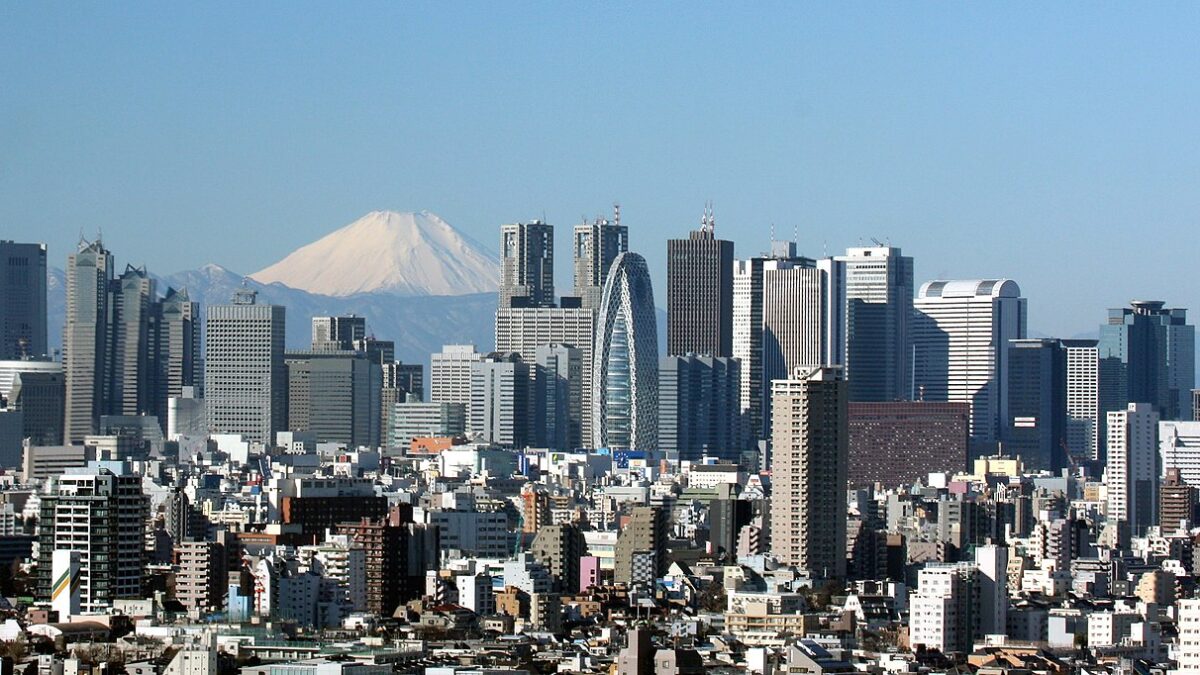
Choosing between Tokyo and Kyoto is a quintessential dilemma for any Japan traveler. Tokyo, the pulsating heart of modern Japan, offers an exhilarating urban adventure, while Kyoto, the nation’s former imperial capital, provides a serene immersion into traditional Japanese culture. For the traveler seeking neon-lit excitement, cutting-edge technology, and a fast-paced metropolitan experience, Tokyo is the undeniable choice. Conversely, those yearning for ancient temples, tranquil gardens, geisha districts, and a glimpse into Japan’s historical soul will find Kyoto infinitely more rewarding.
Tokyo vs Kyoto: Quick Comparison
Tokyo is a sprawling metropolis that never sleeps, a vibrant tapestry of futuristic skyscrapers, bustling Shibuya crossings, and serene imperial gardens. It’s a city of contrasts, where ancient traditions seamlessly blend with hyper-modern innovation. Kyoto, on the other hand, exudes an aura of timeless elegance. Its streets are lined with traditional wooden machiya houses, its hills are dotted with thousands of temples and shrines, and its pace is decidedly more relaxed. While Tokyo assaults the senses with its sheer scale and dynamism, Kyoto soothes the soul with its refined beauty and deep-rooted history.
Cost Comparison
| Category | Tokyo (USD) | Kyoto (USD) |
|---|---|---|
| Accommodation (per night, mid-range) | $120 – $250 | $100 – $200 |
| Food (per day, mid-range) | $50 – $100 | $40 – $80 |
| Transport (per day) | $15 – $25 | $10 – $20 |
| Activities (per day) | $30 – $60 | $25 – $50 |
| Daily Total (estimated) | $215 – $435 | $175 – $350 |
Atmosphere & Culture
Tokyo’s atmosphere is one of relentless energy and constant evolution. The city is a sensory overload, from the dazzling neon signs of Shinjuku to the trendy boutiques of Harajuku. Its culture is a dynamic fusion of the traditional and the hyper-modern, evident in everything from its ancient shrines nestled beside towering skyscrapers to its avant-garde fashion scene. The pace of life in Tokyo is fast, with millions of people navigating the city’s efficient public transport system with practiced haste. Architecture ranges from sleek, glass-and-steel structures to charming, older neighborhoods with low-rise buildings.
Kyoto, in stark contrast, offers a more tranquil and contemplative experience. The city breathes history and tradition. Its streets are quieter, its pace is slower, and the pervasive sense is one of serene beauty. The culture here is deeply rooted in centuries of imperial history, evident in its meticulously preserved temples, its refined arts, and the enduring presence of geisha in districts like Gion. Kyoto’s architecture is characterized by its traditional wooden machiya houses, its elegant temple buildings, and its picturesque gardens. The local culture emphasizes politeness, respect for tradition, and a deep appreciation for nature.
Things to Do
Tokyo Highlights:
- Shibuya Crossing & Hachiko Statue: Experience the iconic scramble crossing, a symbol of Tokyo’s vibrant energy, and pay homage to the loyal dog Hachiko.
- Senso-ji Temple (Asakusa): Explore Tokyo’s oldest temple, a magnificent red structure that offers a glimpse into the city’s historical and spiritual past, surrounded by Nakamise-dori market stalls.
- Tokyo Skytree: Ascend this towering broadcasting and observation tower for breathtaking panoramic views of the vast metropolis, especially stunning at night.
Kyoto Highlights:
- Fushimi Inari-taisha Shrine: Wander through thousands of vibrant red torii gates winding up a mountainside, a truly magical and photogenic experience.
- Kinkaku-ji (Golden Pavilion): Admire the stunning Zen Buddhist temple entirely covered in gold leaf, shimmering beautifully against its tranquil pond and surrounding gardens.
- Arashiyama Bamboo Grove: Stroll through the ethereal towering bamboo forest, a serene and iconic Kyoto landscape that evokes a sense of peace and wonder.
Food Scene
Tokyo’s culinary landscape is a global gastronomic powerhouse, offering an unparalleled diversity of flavors and dining experiences. From Michelin-starred sushi restaurants to humble ramen shops and quirky themed cafes, there’s something to satisfy every palate and budget. The city is renowned for its fresh seafood, intricate kaiseki (multi-course haute cuisine), and comforting bowls of ramen. Expect to spend anywhere from $50 to $100 per day for a mid-range food experience. Must-try dishes include fresh sushi and sashimi, flavorful ramen, and savory okonomiyaki.
Kyoto, while equally dedicated to culinary excellence, focuses more on refined, traditional Japanese cuisine. It’s the birthplace of kaiseki ryori, a highly artistic and seasonal multi-course meal that emphasizes fresh, local ingredients and delicate flavors. Kyoto is also famous for its vegetarian shojin ryori (temple cuisine) and its exquisite matcha (powdered green tea) and wagashi (traditional Japanese sweets). A mid-range food budget in Kyoto would range from $40 to $80 per day. Must-try dishes include kaiseki, yudofu (simmered tofu), and matcha-flavored desserts.
Best For…
- Budget travelers: Kyoto often offers slightly more affordable accommodation and food options, though both cities can be explored on a budget with careful planning.
- Foodies: Tokyo wins for sheer variety and innovation, but Kyoto offers a deeper dive into traditional and refined Japanese culinary arts.
- History lovers: Kyoto is the undisputed champion, with its wealth of ancient temples, shrines, and historical districts.
- Nightlife: Tokyo is the clear winner, offering an endless array of bars, clubs, and entertainment venues for every taste.
- Families: Both cities offer family-friendly attractions, but Tokyo’s sheer diversity of entertainment, from theme parks to interactive museums, might give it a slight edge.
Our Verdict
Tokyo is the ultimate destination for those who crave the thrill of a modern metropolis, cutting-edge technology, and a vibrant, fast-paced urban culture. Kyoto, conversely, is the perfect choice for travelers seeking to immerse themselves in Japan’s rich history, traditional arts, and serene natural beauty. For a comprehensive Japan experience, consider visiting both cities, as they offer complementary yet distinct facets of this fascinating country.

Kai has visited 60+ countries across 6 continents, with a obsession for one thing most travelers ignore: the real cost of getting there. Former budget backpacker turned data-driven travel writer, Kai breaks down destination costs so you can plan smarter — not just dream bigger. Based everywhere, from nowhere in particular.