Boracay: Sun-Kissed Shores & Azure Dreams
Why Visit Boracay?
Boracay offers a compelling blend of pristine beaches, vibrant nightlife, and diverse water activities, making it a premier Southeast Asian destination. This our complete Philippines travel guide section details why this island paradise warrants a visit in 2026, covering estimated costs, recommended itineraries, and culinary highlights.
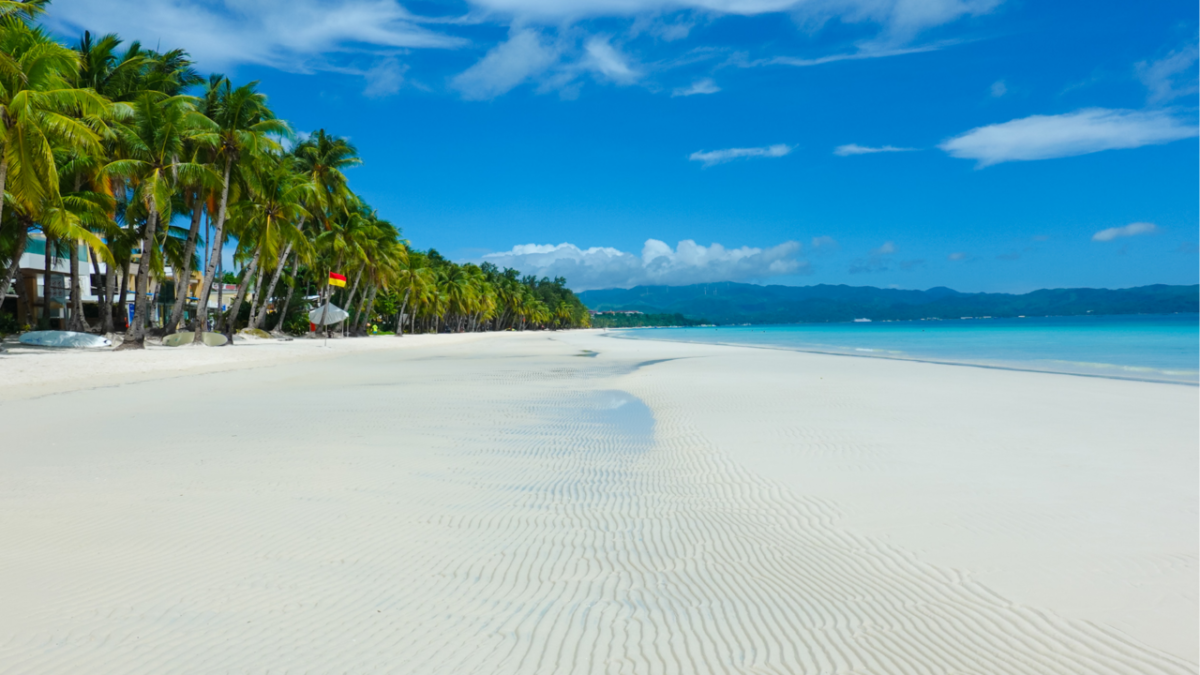
The island is celebrated for its powdery white sand beaches, particularly White Beach, which stretches for kilometers and is renowned for its calm, clear waters. Beyond its iconic coastline, Boracay provides opportunities for adventure, relaxation, and cultural immersion, catering to a wide spectrum of traveler preferences. Planning your trip with a detailed Palawan travel guide ensures you maximize your experience on this tropical haven.
Who This Guide Is For
This guide is designed for first-time visitors planning a 5-7 day trip to Boracay, seeking a balance of relaxation and adventure. It is also beneficial for budget-conscious travelers aiming to spend approximately $75-$100 per day and food enthusiasts eager to explore the island’s diverse culinary scene.
Average Travel Cost in Boracay
The following data provides an estimated breakdown of daily expenses in Boracay for 2026, based on an exchange rate of 1 USD = 58 PHP. Tipping around 10% is appreciated but not obligatory.
| Category | Budget | Mid-Range | Luxury |
|---|---|---|---|
| Accommodation | $25 | $70 | $200 |
| Food | $15 | $30 | $80 |
| Transport | $5 | $15 | $40 |
| Attractions | $10 | $40 | $100 |
| Misc | $10 | $20 | $50 |
| Daily Total | $65 | $175 | $470 |
Estimated total costs for different trip durations are as follows:
* 3-Day Trip:
* Budget: $195
* Mid-Range: $525
* Luxury: $1410
* 7-Day Trip:
* Budget: $455
* Mid-Range: $1225
* Luxury: $3290
For accommodation, opting for an Airbnb-style rental can offer significant savings compared to traditional hotels, especially for longer stays or group travel. While hotels provide amenities and services, apartments or rooms rented directly from owners often come with kitchen facilities, reducing food expenses, and can be booked for a lower nightly rate, particularly outside of peak season.
The best time to visit Boracay is typically from November to May, which constitutes the dry season and peak tourist period. During this time, prices for accommodation and flights are at their highest. Shoulder seasons (late May to early June, and late October to early November) offer a balance of good weather and more moderate pricing. The off-season (June to September) presents the lowest prices but carries a higher risk of rain and typhoons.
Where to Stay in Boracay
Boracay is divided into distinct areas, each offering a unique atmosphere and range of accommodations.
Station 1
This northernmost section of White Beach is known for its fine, powdery sand and more upscale resorts. It offers a quieter, more exclusive experience compared to other stations.
* Price Range (per night): Budget $40-$70, Mid-Range $100-$250
* Best for: Couples, honeymooners, and travelers seeking tranquility and luxury.
* Insider Tip: Walk further north along the beach to discover hidden coves and less crowded swimming spots.
Station 2
The vibrant heart of White Beach, Station 2 is characterized by its bustling atmosphere, numerous shops, restaurants, and nightlife. It is the most commercially developed area.
* Price Range (per night): Budget $30-$60, Mid-Range $70-$150
* Best for: Young travelers, groups, and those who enjoy being in the center of the action.
* Insider Tip: Book accommodations slightly off the main beachfront to find better value and escape some of the noise.
Bulabog Beach
Located on the opposite side of the island from White Beach, Bulabog is a world-renowned spot for kitesurfing and windsurfing due to its consistently strong winds.
* Price Range (per night): Budget $20-$50, Mid-Range $50-$100
* Best for: Watersports enthusiasts, budget travelers, and those seeking a more laid-back, local vibe.
* Insider Tip: While Bulabog is not ideal for swimming due to choppy waters, it’s a short tricycle ride to White Beach for sunbathing and swimming.
Best Things to Do in Boracay
Boracay offers a plethora of activities for every type of traveler. Exploring these attractions will enrich your understanding of the island’s appeal.
Diniwid Beach
This secluded cove, located at the northern end of Station 1, offers a more intimate beach experience with clear, shallow waters perfect for swimming and snorkeling. It’s a tranquil escape from the main White Beach crowds.
* Average Ticket Price: Free
* Best Time to Visit: Early morning (7:00 AM – 10:00 AM) to avoid the midday sun and potential crowds.
* Insider Tip: Access the beach via a small path from the northernmost point of Station 1. Consider visiting during low tide for a wider sandy area.
White Beach
The island’s most famous attraction, White Beach is a roughly 4-kilometer stretch of fine, white sand and turquoise waters. It is divided into Stations 1, 2, and 3, each offering a slightly different ambiance.
* Average Ticket Price: Free (public access)
* Best Time to Visit: Sunrise for a peaceful experience, or late afternoon for sunset viewing and activities.
* Insider Tip: Rent a beach lounger from a local vendor and enjoy the view, but be prepared to negotiate prices.
Mount Luho
As Boracay’s highest point, Mount Luho offers panoramic views of the entire island, including White Beach, Diniwid Beach, and Bulabog Beach. It’s an excellent spot for photography.
* Average Ticket Price: Approximately $1.50 (PHP 80) for entrance fee.
* Best Time to Visit: Late afternoon for sunset views, or early morning for clearer visibility.
* Insider Tip: Hire a tricycle to reach the summit. There are multiple viewing decks; compare them for the best photographic angles.
Coral Garden (Snorkeling Site)
This underwater sanctuary is teeming with marine life, making it an ideal spot for snorkeling and introductory diving. It provides an opportunity to witness the vibrant coral reefs and diverse fish species.
* Average Ticket Price: Approximately $5-$10 (PHP 300-600) for guided snorkeling tours or boat rental.
* Best Time to Visit: Mid-morning (9:00 AM – 11:00 AM) when the water is calm and visibility is optimal.
* Insider Tip: Book a snorkeling tour that includes stops at multiple sites to experience the best of Boracay’s underwater world.
Puka Beach
Located on the northern tip of Boracay, Puka Beach is known for its natural beauty and the abundance of puka shells that wash ashore. It’s less developed than White Beach, offering a more rustic charm.
* Average Ticket Price: Free
* Best Time to Visit: Weekdays to experience its tranquility.
* Insider Tip: Bring your own snacks and drinks as food options are limited compared to White Beach.
Island Hopping Tour
This popular activity allows visitors to explore several nearby islands and snorkeling spots, often including Puka Beach, Coral Garden, and Ilig-Iligan Beach. Many tours include lunch.
* Average Ticket Price: Approximately $20-$40 (PHP 1200-2400) per person, depending on inclusions.
* Best Time to Visit: During the dry season (November to May) for the best weather conditions.
* Insider Tip: Opt for a private tour if you prefer a more personalized experience and flexibility with your itinerary.
Where to Eat in Boracay
Boracay’s culinary landscape is as diverse as its beaches, offering everything from local Filipino delicacies to international cuisine.
* Filipino Seafood Grill:
* Cuisine: Filipino, Seafood
* Price Range per Meal: $10-$25 (PHP 600-1500)
* What to Order: Grilled fish (lapu-lapu), prawns, and kinilaw (Filipino ceviche).
* Location Tip: Look for beachfront establishments in Station 1 or Station 3 for fresh catches and ocean views.
* Jonah’s Fruitshake & Snack Bar:
* Cuisine: International, Fruit Shakes
* Price Range per Meal: $5-$15 (PHP 300-900)
* What to Order: Mango, banana, or avocado fruit shakes are iconic. They also offer sandwiches and light meals.
* Location Tip: Located in Station 1, it’s a long-standing Boracay institution.
* D’Talipapa Market:
* Cuisine: Local Filipino Seafood
* Price Range per Meal: $15-$30 (PHP 900-1800) for market purchase and cooking.
* What to Order: Choose your fresh seafood (crabs, shrimp, fish) from the market and have it cooked to your preference by nearby restaurants.
* Location Tip: Situated near Station 2, it’s a lively market experience where you can bargain for fresh ingredients.
* Nonie’s:
* Cuisine: Healthy Filipino Fusion
* Price Range per Meal: $10-$20 (PHP 600-1200)
* What to Order: Sinigang na Baboy (pork in tamarind broth) with a healthy twist, or their popular Adobo.
* Location Tip: Found in Station 2, it’s a great option for those seeking nutritious and flavorful meals.
3-Day Boracay Itinerary
This itinerary balances iconic experiences with opportunities for relaxation, suitable for a mid-range budget.
Day 1
* Morning: Arrive at Caticlan Airport (MPH) or Kalibo International Airport (KLO), transfer to Boracay via ferry. Check into your accommodation in Station 1 or 2.
* Afternoon: Relax on White Beach, swim in the clear waters, and explore the immediate vicinity of your chosen station.
* Evening: Enjoy sunset cocktails at a beachfront bar in Station 1, followed by dinner at a seafood grill in Station 3. Experience the vibrant nightlife in Station 2.
* Estimated Daily Cost: $175 (Mid-Range)
Day 2
* Morning: Embark on an island-hopping tour, visiting Puka Beach for its unique shell-strewn shores and snorkeling at Coral Garden to observe marine life.
* Afternoon: Enjoy a provided lunch during the tour. Return to White Beach and perhaps try a watersport like paddleboarding.
* Evening: Experience D’Talipapa Market for dinner, selecting fresh seafood and having it cooked to your liking. Enjoy a leisurely stroll along the beach.
* Estimated Daily Cost: $175 (Mid-Range, including tour costs)
Day 3
* Morning: Visit Mount Luho for panoramic island views. Afterwards, head to Diniwid Beach for a more secluded beach experience and a final swim.
* Afternoon: Enjoy a final Filipino meal at Nonie’s for healthy fusion cuisine. Purchase souvenirs from the local shops.
* Evening: Transfer back to the mainland for your departure.
* Estimated Daily Cost: $100 (Mid-Range, excluding transfer costs)
Transportation Guide
Getting to Boracay involves a combination of air and sea travel. The primary gateway is Caticlan Airport (MPH), which is closest to the island. Alternatively, Kalibo International Airport (KLO) is about a 1.5-hour bus or van ride to Caticlan Jetty Port.
From Caticlan Jetty Port, electric tricycles or vans will take you to the terminal where you will pay environmental and terminal fees. A short boat ride (approximately 15 minutes) will bring you to Boracay’s Cagban Port. From Cagban Port, electric tricycles are the main mode of public transport on the island, operating on fixed routes and fares.
* Airport to Caticlan Jetty Port:
* From Caticlan Airport: Tricycle (approx. $1.50 / PHP 90)
* From Kalibo Airport: Van or Bus (approx. $4-$7 / PHP 230-400)
* Ferry to Boracay:
* Environmental Fee: $1.50 (PHP 90)
* Terminal Fee: $1.50 (PHP 90)
* Boat Fare: $1.50 (PHP 90)
* On Boracay:
* Electric Tricycle Fare: Varies by distance, typically $0.50-$2 (PHP 30-120) per ride. Shared rides are cheaper.
Rideshare apps are not prevalent on Boracay; electric tricycles are the standard. For longer distances or private transport, negotiate a price with a tricycle driver beforehand. Check travel costs in Utila for a comparison of transport expenses in a different global region.
Money-Saving Tips
Pro Tip 1: Travel during the shoulder seasons (late May to early June, or late October to early November) to secure accommodation and flight deals up to 30% lower than peak season rates.
Pro Tip 2: Utilize local markets like D’Talipapa for fresh seafood and cook some meals yourself if your accommodation has kitchen facilities, saving an estimated $20-$40 per day on food. Use our travel cost calculator to estimate your savings.
Pro Tip 3: Instead of private tours, join group island-hopping or snorkeling trips. These typically cost $20-$40 per person, significantly less than private options which can exceed $100-$150.
Common Travel Mistakes
Mistake 1: Overpacking light clothing without considering the possibility of rain, especially if traveling during the fringes of the wet season (May-October). Pack a lightweight rain jacket or umbrella to stay prepared.
Mistake 2: Not factoring in the environmental and terminal fees when budgeting for the ferry transfer to Boracay. These mandatory fees add approximately $4.50 (PHP 270) per person for a round trip.
Frequently Asked Questions
How much money do you need for 3 days in Boracay?
For a 3-day trip to Boracay, budget travelers can expect to spend around $195, covering basic accommodation, local food, and essential activities. Mid-range travelers should budget approximately $525, allowing for more comfortable lodging, varied dining options, and additional excursions. Luxury travelers can anticipate costs around $1410 for premium experiences.
Is Boracay expensive for tourists?
Boracay’s cost can vary significantly based on travel style and season. While peak season (November to May) and luxury accommodations can be expensive, budget-conscious travelers can manage with daily expenses around $65. Comparing with destinations like Compare with Shanghai, Boracay offers a more affordable tropical escape.
What is the best area to stay in Boracay?
The best area to stay depends on your priorities. Station 1 offers tranquility and upscale resorts, ideal for couples. Station 2 is central and bustling, perfect for those seeking nightlife and convenience. Bulabog Beach is favored by watersports enthusiasts and budget travelers.
Can you visit Boracay without a car?
Yes, it is entirely possible and common to visit Boracay without a car. The island is small and primarily navigated by foot, electric tricycles, and sometimes bicycles. The main modes of transport are efficient and readily available throughout the island.
What is the cheapest month to visit Boracay?
The cheapest months to visit Boracay generally fall within the off-season, from June to September. During this period, accommodation prices can decrease by as much as 40-50% compared to peak season. However, this time also coincides with the rainy season, which may impact outdoor activities.

Kai has visited 60+ countries across 6 continents, with a obsession for one thing most travelers ignore: the real cost of getting there. Former budget backpacker turned data-driven travel writer, Kai breaks down destination costs so you can plan smarter — not just dream bigger. Based everywhere, from nowhere in particular.