Prague: Whispers of Alchemists & Bohemian Hearts
Welcome to the ultimate Prague travel guide, your essential resource for planning an unforgettable trip to the Czech Republic’s captivating capital. This comprehensive guide provides expert insights on things to do in Prague, where to stay, estimated costs, and practical tips, ensuring a seamless and enriching experience in this historic European gem. Discover the city’s rich history, stunning architecture, and vibrant culture.
Why Visit Prague?
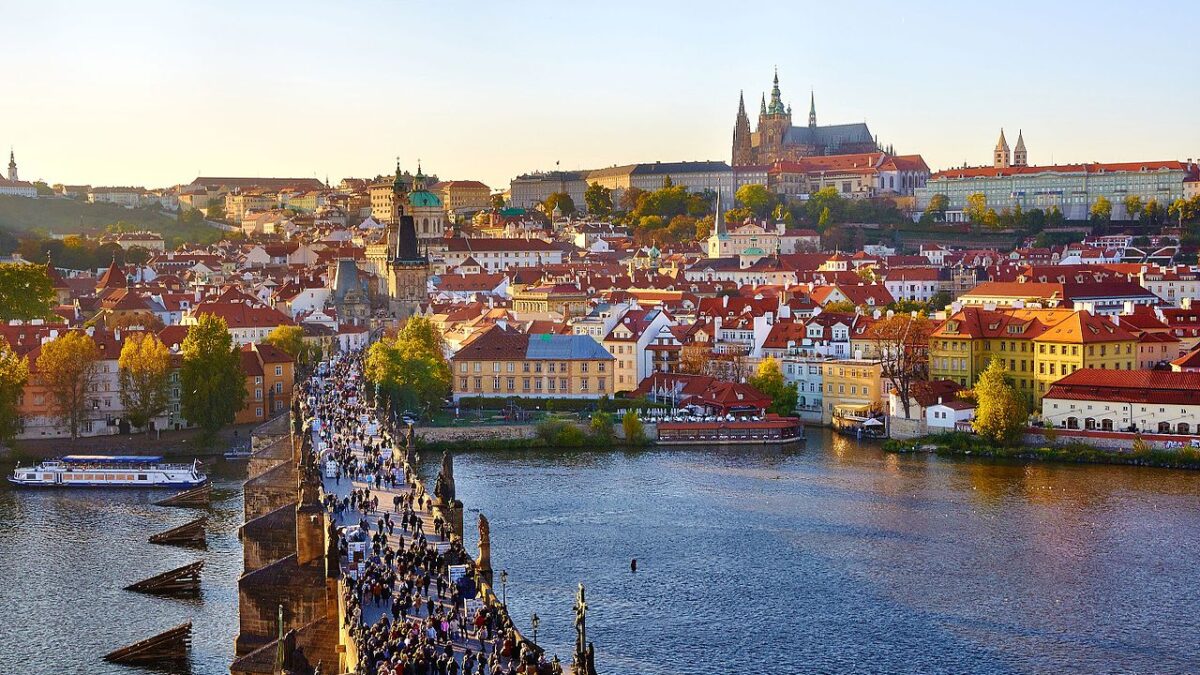
Prague, often called the “City of a Hundred Spires,” is a destination that effortlessly blends centuries of history with a vibrant contemporary culture. Its UNESCO-listed historic centre captivates visitors with Gothic cathedrals, Baroque palaces, and Romanesque chapels. The city’s architectural grandeur, from the majestic Prague Castle to the iconic Charles Bridge, provides a stunning backdrop for exploration.
Beyond its visual appeal, Prague offers a rich tapestry of experiences. Travelers can delve into its complex history, enjoy world-class opera and classical music, or savor traditional Czech cuisine and renowned local beers. The city consistently ranks as one of Europe’s most beautiful and affordable capitals, making it an attractive destination for a diverse range of international travelers seeking both cultural immersion and excellent value.
Average Travel Cost in Prague
Understanding the Prague travel cost is crucial for effective trip planning. While Prague remains one of Europe’s more affordable capital cities, costs can vary significantly based on travel style. The Czech Koruna (CZK) is the local currency, though many establishments in tourist areas accept Euros, often at less favorable exchange rates.
Accommodation, dining, and activities offer options across various price points, allowing travelers to tailor their experience from budget-conscious to luxurious. Public transportation is efficient and economical, further contributing to the city’s overall affordability. Below is a daily cost comparison for 2026, offering a realistic overview.
| Category | Budget (per day) | Mid-Range (per day) | Luxury (per day) |
|---|---|---|---|
| Hotel | €40 – €60 | €80 – €120 | €180 – €300+ |
| Food | €25 – €40 | €50 – €80 | €100+ |
| Transport | €5 – €10 | €5 – €10 | €5 – €10 |
| Attractions | €10 – €25 | €20 – €40 | €30 – €60+ |
| Total | €80 – €135 | €155 – €250 | €315 – €470+ |
Where to Stay in Prague
Choosing where to stay in Prague significantly impacts your travel experience, with various neighborhoods offering distinct atmospheres and access to attractions. Here are three recommended areas, catering to different preferences and budgets, complete with realistic price ranges for 2026.
-
Old Town (Staré Město): This is the heart of historic Prague, ideal for first-time visitors who want to be amidst the main attractions like Old Town Square, the Astronomical Clock, and Charles Bridge. It offers unparalleled convenience for sightseeing and dining. Expect a lively atmosphere and a wide range of hotels, from boutique options to international chains.
Price Range: Mid-range to Luxury (€100 – €350+ per night).
-
Lesser Town (Malá Strana): Situated on the west bank of the Vltava River, beneath Prague Castle, Malá Strana is known for its Baroque architecture, charming cobblestone streets, and quieter ambiance. It offers stunning views of the city and easy access to the castle complex and Petřín Hill. This area is perfect for those seeking a romantic or more tranquil stay.
Price Range: Mid-range to Luxury (€90 – €300+ per night).
-
New Town (Nové Město): Despite its name, New Town dates back to the 14th century and encompasses Wenceslas Square, numerous shopping areas, and modern amenities. It offers a more contemporary urban feel with excellent transport links and a broader selection of hotels, including more budget-friendly options. It’s a good choice for those looking for a balance of convenience, shopping, and nightlife, slightly removed from the most intense tourist crowds.
Price Range: Budget to Mid-range (€50 – €180 per night).
Best Things to Do in Prague
Prague offers an abundance of historical sites, cultural experiences, and scenic viewpoints. Exploring these things to do in Prague will provide a comprehensive understanding of the city’s enduring charm and rich heritage.
- Prague Castle (Pražský hrad): A sprawling complex of palaces, churches, gardens, and alleyways, Prague Castle is the largest ancient castle in the world. Dominating the city skyline, it houses St. Vitus Cathedral, the Old Royal Palace, St. George’s Basilica, and Golden Lane. Plan at least half a day to explore its many facets.
- Charles Bridge (Karlův most): This iconic medieval bridge, adorned with 30 Baroque statues of saints, connects Old Town with Lesser Town. It offers breathtaking views of Prague Castle and the Vltava River. Visit early in the morning or late in the evening to avoid crowds and capture stunning photographs.
- Old Town Square (Staroměstské náměstí): The vibrant heart of Prague, surrounded by historic buildings and churches. Key attractions include the Old Town Hall with its Astronomical Clock, the Church of Our Lady before Týn, and St. Nicholas Church. It’s a central hub for markets, festivals, and street performers.
- Astronomical Clock (Pražský orloj): Located on the Old Town Hall, this medieval clock is a masterpiece of engineering and art. Every hour, between 9 AM and 11 PM, a procession of the Twelve Apostles appears, drawing large crowds. Arrive early for a good viewing spot.
- St. Vitus Cathedral (Katedrála svatého Víta): The largest and most important church in the Czech Republic, situated within Prague Castle. This Gothic masterpiece boasts stunning stained-glass windows, intricate chapels, and the tomb of St. Wenceslas. Its sheer scale and detail are awe-inspiring.
- Jewish Quarter (Josefov): A historic neighborhood with a poignant past, home to several synagogues, the Old Jewish Cemetery, and the Jewish Museum. It offers a unique glimpse into the history and culture of Prague’s Jewish community. Consider a guided tour to fully appreciate its significance.
- Petřín Hill: Offering panoramic views of Prague, Petřín Hill is a green oasis accessible by a funicular railway. At its summit, you’ll find the Petřín Lookout Tower (a mini Eiffel Tower), a mirror maze, and beautiful rose gardens. It’s perfect for a leisurely afternoon.
- Wenceslas Square (Václavské náměstí): More a boulevard than a square, this vibrant area is a major commercial and cultural hub. It’s home to the National Museum and numerous shops, restaurants, and hotels. Historically, it has been the site of many important events in Czech history.
- Dancing House (Tančící dům): A striking example of modern architecture, this deconstructivist building resembles two dancers. Designed by Frank Gehry and Vlado Milunić, it stands in stark contrast to Prague’s historical buildings. It houses offices, a hotel, and a rooftop restaurant with excellent views.
- Museum of Communism: Located near Wenceslas Square, this museum provides an insightful and often sobering look into the communist era in Czechoslovakia, from the post-WWII coup to the Velvet Revolution. It offers a crucial context for understanding modern Czech history.
Where to Eat in Prague
Prague’s culinary scene offers a delightful blend of traditional Czech gastronomy and modern international cuisine. Exploring the best restaurants in Prague means savoring hearty, comforting dishes alongside innovative culinary creations. Don’t miss these authentic experiences:
- Traditional Czech Pubs (Hospoda): For an authentic experience, visit a local hospoda. These pubs serve classic Czech dishes like guláš (goulash), svíčková (marinated sirloin with cream sauce), and smažený sýr (fried cheese), all perfectly paired with world-renowned Czech beer. Look for places like Lokál Dlouhááá or U Medvidku for a lively atmosphere and quality food.
- Trdelník Stands: A visit to Prague is incomplete without trying a Trdelník. This sweet pastry is made from rolled dough wrapped around a stick, grilled, and then topped with sugar and walnuts. Many stands offer variations filled with ice cream or chocolate, especially popular around Old Town Square and Charles Bridge.
- Farmers’ Markets: For fresh, local produce and ready-to-eat street food, visit one of Prague’s farmers’ markets, such as the one at Náplavka Riverside. Here you can find traditional Czech sausages (klobása), pastries, and seasonal delights in a vibrant setting.
- Cafes for Coffee and Cake: Prague boasts a rich cafe culture, with many historical establishments offering exquisite coffee and decadent cakes. Café Louvre and Grand Café Orient are excellent choices for experiencing this elegant tradition, perfect for an afternoon treat.
- Modern Czech Cuisine: For a contemporary take on Czech dishes, seek out restaurants that blend traditional flavors with modern culinary techniques. Establishments like La Degustation Bohême Bourgeoise offer a Michelin-starred experience, while others provide a sophisticated yet accessible dining option.
- Street Food at Václavské náměstí: Wenceslas Square and its surrounding streets are dotted with various food stalls offering quick bites. You can find everything from grilled sausages and potato pancakes (bramborák) to international fast food options, ideal for a casual meal on the go.
3-Day Prague Itinerary
This Prague itinerary is designed to help you experience the city’s most iconic sights and hidden gems efficiently, balancing historical exploration with local charm.
Day 1: Old Town Charm and Jewish Heritage
Begin your Prague adventure in the historic Old Town Square. Witness the hourly spectacle of the Astronomical Clock and admire the Gothic architecture of the Church of Our Lady before Týn. Explore the various arcades and narrow streets radiating from the square.
Afterward, delve into the rich history of the Jewish Quarter (Josefov). Visit the Old Jewish Cemetery, the Pinkas Synagogue, and the Spanish Synagogue, learning about the community’s enduring legacy. Consider purchasing a combined ticket for entry to multiple sites.
In the afternoon, cross the iconic Charles Bridge, taking time to admire the Baroque statues and street artists. Enjoy dinner in the Old Town, perhaps trying a traditional Czech pub for an authentic culinary experience.
Day 2: Castle Grandeur and Lesser Town Exploration
Dedicate your morning to Prague Castle, the largest ancient castle complex in the world. Explore St. Vitus Cathedral, the Old Royal Palace, St. George’s Basilica, and the charming Golden Lane. Allow at least three to four hours to fully appreciate its scale and history.
Descend into Lesser Town (Malá Strana), wandering through its picturesque cobblestone streets. Visit St. Nicholas Church, known for its magnificent dome and opulent interior. Explore Wallenstein Garden, a beautiful Baroque garden offering a serene escape.
For a scenic end to your day, take the funicular up Petřín Hill. Climb the Petřín Lookout Tower for breathtaking panoramic views of the city at sunset. Enjoy dinner in Malá Strana, perhaps at a restaurant with views of the Vltava River.
Day 3: New Town, Culture, and Vltava Views
Start your day exploring the New Town, beginning at Wenceslas Square. Visit the National Museum at the top of the square, or explore the bustling shopping avenues. Admire the unique architecture of the Dancing House, a modern contrast to the city’s historical buildings.
In the afternoon, consider a cultural experience. Options include visiting the Museum of Communism for a historical perspective, attending a classical music concert, or exploring one of Prague’s numerous art galleries. Alternatively, enjoy a leisurely boat cruise along the Vltava River for different perspectives of the city’s landmarks.
Spend your final evening enjoying a farewell dinner. Prague offers a wide array of dining options, from fine dining to cozy local eateries. Consider a rooftop restaurant for memorable city views, or revisit a favorite neighborhood for a final taste of Czech hospitality.
Transportation Guide
Prague boasts an excellent and efficient public transportation system, making it easy and affordable to navigate the city. The integrated system consists of metro, trams, and buses, all operating on the same ticketing system.
The metro is the fastest way to cover longer distances, with three lines (A, B, C) that intersect in the city center. Trams are ideal for shorter journeys and offer scenic routes, especially through the historic areas. Buses primarily serve the outer districts, but also provide connections within the city.
Tickets can be purchased at metro stations, newsstands, and yellow ticket machines at some tram stops. Options include single-use tickets (30-minute or 90-minute validity), 24-hour passes, or multi-day passes (72-hour). Validate your ticket immediately upon first use by stamping it in the yellow boxes on trams/buses or at metro station entrances. Failure to validate can result in fines. Walking is also highly recommended, particularly in the compact historic center, allowing you to discover hidden alleys and charming squares.
Money-Saving Tips
Traveling to Prague can be highly economical with a few smart strategies, making it an excellent destination for Prague budget travel. Here are some practical tips to help you save money without compromising your experience:
- Utilize Public Transportation: Purchase a 24-hour or 72-hour public transport pass. It’s significantly cheaper than taxis or ride-shares, and the system is very reliable. Most major attractions are accessible by metro or tram.
- Eat Like a Local: Avoid restaurants directly on Old Town Square or Charles Bridge, which tend to be overpriced and cater to tourists. Venture a few streets away to find traditional Czech pubs (hospoda) and restaurants offering delicious, authentic meals at a fraction of the cost. Look for daily lunch menus (denní menu) for excellent value.
- Enjoy Free Attractions: Many of Prague’s best sights are free to admire from the outside, such as Charles Bridge, Old Town Square, and Wenceslas Square. Walking tours, parks like Petřín Hill, and admiring the city’s architecture cost nothing.
- Stay Hydrated Economically: Carry a reusable water bottle. Tap water in Prague is safe to drink, saving you money on bottled water.
- Consider a Prague Card (or not): Evaluate if a Prague Card is worthwhile for your specific itinerary. It offers free entry to some attractions and public transport, but may not pay off if you plan to visit only a few sites or prefer free activities. Calculate your intended entry fees first.
- Shop at Local Supermarkets: For snacks, drinks, or picnic supplies, visit local supermarkets like Albert, Billa, or Tesco. These are much cheaper than convenience stores in tourist areas.
- Avoid Currency Exchange Booths with Poor Rates: Be wary of exchange offices, especially those in high-traffic tourist areas, which often offer unfavorable rates or high commissions. It’s better to withdraw CZK from an ATM (inform your bank beforehand) or pay with a travel-friendly credit card.
Frequently Asked Questions
Is Prague safe for tourists?
Prague is generally a very safe city for tourists. Violent crime is rare, but petty crime, such as pickpocketing, can occur in crowded tourist areas like Old Town Square, Charles Bridge, and on public transport. Travelers should remain vigilant, secure their belongings, and be aware of their surroundings, especially in busy locations. Using common sense precautions will ensure a safe visit.
What is the best time to visit Prague?
The best time to visit Prague is during the shoulder seasons of spring (April to May) and early autumn (September to October). During these months, the weather is pleasant, crowds are smaller than in summer, and prices for flights and accommodation can be more reasonable. Summer (June to August) offers warm weather and many outdoor events but brings larger crowds and higher prices. Winter (November to March) can be cold and snowy, but the city’s Christmas markets are magical, and there are fewer tourists.
Do I need to speak Czech in Prague?
No, you do not need to speak Czech to visit Prague. English is widely spoken in tourist areas, hotels, restaurants, and by younger generations. Many signs and menus are also available in English. Learning a few basic Czech phrases like “Dobrý den” (hello), “Děkuji” (thank you), and “Prosím” (please/you’re welcome) will be appreciated by locals, but it is not essential for navigating the city.
What currency is used in Prague?
The official currency of the Czech Republic and Prague is the Czech Koruna (CZK). While some establishments in tourist areas may accept Euros, it is generally at an unfavorable exchange rate. It is advisable to pay in CZK. ATMs are widely available for cash withdrawals, and major credit cards are accepted in most hotels, restaurants, and shops. Always check the exchange rate if paying in Euros and be cautious of dynamic currency conversion when using cards.
Is Prague walkable?
Yes, Prague is an incredibly walkable city, especially its historic center. Many of the main attractions, such as Old Town Square, Charles Bridge, and the Jewish Quarter, are within easy walking distance of each other. Exploring on foot allows you to discover charming side streets, hidden courtyards, and beautiful architecture. For longer distances or reaching areas like Prague Castle (which involves an uphill climb), the efficient public transport system is readily available.

Kai has visited 60+ countries across 6 continents, with a obsession for one thing most travelers ignore: the real cost of getting there. Former budget backpacker turned data-driven travel writer, Kai breaks down destination costs so you can plan smarter — not just dream bigger. Based everywhere, from nowhere in particular.