New York: The City That Never Sleeps
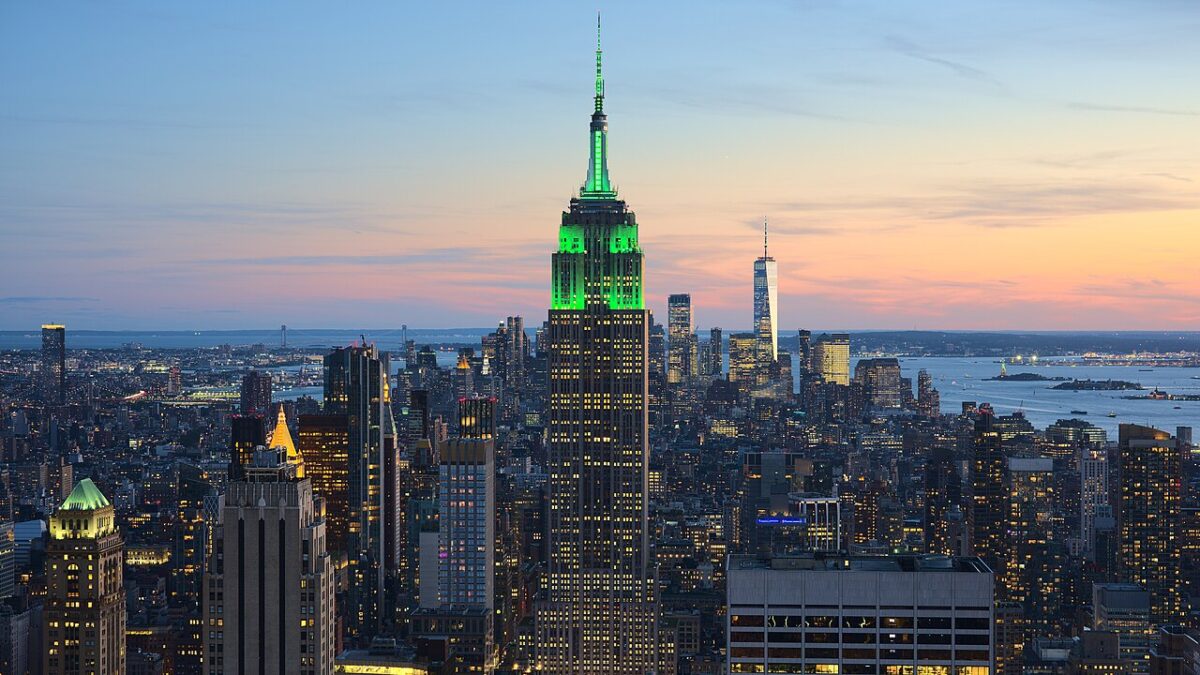
New York: Where Dreams Meet the Skyline
Why Visit New York?
New York offers unparalleled cultural diversity, iconic landmarks, and world-class dining, making it a premier global destination. This New York travel guide highlights its vibrant energy, diverse neighborhoods, and accessible itineraries designed for varied budgets in 2026. Explore its rich history, cutting-edge art, and culinary innovations.
The city’s magnetic pull stems from its constant evolution, offering fresh experiences for both first-time visitors and seasoned travelers. From the bustling streets of Manhattan to the artistic enclaves of Brooklyn, New York presents a tapestry of experiences that cater to a wide range of interests, including its renowned culinary scene and efficient public transport. For those considering international travel, it provides a benchmark against which other global cities are often measured; compare its appeal with destinations like Check travel costs in London.
Who This Guide Is For
This guide is tailored for independent travelers planning a 3-5 day visit to New York in 2026, seeking a balance between iconic sights and local experiences. It is particularly useful for those managing a mid-range budget and interested in exploring diverse neighborhoods and culinary offerings.
Average Travel Cost in New York
The following table provides an estimated daily cost breakdown for various travel styles in New York. All figures are in USD and reflect 2026 pricing, assuming an average exchange rate of 1 USD = 1 USD.
| Category | Budget | Mid-Range | Luxury |
|---|---|---|---|
| Accommodation | $90 | $250 | $600 |
| Food | $50 | $100 | $250 |
| Transport | $15 | $40 | $150 |
| Attractions | $20 | $70 | $200 |
| Misc | $25 | $50 | $100 |
| Daily Total | $200 | $510 | $1300 |
Based on these daily estimates, here are the projected total costs for common trip durations:
| Duration | Budget | Mid-Range | Luxury |
|———-|————|————|————|
| 3 Days | $600 | $1530 | $3900 |
| 7 Days | $1400 | $3570 | $9100 |
For accommodation, opting for an Airbnb-style rental in outer boroughs can offer substantial savings compared to hotels, particularly for longer stays or groups. A 3-day hotel stay in a mid-range category could range from $750-$1000, whereas a comparable Airbnb might cost $450-$600, representing a potential saving of 25-55%. This makes it an attractive option for budget-conscious travelers.
New York’s prices fluctuate significantly with the seasons. Peak season, generally September-October and May-June, sees the highest rates for flights and accommodation. Shoulder seasons (April, November excluding Thanksgiving) offer a moderate balance, while the off-season (January-March) presents the lowest prices, though weather conditions can be a deterrent for some.
Where to Stay in New York
Transportation Guide
Navigating New York upon arrival is straightforward. From major airports like JFK, LaGuardia, and Newark, the most cost-effective method is the AirTrain combined with the subway, costing approximately $11-$15. Taxis and rideshares are readily available but significantly more expensive, with fares ranging from $60-$120 depending on the airport and destination.
Public transportation is the backbone of New York City. The Metropolitan Transportation Authority (MTA) operates an extensive subway and bus network. A single subway or bus ride costs $2.90, and purchasing a 7-day unlimited MetroCard for $34 offers excellent value for frequent use. This is a more economical choice than relying on rideshares, which can add up quickly. For a comprehensive overview of transit options across the US, consult our complete United States travel guide.
Rideshare services like Uber and Lyft are prevalent and convenient for direct travel, especially late at night or when carrying luggage. However, surge pricing during peak hours can make them costly. For those seeking to compare travel costs across different continents, Browse North America travel guides and consider comparing with international destinations such as Compare with Leon to understand global price variations.
Money-Saving Tips
Pro Tip 1: Purchase a 7-day unlimited MetroCard for $34 if you plan to use public transportation more than 12 times within a week, significantly reducing per-ride costs compared to single fares ($2.90 each).
Pro Tip 2: Utilize free attractions such as walking across the Brooklyn Bridge, exploring Central Park, visiting the Staten Island Ferry for Statue of Liberty views, and browsing the exhibits at the Federal Hall National Memorial.
Pro Tip 3: Take advantage of happy hour deals at restaurants and bars, typically available from 4 PM to 7 PM on weekdays, offering discounted drinks and appetizers.
Common Travel Mistakes
Mistake 1: Underestimating the amount of walking required and not wearing comfortable footwear. New York is a city best explored on foot, and comfortable shoes are essential for navigating its extensive streets and attractions without discomfort.
Mistake 2: Not pre-booking tickets for major attractions like the Statue of Liberty, Empire State Building, or Broadway shows. Popular attractions often sell out, and last-minute purchases can be more expensive or unavailable.
Frequently Asked Questions
How much money do you need for 3 days in New York?
For a 3-day trip to New York, budget travelers can expect to spend around $600, mid-range travelers approximately $1530, and luxury travelers around $3900. These estimates cover accommodation, food, transport, and attractions, as detailed in our travel cost calculator.
Is New York expensive for tourists?
Yes, New York is generally considered an expensive city for tourists, particularly regarding accommodation and dining. However, by utilizing budget-friendly transport and seeking out free attractions, it is possible to manage costs effectively, as outlined in this New York travel guide.
What is the best area to stay in New York?
The best area to stay depends on your priorities. For first-time visitors seeking iconic sights, Midtown Manhattan is convenient. For a more local feel and vibrant nightlife, consider Williamsburg in Brooklyn or the West Village in Manhattan. Each offers a distinct atmosphere and price point.
Can you visit New York without a car?
Absolutely. New York City has one of the most extensive and efficient public transportation systems in the United States, with subways and buses operating 24/7. Relying on public transit is not only feasible but also recommended to avoid parking costs and traffic congestion.
What is the cheapest month to visit New York?
The cheapest months to visit New York are typically January, February, and March. During this off-peak season, you will find lower prices for flights and accommodation, although the weather can be cold.
Further Reading on United States

Kai has visited 60+ countries across 6 continents, with a obsession for one thing most travelers ignore: the real cost of getting there. Former budget backpacker turned data-driven travel writer, Kai breaks down destination costs so you can plan smarter — not just dream bigger. Based everywhere, from nowhere in particular.