The Ultimate Guide to the Best Time to Visit New York in 2026
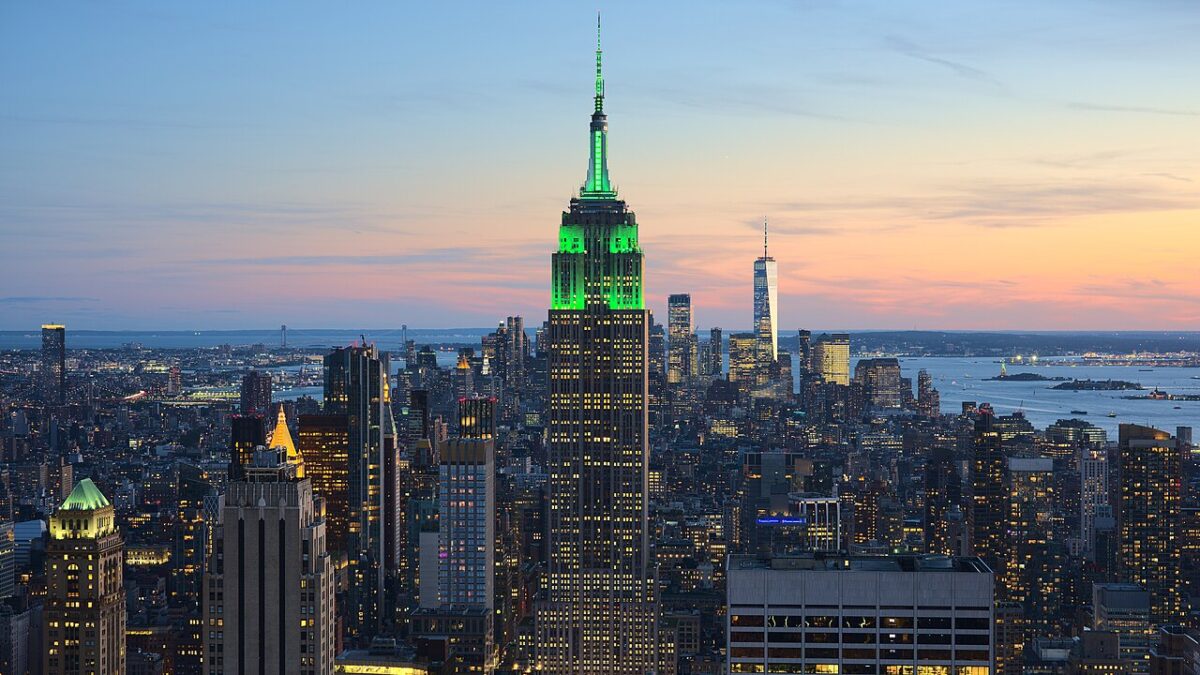
Best Time to Visit New York
The optimal months to visit New York in 2026, offering a balance of pleasant weather and manageable crowds, are typically May, June, September, and October. These periods provide comfortable temperatures ideal for exploring the city’s iconic landmarks and vibrant neighborhoods.
Month-by-Month Weather Guide
| Month | Avg Temp (°F) | Rainfall (inches) | Crowd Level | Hotel Price Level |
|---|---|---|---|---|
| January | 30 | 3.4 | Low | $ |
| February | 33 | 3.0 | Low | $ |
| March | 42 | 3.7 | Moderate | $$ |
| April | 53 | 3.5 | Moderate | $$ |
| May | 64 | 3.7 | High | $$$ |
| June | 73 | 3.7 | High | $$$ |
| July | 78 | 3.7 | Peak | $$$$ |
| August | 77 | 3.5 | Peak | $$$$ |
| September | 68 | 3.4 | High | $$$ |
| October | 57 | 3.0 | High | $$$ |
| November | 47 | 3.5 | Moderate | $$ |
| December | 37 | 3.4 | Peak (Holidays) | $$$$ |
Peak Season
The peak tourist season in New York City generally spans from June through August, and again during the holiday period in December. During these months, the weather is typically warmest and sunniest, making it ideal for outdoor activities and exploring Central Park or walking the Brooklyn Bridge. However, this popularity comes with significant drawbacks. Expect the largest crowds at major attractions, longer wait times, and the highest hotel and flight prices. Hotel rates can easily exceed $400 per night, with flights also reaching premium prices. The pros are the vibrant atmosphere and the abundance of outdoor events and festivals. The cons are the overwhelming crowds and the substantial financial investment required.
Shoulder Season (Best Value)
The shoulder seasons, specifically April to May and September to October, offer the best balance of pleasant weather and value for money. In spring, temperatures gradually warm, and the city bursts into bloom, while autumn brings crisp air and stunning foliage. Crowd levels are high but generally more manageable than in peak summer. Hotel prices are typically in the $250-$350 range, representing a considerable saving compared to peak season. Flights may also be more affordable. The advantage of visiting during these periods is the ability to enjoy New York’s attractions comfortably without the extreme heat of summer or the frigid temperatures of winter, all while experiencing fewer crowds and better prices.
Off-Season / Budget Season
The off-season, encompassing January, February, and March, presents the most budget-friendly opportunities for visiting New York. These months are characterized by cold temperatures, with average highs in the low 30s to low 40s Fahrenheit. Snowfall is common, which can add a unique charm for those who enjoy winter landscapes. Hotel prices can drop significantly, often falling below $200 per night, and flight deals are more readily available. The primary trade-off is the weather, which requires warm clothing and limits extensive outdoor exploration. However, the advantage of visiting during this time is the significantly reduced crowd density at museums, galleries, and popular landmarks, allowing for a more intimate and relaxed experience. This period is ideal for culture vultures interested in indoor attractions like Broadway shows, world-class museums, and cozy cafes.
Best Time for Specific Activities
Sightseeing
For general sightseeing, including iconic landmarks like the Statue of Liberty, Empire State Building, and Times Square, the shoulder seasons of April-May and September-October are ideal. The weather is mild, perfect for walking and exploring. However, if you don’t mind cooler temperatures and fewer crowds, the off-season (January-March) offers a more relaxed experience.
Outdoor Activities
Outdoor enthusiasts will find May through September to be the prime time for activities such as exploring Central Park, walking across the Brooklyn Bridge, or enjoying rooftop bars. The warmer temperatures and longer daylight hours are conducive to maximizing time spent outdoors. Late spring (May) and early autumn (September) offer a pleasant compromise with fewer extreme heat days.
Food Festivals and Culinary Events
New York’s culinary scene is vibrant year-round, but specific food festivals often occur during the warmer months. Look for events like the Smorgasburg food market (typically April-October) and various street fairs that pop up throughout spring and summer. The New York City Wine & Food Festival usually takes place in October, making autumn a fantastic time for foodies.
Cultural Events and Broadway
Cultural events and Broadway shows are a staple of New York City regardless of the season. However, the fall (September-November) and spring (April-May) often see a surge in new Broadway productions and gallery openings. The holiday season (November-December) is also a magical time for festive performances and events, though it is also peak season for crowds and prices.
Seasonal Price Comparison
| Season | Avg Hotel/Night (USD) | Avg Flight (USD) | Overall Cost Level |
|---|---|---|---|
| Winter (Jan-Mar) | $180 – $250 | $250 – $400 | $ |
| Spring (Apr-May) | $250 – $350 | $300 – $450 | $$ |
| Summer (Jun-Aug) | $350 – $500+ | $400 – $600+ | $$$$ |
| Autumn (Sep-Oct) | $280 – $400 | $350 – $500 | $$$ |
| Holiday Season (Dec) | $400 – $600+ | $450 – $700+ | $$$$ |
For a comprehensive overview of planning your trip, consult our New York travel guide.

Kai has visited 60+ countries across 6 continents, with a obsession for one thing most travelers ignore: the real cost of getting there. Former budget backpacker turned data-driven travel writer, Kai breaks down destination costs so you can plan smarter — not just dream bigger. Based everywhere, from nowhere in particular.