5 Days in Zurich: Old Town & Lakeside Views
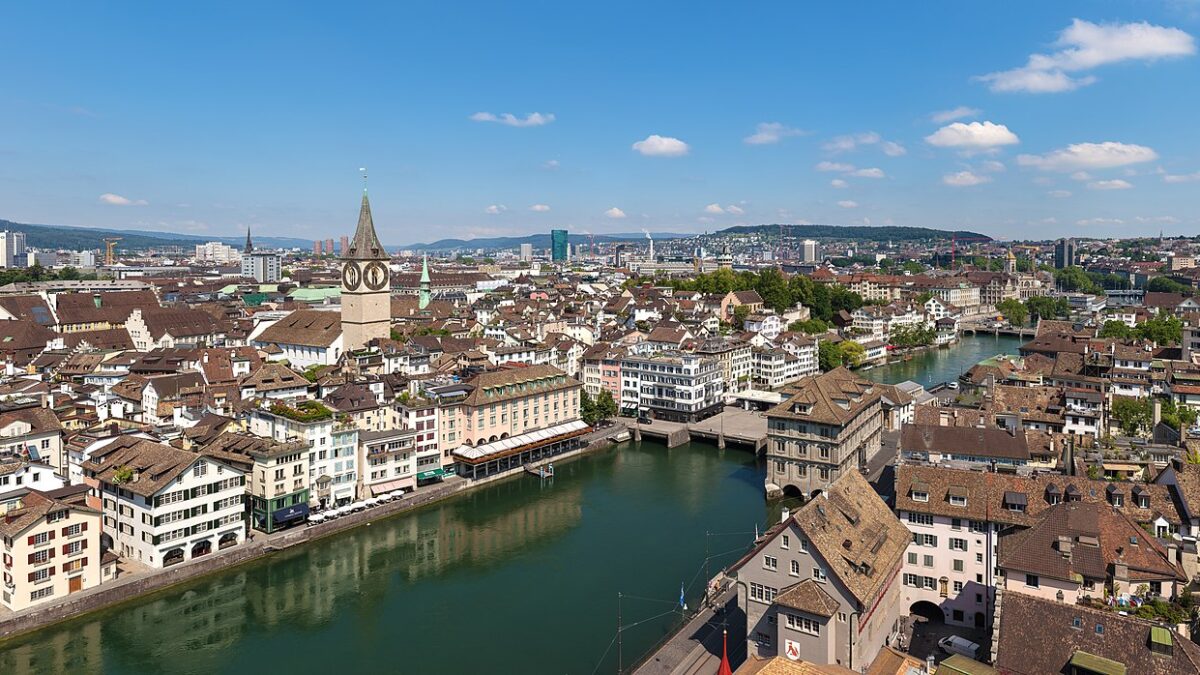
Zurich, Switzerland’s largest city, seamlessly blends a pristine natural setting with a vibrant urban landscape. This comprehensive Zurich travel guide offers practical advice, detailed itineraries, and essential tips for international visitors, ensuring an unforgettable journey through a city renowned for its high quality of life, cultural richness, and stunning lakeside beauty.
Why Visit Zurich?
Zurich stands as a compelling destination for a multitude of reasons, appealing to diverse international travelers. It is globally recognized as a leading financial hub, yet it offers far more than just economic prowess. The city boasts an exceptionally high quality of life, reflected in its meticulously maintained infrastructure, pristine environment, and efficient public services.
Culturally, Zurich is a treasure trove. Its historic Old Town, with narrow cobblestone streets and medieval architecture, contrasts beautifully with modern art galleries, world-class museums, and a thriving contemporary arts scene. The city’s position on the northern tip of Lake Zurich, framed by distant snow-capped Alps, provides breathtaking natural beauty and numerous outdoor recreational opportunities.
For those seeking a blend of urban sophistication and natural serenity, Zurich delivers. From luxury shopping along Bahnhofstrasse to tranquil boat trips on the lake, and from exploring ancient churches to hiking Uetliberg mountain, Zurich offers a unique and enriching experience that caters to every interest. It is also an excellent gateway to the wider Swiss Alps and picturesque countryside.
Average Travel Cost in Zurich
Zurich is widely known for its high cost of living, which translates to a higher travel budget compared to many other European cities. However, with careful planning, it is possible to experience Zurich across various price points. The following table provides a daily cost comparison per person for different travel styles, factoring in realistic prices for 2026.
| Category | Budget (CHF) | Mid-Range (CHF) | Luxury (CHF) |
|---|---|---|---|
| Hotel | 80-120 | 180-280 | 400-800+ |
| Food | 40-60 | 80-120 | 150-300+ |
| Transport | 10-15 | 15-25 | 30-70+ |
| Attractions | 10-20 | 30-60 | 60-100+ |
| Total Daily Cost | 140-215 | 305-485 | 640-1270+ |
Note: Prices are estimates for one person per day in Swiss Francs (CHF) and can fluctuate based on season, specific choices, and availability. CHF is roughly equivalent to USD and EUR, but check current exchange rates.
Where to Stay in Zurich
Choosing the right neighborhood significantly enhances your Zurich experience. The city offers a range of options, from historic charm to trendy nightlife, catering to various preferences and budgets. Here are three recommended areas:
-
Altstadt (Old Town): This is the heart of Zurich, perfect for first-time visitors who want to be amidst history, culture, and iconic landmarks. Staying here means easy walking access to Grossmünster, Fraumünster, Bahnhofstrasse, and numerous restaurants and shops.
- Price Range: Mid-Range to Luxury. Expect higher prices due to prime location and boutique hotels.
-
Kreis 4 & 5 (Langstrasse / Industriequartier): Located west of the city center, these districts are known for their vibrant nightlife, trendy bars, diverse restaurants, and unique independent boutiques. It offers a more contemporary and bohemian atmosphere, popular with younger travelers and those seeking a lively evening scene.
- Price Range: Budget to Mid-Range. You can find more affordable hotels, hostels, and guesthouses here, alongside stylish mid-range options.
-
Seefeld / Enge: Situated on the eastern and western shores of Lake Zurich, respectively, these upscale residential areas offer a tranquil escape with beautiful lake views, green spaces, and proximity to the Opera House and various museums. They are ideal for travelers seeking peace and quiet, often with a touch of luxury.
- Price Range: Mid-Range to Luxury. Accommodations typically include higher-end hotels and elegant guesthouses.
Best Things to Do in Zurich
Zurich presents an array of attractions that cater to history buffs, art enthusiasts, nature lovers, and shoppers alike. Here are some essential experiences:
- Explore the Altstadt (Old Town): Wander through charming cobblestone alleys, discover medieval buildings, and soak in the historic atmosphere. Don’t miss the picturesque Lindenhof hill for panoramic views.
- Cruise Lake Zurich: Enjoy a scenic boat trip on Lake Zurich, offering stunning views of the city skyline, surrounding hills, and distant Alps. Various tours are available, from short round trips to longer excursions.
- Visit Grossmünster: An iconic twin-towered Romanesque church, the Grossmünster is a symbol of Zurich. Climb one of its towers for magnificent city vistas and admire the stained-glass windows by Augusto Giacometti.
- Discover Fraumünster Church: Famous for its exquisite stained-glass windows created by Marc Chagall and Augusto Giacometti, this former abbey church is a must-see for art and architecture enthusiasts.
- Stroll along Bahnhofstrasse: One of the world’s most exclusive shopping avenues, Bahnhofstrasse is home to luxury brands, high-end boutiques, and renowned Swiss watchmakers. Even if not shopping, it’s a vibrant place for a walk.
- Ascend Uetliberg Mountain: Zurich’s “local mountain” offers spectacular panoramic views of the city, Lake Zurich, and the Alps. Reachable by train, it’s perfect for hiking, biking, or simply enjoying the vista from its observation tower.
- Explore the Swiss National Museum: Housed in a fairytale-like castle, this museum provides an extensive overview of Swiss history and culture, from prehistoric times to the present day.
- Relax at the Chinese Garden: A gift from Zurich’s sister city Kunming, this authentic temple garden is a tranquil oasis. It’s one of the finest Chinese gardens outside China, offering a peaceful escape.
- Visit Kunsthaus Zurich: The city’s main art museum boasts an impressive collection spanning from the Middle Ages to contemporary art, featuring significant works by Swiss artists and international masters like Monet, Picasso, and Van Gogh.
Where to Eat in Zurich
Zurich’s culinary scene is diverse, ranging from traditional Swiss fare to international gourmet experiences. Eating out can be expensive, but delicious options exist for all budgets.
- Zeughauskeller: Housed in a former armory, this lively restaurant is famous for its hearty Swiss and Bavarian dishes, especially its massive portions of sausages, schnitzels, and meat platters. It’s a quintessential Zurich experience.
- Hiltl: Recognized by Guinness World Records as the world’s oldest vegetarian restaurant, Hiltl offers an incredible buffet of innovative and delicious vegetarian and vegan dishes. It’s a healthy and popular choice.
- Confiserie Sprüngli: An absolute must-visit for anyone with a sweet tooth. Famous for its Luxemburgerli (miniature macarons), exquisite chocolates, pastries, and coffee. Enjoy a luxurious snack or pick up some edible souvenirs.
- Sternen Grill: For an authentic and budget-friendly Zurich street food experience, head to Sternen Grill. Their “Bratwurst vom Grill” (grilled sausage) served with a crusty roll and mustard is a local favorite.
- Restaurant Bindella: Offering classic Italian cuisine in an elegant setting, Bindella is a beloved institution in Zurich. Expect impeccable service and a delightful menu featuring fresh pasta, seafood, and regional Italian specialties.
- Zunfthaus zur Waag: Located in a historic guild house, this restaurant offers traditional Swiss and Zurcher cuisine, including the famous Zürcher Geschnetzeltes (sliced veal in cream sauce). It provides a charming, authentic atmosphere.
3-Day Zurich Itinerary
This comprehensive 3-day Zurich itinerary balances historical exploration, cultural immersion, natural beauty, and culinary delights, allowing you to experience the best of the city.
Day 1: Historic Charm and Lake Views
Begin your day exploring Zurich’s Altstadt. Start at the Lindenhof hill for morning panoramic views of the city, Limmat River, and Grossmünster. Descend into the charming cobblestone streets, visiting the twin-towered Grossmünster and the elegant Fraumünster Church with its Chagall windows. Enjoy lunch at a traditional Swiss restaurant in the Old Town. In the afternoon, stroll along the prestigious Bahnhofstrasse for some window shopping or luxury retail therapy. Conclude your day with a leisurely boat trip on Lake Zurich, taking in the city and mountain vistas as the sun begins to set.
Day 2: Culture, Art, and Alpine Panoramas
Dedicate your morning to culture with a visit to the Swiss National Museum, delving into Switzerland’s rich history. Afterwards, immerse yourself in art at the Kunsthaus Zurich, home to an impressive collection from various periods. For lunch, explore the trendy Kreis 4 district for diverse culinary options. In the afternoon, embark on an excursion to Uetliberg Mountain. Take the Uetliberg railway from Zurich HB and enjoy a scenic hike to the summit, culminating in breathtaking views of the city, lake, and surrounding Alps. Consider dining at one of the mountain restaurants for an unforgettable evening.
Day 3: Relaxation, Green Spaces, and Sweet Treats
Start your final day with a visit to the tranquil Chinese Garden, a perfect spot for peaceful contemplation. Afterwards, explore the upscale Seefeld district, perhaps visiting the Zurich Opera House (exterior or guided tour, if available). For lunch, enjoy a picnic by the lake or try a casual cafe. Spend your afternoon indulging in sweet treats at Confiserie Sprüngli on Paradeplatz, sampling their famous Luxemburgerli. Alternatively, wander through the vibrant Niederdorf area, known for its small shops and cafes, and perhaps visit the Botanical Garden for more green serenity. Enjoy a farewell dinner, perhaps trying a modern Swiss establishment or a restaurant with lake views.
Transportation Guide
Zurich boasts an exceptionally efficient, clean, and punctual public transportation system, making it easy to navigate the city and surrounding areas. The ZVV (Zürcher Verkehrsverbund) network includes trams, buses, trains (S-Bahn), and boats.
- Trams and Buses: These are the primary modes of transport within the city center, connecting all major attractions and neighborhoods. They operate frequently, especially during peak hours.
- Trains (S-Bahn): The S-Bahn network extends beyond the city, connecting Zurich with its suburbs and the wider canton. Zurich Hauptbahnhof (main station) is a major hub.
- Boats: Lake Zurich and Limmat River boats offer scenic journeys and are also integrated into the public transport system for certain routes.
- Tickets: Tickets can be purchased at vending machines at stops, online via the ZVV app, or at ZVV customer service centers. Single tickets, day passes, and multi-day passes are available. Validate your ticket before boarding.
- Zurich Card: For tourists, the Zurich Card is highly recommended. It offers unlimited public transport (trams, buses, trains, boats) in the city and surrounding areas (Zone 110 and 111), free or reduced admission to most museums, and discounts on other attractions. It’s available for 24 or 72 hours and often pays for itself quickly.
- Walking: Zurich’s city center, especially the Altstadt, is very walkable. Many key attractions are within easy walking distance of each other.
- Biking: Zurich offers a free bike rental service called “Züri rollt” at various points during warmer months, requiring a deposit. It’s an excellent way to explore the city’s parks and lakeside paths.
Money-Saving Tips
Zurich’s reputation for high prices can be daunting, but smart strategies can help manage your budget effectively without compromising the quality of your trip.
- Purchase a Zurich Card: As mentioned, this card is invaluable for saving on transport and attractions. Calculate if it makes sense for your itinerary.
- Utilize Free Attractions: Enjoy the many free sights Zurich offers, such as exploring the Old Town, relaxing at Lindenhof, walking along Lake Zurich, visiting the Chinese Garden, or hiking Uetliberg.
- Cook Your Own Meals: Groceries from supermarkets like Coop or Migros are significantly cheaper than dining out. Consider staying in accommodation with kitchen facilities.
- Eat Lunch as Your Main Meal: Many restaurants offer “Mittagsmenü” (lunch menus) which are often more affordable than dinner options, providing excellent value.
- Drink Tap Water: Zurich’s tap water is of excellent quality and safe to drink. Carry a reusable water bottle to avoid purchasing bottled water.
- Use Public Transport: Avoid taxis, which are very expensive. Zurich’s public transport system is efficient and covers the entire city.
- Look for Budget Accommodation: Consider hostels, guesthouses outside the immediate city center, or Airbnb options to reduce accommodation costs.
- Take Advantage of Free Events: Check local listings for free concerts, festivals, or markets that might be happening during your visit.
Frequently Asked Questions
When is the best time to visit Zurich?
The best time to visit Zurich is typically during the spring (April-May) and autumn (September-October) for pleasant weather, fewer crowds, and beautiful foliage. Summer (June-August) is also popular, offering warm temperatures ideal for lake activities, though it can be busier and more expensive. Winter (November-March) brings charming Christmas markets and opportunities for skiing in nearby areas.
Is Zurich an expensive city to visit?
Yes, Zurich is one of the most expensive cities in the world. Accommodation, dining out, and certain activities can be pricey. However, by utilizing public transport, enjoying free attractions, and being mindful of food choices, a visit can be managed within a reasonable budget, especially with our Zurich budget travel tips.
How many days do I need to explore Zurich?
A minimum of 2 to 3 full days is recommended to experience the main attractions of Zurich and soak in its atmosphere. This allows for exploration of the Old Town, a lake cruise, a trip to Uetliberg, and visits to a couple of museums. If you plan day trips to other parts of Switzerland, allocate more time.
Do people in Zurich speak English?
While the official language in Zurich is Swiss German, English is widely spoken, especially in tourist areas, hotels, restaurants, and among younger generations. You will generally have no issues communicating in English, making your Zurich travel guide experience smooth.
Should I use cash or card in Zurich?
Credit and debit cards are widely accepted throughout Zurich, even for small purchases. It’s always advisable to carry a small amount of Swiss Francs (CHF) cash for very small vendors, public toilets, or in case of card machine issues, but you can rely primarily on card payments.

Kai has visited 60+ countries across 6 continents, with a obsession for one thing most travelers ignore: the real cost of getting there. Former budget backpacker turned data-driven travel writer, Kai breaks down destination costs so you can plan smarter — not just dream bigger. Based everywhere, from nowhere in particular.