Is Zanzibar (Stone Town) Worth It? Budget & Vibes
Why Visit Zanzibar (Stone Town)?
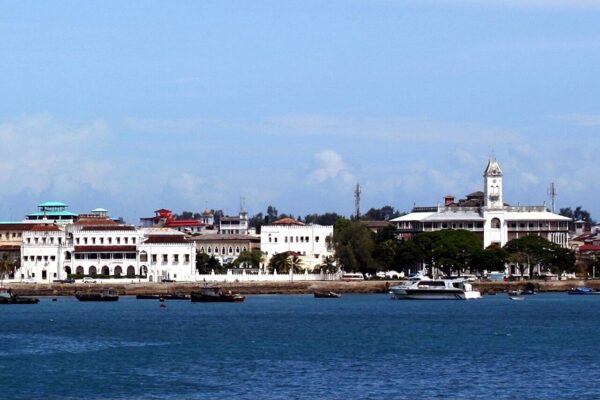
Zanzibar (Stone Town) offers a unique blend of Swahili and Omani heritage, evident in its labyrinthine alleys and historic architecture. This Stone Town travel guide details the accessible costs for a 3-5 day itinerary, focusing on authentic food experiences and budget-friendly exploration. Discover its charm without breaking the bank.
This UNESCO World Heritage site presents a palpable sense of history, where centuries of trade and cultural exchange have shaped its identity. Visitors can immerse themselves in a living museum, exploring ancient doorways, bustling markets, and the remnants of a bygone era. The island’s rich spice trade history is intrinsically linked to Stone Town, offering sensory experiences that extend beyond visual appeal.
Beyond its historical significance, Zanzibar (Stone Town) serves as a gateway to the wider Zanzibar archipelago, known for its pristine beaches and marine life. It provides a stark contrast to the island’s tropical paradises, offering a culturally rich urban experience that complements a beach holiday. For those interested in broader African travel, it’s a vital component of any exploration of East Africa; Browse Africa travel guides for more context.
Who This Guide Is For
This guide is designed for independent travelers planning a 3-5 day exploration of Zanzibar (Stone Town). It is particularly suited for those interested in cultural immersion, historical sites, and culinary exploration on a mid-range budget. Families with older children or couples seeking an authentic, off-the-beaten-path experience will also find value here.
Average Travel Cost in Zanzibar (Stone Town)
The following table outlines average daily expenditures in Zanzibar (Stone Town) for 2026, based on a USD to Tanzanian Shilling (TZS) exchange rate of 1:2500. Tipping culture generally dictates a 10% gratuity at restaurants.
| Category | Budget (USD) | Mid-Range (USD) | Luxury (USD) |
|---|---|---|---|
| Accommodation | 25 | 70 | 200 |
| Food | 15 | 35 | 80 |
| Transport | 5 | 15 | 50 |
| Attractions | 10 | 40 | 100 |
| Misc | 10 | 20 | 50 |
| Daily Total | 65 | 180 | 480 |
Estimated Total Costs:
– 3 Days: Budget $195 | Mid-Range $540 | Luxury $1440
– 7 Days: Budget $455 | Mid-Range $1260 | Luxury $3360
For accommodation, opting for an Airbnb-style apartment or guesthouse can yield significant savings compared to hotels, particularly for longer stays. Budget travelers can expect to save approximately 20-30% on accommodation costs by choosing self-catering options or local guesthouses over traditional hotel rooms. This allows for more discretionary spending on experiences or dining.
Seasonal price variations are notable. The peak season, from June to October, sees the highest demand and thus increased prices for both accommodation and flights. Shoulder seasons (November-December, March-May) offer a balance of good weather and more moderate pricing. The off-season (January-February, and the latter half of May) presents the lowest prices but may coincide with less predictable weather patterns.
Where to Stay in Zanzibar (Stone Town)
Stone Town offers several distinct areas for accommodation, each catering to different traveler preferences and budgets.
Malindi: Known for its proximity to the Old Fort and the House of Wonders, Malindi is a vibrant district buzzing with local life. It offers a more authentic experience for those who enjoy being in the heart of the action.
– Price Range (per night): Budget $20-$40, Mid-Range $50-$100
– Best for: Travelers seeking immersion in local culture, history buffs.
– Insider Tip: Stay on a higher floor to escape some of the street-level noise and enjoy better views.
Kenyatta Road Area: This area is characterized by its narrow streets, historic buildings, and a good selection of boutique hotels and guesthouses. It provides easy access to many of Stone Town’s main attractions.
– Price Range (per night): Budget $30-$50, Mid-Range $60-$150
– Best for: First-time visitors, travelers who prioritize convenience and charm.
– Insider Tip: Look for accommodations in buildings with restored traditional Zanzibari architecture for a unique stay.
Shangani: Situated along the waterfront, this area offers stunning ocean views and is home to more upscale hotels and restaurants. It is also close to the ferry terminal, making it convenient for onward travel.
– Price Range (per night): Mid-Range $80-$200, Luxury $200+
– Best for: Travelers seeking comfort, ocean views, and easy access to amenities.
– Insider Tip: Book rooms with sea-facing balconies for the best experience, especially during sunset.
Best Things to Do in Zanzibar (Stone Town)
Stone Town is rich with historical and cultural attractions, offering a deep dive into its multifaceted past.
Old Fort (Ngome Kongwe)
This 17th-century Swahili fort, constructed by the Omani Arabs, stands as a testament to Zanzibar’s defensive history. Today, it hosts cultural events, artisan shops, and a small amphitheater, serving as a hub for local arts and crafts.
– Average Ticket Price: Free entry to the grounds; events may have separate fees.
– Best Time to Visit: Daytime for exploring the shops and grounds; evenings for scheduled performances.
– Insider Tip: Visit during a local craft market day to find unique souvenirs and interact with artisans directly.
House of Wonders (Beit al-Ajaib)
Once the largest and grandest building in Stone Town, this palace was built for Sultan Barghash bin Said in 1883. It was the first building in Zanzibar to have electricity and an elevator. Currently undergoing extensive restoration, its exterior is still an impressive sight.
– Average Ticket Price: Currently closed for interior viewing due to restoration; exterior viewing is free.
– Best Time to Visit: Anytime for exterior viewing. Check local listings for updates on reopening.
– Insider Tip: Observe the intricate carvings on the wooden doors, which are characteristic of Zanzibari craftsmanship.
Forodhani Gardens Night Market
This bustling waterfront promenade transforms into a vibrant night market each evening, offering an array of local street food. It’s an essential culinary experience, showcasing fresh seafood, Zanzibar pizzas, and local sweets.
– Average Ticket Price: Free to enter; food prices vary per stall (typically $2-$10 per dish).
– Best Time to Visit: From sunset onwards, when vendors set up and the atmosphere is most lively.
– Insider Tip: Try the “Zanzibar pizza,” a unique savory or sweet crepe filled with various ingredients. Negotiate prices politely if purchasing multiple items.
Slave Market Site and Anglican Cathedral
This historically significant site marks the former location of Zanzibar’s slave market. The Anglican Cathedral, built on the site in 1873, incorporates a memorial within its grounds, offering a somber but important reflection on the island’s past.
– Average Ticket Price: Donation requested for the museum ($5-$10).
– Best Time to Visit: Daytime to fully absorb the historical context and exhibits.
– Insider Tip: Take time to read the informative plaques and consider a guided tour for deeper understanding.
Darajani Market
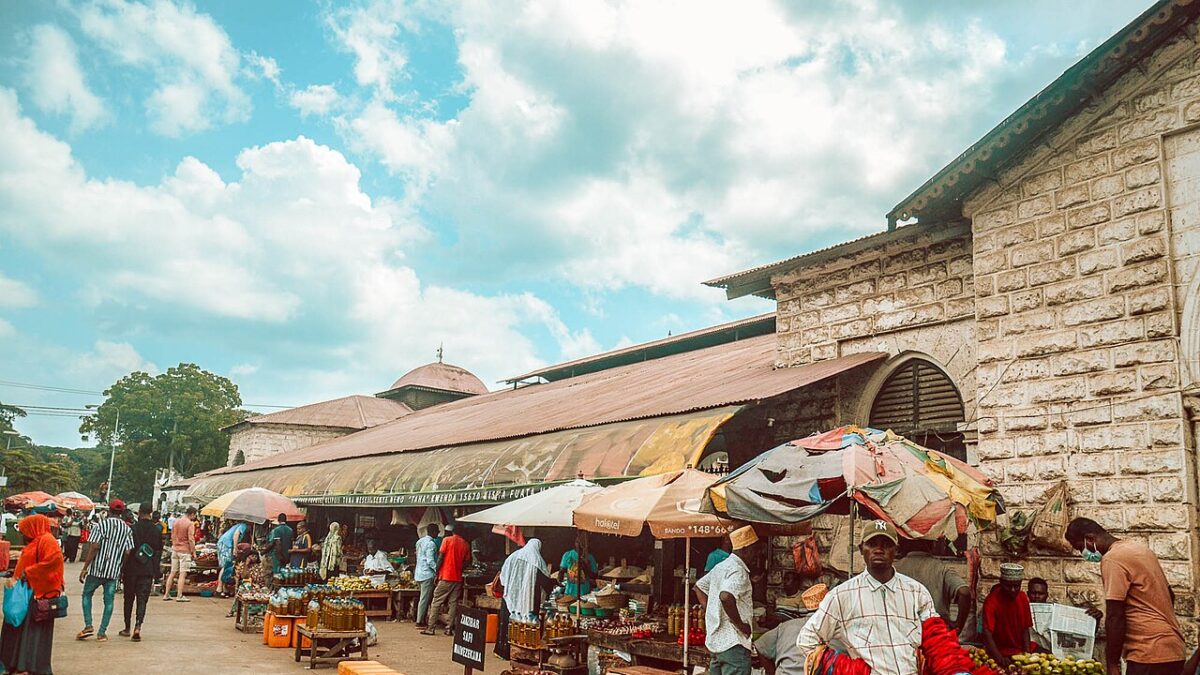
The central market of Stone Town, Darajani is a sensory overload of sights, sounds, and smells. It’s where locals shop for fresh produce, spices, fish, meat, and household goods, offering an authentic glimpse into daily life.
– Average Ticket Price: Free to enter.
– Best Time to Visit: Early morning, from 7 AM to 10 AM, for the most vibrant activity and freshest goods.
– Insider Tip: Be prepared for crowds and embrace the bustling atmosphere. Photography is generally permitted, but it’s polite to ask permission before photographing individuals.
Emerson on Hurumzi Rooftop Restaurant
While primarily a restaurant, the rooftop of Emerson on Hurumzi offers unparalleled panoramic views of Stone Town and the ocean. It’s an excellent spot for sunset drinks or a meal, providing a unique perspective on the city’s architecture.
– Average Ticket Price: Free to enter if dining or having drinks; prices for meals vary ($20-$50).
– Best Time to Visit: Late afternoon for sunset drinks or an early dinner.
– Insider Tip: Book a table in advance, especially for sunset, to secure a prime spot with unobstructed views.
Where to Eat in Zanzibar (Stone Town)
Zanzibar’s cuisine is a delicious fusion of African, Arab, Indian, and European influences, with a strong emphasis on spices.
1. The Silk Route:
– Cuisine: Indian/Fusion
– Price Range: $15-$30 per meal
– What to Order: Butter chicken, seafood curries, paneer dishes. The extensive menu offers a wide range of flavors.
– Location Tip: Located in a beautifully restored historic building, offering a refined dining atmosphere.
2. Lukmaan Restaurant:
– Cuisine: Zanzibari/Swahili
– Price Range: $5-$15 per meal
– What to Order: Pilau rice, biryani, grilled fish, and fresh juices. A local favorite for authentic flavors.
– Location Tip: A popular, bustling spot near the Darajani Market, offering a true local dining experience. Expect a lively atmosphere.
3. Forodhani Gardens Night Market:
– Cuisine: Street Food/Seafood
– Price Range: $2-$10 per meal
– What to Order: Zanzibar pizza (savory or sweet), grilled octopus, sugarcane juice, samosas, and various seafood skewers.
– Location Tip: The entire waterfront is dedicated to food stalls. Wander and observe before deciding on a stall.
4. Emerson Spice Tea House:
– Cuisine: Zanzibari/Fusion
– Price Range: $10-$25 per meal
– What to Order: Seafood tagines, unique spice-infused dishes, and their famous spiced tea.
– Location Tip: Part of the historic Emerson Spice Hotel, it offers a charming, intimate setting with a focus on aromatic flavors.
3-Day Zanzibar (Stone Town) Itinerary
This itinerary balances historical exploration, cultural immersion, and culinary discovery.
Day 1
– Evening (4:00 PM onwards): Arrive in Zanzibar (Stone Town), check into your accommodation. Begin your exploration with a sunset visit to the Forodhani Gardens Night Market. Sample local delicacies and soak in the vibrant atmosphere.
– Estimated Daily Cost: $80 (assuming mid-range accommodation and dining)
Day 2
– Morning (9:00 AM – 1:00 PM): Immerse yourself in history with a guided walking tour of Stone Town’s narrow streets. Visit the Old Fort, the House of Wonders (exterior viewing), and the Slave Market Site and Anglican Cathedral.
– Afternoon (1:00 PM – 4:00 PM): Enjoy lunch at Lukmaan Restaurant for authentic Zanzibari cuisine. Afterwards, explore the Darajani Market to experience the local trade and sensory richness.
– Evening (6:00 PM onwards): Enjoy dinner at The Silk Route for a taste of Indian-inspired flavors, followed by a leisurely stroll through the illuminated streets.
– Estimated Daily Cost: $120 (includes guided tour, mid-range dining, market purchases)
Day 3
– Morning (10:00 AM – 1:00 PM): Visit the House of Curiosities or a local spice shop to learn about Zanzibar’s famous spice trade. Consider a short spice tour if time permits, though this may require travel outside Stone Town.
– Afternoon (1:00 PM – 4:00 PM): Have lunch at the Emerson Spice Tea House. Spend the afternoon browsing the artisan shops and galleries within the Old Fort or along the waterfront.
– Evening (5:00 PM onwards): Enjoy a final sunset view from the Emerson on Hurumzi Rooftop Restaurant with drinks, followed by dinner at a restaurant of your choice, perhaps revisiting a favorite or trying a new spot.
– Estimated Daily Cost: $150 (includes lunch, rooftop drinks, dinner, shopping)
Transportation Guide
Getting around Zanzibar (Stone Town) is relatively straightforward.
From the Airport (Abeid Amani Karume International Airport – ZNZ): Taxis are readily available outside the arrivals hall. The journey to Stone Town typically takes 15-20 minutes and costs approximately $10-$15. Pre-booking through your accommodation can sometimes secure better rates.
Public Transit: Within Stone Town, walking is the most effective and enjoyable method of transportation due to its narrow, winding streets. For longer distances or trips to other parts of the island, “Dala-dalas” (minibuses) are the cheapest option, but they can be crowded and follow less predictable schedules.
Taxis and Rideshare: Taxis are plentiful and can be hailed on the street or arranged through hotels. Negotiate the fare before starting your journey. While rideshare apps like Uber or Bolt are not as prevalent as in larger African cities, some local services are emerging. For comparison, consider how rideshare services operate in cities like Dakar.
Costs:
– Dala-dala rides: $0.50 – $1 per trip within Stone Town or to nearby areas.
– Taxis within Stone Town: $3-$5 for short trips.
– Taxis to other parts of the island: $30-$60 depending on distance.
Practical Tips: Always agree on a price with taxi drivers before the journey begins. Dala-dalas are an authentic experience but require patience and flexibility.
Money-Saving Tips
Maximizing your travel budget in Zanzibar (Stone Town) requires strategic planning and local knowledge.
Pro Tip 1: Utilize local eateries and street food vendors, especially at Forodhani Gardens and Lukmaan Restaurant, to significantly reduce food expenses. Budgeting $15-$25 per day for food allows for sampling local dishes without overspending, compared to $35-$80 at mid-range and luxury establishments.
Pro Tip 2: For accommodation, opt for guesthouses or Airbnb-style rentals located slightly away from the prime waterfront locations. This can lead to savings of 20-40% on nightly rates, allowing for more funds for activities and experiences. For example, a $70 mid-range hotel room might be found for $40-$50 in a less central but still convenient area.
Pro Tip 3: Engage in self-guided walking tours of Stone Town instead of always opting for organized tours. While guided tours offer valuable insights, many historical sites and charming streets can be explored independently. Allocate $10-$20 per day for attractions and save on guide fees, which can range from $20-$50 per tour.
Common Travel Mistakes
Avoiding common pitfalls can enhance your Zanzibar (Stone Town) experience.
Mistake 1: Overreliance on expensive tourist-oriented restaurants. Many visitors overlook the incredible value and authentic flavors found in local eateries and street food stalls. Consistently eating at high-end restaurants can double or triple your daily food budget. Instead, seek out places recommended by locals or those with busy, authentic atmospheres.
Mistake 2: Not carrying enough small denominations of Tanzanian Shillings (TZS). While USD is accepted in many tourist establishments, for smaller purchases, local markets, dala-dalas, and smaller vendors, TZS is essential. Exchanging large sums at once can lead to less favorable rates, and credit card acceptance is not universal. Keep a small amount of TZS on hand for daily expenses.
Frequently Asked Questions
How much money do you need for 3 days in Zanzibar (Stone Town)?
For a 3-day trip to Zanzibar (Stone Town), a budget traveler can expect to spend approximately $195. A mid-range traveler will likely spend around $540, while a luxury trip could cost upwards of $1440. These figures cover accommodation, food, transport, and activities, utilizing the daily cost estimates provided.
Is Zanzibar (Stone Town) expensive for tourists?
Zanzibar (Stone Town) can be managed on various budgets. While luxury accommodations and fine dining exist, budget and mid-range options are plentiful, making it accessible. Compared to some major tourist hubs, like potentially Kuala Lumpur, it offers reasonable value, especially if you leverage local experiences and food.
What is the best area to stay in Zanzibar (Stone Town)?
The best area to stay depends on your priorities. Malindi offers immersion in local life, Kenyatta Road Area provides convenience and charm for first-timers, and Shangani is ideal for ocean views and upscale amenities. All are within walking distance of key attractions.
Can you visit Zanzibar (Stone Town) without a car?
Absolutely. Stone Town is highly walkable, and most attractions are within easy reach on foot. For travel to other parts of the island, local taxis and “dala-dalas” are readily available and cost-effective alternatives to renting a car.
What is the cheapest month to visit Zanzibar (Stone Town)?
The cheapest months to visit Zanzibar (Stone Town) are typically during the off-season, which includes January, February, and the latter half of May. During these periods, you can find lower prices on flights and accommodation, although weather can be more variable.

Kai has visited 60+ countries across 6 continents, with a obsession for one thing most travelers ignore: the real cost of getting there. Former budget backpacker turned data-driven travel writer, Kai breaks down destination costs so you can plan smarter — not just dream bigger. Based everywhere, from nowhere in particular.