Yogyakarta: Land of Sultans and Soul
Why Visit Yogyakarta?
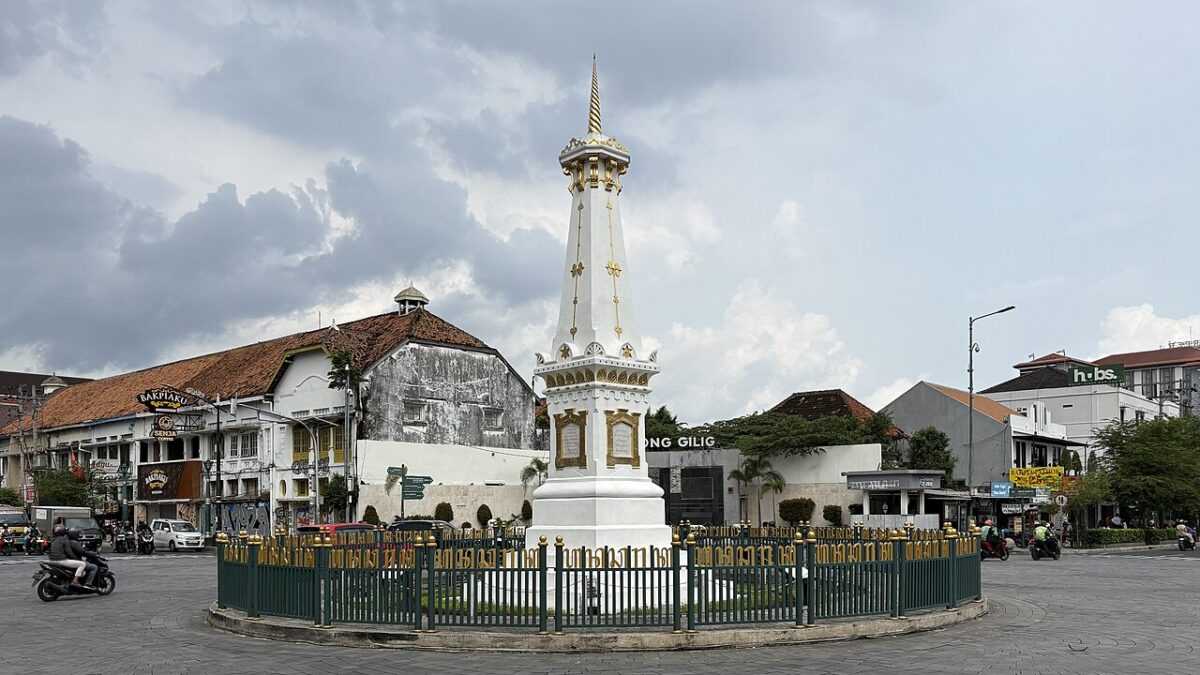
Yogyakarta offers a compelling blend of ancient heritage and vibrant contemporary culture, making it a prime destination for discerning travelers. This Yogyakarta travel guide highlights affordable costs, diverse neighborhoods, and a rich culinary scene, ideal for itineraries from three to seven days. Explore magnificent temples, witness traditional arts, and savor authentic Javanese cuisine.
The city, often abbreviated as Jogja, serves as Java’s cultural and artistic epicenter. It is renowned for its royal heritage, artistic innovation, and the profound spiritual significance of its surrounding ancient sites. Visitors can immerse themselves in traditional batik-making, shadow puppetry (wayang kulit), and gamelan music, experiencing a living cultural tapestry that remains deeply ingrained in daily life. To get a broader perspective on travel within the region, Browse Asia travel guides.
Who This Guide Is For
This guide is tailored for independent travelers seeking an authentic cultural experience with an emphasis on value. It is particularly suited for first-time visitors planning a 3-5 day trip, budget-conscious explorers aiming for daily expenses around $60-$175, and those prioritizing culinary exploration and historical immersion.
Average Travel Cost in Yogyakarta
| Category | Budget | Mid-Range | Luxury |
|---|---|---|---|
| Accommodation | $20 | $60 | $150 |
| Food | $10 | $30 | $80 |
| Transport | $5 | $20 | $50 |
| Attractions | $15 | $40 | $100 |
| Misc | $10 | $25 | $75 |
| Daily Total | $60 | $175 | $455 |
Estimated total costs for different trip durations are as follows:
- 3-Day Trip: Budget: $180 | Mid-Range: $525 | Luxury: $1365
- 7-Day Trip: Budget: $420 | Mid-Range: $1225 | Luxury: $3185
When comparing accommodation options, opting for Airbnb-style rentals can offer significant savings, particularly for longer stays or for groups. While hotels provide consistent amenities and services, private rooms or entire apartments on platforms like Airbnb can reduce the nightly accommodation cost by 20-40% compared to mid-range hotels, allowing for more budget allocation to experiences and dining.
The most favorable period for visiting Yogyakarta is typically from May to September, coinciding with the dry season. During this peak season, prices for accommodation and flights may see a marginal increase of 10-15%. Shoulder seasons (April, October) offer a balance of good weather and fewer crowds, while the wet season (November-March) presents the lowest prices, with potential discounts of up to 20% on lodging, though outdoor activities may be impacted by rain.
For a detailed breakdown of travel expenses, consider using a travel cost calculator.
Where to Stay in Yogyakarta
Prawirotaman
This neighborhood is a former colonial residential area now buzzing with expatriates, travelers, and local artists. It’s known for its laid-back atmosphere, trendy cafes, guesthouses, and boutique shops.
Price Range: Budget $15-30 | Mid-Range $40-70 per night.
Best for: Solo travelers, couples, and digital nomads seeking a social yet relaxed environment.
Insider Tip: Explore the smaller alleyways off the main streets to discover hidden art studios and local eateries.
Sosrowijayan (Malioboro Area)
Centrally located and adjacent to the bustling Malioboro Street, Sosrowijayan offers a more budget-friendly and lively experience. It’s a hub for backpackers, with numerous hostels, guesthouses, and street food vendors.
Price Range: Budget $10-25 | Mid-Range $30-50 per night.
Best for: Backpackers and budget travelers who want to be in the heart of the action and close to shopping.
Insider Tip: Stay slightly off Malioboro Street itself for quieter nights while remaining within a short walking distance of all the main attractions.
Kotagede
Historically significant as the first capital of the Mataram Sultanate, Kotagede is renowned for its traditional silver craftsmanship and well-preserved ancient architecture, including the royal cemetery.
Price Range: Budget $20-35 | Mid-Range $50-80 per night.
Best for: Travelers interested in history, traditional crafts, and a more authentic, less tourist-centric Javanese experience.
Insider Tip: Visit a silver workshop and observe the intricate manual process of creating silver jewelry; many offer custom orders.
Best Things to Do in Yogyakarta
Borobudur Temple
This UNESCO World Heritage site is the world’s largest Buddhist temple and an architectural marvel, featuring nine stacked platforms adorned with intricate reliefs and over 500 Buddha statues. Its spiritual significance and scale make it a must-visit.
Average Ticket Price: $25 (international visitors)
Best Time to Visit: Early morning (sunrise tours are popular but crowded) or late afternoon to avoid the midday heat and peak tourist groups.
Insider Tip: Purchase tickets online in advance to save time. Consider hiring a local guide at the entrance to understand the temple’s rich history and symbolism.
Prambanan Temple
A magnificent Hindu temple complex dedicated to the Trimurti (Brahma, Vishnu, and Shiva), Prambanan is a testament to Java’s pre-Islamic past and a UNESCO World Heritage site. Its towering spires and intricate carvings are breathtaking.
Average Ticket Price: $25 (international visitors)
Best Time to Visit: Late afternoon to witness the golden hour light on the temples. The Ramayana ballet performance held here in the evenings is highly recommended.
Insider Tip: Rent a bicycle to easily navigate the sprawling complex and visit the smaller surrounding temples at your own pace.
Sultan’s Palace (Kraton Ngayogyakarta Hadiningrat)
This is the cultural heart of Yogyakarta, serving as the official residence of the Sultan and a living museum showcasing Javanese art, architecture, and traditions. It offers a glimpse into the royal way of life.
Average Ticket Price: $10
Best Time to Visit: Morning to catch the cultural performances (e.g., gamelan, wayang kulit) that are often scheduled then.
Insider Tip: Dress respectfully (shoulders and knees covered). Arrive early to avoid queues and enjoy the quieter atmosphere.
Taman Sari (Water Castle)
Once a royal garden and bathing complex for the Sultan and his harem, Taman Sari is a fascinating historical site with intricate underground tunnels, hidden pools, and a unique architectural blend. It provides a sense of intrigue and history.
Average Ticket Price: $5
Best Time to Visit: Mid-morning before it gets too hot and crowded. The underground mosque is particularly atmospheric.
Insider Tip: Explore the surrounding residential areas that have sprung up around the complex; you can often find local artisans and unique souvenirs.
Malioboro Street
The quintessential shopping street of Yogyakarta, Malioboro is a vibrant thoroughfare lined with batik shops, souvenir stalls, street food vendors, and traditional horse-drawn carriages (andongs). It’s a sensory overload and an essential part of the Jogja experience.
Average Ticket Price: Free (shopping and food costs vary)
Best Time to Visit: Evening when the street comes alive with lights, music, and a bustling atmosphere.
Insider Tip: Practice your bargaining skills politely, especially at the smaller stalls. Try the local gudeg (jackfruit stew) from a street vendor.
Mount Merapi
As one of Indonesia’s most active volcanoes, Mount Merapi offers dramatic landscapes and adventurous activities. Jeep tours provide an exhilarating way to explore the volcanic terrain and learn about past eruptions.
Average Ticket Price: $30-50 for a jeep tour (depending on duration and route)
Best Time to Visit: Dry season (May-September) for clearer views and safer tour conditions. Tours typically run from morning to late afternoon.
Insider Tip: Book your jeep tour through a reputable operator. Opt for a longer tour to explore more remote areas and learn about the local communities affected by eruptions.
Where to Eat in Yogyakarta
- Gudeg Yu Djum – Cuisine: Traditional Javanese (Gudeg). Price Range: $5-10 per meal. What to Order: Nasi Gudeg Komplit (rice with jackfruit stew, chicken, egg, and krecek). Location Tip: Multiple branches, but the original is in the Wijilan area.
- Warung Bu Ageng – Cuisine: Authentic Javanese Home Cooking. Price Range: $7-15 per meal. What to Order: Various small dishes like ayam goreng (fried chicken), tempe bacem (sweetened fried tempeh), and sayur asem (sour vegetable soup). Location Tip: Located in a quiet residential area, offering a more intimate dining experience.
- Angkringan Tiga Rasa – Cuisine: Indonesian Street Food. Price Range: $2-5 per meal. What to Order: Nasi kucing (small rice portions with various toppings), sate (satay skewers), and wedang ronde (ginger-based warm drink). Location Tip: These are informal roadside stalls; look for one with a lively atmosphere, often found near train stations or busy intersections.
- Bebek Goreng Timbul Roso – Cuisine: Indonesian (specializing in crispy duck). Price Range: $10-20 per meal. What to Order: Bebek goreng kremes (crispy fried duck with seasoned crumbs). Location Tip: A popular spot known for its tender and flavorful duck dishes.
3-Day Yogyakarta Itinerary
Day 1
Morning: Arrive in Yogyakarta, check into your accommodation. Begin with a visit to the Sultan’s Palace (Kraton) and the adjacent Taman Sari (Water Castle) to immerse yourself in royal history and architecture. (Estimated Cost: $15)
Afternoon: Explore Malioboro Street for souvenir shopping and to experience the city’s vibrant pulse. Enjoy lunch at a street food stall or a local warung. (Estimated Cost: $10)
Evening: Witness a traditional Ramayana ballet performance at Prambanan Temple (check schedule and book in advance) or enjoy dinner in the Prawirotaman area, known for its diverse culinary scene. (Estimated Cost: $30 including performance ticket)
Estimated Daily Cost: $55
Day 2
Morning: Early start for a sunrise tour to Borobudur Temple. Allow ample time to explore the magnificent structure and its surroundings. (Estimated Cost: $30 including transport and entrance fee)
Afternoon: Visit the nearby Mendut Temple and Pawon Temple, smaller but significant Buddhist sites. Return to Yogyakarta and enjoy a relaxed afternoon, perhaps exploring a batik workshop. (Estimated Cost: $20)
Evening: Experience a traditional Javanese dinner at a restaurant specializing in Gudeg, the city’s signature dish. (Estimated Cost: $15)
Estimated Daily Cost: $65
Day 3
Morning: Embark on a half-day jeep tour to the slopes of Mount Merapi to witness the volcanic landscape and learn about its impact on local life. (Estimated Cost: $40 including tour)
Afternoon: Explore the historic Kotagede area, known for its silver crafts and ancient royal cemetery. Enjoy lunch in Kotagede. (Estimated Cost: $15)
Evening: Enjoy a final Javanese meal at an Angkringan for a truly local experience. Depart from Yogyakarta or continue your travels. (Estimated Cost: $10)
Estimated Daily Cost: $65
Transportation Guide
Getting from the Airport: Adisutjipto International Airport (JOG) is the main gateway. Taxis are readily available; agree on a fare before starting or use a ride-hailing app. Ride-sharing services like Grab are also prevalent and often more economical. A taxi to the city center can range from $5-$10.
Public Transit: TransJogja buses operate on several routes throughout the city, connecting major attractions and transport hubs. A single ride typically costs less than $1. However, routes can be confusing for first-time visitors, and service frequency may vary.
Rideshare: Grab and Gojek are the dominant ride-sharing platforms in Yogyakarta, offering car and motorcycle taxi services. They are convenient, relatively inexpensive, and provide transparent pricing. Motorcycle taxis (ojek) are particularly efficient for navigating congested streets.
Practical Tips: For exploring central areas like Malioboro, walking is often the most practical option. Consider hiring a local becak (cycle rickshaw) for short distances; negotiate the price beforehand. For longer excursions to Borobudur or Prambanan, booking a private car with a driver for the day is recommended for comfort and efficiency, typically costing $30-$50.
Money-Saving Tips
Pro Tip 1: Take advantage of the extensive street food scene and local warungs for meals. By consuming at least two meals per day from these establishments, you can reduce your daily food budget by approximately $15-$20 compared to dining in mid-range restaurants.
Pro Tip 2: Utilize ride-sharing apps like Grab or Gojek for transportation, especially for motorcycle taxis (ojek), which are significantly cheaper than traditional taxis for solo travelers. Opting for ojek for most journeys can save $10-$15 per day on transport costs.
Pro Tip 3: Purchase attraction combo tickets or city passes if available, as they often offer a discount compared to buying individual tickets. For major sites like Borobudur and Prambanan, booking through your accommodation or a reputable local tour operator might yield better package deals.
Common Travel Mistakes
Mistake 1: Underestimating travel times between attractions. Yogyakarta’s traffic can be unpredictable, and distances between sites like Borobudur and Prambanan can be significant. Factor in at least 1-1.5 hours of travel time between these two major temples, and allow extra buffer time for road conditions.
Mistake 2: Not carrying enough small denomination Rupiah (IDR). While larger establishments accept cards, many local shops, street food vendors, and smaller attractions operate on a cash-only basis. Always have sufficient small bills for immediate purchases to avoid inconvenience.
Frequently Asked Questions
How much money do you need for 3 days in Yogyakarta?
For a 3-day trip to Yogyakarta, budget travelers can expect to spend around $180. Mid-range travelers might allocate approximately $525, while luxury travelers could budget up to $1365. These figures cover accommodation, food, transport, and attraction entrance fees, reflecting the varying comfort levels and activity choices available.
Is Yogyakarta expensive for tourists?
Yogyakarta is generally considered an affordable destination for tourists, especially when compared to other major Southeast Asian cities or popular Indonesian islands like Bali. Daily expenses can range from $60 for a budget traveler to $175 for a mid-range experience, making it accessible for a wide range of budgets. If you’re considering a trip to another popular Indonesian destination, check out our Bali (Denpasar) travel guide.
What is the best area to stay in Yogyakarta?
The best area to stay depends on your priorities. Prawirotaman is ideal for travelers seeking a trendy, social atmosphere with cafes and guesthouses. Sosrowijayan, near Malioboro Street, is excellent for budget travelers and backpackers wanting central access. For a more historical and cultural immersion, consider staying in or near Kotagede.
Can you visit Yogyakarta without a car?
Yes, it is entirely possible to visit Yogyakarta without a car. The city has a decent public bus system (TransJogja), and ride-sharing apps like Grab and Gojek offer affordable car and motorcycle taxi services. For day trips to sites like Borobudur, organized tours or private car hires are readily available.
What is the cheapest month to visit Yogyakarta?
The cheapest months to visit Yogyakarta typically fall within the wet season, generally from November to March. During this period, you may find lower prices on accommodation and flights, with potential discounts of up to 20%. However, be prepared for potential rainfall which could affect outdoor activities.
For those looking to compare travel costs with other destinations, you might find it useful to Check travel costs in Mostar, or perhaps Compare with Kyoto.
To explore more of what Indonesia has to offer, consult our complete Indonesia travel guide.

Kai has visited 60+ countries across 6 continents, with a obsession for one thing most travelers ignore: the real cost of getting there. Former budget backpacker turned data-driven travel writer, Kai breaks down destination costs so you can plan smarter — not just dream bigger. Based everywhere, from nowhere in particular.