5 Days in DC: Monuments & Museums
Why Visit Washington DC?
This Washington DC travel guide offers a comprehensive overview for planning your 2026 visit. Discover manageable costs, diverse neighborhoods, a flexible itinerary, and exceptional culinary experiences. Washington DC presents a unique blend of historical significance, political power, and burgeoning cultural scenes, making it a compelling destination. Explore iconic landmarks, world-class museums, and vibrant districts that reflect the nation’s past and present.
The city serves as the heart of American governance, offering unparalleled access to national monuments, memorials, and institutions that shape global discourse. Beyond its political gravitas, Washington DC boasts a dynamic arts and culture landscape, a sophisticated culinary scene, and distinct neighborhoods, each offering a unique perspective on urban American life. For those seeking to understand the foundations of the United States or to experience a city at the nexus of power and progress, Washington DC provides an enriching and informative journey. our complete United States travel guide can offer further context for your travel planning.
Who This Guide Is For
This guide is designed for first-time visitors planning a 3-5 day trip to Washington DC, seeking a balanced experience of historical sites and local culture. It caters to travelers with a mid-range budget who are interested in maximizing their experience without compromising on comfort or access to key attractions. Families with older children or couples looking for an educational yet engaging city break will find this resource particularly valuable.
Average Travel Cost in Washington DC
The following table outlines the estimated daily costs for different travel budgets in Washington DC. These figures are based on current market research and are subject to change in 2026.
| Category | Budget | Mid-Range | Luxury |
|---|---|---|---|
| Accommodation | $75 | $200 | $450 |
| Food | $40 | $80 | $150 |
| Transport | $15 | $40 | $100 |
| Activities | $20 | $60 | $120 |
| Misc | $15 | $30 | $70 |
| Daily Total | $165 | $410 | $890 |
Estimated total costs for popular trip durations:
* 3-Day Trip:
* Budget: $495
* Mid-Range: $1,230
* Luxury: $2,670
* 7-Day Trip:
* Budget: $1,155
* Mid-Range: $2,870
* Luxury: $6,230
When comparing accommodation options, choosing an Airbnb-style rental can offer significant savings over traditional hotels, particularly for longer stays or for groups. While hotels typically include daily housekeeping and on-site amenities, rentals often provide more space, kitchen facilities for preparing meals, and can reduce the per-person cost, especially in neighborhoods outside the immediate downtown core. Utilizing our travel cost calculator can help you refine these estimates.
Seasonal price fluctuations impact travel costs in Washington DC. Peak season, generally April through May, coincides with blooming cherry blossoms and pleasant weather, leading to higher prices for accommodation and flights. Shoulder seasons (March, June, September, October) offer a good balance of favorable weather and moderate pricing. The off-season, from November through February (excluding holidays), presents the lowest prices but comes with colder weather and potentially fewer outdoor activities.
Where to Stay in Washington DC
Capitol Hill
This historic neighborhood is known for its charming residential streets, iconic government buildings, and proximity to major attractions like the Capitol Building and Supreme Court.
* Price Range: Budget $100-$150, Mid-Range $180-$280 per night.
* Best for: History enthusiasts, political observers, and those prioritizing easy access to federal sites.
* Insider Tip: Book accommodation well in advance, especially during congressional sessions or major events, as availability can be limited.
Dupont Circle
Famous for its vibrant nightlife, eclectic dining scene, art galleries, and lively atmosphere, Dupont Circle is a hub for culture and social activity.
* Price Range: Budget $120-$170, Mid-Range $190-$300 per night.
* Best for: Young professionals, couples, and travelers seeking a dynamic urban experience with diverse entertainment options.
* Insider Tip: Explore the side streets off Connecticut Avenue for hidden gems in terms of restaurants and boutique shops.
Penn Quarter/Chinatown
This area offers a dynamic mix of entertainment, including theaters, museums, sports arenas, and a wide array of restaurants, making it a bustling destination.
* Price Range: Budget $110-$160, Mid-Range $170-$270 per night.
* Best for: Families, couples, and individuals looking for a central location with numerous activities and dining choices within walking distance.
* Insider Tip: Take advantage of pre-theater dinner deals at many restaurants in the area for a more affordable dining experience.
Best Things to Do in Washington DC
National Mall and Memorial Parks
This expansive urban park is home to numerous iconic monuments and memorials, including the Lincoln Memorial, Washington Monument, and World War II Memorial, offering a profound connection to American history and values.
* Average Ticket Price: Free.
* Best Time to Visit: Early morning or late afternoon to avoid crowds and experience optimal lighting for photography. Open year-round.
* Insider Tip: Utilize the National Park Service app for self-guided tours and historical context, enhancing your understanding of each monument.
Smithsonian National Museum of Natural History
One of the most visited museums in the world, it houses an unparalleled collection of natural wonders, from dinosaur fossils to the Hope Diamond, providing a comprehensive look at Earth’s biodiversity and human history.
* Average Ticket Price: Free.
* Best Time to Visit: Weekdays, ideally in the morning upon opening, to experience the most popular exhibits with fewer visitors.
* Insider Tip: Focus on specific halls or exhibits that interest you most, as seeing the entire museum in one visit is impractical.
National Air and Space Museum
This museum chronicles humanity’s quest for flight and space exploration, featuring iconic artifacts such as the Wright brothers’ flyer and the Apollo 11 command module.
* Average Ticket Price: Free (timed passes may be required for entry during peak periods).
* Best Time to Visit: Immediately after opening or late afternoon on weekdays to avoid the largest crowds.
* Insider Tip: Check the museum’s website for special exhibitions and planetarium shows, which often require separate, though sometimes free, reservations.
United States Capitol Building
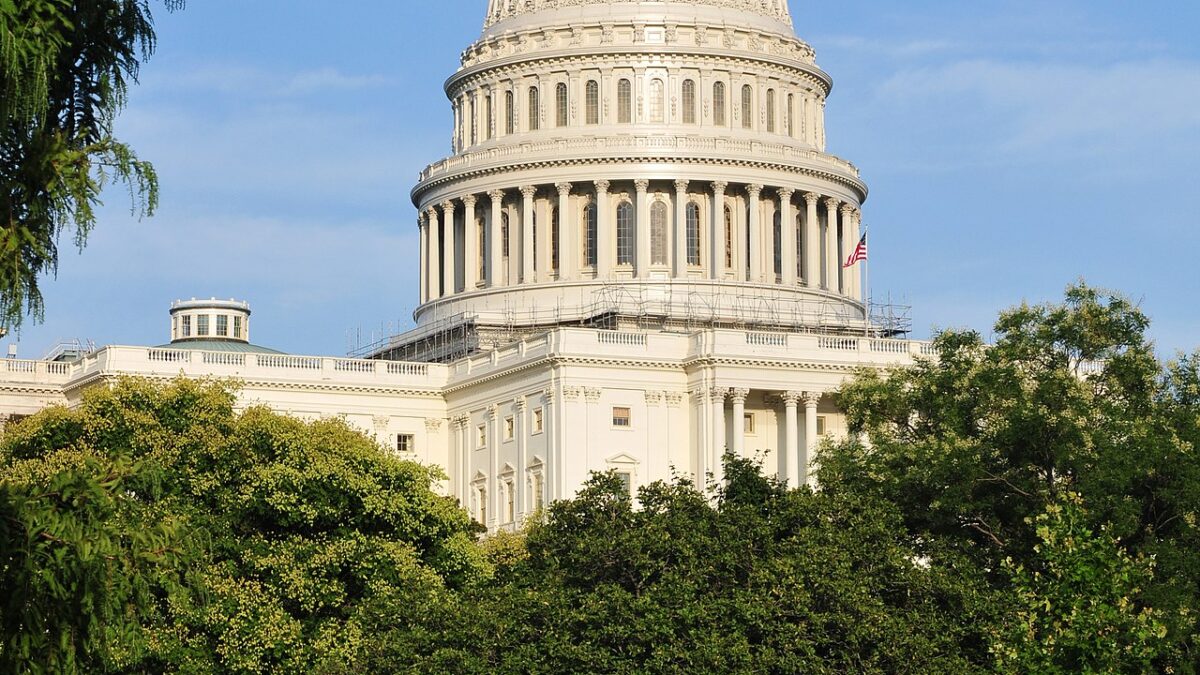
The seat of the U.S. Congress, this architectural marvel offers insights into American democracy and governance, with stunning Rotunda artwork and chambers where historical decisions were made.
* Average Ticket Price: Free (guided tours are highly recommended).
* Best Time to Visit: Book tours in advance through your Representative or Senator’s office, or via the Capitol Visitor Center website. Weekdays are generally less crowded than weekends.
* Insider Tip: Allow ample time for security screening, which can be extensive. Consider visiting the Library of Congress, adjacent to the Capitol, for further historical immersion.
National Museum of American History
This museum preserves and displays the artifacts of American life, from the Star-Spangled Banner to Dorothy’s ruby slippers, illustrating the nation’s social, cultural, and political development.
* Average Ticket Price: Free.
* Best Time to Visit: Mid-morning on weekdays to navigate the crowds more easily.
* Insider Tip: Prioritize exhibits that align with your interests; the sheer volume of artifacts requires strategic viewing.
International Spy Museum
An engaging and interactive museum dedicated to the world of espionage, it showcases the tools, techniques, and history of spying with captivating exhibits and real-life stories.
* Average Ticket Price: Approximately $30-$40 per adult.
* Best Time to Visit: Book tickets online in advance, especially for weekend or holiday visits. Consider visiting on a weekday afternoon.
* Insider Tip: Engage with the interactive exhibits; they are designed to be educational and entertaining, offering a deeper understanding of spycraft. This offers a contrast to the historical focus of many other DC attractions. Compare with Tulum for a vastly different travel experience.
Where to Eat in Washington DC
* Cuisine: Ethiopian
* Price Range: $15-$30 per meal
What to Order: Injera (sourdough flatbread) served with a variety of stews like Doro Wat (spicy chicken) or Misir Wat* (spicy red lentils).
* Location Tip: U Street Corridor is historically known for its vibrant Ethiopian restaurant scene.
* Cuisine: Chesapeake Bay Seafood
* Price Range: $25-$50 per meal
* What to Order: Steamed crabs, crab cakes, and oyster po’boys.
* Location Tip: Restaurants along the waterfront in the Southwest Waterfront district offer fresh catches and scenic views.
* Cuisine: Modern American with Global Influences
* Price Range: $35-$70 per meal
* What to Order: Seasonal tasting menus or signature dishes showcasing innovative culinary techniques.
* Location Tip: Logan Circle and Shaw neighborhoods are emerging culinary hotspots with critically acclaimed restaurants.
* Cuisine: Food Trucks (Diverse)
* Price Range: $10-$20 per meal
* What to Order: Varies by truck, but popular options include gourmet tacos, Korean BBQ, and artisanal grilled cheese sandwiches.
* Location Tip: Many trucks congregate around Farragut Square and McPherson Square during weekday lunch hours.
3-Day Washington DC Itinerary
Day 1
* Morning: Begin at the National Mall. Visit the Washington Monument (book tickets in advance for access to the top for panoramic views) and the World War II Memorial.
* Afternoon: Explore the National Museum of American History, focusing on exhibits like the Star-Spangled Banner and the First Ladies’ gowns.
* Evening: Enjoy dinner at a restaurant in the Penn Quarter/Chinatown area, followed by a performance at one of the district’s theaters, such as Ford’s Theatre.
* Estimated Daily Cost: $250 (Mid-Range)
Day 2
* Morning: Immerse yourself in the wonders of the National Museum of Natural History, prioritizing the Hall of Mammals and the Ocean Hall.
* Afternoon: Walk to the Lincoln Memorial and Reflecting Pool, then proceed to the Martin Luther King, Jr. Memorial. Consider a visit to the nearby FDR Memorial.
* Evening: Experience the vibrant Ethiopian food scene on U Street for dinner, then explore the neighborhood’s historic jazz clubs.
* Estimated Daily Cost: $220 (Mid-Range)
Day 3
* Morning: Visit the United States Capitol Building for a guided tour (book in advance) and explore the Capitol Visitor Center.
* Afternoon: Head to the National Air and Space Museum to marvel at aviation history. If time permits, visit the National Archives to see the Declaration of Independence.
* Evening: Enjoy a farewell dinner at a restaurant in Dupont Circle, known for its diverse culinary offerings.
* Estimated Daily Cost: $260 (Mid-Range)
Transportation Guide
Getting to Washington DC is most efficiently done via air through Reagan National Airport (DCA), Dulles International Airport (IAD), or Baltimore/Washington International Thurgood Marshall Airport (BWI). DCA is the closest to the city center and is accessible via the Metro. IAD and BWI require bus or taxi/rideshare services to reach the city.
Public transportation within Washington DC is primarily managed by the Washington Metropolitan Area Transit Authority (WMATA), which operates the Metrorail (subway) and Metrobus systems. A SmarTrip card is recommended for easy fare payment and can be purchased at any Metrorail station. Metrorail operates from approximately 5 AM to midnight on weekdays and extended hours on weekends. Bus routes are extensive, covering areas not reached by the Metro.
Rideshare services such as Uber and Lyft are widely available throughout the city and are a convenient option, especially for late-night travel or when traveling with luggage. Taxi services are also readily available, particularly at major hotels and tourist hubs. For those who prefer to walk or cycle, the city has a growing network of bike lanes and a popular bike-sharing program, Capital Bikeshare. Browse North America travel guides for other city transit options.
Money-Saving Tips
Pro Tip 1: Take advantage of the numerous free attractions. The Smithsonian museums, National Mall memorials, and the National Archives are all free to enter, saving an average of $60-$100 per person on activities over a 3-day trip.
Pro Tip 2: Purchase a 7-day unlimited Metrorail and Metrobus pass for $58 if you plan to use public transportation extensively. This can save nearly $10 per day compared to pay-as-you-go fares for frequent use.
Pro Tip 3: Pack your own reusable water bottle. Many public fountains and water stations are available throughout the city, allowing you to save approximately $5-$10 per day on bottled water purchases.
Common Travel Mistakes
Mistake 1: Underestimating the distances between attractions. While many sites are on or near the National Mall, walking between them can be time-consuming. Plan your route using a map or transit app and factor in travel time to avoid overexertion or missed opportunities.
Mistake 2: Not booking popular attractions or tours in advance. For example, tickets to visit the top of the Washington Monument often sell out weeks in advance. Booking online ahead of your visit ensures access and avoids disappointment, especially during peak tourist seasons.
Frequently Asked Questions
How much money do you need for 3 days in Washington DC?
For a 3-day trip to Washington DC, a budget traveler can expect to spend approximately $495. A mid-range traveler will likely spend around $1,230, while a luxury traveler could spend upwards of $2,670. These estimates cover accommodation, food, transport, and activities, excluding flights.
Is Washington DC expensive for tourists?
Washington DC is considered moderately expensive for tourists, particularly when it comes to accommodation and dining. However, the abundance of free museums and monuments helps to offset costs. For example, a mid-range traveler might spend $410 per day, while a budget traveler can manage on $165 per day.
What is the best area to stay in Washington DC?
The best area to stay depends on your priorities. Capitol Hill offers proximity to federal sites, Dupont Circle provides a lively atmosphere with dining and nightlife, and Penn Quarter/Chinatown is central with entertainment options. Consider your interests and budget when choosing a neighborhood.
Can you visit Washington DC without a car?
Yes, Washington DC is very accessible without a car. The Metrorail and Metrobus systems are efficient for navigating the city, and many major attractions are within walking distance of each other, especially around the National Mall. Rideshare services are also readily available.
What is the cheapest month to visit Washington DC?
The cheapest months to visit Washington DC are typically during the off-season, from November through February, excluding the holiday period. During these months, you can find lower prices on accommodation and flights due to decreased demand and colder weather.

Kai has visited 60+ countries across 6 continents, with a obsession for one thing most travelers ignore: the real cost of getting there. Former budget backpacker turned data-driven travel writer, Kai breaks down destination costs so you can plan smarter — not just dream bigger. Based everywhere, from nowhere in particular.