Venice: Labyrinth of Dreams
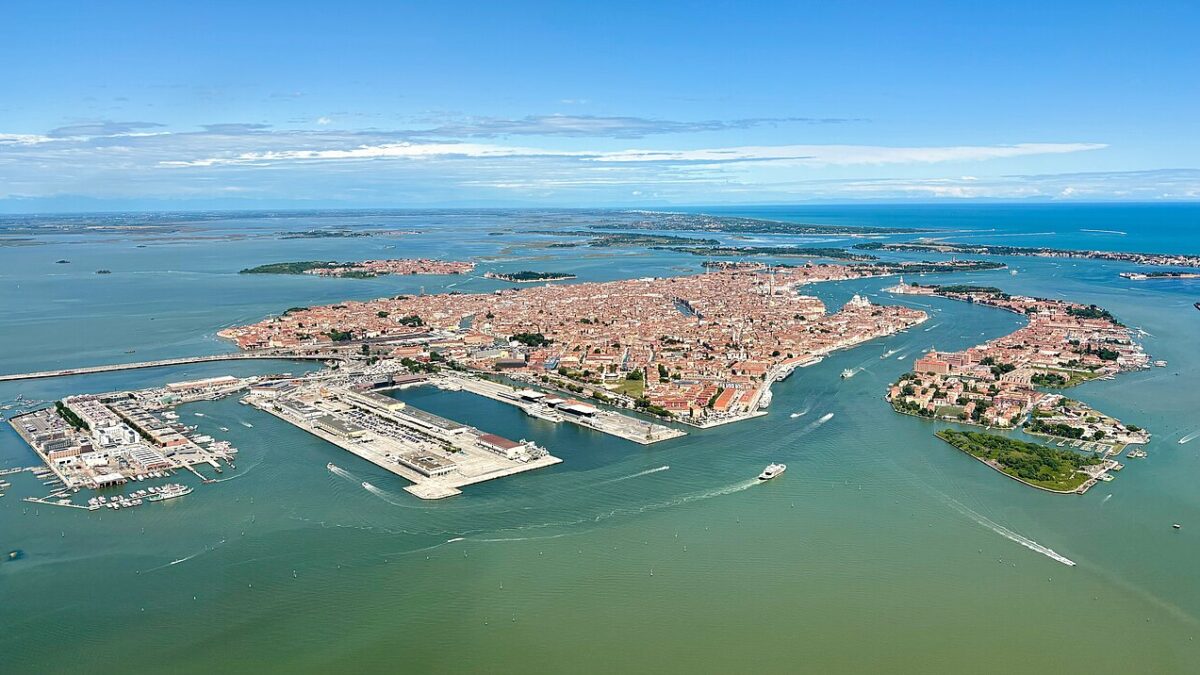
Welcome to the ultimate Venice travel guide, your essential resource for planning an unforgettable journey to Italy’s iconic floating city. This comprehensive guide provides expert insights on things to do in Venice, practical advice on where to stay in Venice, a detailed breakdown of Venice travel cost, and much more. Prepare to navigate its enchanting canals and historic alleys with confidence and ease.
Why Visit Venice?
Venice, often called La Serenissima, offers a travel experience unlike any other on Earth. This city built on water is a mesmerizing labyrinth of canals, historic bridges, and narrow calli, where every turn reveals centuries of art, history, and romance. Its unique architecture, devoid of cars and bustling with the quiet murmur of gondolas, creates an atmosphere of timeless charm.
Beyond its iconic beauty, Venice boasts a rich cultural heritage, evident in its magnificent churches, opulent palaces, and world-class art collections. From the grandeur of St. Mark’s Square to the vibrant artisan workshops of Murano and Burano, the city promises a sensory feast. Visiting Venice is not merely a trip; it is an immersion into a living masterpiece, a place where history whispers from every stone and beauty surrounds you at every glance.
Average Travel Cost in Venice
Understanding the potential expenses is crucial for planning any trip to Venice. While the city has a reputation for being expensive, careful planning and strategic choices can accommodate various budgets. Prices can fluctuate significantly based on the season, booking in advance, and your preferred style of travel.
The following table provides a general daily cost comparison for a solo traveler in Venice, offering estimates for 2026. These figures serve as a guideline, and individual spending habits may vary.
| Category | Budget (€) | Mid-Range (€) | Luxury (€) |
|---|---|---|---|
| Hotel (per night) | 80 – 120 | 150 – 250 | 350 – 800+ |
| Food (per day) | 30 – 50 | 60 – 100 | 120 – 200+ |
| Transport (per day) | 8 – 15 | 15 – 25 | 50 – 100+ |
| Attractions (per day) | 20 – 40 | 50 – 80 | 100 – 150+ |
| Total (per day) | 138 – 225 | 275 – 455 | 620 – 1250+ |
These figures are averages and can be influenced by factors such as last-minute bookings, special events, and personal shopping preferences. For a detailed Venice budget travel experience, consider staying in less central areas and utilizing public transport passes.
Where to Stay in Venice
Choosing the right neighborhood in Venice significantly enhances your travel experience. Each sestiere (district) offers a distinct atmosphere, catering to different preferences and budgets. Here are three recommended neighborhoods:
-
San Marco: This is the most famous and central district, home to St. Mark’s Square, Doge’s Palace, and countless luxury boutiques. Staying here puts you at the heart of the action, with easy access to major attractions.
Price Range: Primarily Luxury (€350-800+), with some Mid-Range options (€200-350).
-
Dorsoduro: Located southwest of the Grand Canal, Dorsoduro offers a more bohemian and artistic vibe. It’s home to the Peggy Guggenheim Collection and Accademia Gallery, and its quieter canals and charming squares provide a respite from the main tourist crowds.
Price Range: Mid-Range (€150-300), with some Luxury boutique hotels (€300-500+).
-
Cannaregio: Situated in the northern part of Venice, Cannaregio is known for its authentic local feel, bustling Fondamenta della Misericordia, and the historic Jewish Ghetto. It offers a more residential atmosphere with a wide array of traditional eateries.
Price Range: Budget (€80-150) to Mid-Range (€150-250), making it ideal for Venice budget travel.
Consider booking accommodations well in advance, especially during peak season, to secure better prices and preferred locations. Staying in Mestre on the mainland can offer significantly cheaper rates, but requires daily commuting by bus or train into Venice.
Best Things to Do in Venice
Venice is brimming with iconic landmarks and hidden gems. Here’s a curated list of essential things to do in Venice to make your visit unforgettable:
- St. Mark’s Basilica: An architectural marvel adorned with glittering mosaics, this cathedral is a testament to Venice’s wealth and power. Book skip-the-line tickets in advance.
- Doge’s Palace (Palazzo Ducale): The former seat of Venetian power, this Gothic palace offers a glimpse into the opulent lives of the Venetian Doges and the city’s political history.
- Rialto Bridge (Ponte di Rialto): One of the four bridges spanning the Grand Canal, offering stunning views and bustling shops. It’s an iconic photo opportunity.
- Gondola Ride: A quintessential Venetian experience, gliding through the canals in a traditional gondola offers a unique perspective of the city’s beauty. Prices are fixed by the city.
- Explore Murano and Burano: Take a vaporetto to these charming islands. Murano is world-renowned for its glassblowing factories, while Burano captivates with its brightly colored fishermen’s houses.
- Grand Canal Vaporetto Tour: Ride the Line 1 vaporetto along the Grand Canal for an affordable and scenic tour, passing historic palaces and under famous bridges.
- Peggy Guggenheim Collection: Housed in an 18th-century palace, this modern art museum features an impressive collection of European and American artists from the first half of the 20th century.
- Bridge of Sighs (Ponte dei Sospiri): Connects the Doge’s Palace interrogation rooms to the New Prison. Best viewed from the Ponte della Paglia or during a tour of the Doge’s Palace.
- Accademia Gallery: Home to a superb collection of Venetian paintings, including masterpieces by Bellini, Titian, Tintoretto, and Veronese.
Where to Eat in Venice
Venetian cuisine is a delightful blend of seafood, fresh produce, and unique local traditions. Eating well in Venice doesn’t have to break the bank, especially if you venture beyond the main tourist traps. Here are some recommendations for the best restaurants in Venice and culinary experiences:
- Bacari for Cicchetti: These traditional Venetian wine bars are perfect for a casual lunch or aperitivo. Cicchetti are small, savory snacks similar to Spanish tapas, offering an affordable and authentic way to taste local flavors. Look for bacari in Cannaregio or Dorsoduro.
- Osteria alle Testiere: Renowned for its exquisite seafood, this small, intimate osteria near Rialto offers a daily changing menu based on the freshest catches. Reservations are essential.
- Trattoria da Romano (Burano): If you visit Burano, dining at this legendary trattoria is a must. Famous for its Risotto di Gò (goby fish risotto), it’s a true island institution.
- Pizza al Volo: For a quick and budget-friendly meal, grab a slice of authentic Italian pizza. Numerous small shops around the city offer delicious takeaway options.
- Gelateria Suso: Treat yourself to artisanal gelato. Located near the Rialto Bridge, Suso offers a wide array of creative and classic flavors that are a perfect refreshment during your explorations.
- Rosticceria Gislon: A historic rosticceria offering a variety of hot, ready-to-eat Venetian dishes, from lasagna to fried seafood. It’s an excellent spot for a quick, inexpensive, and authentic meal.
Remember to try local specialties like Sarde in saor (sweet and sour sardines), Risotto al nero di seppia (cuttlefish ink risotto), and Fegato alla veneziana (Venetian-style liver and onions).
3-Day Venice Itinerary
This Venice itinerary is designed to help you experience the city’s highlights efficiently and enjoyably.
Day 1: Heart of La Serenissima
Begin your Venetian adventure in the iconic San Marco district. Start your morning early with a visit to St. Mark’s Basilica, marveling at its golden mosaics. Afterward, explore the grandeur of the Doge’s Palace, walking across the Bridge of Sighs.
Enjoy lunch near the Rialto Bridge, perhaps sampling some cicchetti. Spend your afternoon at the Rialto Bridge, taking in the panoramic views of the Grand Canal and browsing the surrounding market. Conclude your day with a quintessential gondola ride along the smaller canals, soaking in the romantic atmosphere.
Day 2: Art, Canals, and Local Charm
Dedicate your morning to art and culture in Dorsoduro. Visit the Peggy Guggenheim Collection for modern art or the Accademia Gallery for Venetian masterpieces. Wander through the charming streets of Dorsoduro, enjoying its quieter ambiance.
After lunch, embark on a scenic vaporetto ride along the Grand Canal (Line 1 is recommended) to see Venice from its main waterway. In the late afternoon, explore the Cannaregio district, particularly the historic Jewish Ghetto and the lively Fondamenta della Misericordia, perfect for an authentic Venetian dinner.
Day 3: Island Escapes and Farewell Views
Take a morning excursion to the colorful islands of the Venetian Lagoon. Start with Murano to witness glassblowing demonstrations and explore its artisan shops. Continue to Burano, famous for its vibrant houses and delicate lacework, enjoying lunch at a local trattoria.
Return to Venice in the afternoon and consider taking a vaporetto to the island of San Giorgio Maggiore for breathtaking panoramic views of St. Mark’s Square and the lagoon from its campanile. Enjoy a final Venetian dinner, perhaps indulging in fresh seafood, before preparing for your departure.
Transportation Guide
Navigating Venice is part of its unique charm, primarily relying on water transport and walking. The city is entirely pedestrianized, meaning no cars or buses within the historic center.
- Walking: This is the best way to explore Venice’s labyrinthine alleys and discover hidden gems. Comfortable shoes are essential.
- Vaporetto (Public Water Bus): Operated by ACTV, vaporetti are the primary mode of public transport. They run frequently along the Grand Canal and to the outer islands (Murano, Burano, Lido). Single tickets are expensive (€9.50), so multi-day passes (1, 2, 3, or 7 days) are highly recommended for cost savings.
- Water Taxis: These are private, faster, and more luxurious but significantly more expensive. They offer direct transfers and are ideal for groups or those with heavy luggage.
- Traghetto: These are gondola ferries that cross the Grand Canal at specific points where there are no bridges. They offer a short, inexpensive gondola-like experience for just a few euros.
Getting to Venice from Marco Polo Airport (VCE):
- Alilaguna Water Bus: A scenic but slower option directly from the airport dock to various points in Venice (e.g., San Marco, Rialto).
- ATVO Express Bus + Vaporetto: Take the ATVO express bus to Piazzale Roma (the bus terminal in Venice), then transfer to a vaporetto to reach your accommodation. This is often the most efficient and cost-effective option.
- Private Water Taxi: The fastest and most convenient, taking you directly from the airport to your hotel’s nearest canal entrance, but also the most expensive.
Money-Saving Tips
Venice can be enjoyed on a budget with a few smart strategies. Here are some tips to help you manage your Venice travel cost:
- Walk Everywhere: Not only is it free, but walking is also the best way to discover Venice’s hidden corners and appreciate its unique atmosphere.
- Utilize Vaporetto Passes: If you plan to use public transport more than twice a day, a multi-day ACTV vaporetto pass will save you a significant amount compared to single tickets.
- Eat Cicchetti: Embrace the Venetian tradition of cicchetti. These small bites at bacari are delicious, authentic, and much cheaper than full restaurant meals.
- Stay in Cannaregio or Castello: These neighborhoods tend to offer more affordable accommodation options compared to San Marco or Dorsoduro.
- Pack Snacks and Water: Supermarkets like Coop or Billa offer much cheaper drinks and snacks than tourist-trap cafes. Bring a reusable water bottle; Venice has many public fountains.
- Visit Free Attractions: Many churches are free to enter (though some may charge for specific chapels or museums). Exploring the streets and squares is free and endlessly fascinating.
- Travel in Shoulder Season: Visiting in late spring (April-May) or early autumn (September-October) offers pleasant weather and fewer crowds, often leading to lower prices for flights and accommodation.
Frequently Asked Questions
When is the best time to visit Venice?
The shoulder seasons of April-May and September-October are generally considered the best times to visit Venice. The weather is pleasant, crowds are manageable, and prices for flights and accommodation are typically more reasonable than in the peak summer months.
How many days are enough for Venice?
A minimum of 3 full days is recommended to experience the main highlights of Venice and truly soak in its atmosphere. This allows time for major attractions, a gondola ride, and an excursion to nearby islands like Murano and Burano, without feeling rushed.
Is Venice walkable?
Yes, Venice is incredibly walkable, and walking is often the most enjoyable way to explore the city. There are no cars in the historic center, so be prepared for lots of walking, including crossing numerous bridges and navigating narrow alleys. Comfortable shoes are a must.
Is Venice an expensive city to visit?
Venice can be expensive, especially for accommodation and dining in tourist-heavy areas. However, with careful planning, utilizing public transport passes, eating at local bacari, and choosing accommodation outside the most central areas, it is possible to experience Venice on a mid-range or even budget-friendly itinerary.
What should I pack for a trip to Venice?
Pack comfortable walking shoes, layers of clothing suitable for varying temperatures, and a light waterproof jacket or umbrella. Depending on the season, include sunglasses and a hat. Remember a universal travel adapter, a portable power bank, and a reusable water bottle.
We hope this comprehensive Venice travel guide assists you in planning an extraordinary journey to one of the world’s most captivating cities. From navigating its unique transportation to savoring its culinary delights, Venice promises an experience that will linger in your memory long after you’ve departed its enchanting canals.

Kai has visited 60+ countries across 6 continents, with a obsession for one thing most travelers ignore: the real cost of getting there. Former budget backpacker turned data-driven travel writer, Kai breaks down destination costs so you can plan smarter — not just dream bigger. Based everywhere, from nowhere in particular.