Thimphu: Land of Dragons and Serene Peaks
Why Visit Thimphu?
Visiting Thimphu offers a unique glimpse into a kingdom prioritizing Gross National Happiness, blending ancient traditions with measured modernity. This Bhutan travel guide details costs, neighborhoods, and itineraries for exploring this capital city. Discover its serene monasteries, vibrant markets, and distinct culinary scene, all within a framework of sustainable tourism.
The appeal of Thimphu lies in its untouched cultural landscape and the palpable sense of peace that pervades the city. Unlike many Asian capitals, Thimphu deliberately limits high-rise development and prioritizes environmental preservation, creating a tranquil urban environment. This conscious approach allows visitors to experience Bhutanese culture authentically, from the intricate artistry of its temples to the daily rhythms of local life.
Exploring Thimphu provides an opportunity to engage with a nation that actively measures its progress by the well-being of its citizens. The city serves as the administrative and economic heart of Bhutan, yet it retains the charm of a much smaller town. Its commitment to preserving its heritage while embracing development makes it a compelling destination for discerning travelers seeking depth and authenticity in their journeys.
Who This Guide Is For
This guide is designed for first-time visitors planning a 4-6 day trip to Thimphu. It caters to travelers interested in cultural immersion, moderate outdoor activities, and understanding Bhutanese society, with an estimated daily budget of $160-$420. It is also suitable for those comparing costs with other destinations, such as those looking to Compare with Hanoi.
Average Travel Cost in Thimphu
The cost of traveling in Thimphu varies significantly based on accommodation choices, dining preferences, and activity selections. Visitors can expect to spend between $55 and $420 per person per day, excluding flights and visa fees. The exchange rate is approximately 1 USD = 83.00 BTN.
| Category | Budget | Mid-Range | Luxury |
|---|---|---|---|
| Accommodation | $20 | $70 | $200 |
| Food | $15 | $30 | $70 |
| Transport | $5 | $15 | $50 |
| Attractions | $10 | $30 | $70 |
| Misc | $5 | $15 | $30 |
| Daily Total | $55 | $160 | $420 |
Estimated Total Costs
3-Day Trip:
- Budget: $165
- Mid-Range: $480
- Luxury: $1260
7-Day Trip:
- Budget: $385
- Mid-Range: $1120
- Luxury: $2940
Accommodation Cost Comparison: Hotel vs. Airbnb-Style Rentals
For budget travelers, opting for guesthouses or homestays, which often function similarly to Airbnb-style rentals in terms of amenities and local interaction, can offer savings of approximately 30-40% compared to standard hotels in the same category. Mid-range hotels provide more consistent amenities but may be slightly pricier than well-appointed private rentals. Luxury travelers will find that high-end hotels offer a full suite of services that private rentals typically do not replicate. Using a travel cost calculator can help refine these estimates.
Seasonal Price Variations
Peak travel seasons, from March to May and September to November, typically see a slight increase in accommodation rates by 10-15% due to favorable weather and cultural festivals. Shoulder seasons offer a good balance of pleasant weather and lower prices, while the off-season (December to February, June to August) presents the most significant savings, potentially reducing accommodation and activity costs by up to 20%.
Where to Stay in Thimphu
Thimphu offers a range of accommodation options, primarily concentrated in a few key areas that cater to different traveler preferences.
Central Thimphu (Near Clock Tower Square)
This neighborhood is the bustling heart of the city, known for its proximity to major landmarks, shopping streets, and popular restaurants.
- Price Range: Budget $30-$60, Mid-Range $70-$150 per night.
- Best For: First-time visitors, those who prefer easy access to amenities and attractions.
- Insider Tip: Book accommodations within a 10-minute walk of the Clock Tower for optimal convenience and a lively atmosphere.
Jebesa (Upper Thimphu)
Located on the hillsides overlooking the city, Jebesa is known for its tranquil environment and offers panoramic views of the valley.
- Price Range: Budget $25-$50, Mid-Range $60-$120 per night.
- Best For: Travelers seeking quiet and scenic surroundings, those interested in a more local residential feel.
- Insider Tip: Ensure your chosen accommodation has reliable transport links or be prepared for uphill walks, especially if relying on foot travel.
Changangkha (South Thimphu)
This area is characterized by its proximity to the historic Changangkha Lhakhang and offers a slightly more residential and traditional setting.
- Price Range: Budget $20-$40, Mid-Range $50-$100 per night.
- Best For: Budget travelers, families, and those interested in a quieter, less commercial experience.
- Insider Tip: Look for guesthouses here to experience genuine Bhutanese hospitality at more affordable rates.
Best Things to Do in Thimphu
Thimphu’s attractions offer a window into Bhutan’s rich cultural heritage, spiritual practices, and natural beauty.
National Memorial Chorten
This prominent stupa, built in memory of the third King of Bhutan, is a central point for daily circumambulation by devout locals. It is a significant landmark for spiritual practice and a testament to Bhutanese Buddhist traditions.
- Price: Free to enter.
- Best Time to Visit: Early morning or late afternoon to witness locals performing their devotions and to avoid midday crowds.
- Insider Tip: Observe the respectful behavior of devotees and consider a quiet moment for personal reflection. Avoid loud conversations.
Buddha Dordenma Statue
A colossal bronze statue of Buddha overlooking the Thimphu valley, this site offers breathtaking panoramic views and a sense of serenity. The statue itself is a modern marvel, housing thousands of smaller Buddha statues within its base.
- Price: Free to visit the statue and viewpoint.
- Best Time to Visit: Mid-morning for clear views, or late afternoon for sunset.
- Insider Tip: Combine this visit with a hike in the surrounding hills for an extended experience of the landscape.
Tashichho Dzong
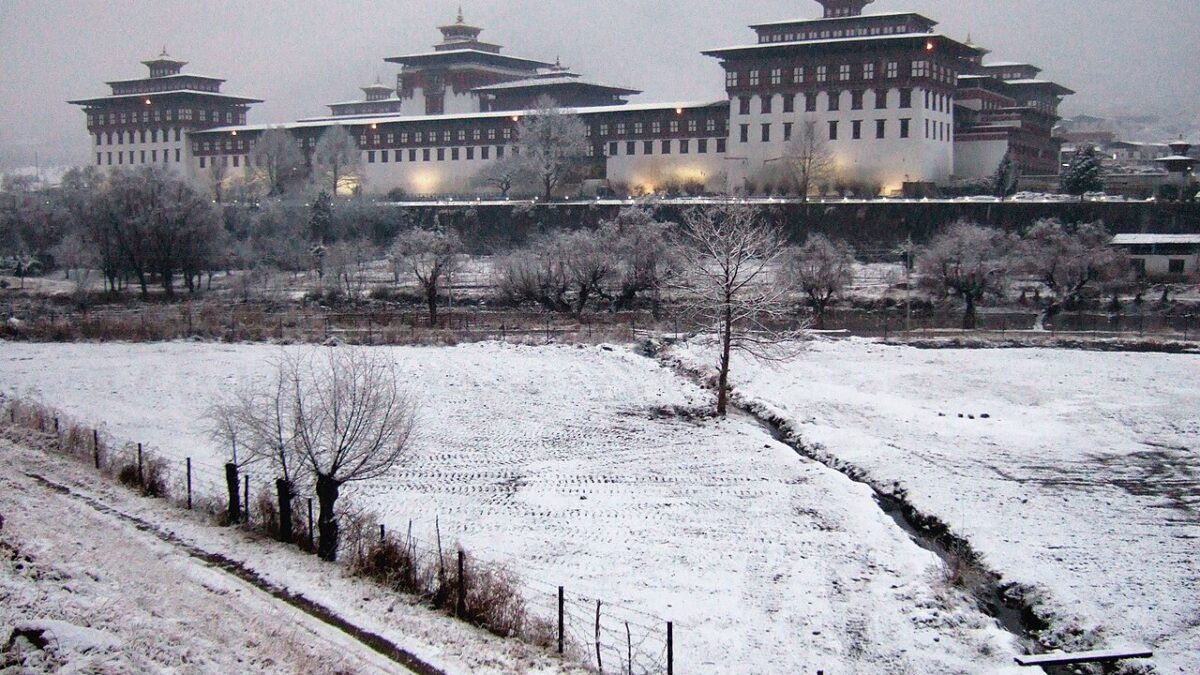
This impressive fortress serves as the seat of the Bhutanese government and the King’s throne room, as well as a monastic institution. Its architecture is a prime example of Bhutanese craftsmanship and a symbol of the nation’s administrative and spiritual center.
- Price: Free to enter the grounds; a small fee may apply for guided tours.
- Best Time to Visit: After office hours and on weekends when the monastic quarters are more accessible to visitors.
- Insider Tip: Check the visiting hours as they can vary due to government functions. Dress modestly, covering shoulders and knees.
Folk Heritage Museum
This museum provides an immersive experience of traditional Bhutanese rural life, showcasing artifacts and reconstructed rural households. It offers insight into the customs, tools, and living conditions of Bhutanese people from past generations.
- Price: Approximately $3 USD per person.
- Best Time to Visit: Any time during opening hours; it is an indoor attraction suitable for all weather.
- Insider Tip: Engage with the exhibits to understand the daily lives of Bhutanese farmers and artisans.
National Textile Museum
Dedicated to the art of Bhutanese weaving, this museum displays a collection of intricate textiles, royal attire, and ancient fabrics. It highlights the skill and artistry involved in Bhutan’s rich weaving traditions.
- Price: Approximately $3 USD per person.
- Best Time to Visit: During museum operating hours.
- Insider Tip: Look for demonstrations of weaving techniques if available, which offer a deeper appreciation of the craft.
Weekend Market (Centenary Farmers Market)
This vibrant market is a hub for local produce, handicrafts, and everyday goods, offering a lively glimpse into Thimphu’s community life. It’s an excellent place to sample local snacks and interact with vendors.
- Price: Free to browse; costs vary for purchases.
- Best Time to Visit: Saturday and Sunday mornings for the fullest experience.
- Insider Tip: Practice polite bargaining if purchasing handicrafts, and try local delicacies like momos or dried cheese.
Where to Eat in Thimphu
Thimphu’s culinary scene offers a delightful exploration of Bhutanese flavors, with opportunities to sample local specialties and international dishes.
Bhutanese Cuisine Experience
- Type: Traditional Bhutanese
- Price Range: $10-$25 per meal
- What to Order: Ema Datshi (chilies and cheese stew), Kewa Datshi (potatoes and cheese stew), Phaksha Paa (pork with red chilies).
- Location Tip: Seek out local restaurants in the main Thimphu town area or inquire at your hotel for authentic recommendations.
Local Cafes and Snacks
- Type: Casual Bhutanese/Continental
- Price Range: $5-$15 per meal
- What to Order: Momos (dumplings), Phin-Tse (buckwheat noodles), various pastries and coffee.
- Location Tip: Many small cafes can be found near the Clock Tower Square, offering quick and affordable bites.
International Cuisine Restaurants
- Type: Indian, Thai, Italian
- Price Range: $15-$35 per meal
- What to Order: Varied; look for popular dishes like chicken tikka masala, pad thai, or pizza.
- Location Tip: Several well-regarded international restaurants are located along Norzin Lam, the main street.
Farm-to-Table Dining
- Type: Modern Bhutanese/Fusion
- Price Range: $20-$50 per meal
- What to Order: Seasonal Bhutanese ingredients prepared with contemporary flair.
- Location Tip: Some resorts and specialized restaurants outside the immediate city center offer farm-to-table experiences.
3-Day Thimphu Itinerary
This itinerary balances cultural exploration with culinary experiences, designed for a comprehensive introduction to Thimphu.
Day 1
- Morning: Begin with a visit to the National Memorial Chorten for early morning prayers and circumambulation. Afterwards, explore the Folk Heritage Museum to understand traditional Bhutanese life.
- Afternoon: Visit the majestic Buddha Dordenma statue for panoramic views of the valley. Consider a short hike in the surrounding hills for further exploration.
- Evening: Enjoy a traditional Bhutanese dinner, sampling Ema Datshi and other local specialties at a restaurant in the main town.
- Estimated Daily Cost: $70-$100 (Mid-Range)
Day 2
- Morning: Explore the impressive Tashichho Dzong, the seat of government and monastic body. Visit the National Textile Museum to appreciate Bhutanese weaving artistry.
- Afternoon: Wander through the Centenary Farmers Market (if it’s a weekend) to experience local commerce and sample snacks. Alternatively, visit the Takin Preserve to see Bhutan’s national animal.
- Evening: Experience a more casual dining experience at a local cafe, perhaps trying momos or Phin-Tse noodles.
- Estimated Daily Cost: $60-$90 (Mid-Range)
Day 3
- Morning: Visit the National Institute for Zorig Chusum (School of 13 Arts and Crafts) to witness students learning traditional Bhutanese arts.
- Afternoon: Explore the Bhutan Post Office Headquarters to design your own personalized stamps, a unique souvenir. Visit the Simply Bhutan museum for interactive cultural experiences.
- Evening: Enjoy a farewell dinner at a restaurant offering international cuisine, reflecting the diverse culinary landscape of Thimphu.
- Estimated Daily Cost: $75-$110 (Mid-Range)
Transportation Guide
Navigating Thimphu is relatively straightforward, with several reliable options available for visitors.
Getting from Paro International Airport (PBH)
The most common way to reach Thimphu from Paro International Airport is via pre-arranged taxi or private vehicle. The journey takes approximately 1.5 to 2 hours, covering a distance of about 50 kilometers. Costs typically range from $25-$40 USD for a one-way trip. Many hotels can arrange airport transfers for their guests.
Public Transit
Thimphu does not have a traditional public bus system for tourists in the same way as other Asian cities. However, local buses operate on fixed routes within the city, primarily used by residents. These are very inexpensive, costing less than $0.50 per ride, but may be challenging for visitors to navigate without local knowledge.
Taxis and Private Vehicles
Taxis are readily available throughout Thimphu and are a convenient way to get around. The base fare is typically around $1-$2, with additional charges per kilometer. For longer distances or day trips, hiring a private car with a driver is recommended and can be arranged through hotels or tour operators. Daily car hire rates can range from $40-$70, depending on the vehicle and itinerary.
Rideshare Availability
Ridesharing apps like Uber or Lyft are not available in Thimphu. All transportation is arranged through traditional taxi services or private hire.
Practical Tips
Always confirm the fare with the taxi driver before commencing your journey, especially for longer trips. Negotiate prices for day hire in advance. For travel outside Thimphu, such as to Paro, it is advisable to book transport through your hotel or a registered tour operator.
Money-Saving Tips
Pro Tip 1: Opt for guesthouses or homestays in neighborhoods like Changangkha for accommodation, potentially saving 30-50% compared to mid-range hotels, bringing your daily accommodation cost closer to $20-$40.
Pro Tip 2: Eat at local eateries and markets for most meals, especially during lunch. A substantial Bhutanese meal can cost as little as $5-$10, significantly reducing your daily food expenses.
Pro Tip 3: Utilize free attractions like the National Memorial Chorten, Buddha Dordenma viewpoint, and the weekend market for sightseeing, minimizing spending on entry fees. Grouping paid attractions within a single day can also be efficient.
Common Travel Mistakes
Mistake 1: Underestimating walking distances and terrain. Thimphu is hilly, and while taxis are available, many attractions are spread out. Not planning for moderate physical activity or relying solely on taxis can lead to missed opportunities or unexpected transport costs.
Mistake 2: Not carrying enough local currency (Bhutanese Ngultrum – BTN). While some larger establishments accept cards, smaller shops, local markets, and many taxis operate on a cash-only basis. ATMs are available but can sometimes be unreliable or have withdrawal limits.
Frequently Asked Questions
How much money do you need for 3 days in Thimphu?
For a 3-day trip to Thimphu, a budget traveler can expect to spend approximately $165, while a mid-range traveler might allocate $480. Luxury travelers should budget around $1260 for a 3-day stay, covering accommodation, food, transport, and activities.
Is Thimphu expensive for tourists?
Thimphu’s cost is influenced by Bhutan’s tourism policy, which mandates a Sustainable Development Fee (SDF) for most international tourists, though this is separate from daily expenses. When comparing daily costs, Thimphu can be comparable to mid-range destinations in Southeast Asia, but offers a unique cultural value. Check travel costs in San Salvador for a point of comparison.
What is the best area to stay in Thimphu?
For first-time visitors seeking convenience, Central Thimphu near the Clock Tower Square is ideal due to its proximity to amenities and attractions. Travelers desiring tranquility and scenic views might prefer Jebesa, while budget-conscious visitors or families could find suitable options in Changangkha.
Can you visit Thimphu without a car?
Yes, it is possible to visit Thimphu without a private car. Taxis are readily available and affordable for getting around the city. Many attractions are also within walking distance of each other in the central areas.
What is the cheapest month to visit Thimphu?
The cheapest months to visit Thimphu are typically during the off-season, which includes the winter months (December to February) and the monsoon season (June to August). During these periods, accommodation and tour prices can be up to 20% lower than in peak seasons.

Kai has visited 60+ countries across 6 continents, with a obsession for one thing most travelers ignore: the real cost of getting there. Former budget backpacker turned data-driven travel writer, Kai breaks down destination costs so you can plan smarter — not just dream bigger. Based everywhere, from nowhere in particular.