Thimphu: Whispers of the Dragon Kingdom
Why Visit Thimphu?
Thimphu offers a unique cultural immersion, blending ancient traditions with a developing modern aesthetic. Visitors can explore Bhutanese art, sample local cuisine, and witness a distinct approach to national happiness, all within a manageable itinerary. This Thimphu travel guide details how to experience its serene monasteries, vibrant markets, and accessible costs.
The capital city presents an unparalleled opportunity to engage with Gross National Happiness principles firsthand. Unlike many Asian capitals, Thimphu maintains a remarkably peaceful atmosphere, largely due to strict development controls and a commitment to preserving its cultural heritage. This guide provides practical insights for navigating its attractions, accommodation, and dining options for a fulfilling visit in 2026.
Who This Guide Is For
This guide is designed for first-time visitors planning a 3-5 day trip to Thimphu, particularly those interested in cultural exploration and an authentic Bhutanese experience. It is also beneficial for budget-conscious travelers seeking to understand estimated costs and for those curious about comparing Bhutanese travel expenses with other Asian destinations.
Average Travel Cost in Thimphu
The following data provides an estimated daily expenditure for travelers in Thimphu, Bhutan, for 2026. Exchange rate: 1 USD = 83.00 BTN.
| Category | Budget | Mid-Range | Luxury |
|---|---|---|---|
| Accommodation | $20 | $70 | $200 |
| Food | $15 | $30 | $70 |
| Transport | $5 | $15 | $50 |
| Attractions | $10 | $30 | $70 |
| Misc | $5 | $15 | $30 |
| Daily Total | $55 | $160 | $420 |
Estimated total costs for different durations:
* 3-Day Trip:
* Budget: $165
* Mid-Range: $480
* Luxury: $1260
* 7-Day Trip:
* Budget: $385
* Mid-Range: $1120
* Luxury: $2940
Accommodation costs can vary significantly. While hotels offer standardized services and amenities, opting for Airbnb-style rentals can provide a more local feel and potentially reduce costs by 10-20% for longer stays, especially when factoring in kitchen access for self-catering.
Seasonal price variations are notable. Peak seasons, typically March to May and September to November, see higher demand and consequently, increased prices for accommodation and flights. Shoulder seasons (April-May, October-November) offer a balance of good weather and moderate pricing. Off-season (December-February, June-August) presents the lowest costs but may involve less favorable weather conditions. Tipping is not a mandated cultural practice, but appreciation for exceptional service is always welcomed.
Where to Stay in Thimphu
Thimphu offers diverse neighborhoods catering to different traveler preferences.
Area: Chubachu
* Known for: This area is considered the administrative and business hub, featuring modern hotels and good connectivity. It’s close to many government buildings and embassies.
* Price Range (per night): Budget $40-$60; Mid-Range $80-$150
* Best for: Business travelers, those seeking modern amenities, and visitors who prioritize easy access to government services.
* Insider Tip: Hotels here often have excellent business facilities, which can be useful for checking emails or printing documents.
Area: Changangkha
* Known for: Home to the historic Changangkha Lhakhang temple, this is a more traditional and residential area. It offers a glimpse into local life with smaller guesthouses and homestays.
* Price Range (per night): Budget $30-$50; Mid-Range $60-$100
* Best for: Culturally curious travelers, budget-conscious visitors, and those seeking a quieter, more authentic experience.
* Insider Tip: Staying in this area allows for early morning or late evening visits to Changangkha Lhakhang, often with fewer crowds.
Area: Thimphu Valley (Central)
* Known for: This is the heart of the city, encompassing the main shopping streets, restaurants, and key landmarks like the Clock Tower Square. It provides the most convenient access to most attractions.
* Price Range (per night): Budget $35-$55; Mid-Range $70-$130
* Best for: First-time visitors, travelers who prefer being in the center of activity, and those who want easy walking access to amenities.
* Insider Tip: Many guesthouses and smaller hotels in this central zone offer guided tours or can arrange local experiences.
Best Things to Do in Thimphu
Thimphu’s attractions offer a deep dive into Bhutanese culture and history.
National Memorial Chorten
* What it is and why it matters: This prominent stupa, built in memory of the third King of Bhutan, is a central point for daily worship. It serves as a spiritual anchor for many locals who circumambulate it, spinning prayer wheels.
* Average ticket price: Free
* Best time to visit: Early morning or late afternoon to observe locals performing their devotions.
* Insider Tip: Visit during the early morning (around 6-7 AM) to witness the most authentic and vibrant local prayer rituals.
Buddha Dordenma Statue
* What it is and why it matters: This colossal bronze statue of Buddha, overlooking the Thimphu valley, is one of the largest Buddha statues in the world. It offers panoramic views of the surrounding mountains and the city.
* Average ticket price: Free
* Best time to visit: Mid-morning for clear views, or late afternoon for sunset.
* Insider Tip: Hike up to the statue from the base of the valley for a more engaging experience and to appreciate the scale of the ascent.
Folk Heritage Museum
* What it is and why it matters: This museum provides a glimpse into traditional Bhutanese rural life. It showcases a typical Bhutanese farmhouse, complete with artifacts and tools, illustrating the country’s agrarian past.
* Average ticket price: Approximately $3 (250 BTN)
* Best time to visit: Weekdays during museum hours (9 AM – 5 PM).
* Insider Tip: Look for demonstrations of traditional crafts if available, as these offer interactive insights into Bhutanese artistry.
Textile Museum
* What it is and why it matters: Dedicated to Bhutan’s rich tradition of weaving, this museum displays an impressive collection of antique textiles and intricate patterns. It highlights the cultural significance and artistry of Bhutanese textiles.
* Average ticket price: Approximately $3 (250 BTN)
* Best time to visit: Weekdays during museum hours.
* Insider Tip: Pay close attention to the explanations of different weaving techniques and regional styles, which are often overlooked.
Takin Preserve
* What it is and why it matters: This sanctuary is home to the takin, Bhutan’s unique national animal, a creature often described as a ‘goat-antelope’. It offers a chance to observe this unusual mammal in a semi-natural habitat.
* Average ticket price: Approximately $3 (250 BTN)
* Best time to visit: Early morning when the animals are most active.
* Insider Tip: The preserve is a relatively short drive from the city center, making it an easy addition to a half-day itinerary.
Weekend Market (Centenary Farmers’ Market)
* What it is and why it matters: This bustling market is where locals converge to sell fresh produce, local crafts, and traditional Bhutanese goods. It’s a vibrant hub for experiencing local commerce and sampling regional flavors.
* Average ticket price: Free to browse; costs vary for purchases.
* Best time to visit: Saturday and Sunday mornings.
* Insider Tip: Be adventurous and try local snacks and beverages from the vendors; this is where you can find authentic flavors.
Where to Eat in Thimphu
Experiencing Bhutanese cuisine is a highlight of any Thimphu visit.
* Food Experience: Traditional Bhutanese Cuisine
* Cuisine Type: Bhutanese
* Price Range per Meal: $10 – $25
* What to Order: Ema Datshi (chilies and cheese), Kewa Datshi (potatoes and cheese), Phaksha Paa (pork with chilies).
* Location Tip: Look for restaurants in the central Thimphu area, often near Clock Tower Square, for authentic local eateries.
* Food Experience: Bhutanese Farmhouse Dining
* Cuisine Type: Authentic Bhutanese
* Price Range per Meal: $25 – $40 (often includes cultural performances)
* What to Order: A full spread of traditional dishes, often including local red rice and homemade spirits.
* Location Tip: These are typically located slightly outside the main town; arrange transport through your hotel or a local tour operator.
* Food Experience: International and Fusion Cafes
* Cuisine Type: International, Fusion
* Price Range per Meal: $15 – $30
* What to Order: A variety of dishes including pasta, salads, sandwiches, and sometimes Bhutanese dishes with a modern twist.
* Location Tip: Many can be found along the main streets and in the newer commercial areas of Thimphu.
* Food Experience: Local Noodle Shops
* Cuisine Type: Bhutanese/Tibetan influenced noodles
* Price Range per Meal: $5 – $10
* What to Order: Thukpa (noodle soup), Momos (dumplings).
* Location Tip: Seek out small, unassuming eateries in the older parts of town for the most authentic and affordable options.
3-Day Thimphu Itinerary
Day 1
* Morning: Arrive in Thimphu, check into your accommodation. Begin with a visit to the National Memorial Chorten to observe morning prayers and understand local spiritual practices.
* Afternoon: Explore the Folk Heritage Museum to gain insight into traditional Bhutanese life. Afterward, visit the Textile Museum to appreciate the intricate art of Bhutanese weaving.
* Evening: Enjoy dinner at a local restaurant focusing on traditional Bhutanese cuisine. Sample Ema Datshi and other regional specialties.
* Estimated Daily Cost: $70 (Mid-Range)
Day 2
* Morning: Travel to the Buddha Dordenma statue for panoramic valley views. Spend time absorbing the serenity and the impressive scale of the monument.
* Afternoon: Visit the Takin Preserve to see Bhutan’s unique national animal. Afterwards, explore the weekend market (if it’s a weekend) to experience local commerce and pick up souvenirs.
* Evening: Experience a Bhutanese farmhouse dinner for an immersive cultural and culinary experience, often accompanied by traditional music and dance.
* Estimated Daily Cost: $100 (Mid-Range, including farmhouse dinner)
Day 3
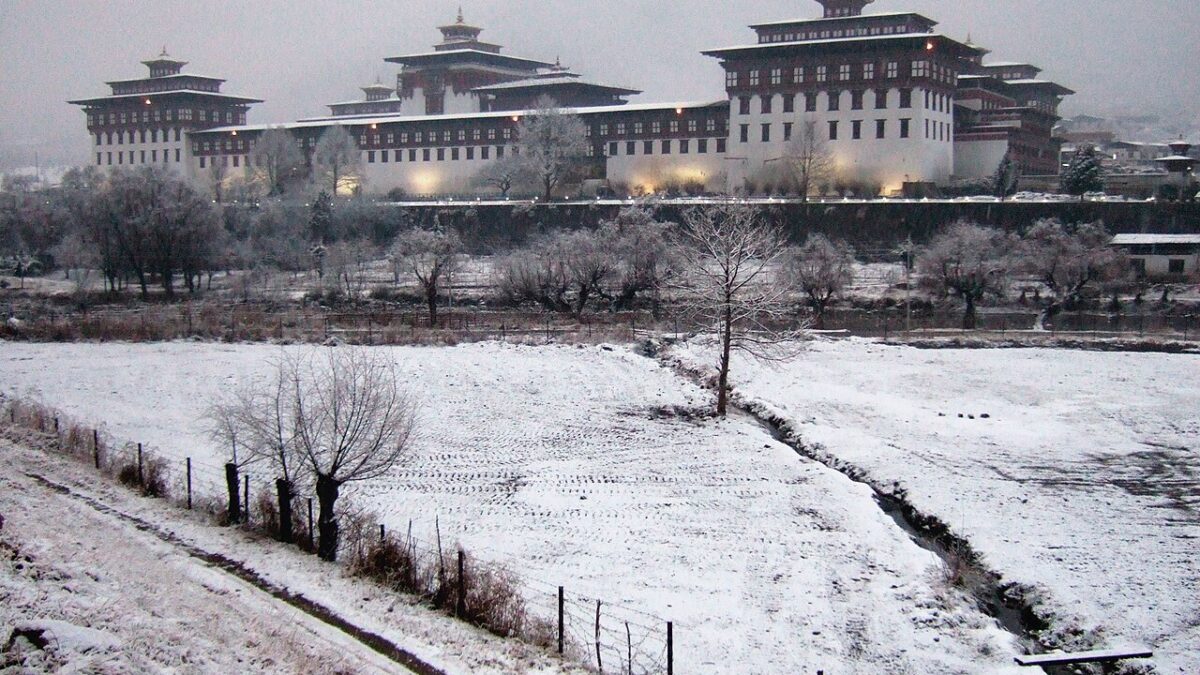
* Morning: Visit the Tashichho Dzong, the impressive fortress housing the King’s throne room and government offices. Note the architectural grandeur and its administrative significance.
* Afternoon: Explore the National Institute for Zorig Chusum (the School of 13 Arts and Crafts) to witness students learning traditional Bhutanese arts. Consider visiting the Post Office to get personalized stamps.
* Evening: Enjoy a final dinner at an international or fusion cafe, reflecting on the unique experiences of Thimphu.
* Estimated Daily Cost: $65 (Mid-Range)
Transportation Guide
Getting around Thimphu is relatively straightforward.
* From the Airport (Paro International Airport): Thimphu is approximately a 1.5-hour drive from Paro International Airport. Private taxis are readily available and cost around $30-$40 USD for the journey. Pre-booking through your hotel or a tour operator is recommended. This is a good point to start your exploration of the region.
* Public Transit: Thimphu does not have a comprehensive public bus system for tourists. Local buses operate on specific routes within the city, but are primarily used by residents.
* Taxis: Taxis are the most convenient way to get around Thimphu. They are metered, though agreeing on a fare beforehand is advisable. A typical short ride within the city costs $2-$5.
* Rideshare: Rideshare apps are not prevalent in Thimphu. Taxis are the primary mode of private transport.
* Walking: The central areas of Thimphu are quite walkable, especially around Clock Tower Square and the main shopping streets.
* Practical Tips: Always ensure the taxi meter is used or agree on a fare before starting your journey. Tipping is not mandatory but is appreciated for good service. For longer distances or specific sightseeing trips, hiring a taxi for a half or full day is an economical option.
Money-Saving Tips
Pro Tip 1: Opt for meals at local noodle shops or small eateries away from the main tourist hubs. A hearty thukpa or plate of momos can be purchased for $5-$10, significantly reducing your daily food budget compared to restaurant dining.
Pro Tip 2: Utilize the walkability of central Thimphu. Many key attractions like the National Memorial Chorten, Clock Tower Square, and the Textile Museum are within a reasonable walking distance of each other, saving on taxi fares.
Pro Tip 3: Travel during the shoulder seasons (e.g., March-April or September-October) rather than the peak months. Accommodation prices can decrease by 15-20%, and you still benefit from pleasant weather and fewer crowds.
Common Travel Mistakes
Mistake 1: Underestimating the altitude. Thimphu is situated at over 7,600 feet (2,300 meters). Tourists can experience altitude sickness if they overexert themselves on their first day. Avoid strenuous activities immediately upon arrival and stay hydrated.
Mistake 2: Not budgeting for entrance fees and local guides. While many natural sites are free, museums and cultural sites have entrance fees. Hiring a local guide, though not always mandatory, can significantly enhance your understanding of Bhutanese culture and history, adding value to your trip.
Frequently Asked Questions
How much money do you need for 3 days in Thimphu?
For a 3-day trip to Thimphu, budget travelers can expect to spend approximately $165, covering basic accommodation, local food, transport, and entry fees. Mid-range travelers should budget around $480, allowing for more comfortable lodging, varied dining options, and additional activities. Luxury travelers may allocate $1260 or more for premium experiences. Use our travel cost calculator to get a personalized estimate.
Is Thimphu expensive for tourists?
Compared to some Southeast Asian destinations like Hanoi, Thimphu can appear more expensive due to Bhutan’s high-value, low-impact tourism policy. However, the daily tariff ensures a comprehensive experience. The provided cost breakdown shows that budget travel is feasible, with daily expenses starting from $55. For a different perspective on costs, you can check travel costs in Casablanca.
What is the best area to stay in Thimphu?
The best area to stay depends on your priorities. For first-time visitors and convenience, the central Thimphu Valley offers proximity to attractions and amenities. For a quieter, more traditional feel, Changangkha is recommended. Business travelers might prefer the modern conveniences of Chubachu.
Can you visit Thimphu without a car?
Yes, you can visit Thimphu without a car. While private vehicles are common, Thimphu’s central areas are walkable. Taxis are readily available and affordable for getting to attractions slightly further afield. Many hotels can also arrange guided tours or day trips.
What is the cheapest month to visit Thimphu?
The cheapest months to visit Thimphu are generally during the off-season, which includes the monsoon months (June to August) and the colder winter months (December to February). While prices for accommodation and flights may be lower, weather conditions can be less favorable. For a broader overview of Asian travel, you can Browse Asia travel guides.
Meta Description: Your comprehensive Thimphu travel guide for 2026. Discover costs, itineraries, accommodation options, and essential tips for visiting Bhutan’s capital. Explore Bhutan.

Kai has visited 60+ countries across 6 continents, with a obsession for one thing most travelers ignore: the real cost of getting there. Former budget backpacker turned data-driven travel writer, Kai breaks down destination costs so you can plan smarter — not just dream bigger. Based everywhere, from nowhere in particular.