Is Stone Town Worth Visiting? Your Budget & Experience Guide
Why Visit Stone Town?
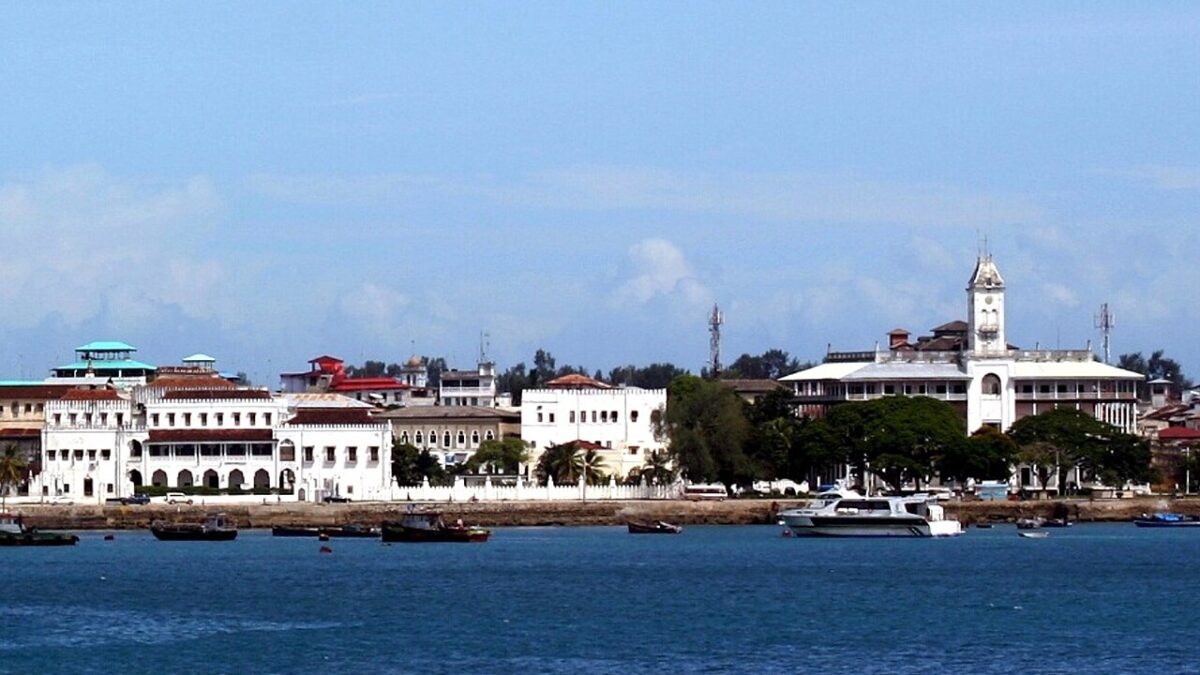
Stone Town offers a unique immersion into East African history and culture. This UNESCO World Heritage site presents an intricate maze of narrow streets, coral stone buildings, and bustling markets, making it an unparalleled destination for cultural exploration. This Zanzibar (Stone Town) travel guide details costs, itineraries, and essential tips for a memorable visit.
The city’s rich heritage, a blend of Swahili, Arab, Indian, and European influences, is palpable in its architecture and daily life. Visitors can expect a sensory experience, from the aroma of exotic spices to the calls to prayer echoing through the alleyways. Understanding the nuances of visiting Stone Town, including budgeting and itinerary planning, is key to appreciating its depth.
Who This Guide Is For
This guide is designed for independent travelers planning a 3-5 day exploration of Stone Town. It is particularly useful for budget-conscious visitors aiming for an average daily spend of $60-$180 and those interested in cultural immersion and historical sites. Families with older children or couples seeking a unique romantic getaway will also find valuable information.
Average Travel Cost in Stone Town
| Category | Budget | Mid-Range | Luxury |
|---|---|---|---|
| Accommodation | $25 | $75 | $200 |
| Food | $15 | $40 | $100 |
| Transport | $5 | $20 | $50 |
| Attractions | $10 | $30 | $75 |
| Misc | $5 | $15 | $30 |
| Daily Total | $60 | $180 | $455 |
Estimated Total Costs:
3-Day Trip: Budget $180 | Mid-Range $540 | Luxury $1365
7-Day Trip: Budget $420 | Mid-Range $1260 | Luxury $3185
For accommodation, opting for an Airbnb-style apartment or guesthouse can yield significant savings compared to hotels, potentially reducing accommodation costs by 20-30% for longer stays. This allows for more budget allocation towards experiences or dining.
Prices fluctuate seasonally. The peak season, from June to October, sees higher rates for accommodation and flights due to favorable weather. Shoulder seasons (November-December, March-May) offer a balance of good weather and reduced costs, while the off-season (January-February, during Ramadan) presents the lowest prices but may involve more variable weather or limited services.
Where to Stay in Stone Town
Stone Town offers a range of accommodation options catering to different traveler preferences. The price ranges provided are approximate per night in USD.
Old Town (Heart of Stone Town)
Known for its historical architecture, narrow winding alleys, and proximity to major attractions. It offers an immersive experience of the city’s heritage.
Price Range: Budget $20-$40 | Mid-Range $60-$120
Best for: History enthusiasts, photographers, travelers seeking immediate cultural immersion.
Insider Tip: Stay on a higher floor for better views and less street noise, especially in central areas.
Shangani
This area borders the Old Town and offers a mix of historical charm with slightly more modern amenities and easier access to the waterfront. It’s known for its lively atmosphere and boutique hotels.
Price Range: Budget $30-$50 | Mid-Range $70-$150
Best for: Travelers who want a blend of history and convenience, access to restaurants and shops.
Insider Tip: Look for accommodations slightly off the main thoroughfares to mitigate noise from evening activities.
Kizimbani (Outskirts)
While not directly in the historic core, areas like Kizimbani offer a glimpse into local residential life and are often more affordable. They provide a more authentic, less tourist-centric experience, though transport to the center is required.
Price Range: Budget $15-$30 | Mid-Range $40-$80
Best for: Budget travelers, those seeking a quieter, more local experience, longer-term stays.
Insider Tip: Verify transport options and frequency to Stone Town center before booking, as walkability is limited.
Best Things to Do in Stone Town
House of Wonders (Beit al-Ajaib)
This is the largest and tallest building in Stone Town, historically serving as a ceremonial palace and the first building in Zanzibar to have electricity. It is currently undergoing extensive renovations.
Average Ticket Price: Free (exterior viewing)
Best Time to Visit: Daytime for exterior viewing. Check official announcements for reopening status.
Insider Tip: While closed for internal access, its imposing facade and historical significance are still worth observing from the outside.
Old Fort (Ngome Kongwe)
Built by the Omanis in the 17th century, this is the oldest building in Stone Town. It now hosts a cultural center, craft shops, and an amphitheater that occasionally stages performances.
Average Ticket Price: Free entry to the grounds.
Best Time to Visit: Weekdays during daylight hours for exploring the shops and architecture.
Insider Tip: Visit in the late afternoon to catch the golden hour light on the fort’s ancient walls.
Forodhani Gardens Night Market
This vibrant night market transforms the waterfront into a bustling hub of food stalls offering local delicacies, seafood grills, and fresh juices. It’s a quintessential Stone Town experience.
Average Ticket Price: Free entry. Food prices vary (e.g., Zanzibar pizza $3-$5).
Best Time to Visit: Daily from 6 PM onwards.
Insider Tip: Sample the Zanzibar pizza (a savory crepe) and sugarcane juice for an authentic taste of local street food.
Sultan’s Palace Museum (Beit al-Sahel)
This former sultan’s palace offers a glimpse into the royal lifestyle of Zanzibar’s past rulers, displaying furniture, artifacts, and personal belongings. It provides historical context to the island’s monarchy.
Average Ticket Price: Approximately $5.
Best Time to Visit: Morning or late afternoon to avoid midday heat and crowds.
Insider Tip: Engage with the museum guides for deeper insights into the exhibits and the history of the Zanzibari sultans.
Darajani Market
This bustling local market is a sensory overload, showcasing a wide array of fresh produce, spices, meats, fish, textiles, and household goods. It’s the economic heart of Stone Town.
Average Ticket Price: Free entry.
Best Time to Visit: Early morning (6 AM – 9 AM) to witness the market at its most active and authentic.
Insider Tip: Be prepared for crowded conditions and be respectful when taking photographs. Haggling is expected for non-food items.
Slave Market Site & Anglican Cathedral
This historically significant site marks the former location of Zanzibar’s notorious slave market. The cathedral was built on the site of the last whipping post. It serves as a poignant reminder of the island’s past.
Average Ticket Price: Approximately $5 for the museum and crypt.
Best Time to Visit: Weekday mornings for a more reflective experience.
Insider Tip: The underground chambers offer a stark and important historical perspective; allocate ample time for reflection.
Where to Eat in Stone Town
Stone Town offers a diverse culinary scene, reflecting its multicultural heritage. Prices are approximate per meal.
Zanzibar Pizza at Forodhani Gardens
Cuisine: Local Street Food
Price Range: $3 – $5 per pizza
What to Order: Try the “Zanzibar Pizza,” a savory crepe filled with minced meat, egg, onion, and spices, or a sweet version with chocolate and banana.
Location Tip: The most authentic experience is at the night market in Forodhani Gardens, where numerous vendors offer variations.
Seafood at The Rock Restaurant (requires transfer)
Cuisine: Seafood, International
Price Range: $30 – $60 per person
What to Order: Freshly caught grilled fish, lobster, or the seafood platter.
Location Tip: While not in Stone Town itself, a trip to The Rock Restaurant (requires booking and transport) offers a unique dining experience on a rock in the ocean. For Stone Town, consider waterfront restaurants like Emerson Spice or Lukmaan for excellent seafood.
Swahili Cuisine at Lukmaan Restaurant
Cuisine: Swahili, East African
Price Range: $5 – $15 per person
What to Order: Pilau (spiced rice with meat), Biryani, grilled fish, and various curries.
Location Tip: Lukmaan is a popular local eatery in the heart of Stone Town, known for its authentic flavors and bustling atmosphere. Arrive early to secure a table.
Spiced Tea and Snacks at a Local Café
Cuisine: Local Refreshments
Price Range: $2 – $5 per person
What to Order: Masala chai (spiced tea), mandazi (fried dough), and local pastries.
Location Tip: Numerous small cafes are scattered throughout Stone Town’s alleys. Look for places frequented by locals for a genuine experience.
3-Day Stone Town Itinerary
This itinerary balances historical exploration, cultural immersion, and local experiences. Estimated daily cost is based on the Mid-Range budget.
Day 1
Morning (9 AM – 12 PM): Arrive at Abeid Amani Karume International Airport (ZNZ). Transfer to your accommodation in Stone Town and check in. Begin your exploration with a guided walking tour of the Old Town, focusing on the House of Wonders and the Old Fort.
Afternoon (1 PM – 5 PM): Visit the Sultan’s Palace Museum to understand the island’s royal history. Afterwards, explore the Darajani Market for a vibrant local experience.
Evening (6 PM onwards): Enjoy dinner and the lively atmosphere at the Forodhani Gardens Night Market.
Estimated Daily Cost: $190 (includes airport transfer and a guided tour)
Day 2
Morning (9 AM – 12 PM): Visit the Slave Market Site and the Anglican Cathedral for a significant historical perspective. Afterwards, wander through the labyrinthine streets, discovering hidden courtyards and unique architecture.
Afternoon (1 PM – 5 PM): Indulge in a spice tour at a local plantation outside Stone Town (requires transport). Learn about the cultivation and uses of Zanzibar’s famous spices.
Evening (6 PM onwards): Experience a traditional Swahili dinner at Lukmaan Restaurant or a similar local establishment. Consider a sunset dhow cruise from the waterfront.
Estimated Daily Cost: $200 (includes spice tour and dhow cruise)
Day 3
Morning (9 AM – 12 PM): Explore the local artisan shops for souvenirs, focusing on wood carvings, textiles, and spices. Visit the Mercury House, the childhood home of Freddie Mercury.
Afternoon (1 PM – 4 PM): Relax at a local cafe, perhaps enjoying some spiced tea and local snacks. Alternatively, revisit a favorite spot or explore a part of the city you missed.
Evening (4 PM onwards): Depart from Stone Town for your onward journey.
Estimated Daily Cost: $170 (includes souvenir shopping and meals)
Transportation Guide
Getting to Stone Town from Abeid Amani Karume International Airport (ZNZ) is straightforward. Taxis are readily available outside the arrivals terminal and typically cost $15-$25 for the approximately 15-20 minute journey to Stone Town. Pre-booking a transfer with your accommodation can sometimes secure a better rate.
Within Stone Town, the historic center is best navigated on foot. Its narrow, winding streets are not accessible by most vehicles. For excursions outside the city, such as to spice farms or beaches, taxis are the primary option. Negotiate fares clearly before starting your journey. Shared taxis (dala-dalas) are the cheapest form of public transport for longer distances but can be crowded and follow less predictable schedules. Rideshare apps like Uber are not widely available or reliable within Stone Town itself; local taxi services are the norm.
Money-Saving Tips
Pro Tip 1: Embrace local eateries and street food, particularly at Forodhani Gardens. You can enjoy delicious meals for $3-$10, significantly reducing your daily food budget compared to tourist-oriented restaurants.
Pro Tip 2: For day trips and excursions, consider joining small group tours or arranging transport with your guesthouse. This can often be more economical than hiring private taxis for each individual trip, potentially saving 15-25%.
Pro Tip 3: Purchase souvenirs from local craft markets, but always engage in polite bargaining. Aim to negotiate prices down by 20-30% from the initial asking price, especially for multiple items.
Common Travel Mistakes
Mistake 1: Underestimating the heat and humidity. Tourists often do not carry enough water or wear appropriate clothing, leading to dehydration and discomfort. Always stay hydrated and wear light, breathable fabrics, and a hat.
Mistake 2: Not booking popular activities or restaurants in advance, especially during peak season. This can lead to disappointment or being unable to experience key attractions. For example, The Rock Restaurant requires reservations weeks in advance.
Frequently Asked Questions
How much money do you need for 3 days in Stone Town?
For a 3-day trip to Stone Town, budget travelers can expect to spend around $180, covering accommodation, food, local transport, and basic activities. Mid-range travelers should budget approximately $540 for a more comfortable experience with better dining and more excursions. This estimate uses the travel cost calculator for reference.
Is Stone Town expensive for tourists?
Stone Town offers a range of price points, making it adaptable to different budgets. While luxury options exist, budget and mid-range travel are very feasible. Compared to destinations like Johannesburg, Stone Town can be more affordable if you utilize local services and markets.
What is the best area to stay in Stone Town?
The Old Town is ideal for those prioritizing historical immersion and proximity to major sites. Shangani offers a balance of history and modern convenience with waterfront access. Kizimbani provides a more local and budget-friendly experience but requires transport for city access.
Can you visit Stone Town without a car?
Yes, Stone Town’s historic center is pedestrian-only due to its narrow streets. For excursions outside the city, taxis are readily available, and public transport (dala-dalas) can be used by adventurous travelers. A car is not necessary for exploring the town itself.
What is the cheapest month to visit Stone Town?
The cheapest months to visit Stone Town generally fall outside the peak tourist season of June to October. The periods from January to February and during Ramadan (which varies annually) often present the lowest prices for flights and accommodation, although weather can be more variable.

Kai has visited 60+ countries across 6 continents, with a obsession for one thing most travelers ignore: the real cost of getting there. Former budget backpacker turned data-driven travel writer, Kai breaks down destination costs so you can plan smarter — not just dream bigger. Based everywhere, from nowhere in particular.