Shanghai: The Electric Dragon’s Roar
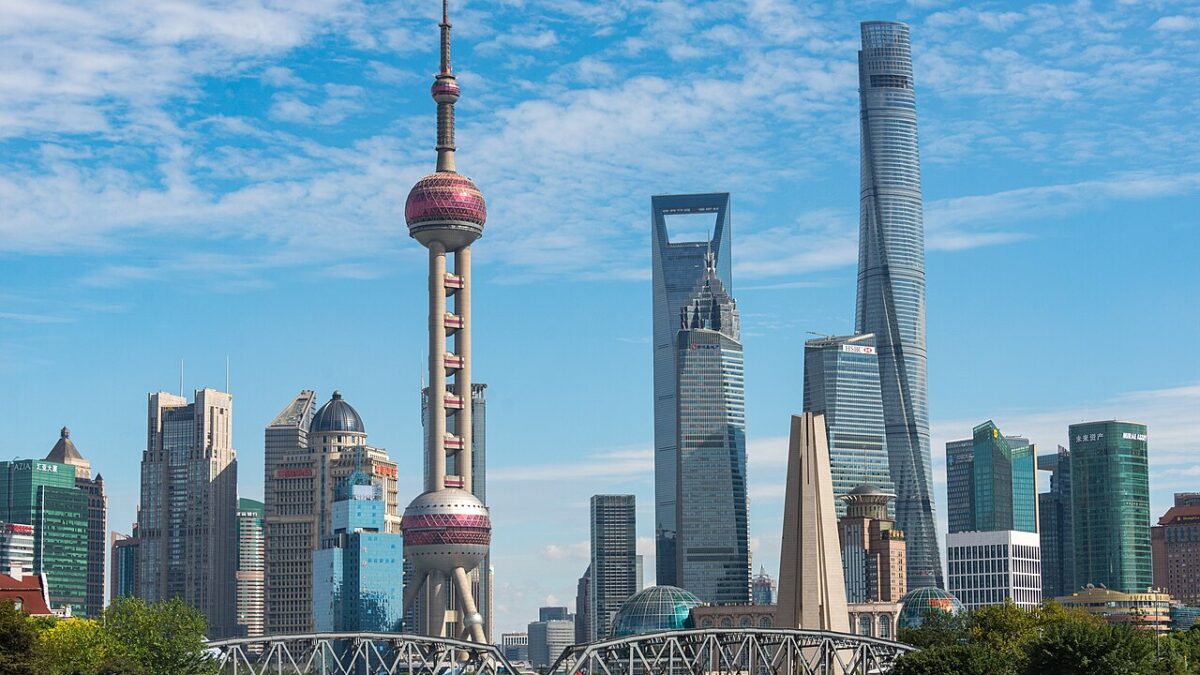
Shanghai, a vibrant metropolis, offers an unparalleled blend of futuristic skylines, rich history, and dynamic culture. This comprehensive Shanghai travel guide provides essential insights for international travelers, covering everything from top attractions and culinary delights to practical tips for an unforgettable journey. Discover the magic of this global city with our expert recommendations for an optimal experience.
Why Visit Shanghai?
Shanghai stands as a testament to China’s rapid development, seamlessly blending its colonial past with a hyper-modern future. It is a city of captivating contrasts, where historic European architecture coexists with towering skyscrapers. Travelers are drawn to its unique East-meets-West allure, offering a diverse range of experiences.
The city is a global hub for art, fashion, and cuisine, boasting an impressive array of Michelin-starred restaurants and bustling street food scenes. Shanghai’s efficient public transportation, vibrant nightlife, and numerous cultural institutions make it an accessible and exciting destination for any international visitor. Its energy is palpable, promising an unforgettable adventure.
Average Travel Cost in Shanghai
The cost of a trip to Shanghai can vary significantly based on your travel style and preferences. Accommodation, dining choices, and the number of attractions you visit are primary factors. Generally, Shanghai can be enjoyed on a budget, but it also offers luxurious experiences for those seeking indulgence.
The local currency is the Chinese Yuan (CNY), often referred to as Renminbi (RMB). As of 2026, expect approximate daily costs as detailed below. These figures are estimates and can fluctuate based on exchange rates and specific choices. Use our travel cost calculator for personalized estimates.
| Category | Budget (CNY / USD est.) | Mid-Range (CNY / USD est.) | Luxury (CNY / USD est.) |
|---|---|---|---|
| Hotel | ¥200-400 / $28-55 | ¥600-1200 / $83-165 | ¥1800-4000+ / $250-550+ |
| Food | ¥80-150 / $11-20 | ¥200-400 / $28-55 | ¥500-1000+ / $70-140+ |
| Transport | ¥30-50 / $4-7 | ¥50-80 / $7-11 | ¥80-150 / $11-20 |
| Attractions | ¥50-100 / $7-14 | ¥150-300 / $20-40 | ¥300-600 / $40-85 |
| Total Daily Cost | ¥360-700 / $50-96 | ¥1000-2000 / $138-275 | ¥2680-5750+ / $370-795+ |
Where to Stay in Shanghai
Choosing the right neighborhood in Shanghai can significantly enhance your travel experience. The city offers diverse areas, each with its own character and range of accommodations. Consider your priorities, such as proximity to attractions, nightlife, or a quieter atmosphere, when making your decision.
-
The Bund & Pudong
This iconic area is perfect for first-time visitors seeking breathtaking skyline views and luxury accommodations. Hotels here often boast unparalleled vistas of the Huangpu River and the Lujiazui financial district. While pricier, the convenience to major attractions and high-end dining is a significant draw. Price Range: Luxury.
-
French Concession (Former French Concession)
Known for its tree-lined streets, historic villas, and charming boutiques, the French Concession offers a more relaxed and romantic ambiance. This area is ideal for those who appreciate culture, history, and a vibrant cafe scene. You’ll find a mix of boutique hotels, guesthouses, and upscale international brands. Price Range: Mid-Range to Luxury.
-
People’s Square & Nanjing Road
Located in the heart of the city, this bustling district is excellent for travelers who prioritize convenience and shopping. It offers easy access to major metro lines, museums, and a wide range of dining options. Accommodation here spans from budget-friendly hostels to mid-range hotels, making it a versatile choice. Price Range: Budget to Mid-Range.
Best Things to Do in Shanghai
Shanghai offers an incredible array of attractions, blending ancient traditions with futuristic innovation. From historical landmarks to modern marvels, there is something to captivate every traveler. Allocate sufficient time to explore these diverse sights.
-
The Bund (Waitan)
Stroll along this iconic waterfront promenade to witness Shanghai’s most famous skyline. The Bund offers stunning views of Pudong’s futuristic skyscrapers on one side and the historical European-style buildings on the other. It is particularly beautiful at sunset and after dark when the city lights illuminate the scene.
-
Yu Garden & Bazaar
Discover a classical Chinese garden dating back to the Ming Dynasty, featuring intricate rockeries, serene ponds, and traditional pavilions. Adjacent to the garden, the Yu Garden Bazaar is a bustling marketplace offering souvenirs, snacks, and traditional crafts. It’s a perfect spot to immerse yourself in traditional Chinese culture.
-
Oriental Pearl TV Tower / Shanghai Tower
Ascend one of Shanghai’s iconic skyscrapers for unparalleled panoramic views of the city. The Oriental Pearl TV Tower offers unique viewing spheres, while the Shanghai Tower, China’s tallest building, provides a breathtaking “Top of Shanghai Observatory” experience. Both offer distinct perspectives of the sprawling metropolis.
-
Former French Concession
Wander through the charming, tree-lined streets of the French Concession, an area rich in history and European-style architecture. Explore boutique shops, art galleries, and quaint cafes housed in beautifully preserved villas. It offers a tranquil escape from the city’s hustle, perfect for a leisurely afternoon.
-
Shanghai Museum
Located on People’s Square, the Shanghai Museum is a world-class institution showcasing ancient Chinese art and artifacts. Its extensive collection includes bronzes, ceramics, calligraphy, jade, and furniture, providing a deep dive into China’s rich cultural heritage. Entry is typically free, making it an excellent cultural stop.
-
Nanjing Road Pedestrian Street
Experience the vibrant energy of Nanjing Road, one of the world’s busiest shopping streets. From international brands to local department stores, it offers a diverse retail experience. The street comes alive at night with dazzling neon lights, creating a lively atmosphere for evening strolls and people-watching.
-
Xintiandi
Explore Xintiandi, a stylish pedestrian area composed of renovated traditional Shikumen (stone-gate) houses. This upscale district blends historical architecture with modern amenities, featuring trendy restaurants, bars, and boutiques. It’s a great place for a sophisticated meal or an evening out.
-
Zhujiajiao Water Town
Take a day trip to Zhujiajiao, an ancient water town often called the “Venice of Shanghai.” Explore its picturesque canals, ancient bridges, and traditional houses via gondola rides or on foot. It offers a serene contrast to Shanghai’s urban landscape and a glimpse into traditional Chinese village life.
-
Tianzifang
Delve into the labyrinthine alleyways of Tianzifang, an artsy and bohemian quarter in the French Concession. This area is home to unique art studios, craft shops, cafes, and small eateries. It’s a delightful place to discover local artists and enjoy a relaxed, creative atmosphere.
Where to Eat in Shanghai
Shanghai’s culinary scene is as diverse as its skyline, offering everything from traditional Shanghainese delicacies to international fine dining. Food is an integral part of the travel experience here. Be sure to explore both local flavors and renowned establishments.
-
Xiaolongbao (Soup Dumplings)
No visit to Shanghai is complete without trying xiaolongbao, the city’s signature soup dumplings. These delicate morsels are filled with savory pork and hot broth. Renowned establishments like Jia Jia Tang Bao or Din Tai Fung offer excellent versions, providing an authentic taste of Shanghainese cuisine.
-
Local Street Food
Explore bustling morning markets and street stalls for authentic and affordable local treats. Try shengjianbao (pan-fried pork buns), jianbing (savory crepes), and cong you ban mian (scallion oil noodles). Areas around Fuyou Road or local neighborhoods offer a true taste of everyday Shanghai.
-
Shanghainese Cuisine Restaurants
Savor traditional Shanghainese dishes characterized by their sweet and savory flavors. Must-try items include hongshao rou (braised pork belly), ba bao fan (eight-treasure rice), and hairy crab during autumn season. Seek out local favorites for an authentic dining experience.
-
Fine Dining on The Bund
For a memorable evening, indulge in a fine dining experience at one of the many upscale restaurants along The Bund. These establishments often boast Michelin stars and offer exquisite cuisine with unparalleled views of the Pudong skyline. Reservations are highly recommended for these popular spots.
-
Xintiandi & Tianzifang Eateries
These pedestrianized areas offer a wide selection of cafes, bistros, and restaurants, ranging from casual to upscale. You can find both international cuisine and modern Chinese fusion dishes in a stylish setting. They are perfect for a relaxed lunch or a vibrant dinner.
3-Day Shanghai Itinerary
This itinerary is designed to give first-time visitors a comprehensive experience of Shanghai’s highlights. It balances historical exploration with modern marvels, ensuring you capture the essence of this dynamic city. Adjust timings based on your pace and interests.
Day 1: Iconic Shanghai – Past and Future
Begin your day with a morning stroll along The Bund, admiring the colonial-era buildings and the futuristic Pudong skyline. Capture memorable photos before heading to Nanjing Road Pedestrian Street for some light shopping and people-watching. Enjoy a traditional Shanghainese lunch at a local eatery.
In the afternoon, immerse yourself in traditional Chinese culture at Yu Garden and Bazaar. Explore the intricate gardens and browse the bustling market for souvenirs. As evening approaches, ascend either the Oriental Pearl TV Tower or the Shanghai Tower for breathtaking night views of the city. Conclude your day with dinner in Pudong or along The Bund, enjoying the illuminated cityscape.
Day 2: Culture, Charm, and Art
Dedicate your morning to exploring the charming streets of the Former French Concession. Wander through tree-lined avenues, discover boutique shops, and enjoy coffee at a quaint cafe. Continue to Tianzifang, an artistic labyrinth of alleyways filled with galleries, craft shops, and unique eateries. Have lunch in this bohemian quarter.
In the afternoon, visit the Shanghai Museum on People’s Square to delve into China’s rich artistic and historical heritage. Allow at least two to three hours to appreciate its extensive collections. For the evening, head to Xintiandi for dinner, where you can choose from a variety of upscale restaurants in a stylish setting of renovated Shikumen houses. Enjoy a relaxed evening in this vibrant district.
Day 3: Escape or Modern Marvels
For your final day, choose between a tranquil escape or further urban exploration. Option A: Take a half-day trip to Zhujiajiao Water Town. Enjoy a boat ride along the canals, explore ancient bridges, and soak in the serene atmosphere of this traditional village. Return to Shanghai for a late afternoon.
Option B: For a more modern experience, visit the Shanghai Science and Technology Museum, or for family fun, consider a day at Shanghai Disneyland Resort (requires a full day). Alternatively, delve deeper into specific interests like the Propaganda Art Poster Museum. Conclude your Shanghai journey with a farewell dinner, perhaps trying a different cuisine or revisiting a favorite spot.
Transportation Guide
Shanghai boasts an incredibly efficient and extensive public transportation system, making it easy for travelers to navigate the city. Understanding your options will greatly enhance your mobility and overall experience.
-
Shanghai Metro (Subway)
The metro is the most convenient and cost-effective way to travel around Shanghai. It is one of the longest metro networks in the world, with clear English signage and announcements. Fares are distance-based and very affordable. Purchase single-use tickets at stations or use a Shanghai Public Transportation Card.
-
Taxis & Ride-Hailing (Didi)
Taxis are readily available, but communication can be a challenge without Chinese language skills. A better alternative is using ride-hailing apps like Didi Chuxing (China’s equivalent to Uber). Didi offers English interfaces and accepts international payment methods, providing convenience and transparent pricing. Always ensure your destination is clearly communicated or input into the app.
-
Maglev Train
For a unique experience, take the Shanghai Maglev Train, the world’s first commercial maglev line. It connects Pudong International Airport (PVG) to Longyang Road Station in Pudong, reaching speeds of up to 430 km/h. This is the fastest way to travel between the airport and the city, offering a glimpse into advanced rail technology.
-
Buses
While extensive, Shanghai’s bus network can be challenging for tourists due to limited English signage and announcements. It is generally recommended to stick to the metro or ride-hailing for ease of use. However, buses are a very cheap option for local commutes if you are adventurous.
-
Payment
Mobile payment platforms like Alipay and WeChat Pay are dominant in Shanghai and throughout China. While cash is accepted, it is becoming less common. Consider setting up one of these apps before your trip or carrying a Shanghai Public Transportation Card for metro and bus fares. Some international credit cards are accepted in major hotels and upscale restaurants, but not universally.
Money-Saving Tips
Traveling in Shanghai can be affordable with a few smart strategies. By making conscious choices, you can significantly reduce your daily expenses without compromising on the experience. These tips will help you manage your Shanghai travel cost effectively. For more budget-friendly destinations in the region, browse Asia travel guides.
-
Utilize the Metro: The Shanghai Metro is incredibly efficient and inexpensive. It connects all major attractions and is far cheaper than taxis or Didi for most journeys. Purchase a Shanghai Public Transportation Card for seamless travel.
-
Eat Local: Skip tourist traps and opt for local eateries, street food stalls, and noodle shops. These offer delicious and authentic Shanghainese cuisine at a fraction of the price of sit-down restaurants. Look for places bustling with locals for the best experience.
-
Visit Free Attractions: Many of Shanghai’s top sights, such as The Bund, Nanjing Road, the Former French Concession streets, and People’s Square, are free to explore. Shanghai Museum also offers free admission. Prioritize these to save on entry fees.
-
Stay in Budget-Friendly Areas: Consider accommodations in areas like People’s Square or parts of the French Concession that offer hostels or more affordable hotels. Booking in advance can also secure better rates. Look for places near metro stations for convenience.
-
Carry a Water Bottle: Tap water is not potable in Shanghai. Instead of constantly buying bottled water, carry a reusable bottle and refill it at your hotel or filtered water stations where available. This small habit can lead to significant savings over your trip.
Frequently Asked Questions
Do I need a visa to visit Shanghai?
Most international travelers require a visa to enter China, including Shanghai. However, Shanghai offers a 144-hour transit visa exemption for citizens of many countries, allowing stays in the Shanghai-Jiangsu-Zhejiang region if transiting to a third country. Always check the latest visa requirements with the Chinese embassy or consulate in your country before travel.
What is the best time to visit Shanghai?
The best times to visit Shanghai are during spring (March to May) and autumn (September to November). These seasons offer pleasant temperatures, comfortable humidity, and clearer skies, ideal for sightseeing and outdoor activities. Summers can be hot and humid, while winters are cold and damp.
Is Shanghai safe for tourists?
Shanghai is generally considered a very safe city for tourists. Violent crime is rare, and petty crime like pickpocketing is minimal, especially compared to many major global cities. Exercise standard precautions, such as being aware of your surroundings and safeguarding your valuables, particularly in crowded tourist areas.
Do people speak English in Shanghai?
While Mandarin Chinese is the official language, English is spoken to varying degrees in major tourist areas, international hotels, and some upscale restaurants. However, outside these areas, English proficiency can be limited. It is advisable to have a translation app, learn a few basic Mandarin phrases, or carry a translation card with key phrases for smoother communication. Consider checking out the Hong Kong travel guide for another vibrant Asian city where English is more widely spoken.
How do I pay for things in Shanghai?
Mobile payment, primarily via WeChat Pay and Alipay, is the dominant method in Shanghai. Cash is still accepted but less common, and many smaller vendors may not have change. International credit cards are accepted at major hotels and department stores but less frequently at smaller shops or restaurants. It is highly recommended to set up one of the mobile payment apps or carry some cash for convenience. For a different travel experience and cost comparison, check travel costs in Zanzibar (Stone Town). You might find it interesting to compare with Osaka as well.

Kai has visited 60+ countries across 6 continents, with a obsession for one thing most travelers ignore: the real cost of getting there. Former budget backpacker turned data-driven travel writer, Kai breaks down destination costs so you can plan smarter — not just dream bigger. Based everywhere, from nowhere in particular.