3 Days in Seattle: Pike Place, Coffee & Music
Why Visit Seattle?
Seattle offers a compelling blend of natural beauty, technological innovation, and vibrant cultural experiences, making it a prime destination for 2026. This Seattle travel guide details how to navigate its diverse neighborhoods, enjoy its renowned culinary scene, and experience its iconic attractions efficiently, all while managing costs effectively. Visitors can explore the stunning Puget Sound, delve into the history of major tech companies, and savor fresh Pacific Northwest cuisine.
The city’s unique geography, nestled between the Cascade and Olympic Mountains and the Puget Sound, provides unparalleled opportunities for outdoor recreation and scenic vistas. From the bustling Pike Place Market to the serene beauty of Discovery Park, Seattle presents a dynamic urban environment deeply connected to its natural surroundings. This guide aims to equip travelers with the practical knowledge needed for a fulfilling visit.
Who This Guide Is For
This guide is designed for first-time visitors planning a 3-5 day trip to Seattle, seeking a balance of popular attractions and local experiences. It is particularly beneficial for travelers interested in understanding potential costs, exploring diverse neighborhoods, and optimizing their itinerary for efficiency.
Average Travel Cost in Seattle
The following data provides an estimated daily expenditure breakdown for various travel styles in Seattle for 2026. Exchange rates are assumed at 1 USD = 1 USD ($). Tipping culture in restaurants typically ranges from 18-20%.
| Category | Budget | Mid-Range | Luxury |
|---|---|---|---|
| Accommodation | $75 | $175 | $400 |
| Food | $40 | $80 | $150 |
| Transport | $15 | $40 | $100 |
| Attractions | $25 | $60 | $150 |
| Misc | $20 | $40 | $75 |
| Daily Total | $175 | $395 | $875 |
Estimated Total Costs:
* 3-Day Trip:
* Budget: $525
* Mid-Range: $1185
* Luxury: $2625
* 7-Day Trip:
* Budget: $1225
* Mid-Range: $2765
* Luxury: $6125
Hotel versus Airbnb-style accommodation can offer significant savings, particularly for budget and mid-range travelers. For instance, a 7-day stay in a mid-range hotel could exceed $1225 ($175/night), whereas a comparable Airbnb might cost around $900-$1100, yielding savings of up to 25%. This difference becomes more pronounced for longer stays and larger groups.
Seasonal price variations are notable. The peak season, from July to September, sees the highest accommodation and flight prices. Shoulder seasons (April-June and October-November) offer a balance of pleasant weather and reduced costs. Off-season (December-March) presents the lowest prices, though weather can be a factor. For the most favorable pricing, consider visiting in April, May, October, or November.
Where to Stay in Seattle
Downtown Seattle is Seattle’s central business district, known for its proximity to major attractions like Pike Place Market, the waterfront, and numerous corporate offices.
* Price Range (per night): Budget: $100-$150, Mid-Range: $175-$250
* Best for: First-time visitors, business travelers, those prioritizing walkability to key sights.
* Insider Tip: Book accommodations at least 3-4 months in advance for the best rates and availability, especially during peak season.
Pioneer Square offers historic architecture and a vibrant nightlife, characterized by its Romanesque Revival buildings and proximity to the waterfront and stadiums.
* Price Range (per night): Budget: $90-$130, Mid-Range: $150-$200
* Best for: History buffs, nightlife enthusiasts, travelers seeking a more bohemian atmosphere.
* Insider Tip: Explore the underground tours for a unique perspective on the neighborhood’s history; book tickets online beforehand to secure a spot.
Capitol Hill is a dynamic and diverse neighborhood renowned for its eclectic mix of boutiques, restaurants, bars, and LGBTQ+ friendly venues, as well as its vibrant arts scene.
* Price Range (per night): Budget: $80-$120, Mid-Range: $140-$190
* Best for: Young travelers, foodies, those seeking lively entertainment and cultural experiences.
* Insider Tip: Utilize public transportation or rideshares within Capitol Hill, as parking can be challenging and expensive.
Best Things to Do in Seattle
Pike Place Market
This historic public market, established in 1907, is one of the oldest continuously operated public farmers’ markets in the United States. It is a sensory experience, famous for its flying fish, fresh produce, artisanal crafts, and diverse food stalls.
* Average Ticket Price: Free to enter; costs vary for purchases.
* Best Time to Visit: Weekdays, especially in the morning (before 10 AM) to avoid peak crowds.
* Insider Tip: Explore the lower levels of the market for unique shops and fewer crowds. Sample items from various vendors to experience a wide range of flavors without committing to full meals.
Space Needle
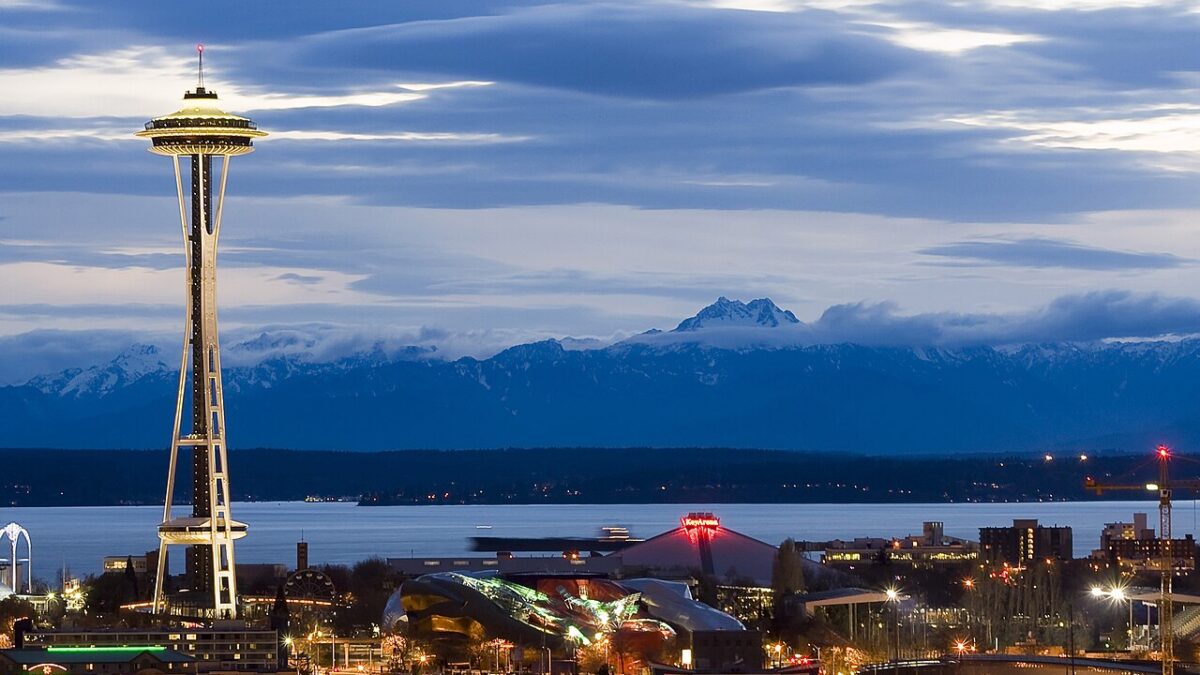
An iconic landmark of Seattle, the Space Needle offers panoramic 360-degree views of the city, Puget Sound, and the surrounding mountain ranges. Its observation deck features a rotating glass floor.
* Average Ticket Price: Approximately $35-$45 for adults, with variations based on time of day and booking method.
* Best Time to Visit: Early morning or late afternoon for fewer crowds and potentially better light for photography. Sunset views are particularly sought after.
* Insider Tip: Purchase tickets online in advance and select a timed entry to minimize waiting. Consider visiting on a clear day for optimal visibility.
Chihuly Garden and Glass
Located at the Seattle Center, this museum showcases the vibrant and intricate glass artwork of Dale Chihuly. The exhibition includes indoor galleries and an outdoor garden.
* Average Ticket Price: Approximately $32 for adults. Combination tickets with the Space Needle are often available.
* Best Time to Visit: Late afternoon, as the light changes, enhancing the colors of the glass installations. It is also less crowded than midday.
* Insider Tip: Visit during the “Glass in Flight” evening program (seasonal) for a unique illuminated experience of the garden.
Museum of Pop Culture (MoPOP)
Also at Seattle Center, MoPOP is dedicated to contemporary popular culture, featuring exhibits on music, science fiction, fantasy, and gaming. Its striking architecture is designed by Frank Gehry.
* Average Ticket Price: Approximately $30-$35 for adults.
* Best Time to Visit: Weekdays, particularly in the morning, to avoid school groups and weekend crowds.
* Insider Tip: Check the museum’s website for special exhibits and events that may be of particular interest. Consider purchasing tickets online beforehand.
Discovery Park
The largest urban park in Seattle, Discovery Park offers 534 acres of forests, meadows, and beaches, with miles of walking trails and stunning views of Puget Sound and the Olympic Mountains.
* Average Ticket Price: Free.
* Best Time to Visit: Spring and summer for wildflowers and pleasant hiking weather. Autumn offers beautiful foliage.
* Insider Tip: Wear sturdy footwear suitable for hiking. The loop trail to the West Point Lighthouse is a popular, moderately challenging route.
Kerry Park
This small public park on Queen Anne Hill provides one of the most iconic and photographed views of the Seattle skyline, including the Space Needle, Elliott Bay, and Mount Rainier on clear days.
* Average Ticket Price: Free.
* Best Time to Visit: Sunrise or sunset for dramatic lighting. Evenings offer a view of the illuminated city.
* Insider Tip: Arrive early for parking, especially during popular times. The park is small, so the best vantage points are often occupied quickly.
Where to Eat in Seattle
Fine Dining: Canlis
* Cuisine: Pacific Northwest with Japanese influences.
* Price Range: $150+ per person.
* What to Order: The tasting menu offers a curated experience of their seasonal offerings. Reservations are essential, often months in advance.
* Location Tip: Perched on a hill overlooking Lake Union, offering spectacular views that complement the dining experience.
Seafood: Taylor Shellfish Oyster Bar (Pioneer Square)
* Cuisine: Pacific Northwest Oysters and Seafood.
* Price Range: $30-$60 per person.
* What to Order: A selection of local oysters, Dungeness crab, and their oyster shooter. Their commitment to sustainable aquaculture ensures freshness.
* Location Tip: Conveniently located in Pioneer Square, making it an ideal stop after exploring the historic district or before a game.
Casual/Market: Pike Place Chowder
* Cuisine: Seafood Chowders.
* Price Range: $15-$25 per person.
* What to Order: The award-winning New England Clam Chowder or the Smoked Salmon Chowder. They offer gluten-free options.
* Location Tip: Located within Pike Place Market, expect queues. Visiting during off-peak hours (mid-afternoon) can reduce wait times.
International Street Food: International District (Chinatown/ID)
* Cuisine: Diverse Asian cuisines (Chinese, Vietnamese, Korean, Thai, etc.).
* Price Range: $10-$25 per person.
* What to Order: Explore various eateries for authentic pho, dim sum, banh mi, or Korean BBQ. Look for smaller, family-run establishments for genuine flavors.
* Location Tip: Wander through the blocks of the International District to discover a wide array of authentic and affordable dining options.
3-Day Seattle Itinerary
Day 1
* Morning: Begin at Pike Place Market, exploring its vibrant stalls and enjoying breakfast from one of the many vendors. Visit the original Starbucks.
* Afternoon: Head to Seattle Center. Explore Chihuly Garden and Glass and ascend the Space Needle for panoramic city views.
* Evening: Enjoy dinner in the Belltown neighborhood, known for its diverse dining options.
* Estimated Daily Cost: $175 (Budget) – $395 (Mid-Range)
Day 2
* Morning: Explore Pioneer Square, taking an underground tour to learn about the city’s history. Visit the Waterfall Garden Park.
* Afternoon: Visit the Museum of Pop Culture (MoPOP) for an immersive experience in popular culture.
* Evening: Experience the nightlife and diverse culinary scene of Capitol Hill.
* Estimated Daily Cost: $175 (Budget) – $395 (Mid-Range)
Day 3
* Morning: Visit Discovery Park for a nature escape. Hike to the West Point Lighthouse for scenic views of Puget Sound.
* Afternoon: Explore the Fremont neighborhood, known for its quirky art installations and the Fremont Troll. Browse local boutiques.
* Evening: Enjoy a farewell dinner with waterfront views along the Seattle waterfront or in the Queen Anne neighborhood.
* Estimated Daily Cost: $175 (Budget) – $395 (Mid-Range)
Transportation Guide
Seattle-Tacoma International Airport (SEA) is the primary gateway. The Link Light Rail offers an efficient and cost-effective transfer to downtown Seattle, taking approximately 38 minutes and costing around $3.00-$3.50. Rideshare services like Uber and Lyft are readily available at the airport, with fares to downtown ranging from $35-$50 depending on traffic.
Public transit within Seattle is robust, primarily comprising buses and the Link Light Rail. A ORCA card can be purchased for easy tap-and-go payments across the system. A single bus fare typically costs $2.75, and light rail fares vary by zone, generally between $2.25 and $3.50. The Seattle Streetcar also serves specific routes within the city.
Rideshare services are widely available throughout Seattle and are a convenient option for direct travel between neighborhoods, especially during off-peak transit hours. Fares vary significantly based on demand, time of day, and distance. For those considering a more extensive exploration of the region, rental cars are available at the airport and in various city locations, though parking in downtown areas can be expensive and challenging.
Money-Saving Tips
Pro Tip 1: Purchase a Seattle CityPASS or Go Seattle Pass if you plan to visit multiple major attractions. These passes can offer savings of up to 40% on admission fees compared to buying individual tickets.
Pro Tip 2: Utilize Seattle’s extensive public transportation system, including the Link Light Rail and bus network, to reduce daily transport costs. A 7-day unlimited pass costs approximately $54, significantly less than daily rideshare expenses.
Pro Tip 3: Take advantage of happy hour specials at restaurants and bars. Many establishments offer discounted food and drinks between 3 PM and 6 PM on weekdays, allowing for more affordable dining experiences.
Common Travel Mistakes
Mistake 1: Underestimating Seattle’s rain and unpredictable weather. Visitors often arrive with insufficient waterproof clothing and layers, leading to discomfort. Always pack a waterproof jacket and umbrella, even during summer months, and be prepared for temperature fluctuations.
Mistake 2: Attempting to drive and park in crowded downtown areas. Traffic congestion and high parking fees can significantly inflate costs and waste valuable time. Prioritize public transportation, walking, or rideshares for intra-city travel.
Frequently Asked Questions
How much money do you need for 3 days in Seattle?
For a 3-day trip to Seattle, a budget traveler can expect to spend approximately $525, covering basic accommodation, modest food choices, local transport, and select attractions. A mid-range budget would allocate around $1185 for more comfortable lodging, varied dining, and additional activities. Luxury travelers should budget approximately $2625 for premium experiences.
Is Seattle expensive for tourists?
Seattle is generally considered an expensive city for tourists, particularly regarding accommodation and dining, aligning with other major West Coast cities. The average daily cost for a mid-range traveler is around $395. However, by utilizing money-saving strategies and focusing on free attractions, costs can be managed.
What is the best area to stay in Seattle?
The best area to stay depends on your priorities. Downtown offers convenience to major attractions and is ideal for first-time visitors. Capitol Hill provides a vibrant atmosphere with diverse dining and nightlife, appealing to younger travelers. Pioneer Square offers historic charm and a lively evening scene.
Can you visit Seattle without a car?
Yes, it is entirely feasible to visit Seattle without a car. The city has a well-developed public transportation system, including the Link Light Rail, buses, and streetcars. Rideshare services are also widely available, making it easy to navigate between neighborhoods and reach most key attractions.
What is the cheapest month to visit Seattle?
The cheapest months to visit Seattle are typically from January to March. During this off-peak season, accommodation and flight prices are at their lowest. However, visitors should be prepared for cooler temperatures and a higher chance of rain.

Kai has visited 60+ countries across 6 continents, with a obsession for one thing most travelers ignore: the real cost of getting there. Former budget backpacker turned data-driven travel writer, Kai breaks down destination costs so you can plan smarter — not just dream bigger. Based everywhere, from nowhere in particular.