Sarajevo vs Mostar: Which City Should You Visit?
Choosing between Sarajevo and Mostar for a trip to Bosnia and Herzegovina presents a delightful dilemma, as both cities offer unique and compelling experiences. For the traveler seeking a vibrant, cosmopolitan capital with a rich tapestry of history and a dynamic modern pulse, Sarajevo is the clear choice. Conversely, for those drawn to a more intimate, visually stunning destination centered around a singular iconic landmark and a palpable sense of resilience, Mostar reigns supreme.
Sarajevo vs Mostar: Quick Comparison
Sarajevo, the capital, is a sprawling metropolis that seamlessly blends East and West, offering a multifaceted experience for history buffs, foodies, and those seeking a lively urban atmosphere. Mostar, on the other hand, is a smaller, more geographically concentrated city, primarily defined by its breathtaking Old Bridge and the Neretva River, making it ideal for travelers who appreciate iconic beauty and a more focused historical narrative.
Cost Comparison
| Category | Sarajevo (USD) | Mostar (USD) |
|---|---|---|
| Accommodation (Mid-range hotel, per night) | 70-120 | 60-100 |
| Food (Mid-range restaurant, per meal per person) | 10-20 | 8-15 |
| Transport (Local bus/tram, single ride) | 1-2 | 1-2 |
| Activities (Average entrance fees) | 5-15 | 5-15 |
| Daily Total (Estimated, per person) | 60-100 | 50-85 |
Atmosphere & Culture
Sarajevo
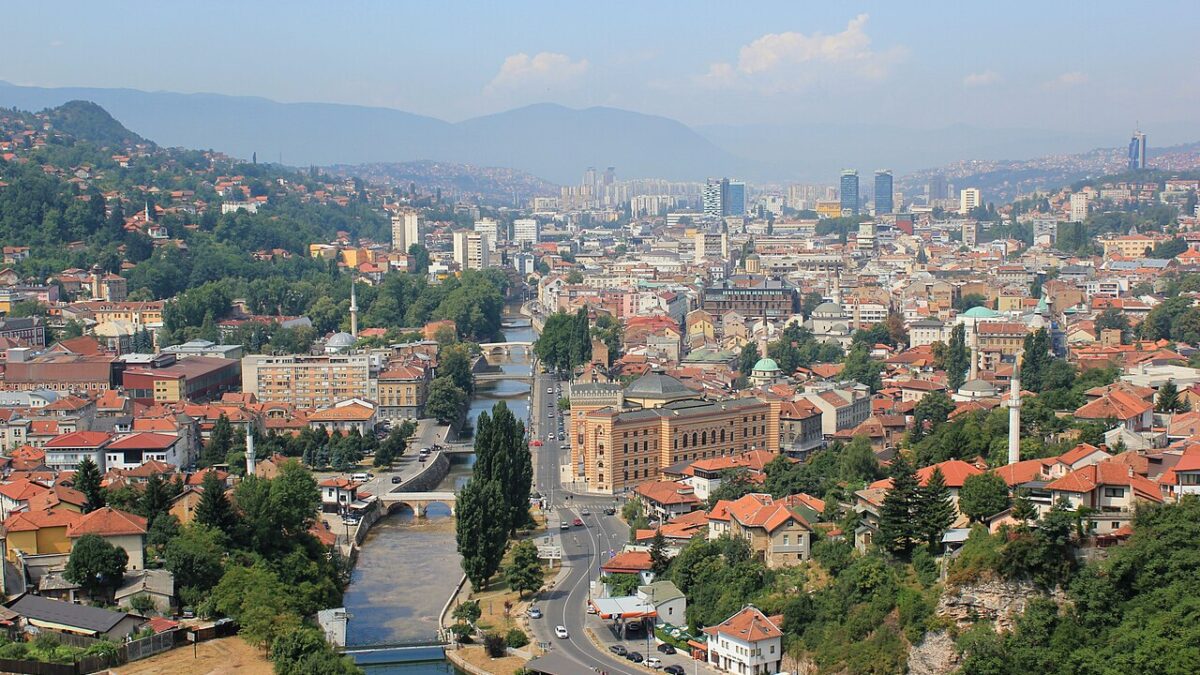
Sarajevo exudes an energetic yet welcoming atmosphere. It is a city that has endured immense hardship, notably the 1990s siege, and this history is palpable. The pace of life is relatively brisk, especially in the city center, but there is an underlying warmth and hospitality from its residents. Architecturally, Sarajevo is a fascinating mix. The Baščaršija, the old bazaar, is a labyrinth of Ottoman-era streets, filled with copper workshops, mosques, and traditional eateries. As you move away from the center, Austrian-Hungarian influences become apparent in the grand boulevards and ornate buildings. The local culture is a vibrant blend of Ottoman, Austro-Hungarian, and Slavic traditions, evident in its music, art, and daily life. Sarajevo is a city that feels alive, with a strong sense of identity and a forward-looking spirit.
Mostar
Mostar’s atmosphere is more serene and focused, largely revolving around the iconic Stari Most (Old Bridge). The pace of life is slower, particularly within the Old Town, allowing visitors to soak in the picturesque surroundings. The dominant architectural style is Ottoman, particularly evident in the Old Bridge and the surrounding stone buildings. The Neretva River, with its emerald waters, is central to Mostar’s identity and visual appeal. The culture here is deeply tied to the bridge and the river, with traditions of bridge diving and a strong sense of community centered around these landmarks. While Mostar has a rich history, its present is very much defined by its enduring beauty and the resilience of its people in rebuilding after the war. It offers a more concentrated and visually dramatic experience.
Things to Do
Sarajevo
- Explore Baščaršija: Wander through the historic Ottoman bazaar, discover artisan workshops, and experience the heart of Sarajevo’s old town.
- Visit the Tunnel of Hope: Gain a profound understanding of the city’s wartime experience by visiting the Sarajevo War Tunnel, a vital lifeline during the siege.
- Ride the Trebević Cable Car: Ascend to Mount Trebević for panoramic views of the city and explore the abandoned bobsled track from the 1984 Winter Olympics.
Mostar
- Marvel at the Stari Most: Witness the iconic Old Bridge, a UNESCO World Heritage site, and observe the daring bridge divers.
- Wander through the Old Town: Explore the charming cobblestone streets, visit the Kujundžiluk (Old Bazaar), and admire the Ottoman-era architecture.
- Visit the Koski Mehmed Pasha Mosque: Climb the minaret for breathtaking views of the Old Bridge and the Neretva River.
Food Scene
Sarajevo
Sarajevo’s culinary scene is a rich fusion of Bosnian, Turkish, and Mediterranean influences. It’s known for hearty, flavorful dishes. The price range for a mid-range meal is approximately $10-20 per person. Must-try dishes include ćevapi (grilled minced meat sausages), burek (savory pastry filled with meat, cheese, or spinach), and dolma (stuffed vegetables). Coffee culture is also very strong, with Bosnian coffee served in traditional copper pots.
Mostar
Mostar’s food scene shares many similarities with Sarajevo, emphasizing traditional Bosnian cuisine with a focus on grilled meats and fresh ingredients. The price range for a mid-range meal is slightly more affordable, around $8-15 per person. Key dishes to experience include plekavica (a larger, flatter ćevapi), grilled lamb, and various local cheeses. Freshly baked bread is a staple. The setting for dining, often with views of the Old Bridge, enhances the culinary experience.
Best For…
- Budget travelers: Sarajevo offers slightly more affordable accommodation and a wider range of budget-friendly eateries.
- Foodies: Both cities offer excellent traditional cuisine, but Sarajevo’s larger size and diverse influences provide a broader culinary landscape.
- History lovers: Sarajevo, with its extensive wartime history and layered cultural influences, offers a more profound and varied historical exploration.
- Nightlife: Sarajevo, as the capital, has a more developed and diverse nightlife scene, with numerous bars, pubs, and live music venues.
- Families: Both cities are generally safe and welcoming to families. Sarajevo’s wider range of activities might appeal more to families with varied interests.
Our Verdict
Sarajevo is the ideal destination for travelers seeking a dynamic urban experience, a deep dive into complex history, and a vibrant cultural scene. Mostar, with its unparalleled visual beauty and intimate charm, is perfect for those who prioritize iconic landmarks and a more focused, picturesque journey.
For a comprehensive overview of each city, consult our dedicated guides: Sarajevo travel guide and Mostar travel guide.

Kai has visited 60+ countries across 6 continents, with a obsession for one thing most travelers ignore: the real cost of getting there. Former budget backpacker turned data-driven travel writer, Kai breaks down destination costs so you can plan smarter — not just dream bigger. Based everywhere, from nowhere in particular.