How Many Days in Santiago?
Santiago: Andes Gateway to Urban Discovery
Why Visit Santiago?
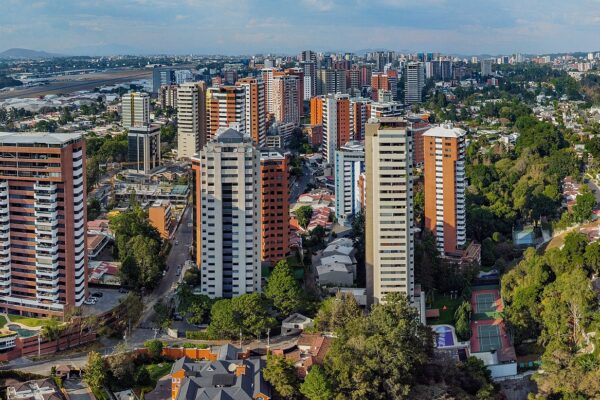
This Santiago travel guide highlights a city where the towering Andes provide a dramatic backdrop to a sophisticated urban landscape. Visitors can explore diverse neighborhoods, savor world-class Chilean cuisine, and access the country’s renowned wine regions, all within a manageable budget. Its strategic location also makes it an ideal hub for further exploration within Browse South America travel guides.
Santiago offers a compelling blend of cultural richness and natural beauty, making it a standout destination. The city’s dynamic arts scene, historical architecture, and vibrant nightlife are complemented by its proximity to skiing in winter and vineyards year-round. Understanding the costs, as outlined in this guide, allows for effective planning for trips ranging from a few days to a week.
Who This Guide Is For
This guide is designed for first-time visitors planning a 3-5 day trip to Santiago, seeking a balance of cultural immersion, culinary experiences, and practical information. It is also beneficial for budget-conscious travelers aiming to manage expenses effectively and for those interested in comparing urban travel costs, such as with Check travel costs in Istanbul.
Average Travel Cost in Santiago
The following table provides an estimated daily cost breakdown for different travel styles in Santiago, Chile, based on current exchange rates (1 USD = 950 CLP). Costs are approximate and subject to fluctuation.
| Category | Budget | Mid-Range | Luxury |
|---|---|---|---|
| Accommodation | $30 | $80 | $200 |
| Food | $25 | $50 | $120 |
| Transport | $10 | $25 | $60 |
| Attractions | $15 | $40 | $100 |
| Misc | $10 | $20 | $50 |
| Daily Total | $90 | $215 | $530 |
For longer stays, estimated total costs are as follows:
* 3-Day Total:
* Budget: $270
* Mid-Range: $645
* Luxury: $1590
* 7-Day Total:
* Budget: $630
* Mid-Range: $1505
* Luxury: $3710
Utilizing the travel cost calculator can help further refine these estimates.
When comparing accommodation options, Airbnb-style rentals often provide cost savings, particularly for longer stays or groups, by offering kitchen facilities and more space than comparable hotel rooms. A budget traveler might find a private room on Airbnb for $30-$40 per night, whereas a similar hotel room would likely cost $50-$70. This difference can amount to significant savings over a week-long trip.
Prices in Santiago fluctuate seasonally. The peak season, from October to April, coincides with warmer weather and offers pleasant conditions for city exploration and day trips, leading to higher accommodation and flight prices. Shoulder seasons (May-June, September) offer a good balance of favorable weather and reduced costs, while the off-season (July-August) presents the lowest prices but can be cooler and rainier, though it’s ideal for skiing in nearby resorts.
Tipping is customary in restaurants; a 10% service charge is often included in the bill, but an additional 5-10% is appreciated for good service.
Where to Stay in Santiago
Santiago offers a range of neighborhoods catering to different traveler preferences and budgets.
* Barrio Lastarria:
* Known for: Its bohemian atmosphere, historic architecture, independent boutiques, art galleries, and a lively culinary scene.
* Price Range (per night): Budget $30-$50 (hostels, guesthouses), Mid-Range $70-$120 (boutique hotels).
* Best for: Culture enthusiasts, foodies, and travelers seeking a central, walkable location with character.
* Insider Tip: Explore the street art and hidden courtyards; many small cafes offer excellent value for breakfast.
* Providencia:
* Known for: Its upscale residential feel, modern amenities, extensive shopping options, parks, and a safe, clean environment.
* Price Range (per night): Budget $40-$60 (basic hotels, Airbnb rooms), Mid-Range $90-$150 (modern hotels, larger apartments).
* Best for: Families, business travelers, and those who prefer a more contemporary and comfortable setting with excellent public transport links.
* Insider Tip: Take advantage of the many “picadas” (local eateries) offering affordable and authentic Chilean lunches.
* Bellavista:
* Known for: Its vibrant nightlife, colorful houses, street art, bohemian cafes, and proximity to Cerro San Cristóbal.
* Price Range (per night): Budget $25-$45 (hostels, basic guesthouses), Mid-Range $60-$100 (boutique hostels, small hotels).
* Best for: Young travelers, backpackers, and those seeking an energetic atmosphere and easy access to nightlife.
* Insider Tip: Visit on a weekday evening to experience its charm before the weekend crowds arrive.
Best Things to Do in Santiago
Parque Metropolitano de Santiago (Cerro San Cristóbal)
This expansive urban park offers panoramic views of the city and the Andes mountains. It features a zoo, botanical gardens, swimming pools, and religious sites, providing a green oasis for recreation and contemplation.
* Average Ticket Price: Free to enter park; Funicular and Teleferico have separate fees (approx. $5-$10 round trip).
* Best Time to Visit: Weekday mornings to avoid crowds; clear days offer the best visibility for city views.
* Insider Tip: Hike or bike up for a more active experience and to discover less crowded viewpoints.
Museo Chileno de Arte Precolombino
This museum houses an exceptional collection of art and artifacts from pre-Columbian cultures of Latin America, showcasing the rich heritage of the region. It is considered one of the most important collections of its kind globally.
* Average Ticket Price: Approximately $10.
* Best Time to Visit: Early afternoon on weekdays to avoid school groups.
* Insider Tip: Allocate at least 2-3 hours to fully appreciate the diverse exhibits.
La Chascona (Pablo Neruda’s House)
One of the three houses of Nobel Prize-winning poet Pablo Neruda, La Chascona is a quirky and artistic residence reflecting his life and inspirations. It offers insights into his personal world and literary career.
* Average Ticket Price: Approximately $12.
* Best Time to Visit: Late morning to avoid midday heat and potential tour groups.
* Insider Tip: Book tickets online in advance, especially during peak season, as tours are often limited.
Mercado Central
This historic market is a bustling hub for fresh seafood, produce, and local delicacies. It offers a vibrant sensory experience and is a popular spot for sampling Chilean cuisine.
* Average Ticket Price: Free to enter; food purchases vary.
* Best Time to Visit: Mid-morning for the freshest selection and fewer crowds.
* Insider Tip: Be aware of your surroundings and negotiate prices politely if purchasing goods from vendors.
Plaza de Armas
The historic heart of Santiago, this central square is surrounded by significant landmarks including the Metropolitan Cathedral, the Central Post Office, and the National History Museum. It is a focal point for civic life and historical reflection.
* Average Ticket Price: Free.
* Best Time to Visit: During daylight hours to appreciate the architecture and street performers.
* Insider Tip: Observe the architecture of the surrounding buildings; many have historical significance.
Sky Costanera
Located in the tallest building in South America, the Gran Torre Santiago, Sky Costanera offers unparalleled 360-degree views from its observation deck. It provides a modern perspective on the sprawling city and its mountainous surroundings.
* Average Ticket Price: Approximately $20-$25.
* Best Time to Visit: Sunset for spectacular views as the city lights up; book tickets for a specific time slot.
* Insider Tip: Check the weather forecast before booking; fog can significantly obscure the views.
Where to Eat in Santiago
Santiago’s culinary landscape ranges from sophisticated fine dining to humble, flavorful local eateries.
* Fine Dining: Boragó offers an avant-garde approach to Chilean ingredients, focusing on wild, native produce and innovative techniques. Expect tasting menus priced from $150-$250 per person. Reservations are essential, often months in advance.
* What to Order: The tasting menu, which changes seasonally and showcases the chef’s creativity.
* Location Tip: Situated in the Vitacura neighborhood, it is a destination in itself.
* Traditional Chilean Cuisine: Many restaurants in Barrio Lastarria and Bellavista offer classic Chilean dishes. Look for establishments serving “pastel de choclo” (corn casserole) or “cazuela” (hearty stew).
* Price Range per Meal: $20-$40.
* What to Order: “Pastel de Choclo,” “Cazuela,” “Empanadas.”
* Location Tip: Explore the side streets off Avenida Lastarria for authentic, less tourist-oriented options.
* Seafood: For fresh seafood, visit the Mercado Central for a bustling, authentic experience or explore restaurants in the coastal city of Valparaíso (a day trip from Santiago).
* Price Range per Meal: $25-$50.
* What to Order: “Congrio frito” (fried conger eel), “Reineta” (a type of fish), various ceviches.
* Location Tip: While Mercado Central is iconic, some find the restaurants surrounding it offer better value and quality.
* Street Food & Markets: Explore local markets like La Vega Central for fresh produce, empanadas, and traditional snacks. Street vendors also offer affordable options.
* Price Range per Meal: $5-$15.
* What to Order: “Empanadas,” “Completo” (Chilean hot dog), fresh fruit juices.
* Location Tip: La Vega Central is a more authentic market experience than Mercado Central for local produce and food stalls.
3-Day Santiago Itinerary
Day 1
* Morning: Begin with an exploration of Barrio Lastarria, known for its charming streets, independent shops, and art galleries. Visit the Museo Chileno de Arte Precolombino to immerse yourself in the region’s ancient history.
* Afternoon: Ascend Cerro San Cristóbal via the funicular for breathtaking city views and a stroll through the Parque Metropolitano. Enjoy the fresh air and explore the gardens.
* Evening: Experience the vibrant nightlife and bohemian atmosphere of Bellavista. Enjoy dinner at a local restaurant and perhaps catch some live music.
* Estimated Daily Cost: $120 (Mid-Range)
Day 2
* Morning: Delve into the city’s historical center by visiting the Plaza de Armas, the Metropolitan Cathedral, and the National History Museum. Explore the architecture and absorb the historical significance of the area.
* Afternoon: Visit La Chascona, Pablo Neruda’s former residence in Bellavista, for a glimpse into the poet’s life and artistic sensibilities. Afterwards, explore the Mercado Central for a sensory immersion into Chilean food culture.
* Evening: Enjoy a fine dining experience in the Vitacura neighborhood or explore the upscale restaurants in Providencia.
* Estimated Daily Cost: $250 (Mid-Range)
Day 3
* Morning: Take a day trip to a nearby winery in the Maipo Valley. Many tours include transportation, vineyard walks, and wine tastings. This is a quintessential Chilean experience.
* Afternoon: Return to Santiago and ascend Sky Costanera for a modern, panoramic view of the city and the Andes, especially striking at sunset.
* Evening: Enjoy a final Chilean meal, perhaps trying a different neighborhood’s culinary offerings or revisiting a favorite spot.
* Estimated Daily Cost: $230 (Mid-Range, including winery tour)
Transportation Guide
Santiago’s public transportation system is efficient and covers most of the city. The Metro is the most convenient way to navigate between key areas.
* Airport Transfer: Santiago International Airport (SCL) is located approximately 20 kilometers from the city center. Options include:
* Airport Express Bus (Centropuerto): Runs frequently to downtown and key metro stations. Cost: ~$7-$9 USD one way.
* Official Taxis: Readily available, but ensure the meter is used. Cost: ~$30-$40 USD.
* Rideshare Services: Available via apps like Uber and Cabify, often more economical than official taxis. Cost: ~$20-$30 USD.
* Public Transit:
* Metro: Santiago has a modern and extensive subway system. A single trip costs approximately $0.80-$1.20 USD, depending on the zone and time of day. A rechargeable BIP! card is required for all public transport and can be purchased and topped up at metro stations.
* Buses: A comprehensive bus network (Red Metropolitana de Movilidad) complements the Metro. Fares are similar to the Metro.
* Rideshare Services: Uber and Cabify are widely used and provide a convenient option for door-to-door service, especially outside of Metro operating hours or for destinations not easily accessible by public transport.
* Practical Tips:
* Purchase a BIP! card upon arrival and keep it loaded for easy travel.
* The Metro operates from approximately 6 AM to 11 PM on weekdays and slightly shorter hours on weekends.
* Avoid peak rush hours (7-9 AM and 5-7 PM) on the Metro if possible, as trains can become very crowded.
Money-Saving Tips
Pro Tip 1: Utilize the Metro system for transportation, which costs an average of $10 per day for budget travelers, significantly less than taxis or rideshares for multiple journeys.
Pro Tip 2: Eat at “picadas” or local markets like La Vega Central for authentic and affordable meals, costing approximately $20-$25 per day for food, compared to $50+ at mid-range restaurants.
Pro Tip 3: Many of Santiago’s best attractions, such as Parque Metropolitano and Plaza de Armas, are free to explore, reducing daily attraction costs to under $15 for budget travelers.
Common Travel Mistakes
Mistake 1: Underestimating the importance of booking popular attractions and tours in advance. For example, La Chascona or winery tours can sell out, especially during peak season, requiring flexible planning or disappointment.
Mistake 2: Not purchasing a BIP! card for public transport. While single tickets can be bought, the card offers convenience and is essential for transfers between Metro and bus lines, with a small initial purchase cost.
Frequently Asked Questions
How much money do you need for 3 days in Santiago?
For a 3-day trip to Santiago, a budget traveler can expect to spend approximately $270. This includes accommodation, food, local transport, and attractions. Mid-range travelers should budget around $645 for the same period, allowing for more comfortable dining and activities.
Is Santiago expensive for tourists?
Santiago offers a range of price points, making it accessible for various budgets. Compared to other major South American capitals, it is moderately priced. A budget traveler can comfortably manage on $90 per day, while a luxury experience can reach $530 daily, as per our travel cost calculator.
What is the best area to stay in Santiago?
The best area depends on traveler preference. Barrio Lastarria is ideal for culture and food lovers, offering boutique hotels and walkable access. Providencia suits families and those seeking modern amenities and safety. Bellavista is favored by younger travelers for its vibrant nightlife and artistic vibe.
Can you visit Santiago without a car?
Yes, Santiago is very navigable without a car. The extensive Metro system, combined with buses and readily available rideshare services like Uber and Cabify, makes it easy to explore the city and its surroundings efficiently and affordably.
What is the cheapest month to visit Santiago?
The cheapest months to visit Santiago are typically during the off-season, which falls in July and August. While the weather can be cooler and rainier, accommodation and flight prices are significantly lower, offering savings for budget-conscious travelers.

Kai has visited 60+ countries across 6 continents, with a obsession for one thing most travelers ignore: the real cost of getting there. Former budget backpacker turned data-driven travel writer, Kai breaks down destination costs so you can plan smarter — not just dream bigger. Based everywhere, from nowhere in particular.