Rome: Echoes of Empire, Whispers of La Dolce Vita
Why Visit Rome?
Visiting Rome in 2026 offers an unparalleled immersion into history, art, and gastronomy. This Rome travel guide highlights affordability with daily costs starting at $93, diverse neighborhoods like Trastevere, and iconic itineraries featuring ancient wonders. Experience world-class cuisine, from pasta to gelato, making it a compelling European destination.
The Eternal City seamlessly blends millennia of history with a vibrant contemporary pulse. Ancient ruins stand as silent witnesses to empires past, while Renaissance masterpieces adorn churches and museums. Beyond its monumental heritage, Rome’s charm lies in its bustling piazzas, labyrinthine cobblestone streets, and the undeniable passion of its inhabitants for life, conversation, and exceptional food. Exploring Rome provides a tangible connection to Western civilization’s foundations and a sensory feast for any discerning traveler.
This guide is designed for first-time visitors planning a 3-5 day trip, budget-conscious travelers aiming to keep daily expenses around $100, and those interested in a deep dive into Roman culture and cuisine. It provides practical advice for navigating the city, managing costs, and maximizing the travel experience.
Who This Guide Is For
This Rome travel guide is intended for first-time visitors planning a 3-5 day trip to the city. It is particularly beneficial for budget-conscious travelers aiming for daily expenses under $100 and for those seeking a comprehensive overview of attractions, accommodation, and dining options.
Average Travel Cost in Rome
The following table outlines the estimated daily travel costs in Rome for 2026, based on an exchange rate of 1 USD = 0.92 EUR.
| Category | Budget | Mid-Range | Luxury |
|---|---|---|---|
| Accommodation | $35 | $100 | $300 |
| Food | $25 | $55 | $130 |
| Transport | $8 | $15 | $45 |
| Attractions | $15 | $35 | $70 |
| Misc | $10 | $15 | $40 |
| Daily Total | $93 | $220 | $585 |
Estimated total costs for different trip durations:
* 3-Day Trip:
* Budget: $279
* Mid-Range: $660
* Luxury: $1755
* 7-Day Trip:
* Budget: $651
* Mid-Range: $1540
* Luxury: $4095
Accommodation costs can vary significantly between hotels and Airbnb-style rentals. For a 3-day trip, opting for an Airbnb could potentially save a budget traveler approximately $45-60 compared to a comparable hotel room. Mid-range travelers might see savings of $75-100, while luxury travelers may find hotels offer better value for integrated services.
Prices fluctuate seasonally. Peak season (April-June, September-October) generally sees the highest rates for accommodation and flights. Shoulder seasons (March, November) offer a balance of pleasant weather and more moderate pricing. Off-season (December-February, excluding holidays) presents the lowest costs but may involve cooler weather and limited operating hours for some attractions.
Where to Stay in Rome
When selecting accommodation in Rome, consider these neighborhoods for diverse experiences and accessibility.
Trastevere
This bohemian district is known for its narrow cobblestone streets, ivy-clad buildings, lively nightlife, and authentic trattorias.
* Price Range (per night): Budget $40-70, Mid-Range $110-160
* Best for: Travelers seeking a vibrant atmosphere, evening entertainment, and a local feel.
* Insider Tip: Explore the side streets away from the main piazzas for more secluded and authentic dining experiences.
Monti
Nestled between the Colosseum and Via Nazionale, Monti is characterized by its artisan boutiques, vintage shops, and a more relaxed, village-like atmosphere amidst the city’s grandeur.
* Price Range (per night): Budget $50-80, Mid-Range $120-180
* Best for: Culture enthusiasts, shoppers, and those who appreciate a charming, slightly quieter setting close to major historical sites.
* Insider Tip: Visit the local market on Via Urbana for unique crafts and local produce, especially on Saturday mornings.
Prati
Located across the Tiber River from the Vatican, Prati is an elegant residential neighborhood known for its wide avenues, upscale shopping, and proximity to St. Peter’s Basilica.
* Price Range (per night): Budget $60-90, Mid-Range $130-200
* Best for: Families, travelers prioritizing comfort and modern amenities, and those with a strong interest in visiting the Vatican.
* Insider Tip: Take advantage of the excellent public transport links from Prati to easily access other parts of the city.
Best Things to Do in Rome
Rome offers an abundance of historical and cultural sites. This section highlights key attractions, providing practical information for planning your visit.
Borghese Gallery and Museum
This former villa houses an impressive collection of sculptures by Bernini and paintings by Caravaggio, Raphael, and Titian, offering a concentrated dose of Baroque art.
* Average ticket price: €13 (approximately $14)
* Best time to visit: Book tickets well in advance for timed entry slots, ideally morning slots to avoid afternoon crowds.
* Insider Tip: Arrive at least 15 minutes before your scheduled entry time to collect your tickets and pass security. The gardens surrounding the villa are also worth exploring.
Pantheon
A marvel of Roman engineering, the Pantheon was originally a temple to all gods and is now a church, renowned for its massive unreinforced concrete dome with a central oculus.
* Average ticket price: €5 (approximately $5.40)
* Best time to visit: Early morning or late afternoon on weekdays to avoid the largest tour groups.
* Insider Tip: Visit during a rain shower to witness the unique effect of water falling through the oculus.
Colosseum and Roman Forum
The iconic amphitheater where gladiatorial contests and public spectacles took place, adjacent to the Roman Forum, the heart of ancient Roman public life.
* Average ticket price: €18 (approximately $19.50) for combined ticket with Palatine Hill.
* Best time to visit: Book tickets online to skip long queues. Consider a guided tour for deeper historical context. Early morning or late afternoon is advisable.
* Insider Tip: Wear comfortable shoes as you will be doing a lot of walking on uneven terrain.
Vatican Museums, Sistine Chapel, and St. Peter’s Basilica
Home to an immense collection of art and historical artifacts accumulated by the popes, culminating in Michelangelo’s breathtaking Sistine Chapel ceiling and the grandeur of St. Peter’s Basilica.
* Average ticket price: Vatican Museums: €17 (approximately $18.50). St. Peter’s Basilica: Free entry, but dome climb is €8-10 (approximately $8.70-10.80).
* Best time to visit: Book Vatican Museum tickets online months in advance. Visit St. Peter’s Basilica early in the morning or late afternoon.
* Insider Tip: Dress code for St. Peter’s Basilica requires shoulders and knees to be covered.
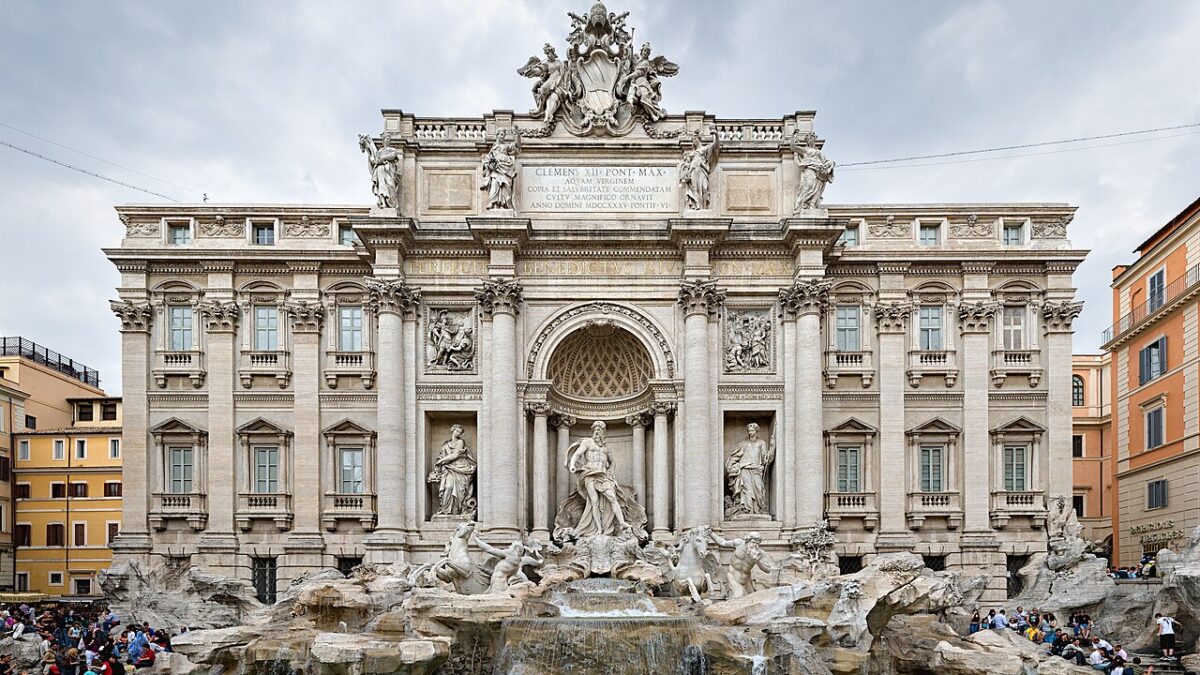
Trevi Fountain
An iconic Baroque fountain where tossing a coin is said to ensure a return to Rome.
* Average ticket price: Free
* Best time to visit: Very early morning or late evening to experience its beauty with fewer crowds.
* Insider Tip: Be aware of your surroundings and belongings due to pickpockets in crowded areas.
Spanish Steps
A monumental stairway connecting Piazza di Spagna with Piazza Trinità dei Monti, offering panoramic views and a popular gathering spot.
* Average ticket price: Free
* Best time to visit: Early morning to enjoy the view without the crowds, or during spring when the steps are adorned with azaleas.
* Insider Tip: While sitting on the steps is now prohibited, the surrounding area offers excellent people-watching opportunities.
Where to Eat in Rome
Roman cuisine is a cornerstone of its cultural appeal. Experience authentic flavors through these recommended food experiences.
* Cacio e Pepe: A deceptively simple pasta dish featuring Pecorino Romano cheese, black pepper, and pasta water.
* Cuisine: Roman Pasta
* Price Range per Meal: $12-20
* What to Order: The classic Cacio e Pepe, or variations with added ingredients like truffle.
* Location Tip: Seek out small trattorias in the Testaccio or Trastevere neighborhoods for the most authentic versions.
* Pizza al Taglio: Pizza sold by the slice, often rectangular and cooked in large pans, offering a wide variety of toppings.
* Cuisine: Roman Pizza
* Price Range per Meal: $5-10
* What to Order: Try combinations like potato and rosemary, or zucchini and mozzarella.
* Location Tip: Found in bakeries (forni) and dedicated pizza al taglio shops throughout the city; look for those with a steady stream of locals.
* Supplì: Fried rice balls typically filled with tomato sauce, rice, and a piece of mozzarella in the center, which creates a “telephone wire” effect when broken open.
* Cuisine: Roman Street Food/Appetizer
* Price Range per Meal: $3-5 (per piece)
* What to Order: The classic Supplì al Telefono.
* Location Tip: Available in many pizzerias and street food vendors; often served as an antipasto.
* Gelato: Artisanal ice cream made with fresh ingredients and less fat than traditional ice cream.
* Cuisine: Italian Dessert
* Price Range per Meal: $4-7
* What to Order: Flavors like pistachio, hazelnut, stracciatella, and seasonal fruit sorbettos.
* Location Tip: Choose gelaterias that use natural ingredients and avoid those with brightly colored, artificially looking flavors. Look for covered metal containers rather than open vats.
3-Day Rome Itinerary
This itinerary balances iconic sights with local experiences, designed for a comprehensive introduction to Rome.
Day 1
* Evening: Arrive in Rome, check into your accommodation. Begin your Roman exploration with an evening stroll to the Trevi Fountain, then proceed to the Spanish Steps for panoramic views. Enjoy a traditional Roman dinner in the Monti district.
* Estimated Daily Cost: $150 (Mid-range estimate, excluding accommodation)
Day 2
* Morning: Immerse yourself in ancient history with a visit to the Colosseum and Roman Forum. Explore Palatine Hill for impressive views and historical context.
* Afternoon: Discover the Pantheon, a masterpiece of Roman architecture. Afterwards, wander through Piazza Navona, admiring Bernini’s Fountain of Four Rivers and the surrounding Baroque architecture.
* Evening: Experience the vibrant atmosphere of Trastevere. Enjoy an aperitivo followed by dinner at a local trattoria, sampling classic Roman pasta dishes.
* Estimated Daily Cost: $180 (Mid-range estimate)
Day 3
* Morning: Dedicate the morning to Vatican City. Visit the Vatican Museums, including the Sistine Chapel, and then explore the awe-inspiring St. Peter’s Basilica.
* Afternoon: Enjoy a leisurely afternoon exploring the Borghese Gallery and Gardens, or indulge in some last-minute souvenir shopping near the Pantheon.
* Evening: Conclude your trip with a final Roman meal, perhaps in the Testaccio neighborhood, known for its authentic culinary scene.
* Estimated Daily Cost: $200 (Mid-range estimate)
Transportation Guide
Rome’s public transportation system is extensive and generally efficient for navigating the city.
Airport Transfers:
* Fiumicino Airport (FCO): The Leonardo Express train offers a direct, non-stop service to Termini Station (Rome’s main train station) for €14 (approximately $15.20) one-way. Taxis are available with a fixed fare of €50 (approximately $54) to central Rome. Buses are a more budget-friendly option, costing around €6-8 (approximately $6.50-8.70).
* Ciampino Airport (CIA): Buses are the most common transfer option, costing around €6-8 (approximately $6.50-8.70) to Termini Station. Taxis have a fixed fare of €31 (approximately $33.70) to central Rome.
Public Transit:
Rome’s public transport network includes buses, trams, and a metro system. A single ticket (BIT) valid for 100 minutes on buses and trams, or one metro ride, costs €1.50 (approximately $1.60). Daily (€7/~$7.60), 3-day (€18/~$19.50), and weekly (€24/~$26) passes are available for unlimited travel.
Rideshare:
While ride-sharing services like Uber are available in Rome, they are often more expensive than taxis and may be subject to surge pricing. Taxis are widely available and can be hailed on the street, found at designated taxi stands, or booked via phone.
Practical Tips:
* Purchase tickets before boarding buses and validate them immediately upon boarding. Metro tickets are validated at turnstiles.
* The metro system is less extensive than in some other European capitals, with only three main lines (A, B, C). Buses and trams are crucial for reaching many attractions.
* Walking is often the most enjoyable way to explore central Rome, as many historical sites are within close proximity.
Money-Saving Tips
Pro Tip 1: Take advantage of Rome’s numerous public water fountains (nasoni) to refill your water bottle, saving an average of $2-3 per day on bottled water.
Pro Tip 2: For attractions like the Colosseum and Vatican Museums, book tickets online at least a month in advance to secure desired time slots and avoid on-the-spot price increases or sell-outs. This can save up to 10-15% compared to last-minute purchases.
Pro Tip 3: Opt for “pizza al taglio” (pizza by the slice) or a panino for lunch. This can reduce your daily food expenditure by $10-15 compared to a sit-down restaurant meal.
Common Travel Mistakes
Mistake 1: Relying solely on the metro system. While useful for covering longer distances, Rome’s central historical areas are best explored on foot or via its extensive bus and tram network. Over-reliance on the metro can lead to missing charming streets and local discoveries.
Mistake 2: Not booking popular attractions in advance. For sites like the Colosseum, Vatican Museums, and Borghese Gallery, booking tickets weeks or even months ahead is essential to guarantee entry and avoid disappointment, especially during peak season.
Frequently Asked Questions
How much money do you need for 3 days in Rome?
For a 3-day trip to Rome, a budget traveler can expect to spend approximately $279. A mid-range traveler should budget around $660, while a luxury traveler may allocate $1755 or more. These estimates cover accommodation, food, transport, and attractions.
Is Rome expensive for tourists?
Rome offers a range of price points, making it accessible for various budgets. While luxury travel can be costly, budget travelers can manage daily expenses around $93 by utilizing affordable accommodation, street food, and public transport. Mid-range travel costs are estimated at $220 per day.
What is the best area to stay in Rome?
The best area to stay depends on your priorities. Trastevere is ideal for those seeking a lively atmosphere and nightlife, while Monti offers a charming, artistic vibe close to historical sites. Prati is a good choice for families and those prioritizing proximity to the Vatican and modern amenities.
Can you visit Rome without a car?
Yes, Rome is very well-suited for exploration without a car. Its historic center is largely pedestrian-friendly, and the city has an extensive public transportation network of buses, trams, and a metro system that effectively connects major attractions. Many visitors find navigating Rome on foot and using public transit to be the most efficient and enjoyable method.
What is the cheapest month to visit Rome?
The cheapest months to visit Rome are generally January, February, and November, excluding holiday periods like Christmas and New Year’s. During these off-peak times, you will find lower prices for flights and accommodation, though the weather will be cooler.

Kai has visited 60+ countries across 6 continents, with a obsession for one thing most travelers ignore: the real cost of getting there. Former budget backpacker turned data-driven travel writer, Kai breaks down destination costs so you can plan smarter — not just dream bigger. Based everywhere, from nowhere in particular.