Is Roatan Worth Visiting? Your Budget & Dive Guide
Why Visit Roatan?
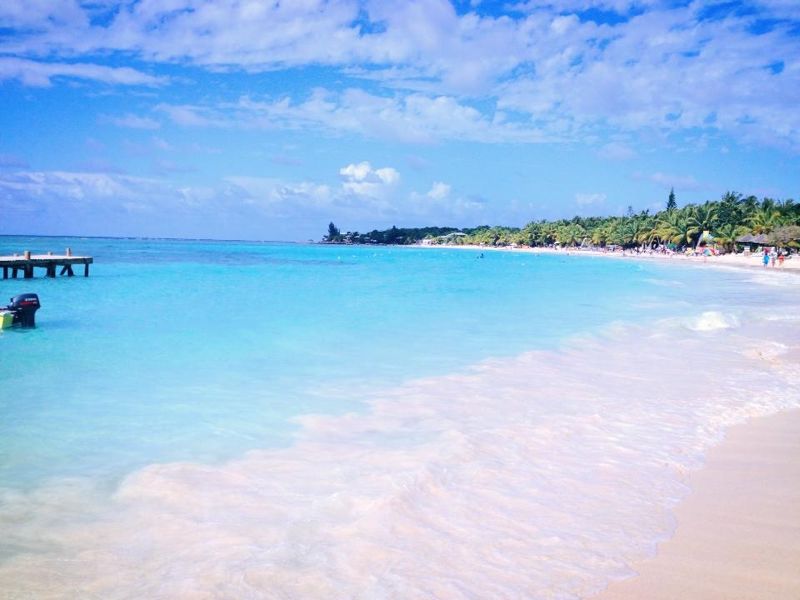
Roatan offers an unparalleled Caribbean escape, blending vibrant coral reefs with laid-back island culture. This comprehensive Roatan travel guide details affordable accommodation options, diverse culinary experiences, and suggested itineraries for exploring its natural beauty and local charm. Discover why this Honduran gem warrants a place on your 2026 travel calendar.
The island’s appeal lies in its accessible world-class diving and snorkeling, pristine beaches, and a distinctively relaxed atmosphere that contrasts with more developed Caribbean destinations. Visitors can expect a range of experiences, from adventurous water sports to exploring local markets and enjoying fresh seafood. The economic viability of Roatan, particularly compared to some other island nations, makes it an attractive option for a variety of travel budgets, as explored in detail within this guide.
Who This Guide Is For
This guide is intended for independent travelers planning a 5-7 day trip to Roatan, seeking a balance of adventure, relaxation, and cultural immersion. It is particularly suited for snorkelers, divers, and those interested in experiencing authentic island life with a moderate budget. Travelers looking for a more curated experience, potentially comparing it with destinations like Orlando, will find practical cost breakdowns and activity suggestions.
Average Travel Cost in Roatan
The financial commitment for a trip to Roatan varies significantly based on accommodation choices, dining preferences, and the intensity of planned activities. Exchange rate is approximately 1 USD = 24.50 HNL. Tipping culture generally involves 10% at restaurants.
| Category | Budget | Mid-Range | Luxury |
|---|---|---|---|
| Accommodation | $30 | $120 | $300 |
| Food | $25 | $60 | $150 |
| Transport | $10 | $30 | $80 |
| Attractions | $20 | $70 | $200 |
| Misc | $15 | $40 | $100 |
| Daily Total | $100 | $320 | $830 |
Estimated Total Costs:
* 3-Day Trip:
* Budget: $300
* Mid-Range: $960
* Luxury: $2,490
* 7-Day Trip:
* Budget: $700
* Mid-Range: $2,240
* Luxury: $5,810
Choosing Airbnb-style accommodations over traditional hotels can yield significant savings, particularly for longer stays or for groups. While hotels often include amenities and daily services, private rentals typically offer more space, kitchen facilities for self-catering, and a more local feel, reducing per-person costs for food and potentially accommodation itself. For instance, a week-long stay in a budget Airbnb could be half the price of a comparable mid-range hotel room.
The best time to visit Roatan for optimal weather and lower prices is during the shoulder seasons, generally May to June and November. The peak season, from December to April, offers the most reliable sunny weather but comes with higher prices for flights and accommodation. The off-season, from July to October, can bring more rain and higher humidity, but also the lowest prices and fewer crowds, making it attractive for budget-conscious travelers who do not mind occasional tropical showers.
Where to Stay in Roatan
Roatan offers distinct neighborhoods catering to different traveler preferences and budgets. The island’s infrastructure supports exploration, even without a personal vehicle, as detailed in our Honduras travel guide.
* West End: This is the heart of Roatan’s social scene, known for its lively atmosphere, diverse restaurants, bars, and proximity to dive shops and tour operators.
* Price Range (per night): Budget $30-$70; Mid-Range $90-$180
* Best For: Social travelers, divers, snorkelers, backpackers, and those seeking nightlife.
* Insider Tip: Book accommodations slightly off the main strip for quieter evenings without sacrificing convenience.
* Sandy Bay: A more tranquil area located between West End and Coxen Hole, Sandy Bay is characterized by its laid-back vibe, beautiful beaches, and a focus on eco-tourism and marine conservation.
* Price Range (per night): Budget $40-$80; Mid-Range $100-$200
* Best For: Families, couples seeking a quieter escape, and eco-conscious travelers.
* Insider Tip: Many accommodations here have private beach access; inquire about available non-motorized water sports equipment.
* Pristine Bay: Situated on the eastern side of the island, this area is home to luxury resorts and private villas, offering a more upscale and secluded experience with access to championship golf courses and private beaches.
* Price Range (per night): Mid-Range $150-$300; Luxury $300+
* Best For: Luxury travelers, golfers, and those seeking exclusive, high-end resort experiences.
* Insider Tip: While more secluded, many resorts offer shuttle services to West End for dining and shopping; confirm this when booking.
Best Things to Do in Roatan
Roatan’s primary draw is its exceptional marine environment, complemented by its lush interior and local culture.
PADI Dive Sites
These underwater locations are world-renowned for their vibrant coral reefs, abundant marine life, and clear visibility, making Roatan a premier destination for scuba diving and snorkeling. They are critical to the island’s ecosystem and tourism economy.
* Average Ticket Price: Varies by dive shop and number of dives; typically $50-$150 per dive. Snorkeling tours range from $30-$60.
* Best Time to Visit: Year-round, with visibility often best during the dry season (December-April).
* Insider Tip: Book multiple dives with a reputable dive center in West End; many offer package deals that significantly reduce the per-dive cost.
Roatan Butterfly Garden and Iguana Farm
This attraction provides a glimpse into the island’s terrestrial biodiversity, showcasing native butterfly species and a collection of iguanas in a naturalistic setting. It offers a peaceful educational experience away from the coast.
* Average Ticket Price: $15 per person.
* Best Time to Visit: Mid-morning to early afternoon when butterflies are most active.
* Insider Tip: Visit during a guided tour to learn more about the species and their habitats from knowledgeable staff.
Gumbalimba Park
This expansive ecological park features a botanical garden, waterfalls, a small zoo with native animals, and zip-lining adventures. It serves as a conservation area and an accessible way to experience Roatan’s interior rainforest.
* Average Ticket Price: $30-$50 depending on chosen activities (entry, zip-lining, etc.).
* Best Time to Visit: Morning to avoid the midday heat and potential crowds.
* Insider Tip: Wear comfortable walking shoes and insect repellent, as you will be exploring natural trails.
Mayan Jungle Canopy Tour
Offering an adrenaline-filled perspective of Roatan’s dense jungle, this activity involves traversing a series of zip lines suspended high above the forest floor. It provides stunning aerial views and an adventurous way to explore the island’s interior.
* Average Ticket Price: $60-$90 per person.
* Best Time to Visit: Book tours in the morning for cooler temperatures and better light for photography.
* Insider Tip: Many tour operators include transportation from major hotels; compare prices and inclusions before booking.
Carambola Botanical Gardens & Trails
These gardens showcase a diverse collection of native and exotic plants, including tropical fruits, flowers, and medicinal herbs. The surrounding trails offer opportunities for birdwatching and exploring the island’s flora.
* Average Ticket Price: $10 per person.
* Best Time to Visit: Early morning for cooler temperatures and active wildlife.
* Insider Tip: Hire a local guide at the entrance to learn about the medicinal uses of various plants and spot hidden wildlife.
Roatan Museum
Located in Coxen Hole, this small museum offers insights into the island’s history, from its indigenous roots to its development as a tourist destination. It displays artifacts and provides context for understanding Roatan’s cultural heritage.
* Average Ticket Price: $5 per person.
* Best Time to Visit: Weekday mornings when local life is active.
* Insider Tip: Combine a visit with a walk through Coxen Hole’s local market for a broader cultural experience.
Where to Eat in Roatan
Roatan’s culinary scene is a fusion of Caribbean, Latin American, and international influences, with a strong emphasis on fresh seafood.
* Cuisine Type: Seafood, Caribbean Fusion
* Price Range Per Meal: $15 – $40
* What to Order: Grilled lobster, conch fritters, fresh fish tacos, coconut shrimp.
* Location Tip: Look for beachfront restaurants in West End for the freshest catches and scenic dining.
* Cuisine Type: Honduran & Latin American
* Price Range Per Meal: $8 – $20
* What to Order: Baleadas (flour tortillas with beans, cheese, and meat), pollo guisado (stewed chicken), plantains.
* Location Tip: Seek out local comedores (small eateries) away from the main tourist areas for authentic and affordable meals.
* Cuisine Type: International & Vegetarian Options
* Price Range Per Meal: $12 – $30
* What to Order: Variety of salads, pizzas, pasta dishes, and often a daily vegetarian special.
* Location Tip: Many cafes and restaurants in West End and Sandy Bay offer diverse menus catering to different dietary needs.
* Cuisine Type: Street Food
* Price Range Per Meal: $3 – $10
* What to Order: Grilled corn, empanadas, pupusas (corn tortillas filled with cheese or meat), fresh fruit juices.
* Location Tip: Street vendors are common in Coxen Hole and along the main roads in West End, especially during market days.
3-Day Roatan Itinerary
This itinerary balances iconic activities with opportunities to experience Roatan’s local charm. The estimated daily cost assumes a mid-range budget.
Day 1
* Morning: Arrive at Juan Manuel Gálvez International Airport (RTB) and transfer to your accommodation in West End. Settle in and enjoy a leisurely breakfast.
* Afternoon: Embark on a snorkeling or introductory dive tour to the Roatan barrier reef. Explore the vibrant underwater world and its diverse marine inhabitants.
* Evening: Enjoy dinner at a beachfront restaurant in West End, savoring fresh seafood and the sunset. Afterward, explore the lively atmosphere of West End’s bars.
* Estimated Daily Cost: $250 (includes airport transfer, snorkeling/dive trip, dinner, drinks).
Day 2
* Morning: Visit Gumbalimba Park for a guided tour of the botanical gardens and a chance to see local wildlife. Consider the zip-lining adventure for an elevated perspective.
* Afternoon: Travel to the eastern side of the island to explore the less developed areas. Stop at a local viewpoint for panoramic island vistas.
* Evening: Experience authentic Honduran cuisine at a local ‘comedor’ in Coxen Hole or a nearby village. Sample traditional dishes like baleadas.
* Estimated Daily Cost: $200 (includes park entrance/activities, transport, lunch, dinner).
Day 3
* Morning: Take a boat trip to the nearby island of Pigeon Cay or explore the protected waters of the Roatan Marine Park for more snorkeling or diving.
* Afternoon: Relax on a beach, perhaps Tabyana Beach or West Bay Beach, enjoying the turquoise waters and white sand.
* Evening: Enjoy a farewell dinner at a restaurant of your choice, reflecting on your Roatan experience. Consider a final stroll along the beach.
* Estimated Daily Cost: $180 (includes boat trip, beach access, lunch, farewell dinner).
Transportation Guide
Navigating Roatan is feasible with several options, catering to different budgets and convenience levels.
Getting from the airport (RTB) to West End or other major tourist areas is typically done via pre-booked taxis or by negotiating with drivers upon arrival. A taxi to West End generally costs between $25-$35. Public transit on Roatan consists of brightly colored school buses that have been repurposed. These buses run along the main road connecting Coxen Hole, West End, and French Harbour. Fares are very affordable, usually $1-$2 per ride, but they operate on a flexible schedule and can be crowded.
Rideshare services are not widely available or officially recognized on Roatan. Taxis are the primary form of private transportation, and it is advisable to agree on a fare before commencing your journey. For more flexibility, especially if exploring the entire island, renting a car or a scooter is an option, with daily rates for cars ranging from $40-$70 and scooters from $25-$40. Many accommodations in West End are within walking distance of shops and restaurants, reducing the need for constant transportation. If considering island hopping, ferry services are available to the nearby island of Utila, offering a scenic journey and a chance to compare it with the Utila travel guide.
Money-Saving Tips
Pro Tip 1: Purchase a multi-day dive package from a reputable dive shop in West End; these often provide a discount of 10-15% compared to booking single dives.
Pro Tip 2: Utilize local ‘comedores’ for meals outside of the primary tourist zones; you can often get a hearty and authentic meal for $5-$10, significantly less than restaurant prices.
Pro Tip 3: Buy souvenirs and local crafts at the Coxen Hole market or from roadside vendors rather than in tourist-focused shops in West End, where prices can be inflated by 20-30%.
Common Travel Mistakes
Mistake 1: Not booking dive or tour excursions in advance during peak season. Popular tours and dive sites can fill up quickly, leading to disappointment or last-minute bookings at higher prices.
Mistake 2: Relying solely on credit cards for all transactions. While many larger establishments accept cards, smaller vendors, local buses, and some taxis operate on a cash-only basis, making it essential to carry sufficient Honduran Lempiras or US Dollars.
Frequently Asked Questions
How much money do you need for 3 days in Roatan?
For a 3-day trip to Roatan, a budget traveler can expect to spend approximately $300, covering basic accommodation, local food, and essential activities. A mid-range traveler might budget around $960 for more comfortable lodging, varied dining, and a few excursions. Luxury travelers should anticipate spending upwards of $2,490 for high-end resorts and private experiences.
Is Roatan expensive for tourists?
Roatan offers a range of price points, making it accessible for various budgets. While luxury resorts and high-end dining can be costly, comparable to destinations like Brussels, budget and mid-range options are plentiful. By utilizing local transport, eating at smaller eateries, and booking tours wisely, visitors can manage expenses effectively, as detailed in our travel cost calculator.
What is the best area to stay in Roatan?
For travelers seeking lively nightlife and easy access to dive shops, West End is ideal. Families and those desiring a quieter atmosphere often prefer Sandy Bay. Luxury travelers looking for exclusive resorts and amenities typically choose areas like Pristine Bay.
Can you visit Roatan without a car?
Yes, it is entirely possible to visit Roatan without a car, especially if staying in West End. Public buses connect major towns, taxis are readily available, and many accommodations and attractions are within walking distance or accessible via short water taxi rides. For exploring more remote areas, consider hiring a taxi for a day or joining organized tours.
What is the cheapest month to visit Roatan?
The cheapest months to visit Roatan are typically during the low season, which spans from July to October. During this period, you will find the lowest prices for flights and accommodation due to fewer tourists, although this coincides with the rainy season and higher humidity.

Kai has visited 60+ countries across 6 continents, with a obsession for one thing most travelers ignore: the real cost of getting there. Former budget backpacker turned data-driven travel writer, Kai breaks down destination costs so you can plan smarter — not just dream bigger. Based everywhere, from nowhere in particular.