First Time in Riga? Your Essential Starter Guide
Why Visit Riga?
Riga offers a compelling blend of architectural grandeur, vibrant culture, and accessible pricing, making it an attractive European destination for 2026. This Riga travel guide highlights its well-preserved Art Nouveau district, lively Old Town, and burgeoning culinary scene. Visitors can expect to explore historical sites, enjoy diverse dining options, and experience a city that balances its past with a dynamic present, all within a manageable budget.
The Latvian capital is distinguished by its UNESCO World Heritage Old Town, a labyrinth of cobblestone streets and medieval buildings, juxtaposed with an unparalleled concentration of Art Nouveau architecture. Beyond its visual appeal, Riga provides a rich cultural tapestry, from its numerous museums and galleries to its thriving music and theatre scenes. The city’s strategic location on the Baltic Sea also contributes to its unique character, offering a distinct maritime influence on its atmosphere and cuisine.
Who This Guide Is For
This guide is tailored for independent travelers planning a 4-6 day exploration of Riga who are interested in cultural immersion, architectural appreciation, and diverse culinary experiences. It is particularly beneficial for those seeking a mid-range travel experience, aiming for an average daily expenditure of $150-$250.
Average Travel Cost in Riga
The following data provides an estimated breakdown of daily expenses in Riga for 2026, based on an exchange rate of 1 USD = 0.92 EUR. These figures are intended as a guide for budgeting purposes.
| Category | Budget | Mid-Range | Luxury |
|---|---|---|---|
| Accommodation | $40 | $90 | $200 |
| Food | $25 | $50 | $100 |
| Transport | $5 | $15 | $40 |
| Attractions | $15 | $35 | $70 |
| Misc | $10 | $20 | $50 |
| Daily Total | $95 | $210 | $460 |
Estimated Total Costs for Riga (2026):
* 3-Day Trip:
* Budget: $285
* Mid-Range: $630
* Luxury: $1,380
* 7-Day Trip:
* Budget: $665
* Mid-Range: $1,470
* Luxury: $3,220
For accommodation, opting for an Airbnb-style apartment can yield significant savings compared to hotels, particularly for mid-range and luxury travelers. A private room or entire apartment booked through platforms like Airbnb can be 20-40% cheaper than a comparable hotel room, especially when staying for longer durations or traveling with multiple people, allowing for shared costs and potential kitchen access to reduce food expenses.
Seasonal price variations are noticeable. The peak season, from May to September, sees the highest accommodation and flight prices due to favorable weather. Shoulder seasons (April and October) offer a balance with fewer crowds and moderate prices. The off-season (November to March) presents the lowest costs, though weather conditions are colder and daylight hours are shorter. Tipping culture in Latvia generally involves 10-15% for good service in restaurants and cafes, though it is not always expected but is appreciated.
Where to Stay in Riga
Old Town (Vecrīga)
This historic heart of Riga is characterized by its medieval architecture, cobblestone streets, and proximity to major landmarks. Expect prices for budget accommodation (hostels, guesthouses) to range from $30-$50 per night, and mid-range hotels from $80-$150 per night. It is best suited for first-time visitors and those who prioritize convenience and immersion in the city’s historical atmosphere. An insider tip is to book accommodation slightly away from the main squares to minimize noise from evening entertainment.
Art Nouveau District (Centrs)
This area is renowned for its exceptionally well-preserved Art Nouveau buildings, featuring ornate facades and intricate details. Budget accommodation is less common here, with guesthouses and smaller hotels typically costing $40-$70 per night, while mid-range options range from $90-$170 per night. This district is ideal for architecture enthusiasts and travelers seeking a more refined and visually stunning urban experience. A practical tip is to explore the side streets off Elizabetes and Alberta Iela for the most concentrated displays of this architectural style.
Quiet Centre (Klusais Centrs)
Located adjacent to the Art Nouveau district, this area offers a more residential and tranquil atmosphere, yet remains within walking distance of key attractions. Budget options are scarce, but guesthouses and apartments can be found for $40-$60 per night, with mid-range hotels ranging from $70-$130 per night. It is an excellent choice for travelers seeking a peaceful stay with easy access to the city’s pulse. An insider tip is to utilize the nearby parks for relaxation and enjoy the local cafes frequented by residents.
Best Things to Do in Riga
Riga Old Town
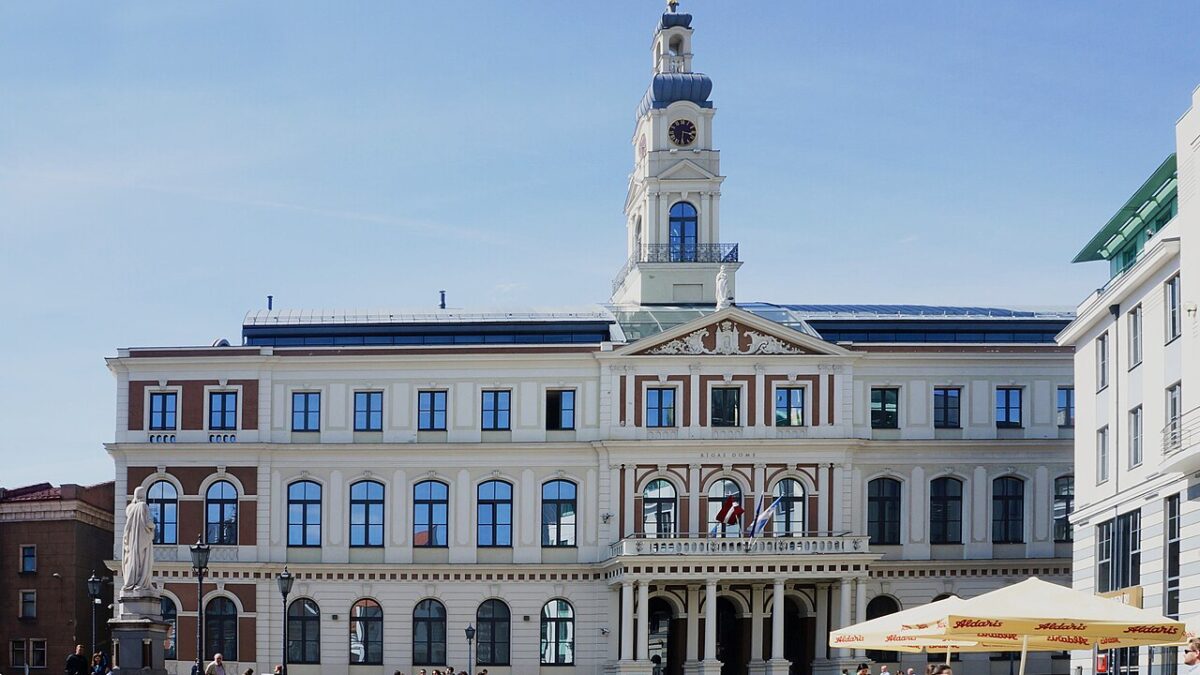
This UNESCO World Heritage site is the historical and cultural nucleus of the city, featuring a charming ensemble of medieval architecture, Gothic churches, and Baroque buildings. It offers a glimpse into Riga’s past as a prominent Hanseatic League city. Admission to the Old Town itself is free. The best time to visit is during daylight hours for exploration and in the early evening for atmosphere. An insider tip to avoid crowds is to explore the smaller side streets away from the main squares like Town Hall Square.
Art Nouveau District
Celebrated for its exceptionally high concentration of Art Nouveau architecture, this district boasts over a third of the city’s Art Nouveau buildings, showcasing elaborate facades and decorative elements. Exploring the streets is free. The best time for photography is during the late afternoon when the light accentuates the building details. A practical tip to enhance the experience is to visit the Art Nouveau Museum on Alberta Street (ticket price approximately $8) for deeper insight.
Central Market
Housed in five former Zeppelin hangars, this is one of Europe’s largest and busiest markets, offering a vast array of fresh produce, local delicacies, seafood, and crafts. It provides an authentic taste of Latvian daily life. Admission is free. Visiting in the morning, particularly on weekdays, offers the most authentic experience with fewer crowds. A money-saving tip is to sample local produce and snacks from various stalls rather than purchasing full meals.
St. Peter’s Church
This iconic Gothic church offers panoramic views of the Old Town and the Daugava River from its towering spire, which can be accessed via an elevator. It is a significant landmark dating back to the 13th century. The ticket price for the spire observation deck is approximately $10. Visiting during the late afternoon provides excellent lighting for photographs. An insider tip to avoid queues is to purchase tickets online in advance.
Latvian National Museum of Art
This museum houses an extensive collection of Latvian art from the mid-19th century to the present day, with a particular focus on Latvian painters of the national awakening period. It is housed in a magnificent historic building. The general admission ticket price is approximately $8. Visiting on weekdays during opening hours is recommended to avoid weekend crowds. A practical tip is to check for temporary exhibitions, which often showcase international artists and offer a different perspective.
House of the Blackheads
A stunning reconstruction of a 14th-century guild house, this building is a symbol of Riga’s historical wealth and architectural beauty, known for its elaborate facade and opulent interiors. It is a key landmark in the Old Town. The ticket price for a guided tour is approximately $12. Visiting during the daytime allows for appreciation of the exterior details. An insider tip is to take advantage of the guided tours to understand the building’s complex history and significance.
Where to Eat in Riga
Street Food/Casual Dining:
* Cuisine: Traditional Latvian, modern European
* Price Range per Meal: $5 – $15
* What to Order: Try “sklandrausis” (a sweet rye tart), smoked fish, or pelmeni (dumplings) from market stalls. Many cafes offer hearty soups and sandwiches.
* Location Tip: Explore the stalls within Riga Central Market for authentic and affordable local flavors.
Mid-Range Restaurants:
* Cuisine: Modern Latvian, European fusion
* Price Range per Meal: $20 – $40
* What to Order: Sample dishes featuring seasonal ingredients like locally foraged mushrooms, Baltic herring, or slow-cooked meats. Look for restaurants that highlight local producers.
* Location Tip: Wander through the streets of the Old Town and the Art Nouveau district for a wide selection of well-regarded establishments.
Fine Dining:
* Cuisine: Contemporary European, innovative Latvian
* Price Range per Meal: $50+
* What to Order: Expect multi-course tasting menus that showcase culinary artistry, often incorporating molecular gastronomy techniques and premium local ingredients.
* Location Tip: Upscale restaurants are often found in boutique hotels or more secluded areas of the city center, offering a more intimate dining experience.
Cafes and Bakeries:
* Cuisine: Pastries, coffee, light meals
* Price Range per Meal: $4 – $12
* What to Order: Indulge in Latvian honey cake (“medus kūka”), various rye bread creations, or enjoy a breakfast pastry with locally roasted coffee.
* Location Tip: Numerous independent cafes are scattered throughout the city, particularly in the areas surrounding the Old Town and the university district.
3-Day Riga Itinerary
Day 2
* Morning: Begin with an exploration of the Art Nouveau district, focusing on Alberta and Elizabetes Streets. Visit the Art Nouveau Museum for a comprehensive understanding of the style.
* Afternoon: Immerse yourself in the bustling atmosphere of Riga Central Market. Sample local produce and enjoy a casual lunch from one of the many food stalls.
* Evening: Experience a classical music concert at the Latvian National Opera or enjoy a performance at the Latvian National Theatre. Conclude the day with dinner in the Old Town.
* Estimated Daily Cost: $200
Day 1
* Morning: Dedicate the morning to exploring Riga’s Old Town, visiting landmarks such as St. Peter’s Church (ascend the tower for views), the House of the Blackheads, and St. James’ Cathedral.
* Afternoon: Visit the Latvian National Museum of Art to appreciate the nation’s artistic heritage. Afterwards, take a leisurely stroll through the nearby parks.
* Evening: Enjoy a traditional Latvian dinner in a restaurant within the Old Town, followed by a walk along the Daugava River embankment.
* Estimated Daily Cost: $220
Day 3
* Morning: Take a day trip to the nearby seaside town of Jūrmala, famous for its long sandy beaches and distinctive wooden architecture. Alternatively, explore the Ethnographic Open-Air Museum to learn about Latvian rural life.
* Afternoon: Return to Riga and explore the Museum of the Occupation of Latvia for a deeper understanding of the country’s 20th-century history.
* Evening: Enjoy a farewell dinner at a contemporary restaurant, perhaps exploring the culinary scene in the “Quiet Centre” or the area around the Central Market. Consider a final evening walk through the illuminated Old Town.
* Estimated Daily Cost: $190
Transportation Guide
Riga International Airport (RIX) is the primary gateway. The most economical way to reach the city center is via public bus number 22, which runs frequently and costs approximately $2. Taxis are readily available, with an estimated fare of $15-$25 to the city center, depending on traffic. Rideshare services like Bolt are also operational and offer competitive pricing.
Public transportation within Riga consists of an efficient network of buses, trams, and trolleybuses. A single ticket costs approximately $1.50, with day passes available for around $5. Purchasing an e-ticket or a rechargeable card (e-talons) from kiosks or designated shops can offer slight discounts. Walking is also a highly viable and enjoyable method of exploring the compact Old Town and surrounding central districts.
Money-Saving Tips
Pro Tip 1: Purchase a Riga Pass, which offers free public transport and admission to over 40 attractions for a fixed price. A 24-hour pass costs approximately $30, a 48-hour pass $40, and a 72-hour pass $50. This can lead to significant savings if you plan to visit multiple paid attractions and utilize public transport extensively.
Pro Tip 2: Take advantage of free walking tours offered in the Old Town. While technically free, it is customary to tip the guide at the end of the tour, typically between $5-$10 per person, which is considerably less than the cost of a private guided tour.
Pro Tip 3: Dine at local markets and smaller cafes away from the main tourist thoroughfares. A hearty lunch at Riga Central Market or a meal at a neighborhood eatery can cost as little as $10-$15, compared to $25-$40 in a prime Old Town restaurant.
Common Travel Mistakes
Mistake 1: Overestimating the need for cash. While some smaller establishments might prefer cash, most restaurants, shops, and attractions in Riga readily accept credit and debit cards. It is advisable to carry a small amount of Euros for market purchases or small tips, but not to rely solely on cash.
Mistake 2: Not allowing sufficient time for the Art Nouveau district. Many visitors rush through, focusing only on the most famous streets. The true charm lies in exploring the less crowded side streets and appreciating the architectural nuances of a wider area.
Frequently Asked Questions
How much money do you need for 3 days in Riga?
For a 3-day trip to Riga, budget travelers can expect to spend approximately $285. Mid-range travelers should budget around $630, while luxury travelers may allocate $1,380. These figures encompass accommodation, food, transport, and activities, based on daily estimates of $95, $210, and $460 respectively.
Is Riga expensive for tourists?
Riga is generally considered an affordable European capital, especially when compared to Western European cities like Paris or London. The daily cost for a budget traveler is around $95, and even a mid-range experience at $210 per day offers good value. You can explore many attractions and enjoy local cuisine without exceeding typical travel budgets. Browse Europe travel guides for comparisons; for instance, compare with Belgrade.
What is the best area to stay in Riga?
The best area to stay in Riga depends on your priorities. For first-time visitors and those seeking historic ambiance, the Old Town (Vecrīga) is ideal. For architecture enthusiasts, the Art Nouveau District offers unparalleled visual appeal. For a quieter experience with easy access, the Quiet Centre (Klusais Centrs) is recommended. Check travel costs in Auckland to gauge relative affordability.
Can you visit Riga without a car?
Yes, Riga is highly accessible and enjoyable without a car. The Old Town and Art Nouveau districts are very walkable. Public transportation, including buses, trams, and trolleybuses, is efficient for reaching further attractions. Day trips to nearby locations like Jūrmala are also easily managed via train or bus.
What is the cheapest month to visit Riga?
The cheapest months to visit Riga are typically from November to March, excluding the Christmas and New Year period. During this off-season, accommodation and flight prices are at their lowest due to colder weather and shorter daylight hours. This period offers a more budget-friendly experience for travelers.

Kai has visited 60+ countries across 6 continents, with a obsession for one thing most travelers ignore: the real cost of getting there. Former budget backpacker turned data-driven travel writer, Kai breaks down destination costs so you can plan smarter — not just dream bigger. Based everywhere, from nowhere in particular.