Quito on a Budget: See it All for Under $500
Why Visit Quito?
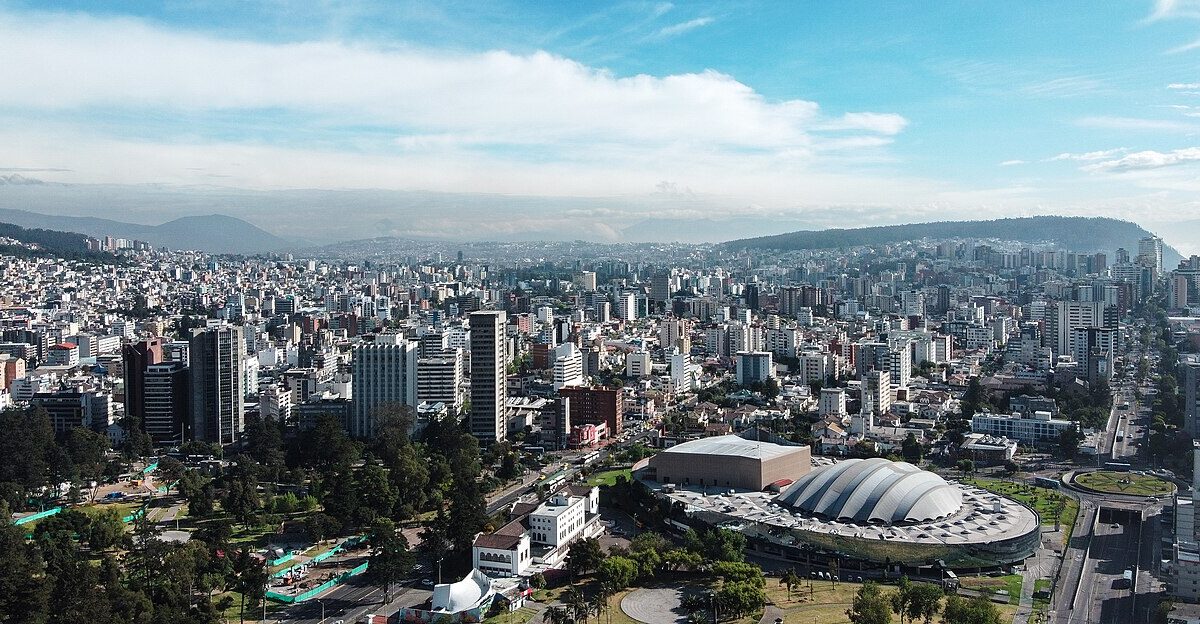
This Quito travel guide illuminates a capital city perched at the equator, offering unparalleled historical immersion and breathtaking Andean vistas. Visitors can anticipate manageable costs, diverse neighborhoods like La Mariscal and the Historic Center, and a rich culinary scene. Plan an itinerary blending colonial architecture with modern exploration for an unforgettable South American adventure.
Quito’s strategic altitude of 9,350 feet (2,850 meters) provides a temperate climate year-round, making it an ideal base for exploring Ecuador. Its UNESCO World Heritage-listed Historic Center stands as one of the best-preserved in Latin America, a testament to its colonial past. Beyond the city, the surrounding highlands offer opportunities for adventure, from volcano hikes to indigenous market visits. This guide provides practical insights for navigating its unique geography and vibrant culture, offering a stark contrast to destinations like La Paz.
Who This Guide Is For
This guide is specifically crafted for first-time visitors planning a 4-7 day trip to Quito, seeking a balanced experience of culture, history, and local life. It is ideal for independent travelers and couples who appreciate value, aiming for a mid-range budget. Those interested in understanding the practicalities of travel costs and accommodation choices will find this resource particularly beneficial.
Average Travel Cost in Quito
The exchange rate in Ecuador remains 1 USD = 1 USD ($). Tipping culture suggests a 10% gratuity at restaurants. June through August represents the peak tourist season.
| Category | Budget | Mid-Range | Luxury |
|---|---|---|---|
| Accommodation | $20 | $70 | $200 |
| Food | $15 | $35 | $80 |
| Transport | $5 | $15 | $40 |
| Attractions | $10 | $30 | $75 |
| Misc | $10 | $20 | $50 |
| Daily Total | $60 | $170 | $445 |
Estimated Total Costs:
* 3-Day Trip:
* Budget: $180
* Mid-Range: $510
* Luxury: $1335
* 7-Day Trip:
* Budget: $420
* Mid-Range: $1190
* Luxury: $3115
Comparing hotel stays versus Airbnb-style accommodations reveals potential savings, particularly for longer stays or for travelers seeking kitchen facilities. A mid-range hotel might cost $70 per night, while a comparable Airbnb could range from $40-$60 per night, offering a saving of $10-$30 daily. This can amount to significant savings over a week or more, as detailed in our travel cost calculator.
Seasonal price variations are notable. The peak season, from June to August, sees higher accommodation and flight prices due to favorable weather. Shoulder seasons (April-May, September-October) offer a balance of good weather and lower costs, presenting value for travelers. The off-season (November-March), characterized by more rainfall, generally provides the lowest prices, though some outdoor activities may be impacted.
Where to Stay in Quito
La Mariscal: This neighborhood buzzes with nightlife, international restaurants, and a concentration of hostels and boutique hotels.
* Price Range (per night): Budget $20-$40, Mid-Range $60-$100
* Best for: Travelers seeking vibrant nightlife, diverse dining options, and easy access to amenities.
* Insider Tip: While lively, choose accommodation on side streets to mitigate noise from bars and clubs.
Historic Center: Home to stunning colonial architecture, plazas, and museums, this area offers an immersive cultural experience.
* Price Range (per night): Budget $25-$50, Mid-Range $70-$120
* Best for: History buffs, architecture enthusiasts, and those who prefer a more traditional and serene atmosphere.
* Insider Tip: Many charming boutique hotels are housed in converted colonial buildings, offering unique character.
La Floresta: Known for its artistic vibe, independent boutiques, cafes, and a growing culinary scene, La Floresta offers a bohemian charm.
* Price Range (per night): Budget $30-$50, Mid-Range $80-$130
* Best for: Creatives, foodies, and travelers looking for a less touristy, more local feel.
* Insider Tip: Explore the street art and discover hidden cafes tucked away on its tree-lined streets.
Best Things to Do in Quito
Historic Center of Quito
This UNESCO World Heritage site is the largest and best-preserved historic center in the Americas, showcasing intricate colonial architecture, ornate churches, and vibrant plazas that reflect centuries of history and religious influence.
* Average Ticket Price: Free to wander; individual church/museum entry fees range from $2-$5.
* Best Time to Visit: Mornings on weekdays to avoid crowds, particularly for popular sites like La Compañía de Jesús.
* Insider Tip: Consider a guided walking tour to gain deeper insights into the history and significance of various landmarks.
Mitad del Mundo (Middle of the World)
This complex commemorates the equatorial line, featuring a monument and museum that illustrate the scientific and cultural significance of being on the equator, including unique experiments demonstrating gravitational effects.
* Average Ticket Price: $5-$10 for the main monument and museum complex.
* Best Time to Visit: Weekdays, ideally before noon, to experience the latitude demonstrations with fewer people.
* Insider Tip: Book your visit in advance, especially during peak season, and be prepared for tourist groups.
TelefériQo Quito
This aerial tramway ascends the flanks of the Pichincha Volcano, offering panoramic views of Quito and the surrounding Andean peaks. It provides access to hiking trails at higher altitudes.
* Average Ticket Price: Approximately $8.50 for a round trip.
* Best Time to Visit: Clear mornings, typically from 9:00 AM to 12:00 PM, for optimal visibility.
* Insider Tip: Dress in layers as temperatures can change rapidly with altitude and weather shifts.
Basilica del Voto Nacional
A magnificent Neo-Gothic basilica, it is one of Quito’s most iconic landmarks, characterized by its imposing spires and intricate interior details, offering striking views from its towers.
* Average Ticket Price: $2-$3 for general entry; an additional fee of $2-$3 for tower access.
* Best Time to Visit: Weekday mornings to enjoy the light and avoid large tour groups.
* Insider Tip: Climb to the highest accessible points for breathtaking, unobstructed views of the city.
Plaza de la Independencia (Plaza Grande)
The main square of Quito, it is surrounded by significant colonial buildings including the Presidential Palace, the Metropolitan Cathedral, and the Archbishop’s Palace, serving as the historical and political heart of the city.
* Average Ticket Price: Free.
* Best Time to Visit: Any time of day, but evenings offer a particularly atmospheric experience with illuminated buildings.
* Insider Tip: Observe the changing of the guard ceremony at the Presidential Palace, typically held on Mondays.
Mercado Artesanal La Mariscal
A bustling market offering a wide array of Ecuadorian handicrafts, textiles, jewelry, and souvenirs, providing an excellent opportunity to purchase local art and engage with artisans.
* Average Ticket Price: Free to enter; prices for goods vary.
* Best Time to Visit: Weekday afternoons for a less crowded shopping experience.
* Insider Tip: Practice polite bargaining; start with an offer around 70% of the asking price and be prepared to negotiate.
Where to Eat in Quito
Ecuadorean Cuisine (Traditional):
* Price Range: $10-$25 per meal.
What to Order: Locro de papa (potato and cheese soup), fritada (fried pork), hornado (roasted pork), llapingachos* (potato patties).
* Location Tip: Seek out established restaurants in the Historic Center or local markets like Mercado Central for authentic flavors.
Criollo Cuisine:
* Price Range: $15-$30 per meal.
What to Order: Dishes featuring local meats and vegetables prepared with traditional Ecuadorian spices and techniques. Look for seco de chivo (goat stew) or bandeja paisa* (a hearty platter).
* Location Tip: Restaurants in La Floresta and La Mariscal often offer modern interpretations of criollo dishes.
Seafood:
* Price Range: $20-$35 per meal.
* What to Order: Freshly grilled fish, shrimp, or ceviche, often prepared with local citrus and herbs.
* Location Tip: While Quito is landlocked, well-sourced seafood can be found at reputable restaurants, particularly those specializing in coastal Ecuadorian cuisine.
International Fusion:
* Price Range: $18-$40 per meal.
* What to Order: Varied menus offering a blend of global influences with Ecuadorian ingredients.
* Location Tip: La Mariscal and La Floresta have a high concentration of international eateries and fusion restaurants.
3-Day Quito Itinerary
Day 1
* Morning: Explore the Historic Center, visiting Plaza de la Independencia, the Metropolitan Cathedral, and La Compañía de Jesús.
* Afternoon: Ascend to the Basilica del Voto Nacional for panoramic city views, followed by a visit to the Mercado Artesanal La Mariscal for souvenir shopping.
* Evening: Enjoy dinner in the La Floresta neighborhood, experiencing its vibrant culinary scene.
* Estimated Daily Cost: $70 (Mid-Range)
Day 2
* Morning: Travel to the Mitad del Mundo complex to stand on the equator and visit the ethnographic museum.
* Afternoon: Take the TelefériQo for stunning views of Quito and the Pichincha Volcano, with an option for a short hike.
* Evening: Experience Quito’s nightlife with dinner and drinks in the La Mariscal district.
* Estimated Daily Cost: $85 (Mid-Range)
Day 3
* Morning: Visit the Museo del Banco Central (now Museo de Arte Precolombino Casa del Alabado) for pre-Columbian art and history.
* Afternoon: Take a guided tour of a local chocolate factory or explore the El Ejido Park area.
* Evening: Enjoy a farewell dinner at a restaurant offering traditional Ecuadorean cuisine.
* Estimated Daily Cost: $65 (Mid-Range)
Transportation Guide
Getting from Mariscal Sucre International Airport (UIO) to the city center typically involves taxis or airport shuttle services. Taxis have regulated fares, costing approximately $25-$30 to the city center. Shuttle services offer a more economical option, around $8-$10 per person.
Public transportation within Quito relies on an extensive bus system and a modern Metro system. Buses are very affordable, costing around $0.35 per ride, but can be crowded and navigate traffic. The Metro, launched in recent years, provides efficient transit across key areas of the city for approximately $0.45 per ride. Rideshare apps like Uber and Cabify are widely available and offer a convenient alternative, with prices comparable to or slightly higher than regulated taxis.
Practical tips for navigating Quito’s transport include purchasing a rechargeable transport card for buses and the Metro to streamline payment. Always confirm taxi fares before starting your journey or ensure the meter is used. Be aware of peak travel times, when traffic congestion can significantly impact travel durations. For a comprehensive overview of travel in the region, consult our complete Ecuador travel guide.
Money-Saving Tips
Pro Tip 1: Eat at local comedores or market food stalls for lunch. A substantial, authentic meal can often be purchased for $3-$5, significantly reducing daily food expenses compared to tourist-oriented restaurants.
Pro Tip 2: Utilize Quito’s Metro and bus system for inter-neighborhood travel. Rides on these systems cost under $0.50, offering substantial savings over taxis or rideshares, which can cost $5-$10 for similar distances.
Pro Tip 3: Visit free attractions like Plaza de la Independencia and explore the Historic Center on foot. Many churches and museums have nominal entry fees ($2-$5), but the essence of the city can be experienced without extensive spending.
Common Travel Mistakes
Mistake 1: Underestimating the effects of altitude sickness. Quito sits at a high elevation, and tourists often experience headaches, nausea, or fatigue if they do not acclimatize properly. Avoid strenuous activity on your first day, drink plenty of water, and limit alcohol consumption until you feel adjusted.
Mistake 2: Relying solely on credit cards for all transactions. While accepted in many hotels and larger restaurants, smaller shops, local markets, and many public transport options are cash-only. Always carry sufficient local currency (USD) for smaller purchases and unexpected needs.
Frequently Asked Questions
How much money do you need for 3 days in Quito?
For a 3-day trip to Quito, budget travelers can expect to spend approximately $180. Mid-range travelers should allocate around $510, covering accommodation, food, transport, and attractions. Luxury travelers can anticipate a total cost of $1335 for a 3-day stay, as detailed in our travel cost calculator.
Is Quito expensive for tourists?
Quito offers a good value for tourists, especially when compared to major European or North American cities. A mid-range budget of $170 per day allows for comfortable accommodation, diverse dining, and access to major attractions. Budget travelers can manage on $60 per day, making it an accessible destination within South America.
What is the best area to stay in Quito?
The best area depends on your priorities. The Historic Center is ideal for culture and architecture enthusiasts. La Mariscal offers vibrant nightlife and dining. La Floresta appeals to those seeking an artistic and bohemian atmosphere. Each offers distinct experiences and price points for accommodation.
Can you visit Quito without a car?
Yes, Quito is easily navigable without a car. The city has a developing Metro system, an extensive bus network, and readily available taxis and rideshare services. Many attractions within the Historic Center are best explored on foot, and day trips to nearby sites can be arranged via tours or public transport.
What is the cheapest month to visit Quito?
The cheapest months to visit Quito are generally during the off-season, which typically runs from November to March. This period coincides with the rainy season, leading to lower demand and consequently reduced prices for flights and accommodation. While rain is more frequent, it often comes in short bursts, allowing for sightseeing.

Kai has visited 60+ countries across 6 continents, with a obsession for one thing most travelers ignore: the real cost of getting there. Former budget backpacker turned data-driven travel writer, Kai breaks down destination costs so you can plan smarter — not just dream bigger. Based everywhere, from nowhere in particular.