Quito Travel Cost Breakdown 2026: Your Budget Guide
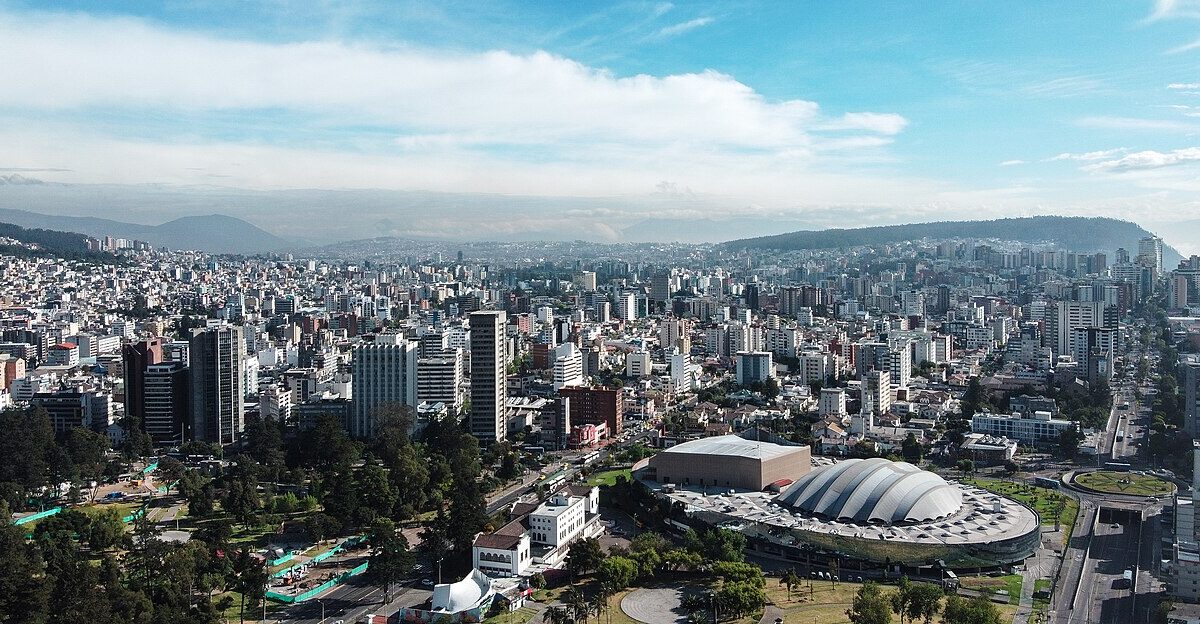
A trip to Quito, Ecuador in 2026 can range from approximately $27 per day for a budget traveler to over $212 per day for a luxury experience. This breakdown details anticipated costs.
Daily Cost Breakdown
| Category | Budget | Mid-Range | Luxury |
|---|---|---|---|
| Accommodation | $12 | $32 | $110 |
| Food | $6 | $16 | $45 |
| Transport | $2 | $4 | $15 |
| Activities | $5 | $12 | $30 |
| Misc | $2 | $4 | $12 |
| DAILY TOTAL | $27 | $68 | $212 |
3-day totals: Budget $81 / Mid-Range $204 / Luxury $636
7-day totals: Budget $189 / Mid-Range $476 / Luxury $1484
The best time to visit Quito for favorable weather and fewer crowds is typically from June to September. Tipping culture in Ecuador suggests a 10% gratuity at restaurants. The local currency is the US Dollar, so no exchange rate fluctuations are a factor.
Total Trip Cost by Duration
| Duration | Budget | Mid-Range | Luxury |
|---|---|---|---|
| 3 Days | $81 | $204 | $636 |
| 5 Days | $135 | $340 | $1,060 |
| 7 Days | $189 | $476 | $1,484 |
Accommodation Costs
Quito offers a diverse range of accommodation options to suit various budgets. Hostels provide the most economical choice, with dorm beds typically costing between $8 – $15 per night. Budget hotels offer private rooms for approximately $20 – $40 per night.
Mid-range hotels and well-appointed Airbnb apartments generally fall within the $50 – $90 per night range. For those seeking premium comfort and amenities, luxury hotels can start from $100 per night and extend upwards of $200 for suites.
Food & Restaurant Costs
Dining in Quito can be very affordable. Street food, such as empanadas or grilled corn, can be purchased for $1 – $3 per item. Casual local restaurants, known as ‘picanterías’ or ‘huecas’, offer hearty set lunches (almuerzos) for $4 – $7.
Mid-range restaurants, offering a wider variety of Ecuadorian and international cuisine, will typically charge $10 – $20 for a main course. Fine dining establishments can range from $25 – $50 or more per person for a multi-course meal, often excluding drinks.
Transportation Costs
Getting to and from Mariscal Sucre International Airport (UIO) can cost between $25 – $35 for a taxi or pre-booked shuttle. Within the city, public transportation is highly efficient and cost-effective. A single bus fare is approximately $0.25.
A daily public transit pass is not commonly available, but the low per-ride cost makes it economical for frequent use. Taxis are readily available and metered, with typical short rides costing between $2 – $5. Rideshare services like Uber and Cabify operate similarly, with fares comparable to local taxis.
How to Save Money in Quito
- Eat like a local: Opt for ‘almuerzos’ at small, local eateries instead of tourist-centric restaurants. This can save approximately $10 – $15 per day on food.
- Utilize public transport: Forgetting taxis and relying on buses for longer distances can reduce daily transport costs by $3 – $6.
- Free walking tours: Many companies offer free walking tours of Quito’s historic center. While tips are expected (budget $5 – $10), it’s a highly informative and cost-effective way to explore.
- Stay in hostels or budget guesthouses: Choosing dormitory beds or basic private rooms can cut accommodation expenses by $20 – $60 per night compared to mid-range options.
- Visit free attractions: Many of Quito’s most stunning natural viewpoints and historical plazas can be enjoyed without an entrance fee.
Is Quito Expensive Compared to Other Cities?
Quito generally offers a more affordable travel experience compared to many major South American capitals. For instance, a comparable mid-range daily budget in Lima, Peru, might be closer to $80-$100, while Santiago, Chile, could easily reach $120-$150 for a similar level of comfort. Bogota, Colombia, falls somewhere in between, often around $70-$90 daily for mid-range travel. Travelers can find extensive information and tips in our Quito travel guide.

Kai has visited 60+ countries across 6 continents, with a obsession for one thing most travelers ignore: the real cost of getting there. Former budget backpacker turned data-driven travel writer, Kai breaks down destination costs so you can plan smarter — not just dream bigger. Based everywhere, from nowhere in particular.