Is Porto Worth Visiting? Budget & Charm
Welcome to Porto, Portugal’s enchanting second city, where historic charm meets vibrant modernity. This comprehensive Porto travel guide offers practical advice, detailed itineraries, and essential tips for international travelers planning a memorable trip to this captivating destination. Discover everything from iconic attractions and culinary delights to budget insights and accommodation options, ensuring a seamless and enriching experience in the heart of Northern Portugal.
Why Visit Porto?
Porto, a UNESCO World Heritage city, offers an intoxicating blend of history, culture, and gastronomy that captivates every visitor. Its picturesque riverside setting, narrow cobblestone streets, and magnificent tiled buildings create an unforgettable atmosphere. The city is renowned globally as the home of Port wine, with historic cellars lining the Douro River ready for exploration.
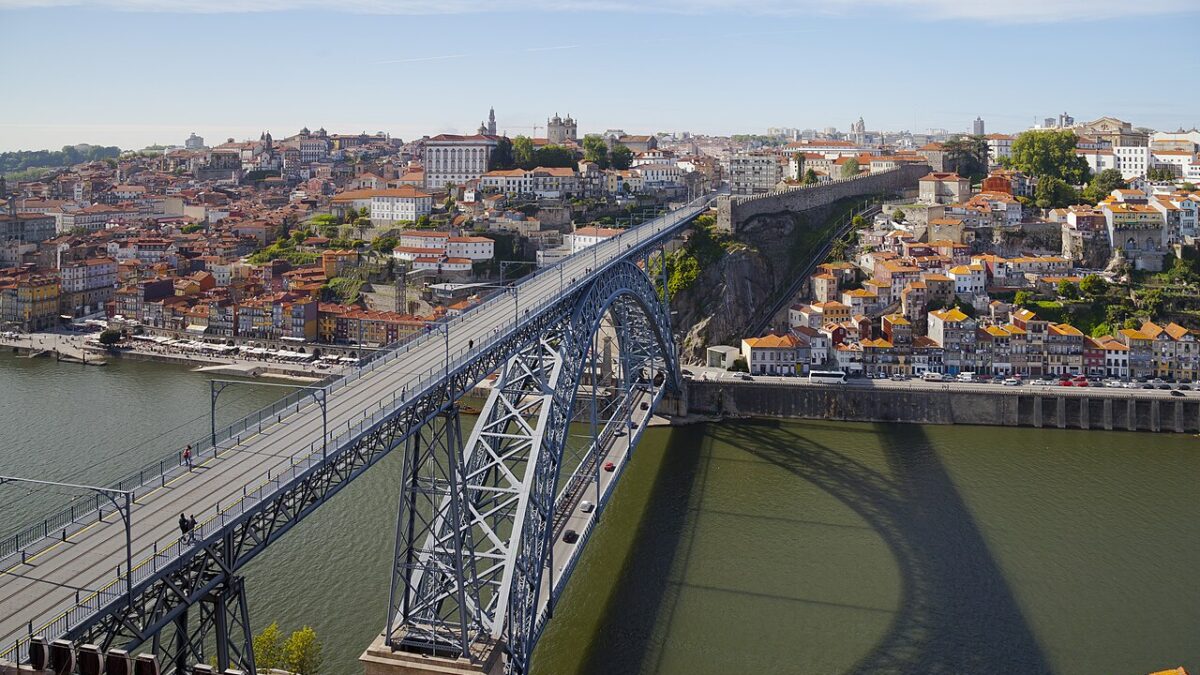
Beyond its vinicultural heritage, Porto boasts stunning architecture, from the medieval Sé Cathedral to the iconic Dom Luís I Bridge. The city’s culinary scene is equally compelling, featuring hearty traditional dishes and fresh seafood. With its friendly locals and vibrant arts scene, Porto provides an authentic Portuguese experience that is both accessible and deeply rewarding, making it a must-visit destination for any discerning traveler.
Average Travel Cost in Porto
Understanding the potential Porto travel cost is crucial for planning your trip. Porto generally offers excellent value compared to other major European cities, allowing travelers to enjoy a rich experience across various budget levels. Prices below are estimates for a single traveler per day in 2026, considering typical expenses.
| Category | Budget (per day) | Mid-Range (per day) | Luxury (per day) |
|---|---|---|---|
| Hotel | €40 – €70 | €90 – €150 | €200 – €400+ |
| Food | €30 – €50 | €60 – €100 | €120 – €200+ |
| Transport | €5 – €10 | €10 – €15 | €15 – €30 |
| Attractions | €10 – €20 | €30 – €50 | €50 – €80+ |
| Total | €85 – €150 | €190 – €315 | €385 – €710+ |
These figures provide a general guideline for Porto travel cost. Budget travelers can significantly reduce costs by staying in hostels, utilizing public transport, and enjoying local markets and street food. Mid-range travelers can expect comfortable accommodations, a mix of casual and nicer dining, and access to key attractions. Luxury travelers will find high-end hotels, fine dining experiences, and exclusive tours readily available.
Where to Stay in Porto
Choosing where to stay in Porto can significantly enhance your travel experience, with each neighborhood offering a distinct atmosphere. Here are three recommended areas, catering to different preferences and Porto budget travel considerations:
-
Ribeira: Located along the Douro River, Ribeira is Porto’s most iconic and picturesque district. It is characterized by colorful medieval houses, narrow streets, and bustling riverside cafes and restaurants. Staying here offers immediate access to the riverfront, Dom Luís I Bridge, and numerous historic sites, making it perfect for first-time visitors who want to be in the heart of the action.
Price Range: Mid-range to Luxury (€100-€350+ per night).
-
Baixa / Sé: This central district encompasses the downtown area and the Sé Cathedral, offering a vibrant mix of historic landmarks, shopping streets, and cultural venues. Baixa is well-connected by public transport and provides easy access to most attractions on foot. It’s an excellent choice for those seeking a lively urban experience with a wide range of accommodation options.
Price Range: Budget to Mid-range (€50-€180 per night).
-
Boavista: Situated west of the city center, Boavista is a more modern and upscale district, known for its wide avenues, contemporary architecture, and cultural institutions like Casa da Música. It offers a quieter, more residential feel while still being well-connected to the historic center by metro and bus. This area is ideal for travelers preferring modern amenities and a slightly more relaxed pace.
Price Range: Mid-range to Luxury (€90-€300+ per night).
Best Things to Do in Porto
Porto is brimming with captivating sights and experiences, offering a diverse array of things to do in Porto for every traveler. From historic landmarks to vibrant cultural spots, these attractions are essential for any comprehensive Porto travel guide:
-
Explore Ribeira District: Wander through the labyrinthine alleys of this UNESCO World Heritage site, admiring the colorful buildings and soaking in the lively atmosphere along the Douro River. Enjoy a traditional meal at a riverside restaurant.
-
Cross the Dom Luís I Bridge: Designed by a student of Gustave Eiffel, this iconic iron bridge offers breathtaking panoramic views of Porto and Vila Nova de Gaia. Walk across both the upper and lower decks for different perspectives.
-
Visit Livraria Lello: Often cited as one of the most beautiful bookstores in the world, its neo-Gothic interior and stunning staircase are said to have inspired J.K. Rowling. Expect queues, and note there is an entrance fee which can often be redeemed against a book purchase.
-
Climb the Clérigos Tower: Ascend the 225 steps of this Baroque bell tower for unparalleled 360-degree views of Porto’s sprawling cityscape. The tower is part of the Igreja dos Clérigos complex, a significant architectural landmark.
-
Admire São Bento Railway Station: Step inside this operational train station to marvel at its magnificent azulejo (blue and white tile) panels. These intricate artworks depict scenes from Portuguese history and rural life, transforming a functional space into an art gallery.
-
Tour a Port Wine Cellar: Cross the Douro River to Vila Nova de Gaia and visit one of the many historic Port wine lodges. Enjoy a guided tour explaining the wine-making process, followed by a tasting of various Port styles.
-
Discover Porto Cathedral (Sé do Porto): This imposing Romanesque cathedral is one of Porto’s oldest monuments. Explore its cloisters adorned with azulejos and enjoy commanding views from its forecourt.
-
Wander through Palácio da Bolsa (Stock Exchange Palace): An exquisite example of 19th-century Neoclassical architecture, this palace boasts lavish interiors, particularly the stunning Arabian Room, inspired by the Alhambra.
-
Relax at Foz do Douro: Head to the Atlantic coast where the Douro River meets the ocean. Enjoy a leisurely stroll along the promenade, visit the Felgueiras Lighthouse, and relax on the sandy beaches.
-
Explore Mercado do Bolhão: Experience the vibrant local life at this historic municipal market, recently renovated. Browse fresh produce, local delicacies, and enjoy traditional snacks from the various stalls.
Where to Eat in Porto
Porto’s culinary scene is a highlight for many visitors, offering hearty traditional dishes, fresh seafood, and, of course, its famous Port wine. Exploring the best restaurants in Porto is an integral part of any visit.
-
Try a Francesinha: This iconic Porto sandwich is a must-eat. It typically consists of layers of various meats (steak, sausage, ham) between slices of bread, covered in melted cheese and drenched in a rich, spicy tomato and beer sauce. Many local establishments specialize in this dish; look for places like Café Santiago or Brasão Cervejaria Coliseu for authentic versions.
-
Savor Bacalhau Dishes: Codfish (bacalhau) is a staple in Portuguese cuisine, and Porto offers countless ways to prepare it. Try Bacalhau à Brás (shredded cod with onions, potato sticks, and scrambled eggs) or Bacalhau com Natas (cod with cream). Restaurants like O Paparico (upscale) or Taberna Santo António (traditional) offer excellent interpretations.
-
Enjoy Fresh Seafood: Given its coastal proximity, Porto excels in fresh seafood. Head to areas like Matosinhos, easily accessible by metro, for a wide selection of seafood restaurants where you can often choose your fish directly from the ice. Grilled sardines, octopus lagareiro, and various shellfish are popular choices.
-
Explore Mercado do Bolhão: Beyond a place to buy produce, the newly renovated Mercado do Bolhão features numerous food stalls and small eateries. It’s perfect for a casual lunch, offering everything from traditional snacks (petiscos) to full meals in a vibrant, authentic setting. This is an excellent spot for Porto budget travel dining.
-
Indulge in Port Wine Tastings: While not a meal, no visit to Porto is complete without sampling its namesake fortified wine. Most Port lodges in Vila Nova de Gaia offer guided tours and tastings, pairing different Ports with cheese or chocolate. Consider a more extensive tasting at a specialized wine bar in Porto like Prova Wine Food & Pleasure.
-
Discover Traditional Portuguese Bakeries (Pastelarias): Start your day with a strong coffee and a freshly baked pastry. Don’t miss the famous Pastel de Nata (custard tart) or other local specialties like Bolo de Arroz (rice muffin). Many small bakeries dot the city, offering delicious and affordable treats.
3-Day Porto Itinerary
This 3-day Porto itinerary is designed to help you experience the best of the city, balancing iconic sights with authentic local experiences. It covers key attractions and ensures you get a taste of Porto’s unique charm.
Day 1: Riverside & Historic Core
Begin your Porto adventure in the heart of the city. Start at the magnificent São Bento Railway Station, marveling at its azulejo panels. From there, walk to the Clérigos Tower and climb to the top for panoramic views of the city.
Descend towards Livraria Lello (consider pre-booking tickets) and then head to the historic Porto Cathedral (Sé do Porto). Spend your afternoon exploring the charming, narrow streets of the Ribeira District, a UNESCO World Heritage site. Enjoy lunch at a traditional riverside restaurant, then take a scenic Rabelo boat cruise along the Douro River, offering unique perspectives of both Porto and Vila Nova de Gaia. Conclude your day with a traditional Portuguese dinner in Ribeira.
Day 2: Culture & Gastronomy
Cross the iconic Dom Luís I Bridge (upper deck for views, lower deck for access) to Vila Nova de Gaia. Dedicate your morning to touring one of the famous Port wine cellars, such as Graham’s, Taylor’s, or Sandeman, learning about the production process and enjoying a tasting. For lunch, explore the vibrant Mercado do Bolhão, sampling local delicacies and fresh produce from various stalls.
In the afternoon, visit the exquisite Palácio da Bolsa, particularly its opulent Arabian Room. Afterwards, wander through the bustling Rua das Flores, known for its charming shops and cafes. Consider a visit to Casa da Música for its striking architecture or a performance if time allows. Enjoy dinner at a restaurant specializing in fresh seafood or a classic Francesinha.
Day 3: Coastal Charms & Port Wine
Start your day by taking a historic tram (Line 1) or a bus to Foz do Douro, where the Douro River meets the Atlantic Ocean. Enjoy a leisurely walk along the promenade, feel the sea breeze, and visit the Felgueiras Lighthouse. You can relax on the beach or enjoy a coffee with ocean views.
Return to the city center and explore the artistic district of Cedofeita, known for its independent boutiques and art galleries. For a final taste of Porto, revisit a favorite area or discover a new one. In the late afternoon, consider another Port wine experience, perhaps focusing on a different style or a more intimate tasting. Enjoy a farewell dinner at one of Porto’s best restaurants, reflecting on your memorable journey.
Transportation Guide
Navigating Porto is generally straightforward, thanks to its compact city center and efficient public transportation network. Understanding your options will help you make the most of your Porto travel guide experience.
-
Walking: Porto’s historic center is best explored on foot. Many of the main attractions are within walking distance of each other. Be prepared for hills and cobblestone streets, especially in areas like Ribeira and Miragaia.
-
Metro: The Porto Metro system is modern, clean, and efficient, connecting the city center to the airport, coastal areas like Matosinhos and Foz do Douro, and other districts. You’ll need an ‘Andante’ card, which can be topped up with single journeys or 24/72-hour passes. Validate your card before each journey.
-
Buses: STCP buses complement the metro system, covering areas not served by the subway. They are useful for reaching specific neighborhoods or when you prefer not to walk uphill. The Andante card is also valid on buses.
-
Trams: Porto’s historic trams are more of a tourist attraction than a primary mode of transport, offering a charming way to see specific routes. Line 1 runs along the Douro River to Foz, Line 18 covers the Massarelos area, and Line 22 circles the city center. A separate ticket is usually required, or it can be purchased on board.
-
Funicular dos Guindais: This funicular connects the Ribeira district (lower level) to Batalha Square (upper level) near the Dom Luís I Bridge. It’s a quick and scenic way to ascend one of Porto’s steep hills, offering great views.
-
Taxis & Ride-Sharing: Taxis are readily available, and ride-sharing services like Uber and Bolt operate in Porto. They offer convenience, especially for late-night travel or when carrying luggage, though they are generally more expensive than public transport.
-
Porto Card: For visitors planning to use public transport extensively and visit multiple attractions, the Porto Card can be a cost-effective option. It offers unlimited public transport and discounts or free entry to several museums and attractions. Available for 1, 2, 3, or 4 days.
Money-Saving Tips
Exploring Porto on a budget is entirely feasible without compromising on the quality of your experience. Here are several money-saving tips to help with your Porto budget travel planning:
-
Utilize the Porto Card: If you plan to visit several paid attractions and use public transport frequently, the Porto Card can offer significant savings. Calculate if the discounts outweigh the card’s cost for your planned activities.
-
Walk Everywhere Possible: Porto’s compact historic center is highly walkable. Not only does this save on transport costs, but it also allows you to discover hidden gems and experience the city’s atmosphere more intimately. Wear comfortable shoes!
-
Eat Local and Smart: Opt for “Prato do Dia” (dish of the day) or “Menu Executivo” (executive menu) at local tascas (traditional restaurants) during lunchtime. These often include a main course, drink, and coffee for a very reasonable price (€8-€15). Explore markets like Mercado do Bolhão for affordable and delicious snacks or meals.
-
Stay in Hostels or Guesthouses: Porto has a fantastic selection of high-quality hostels and charming guesthouses that offer comfortable accommodation at a fraction of the price of hotels. Many are centrally located and provide excellent amenities.
-
Take Advantage of Free Attractions: Many of Porto’s most iconic sights are free to admire from the outside, such as the Dom Luís I Bridge, São Bento Station, and the Ribeira district. Enjoy free walking tours (tip-based) to learn about the city’s history without breaking the bank.
-
Buy Groceries and Cook: If your accommodation has kitchen facilities, buying fresh produce and local ingredients from supermarkets or markets can significantly reduce food expenses. Prepare some of your meals, especially breakfast and packed lunches.
-
Choose Budget-Friendly Port Wine Tastings: While some Port lodges offer premium experiences, many provide basic tours and tastings for a modest fee (€10-€20). You can still enjoy the experience without opting for the most expensive options. Some smaller, independent cellars might offer more intimate and affordable tastings.
Frequently Asked Questions
Is Porto walkable?
Yes, Porto is largely walkable, especially its historic center. Most major attractions like Ribeira, Clérigos Tower, and São Bento Station are within reasonable walking distance of each other. Be prepared for steep hills and cobblestone streets, which add to the city’s charm but can be challenging for some. Comfortable footwear is highly recommended.
What is the best time to visit Porto?
The best time to visit Porto is during the spring (April to June) and early autumn (September to October). During these months, the weather is pleasant with moderate temperatures, fewer crowds than peak summer, and ideal conditions for sightseeing and outdoor activities. Summer (July-August) can be hot and crowded, while winter (November-March) is cooler and rainier, though still charming.
How many days are enough for Porto?
For a comprehensive experience, 3 to 4 days are generally enough to explore Porto. This allows you to visit the main attractions, enjoy a Port wine tasting, explore the different neighborhoods, and savor the local cuisine without feeling rushed. If you plan day trips to the Douro Valley or nearby beaches, consider extending your stay to 5-7 days.
Is Porto expensive?
Compared to many other major Western European cities, Porto is generally considered affordable. Accommodation, food, and transportation costs are reasonable, making it an excellent destination for travelers seeking value. While luxury options are available, budget-friendly choices for dining and lodging are plentiful, supporting Porto budget travel plans.
What currency is used in Porto?
As part of Portugal and the European Union, the official currency used in Porto is the Euro (€). ATMs are widely available throughout the city, and credit/debit cards are accepted in most establishments. It’s always advisable to carry some cash for smaller purchases or local markets.

Kai has visited 60+ countries across 6 continents, with a obsession for one thing most travelers ignore: the real cost of getting there. Former budget backpacker turned data-driven travel writer, Kai breaks down destination costs so you can plan smarter — not just dream bigger. Based everywhere, from nowhere in particular.