Paro vs Thimphu: Which City Should You Visit?
For the traveler seeking the iconic Bhutanese experience, often embodied by the Tiger’s Nest Monastery, Paro is the undeniable choice. However, for those desiring a deeper dive into Bhutan’s modernizing cultural heart and administrative hub, Thimphu presents a more compelling, albeit less overtly dramatic, destination. This comparison will guide your decision, illuminating the unique offerings of each city.
Paro vs Thimphu: Quick Comparison
Paro, cradled in a verdant valley, is synonymous with Bhutan’s most famous landmark, the Tiger’s Nest Monastery. It offers a more tranquil, historically steeped experience, ideal for those prioritizing spiritual journeys and breathtaking natural beauty. Thimphu, the capital, is a dynamic blend of tradition and progress, boasting a more extensive infrastructure, diverse cultural institutions, and a livelier urban pulse. While both cities are essential to understanding Bhutan, they cater to subtly different travel priorities.
Cost Comparison
| Category | Paro (USD) | Thimphu (USD) |
|---|---|---|
| Accommodation (Mid-range hotel per night) | 100 – 200 | 80 – 150 |
| Food (Per person, per day) | 30 – 60 | 25 – 50 |
| Transport (Local taxi/bus per day) | 20 – 40 | 25 – 50 |
| Activities (Entrance fees, guide fees) | 50 – 150 (depending on permits/guides) | 30 – 80 |
| Daily Total (Estimate) | 200 – 450 | 160 – 330 |
Atmosphere & Culture
Paro exudes a serene and spiritual atmosphere. The valley is dotted with ancient monasteries, fortresses (dzongs), and traditional farmhouses, creating a picturesque and timeless setting. The pace of life is noticeably slower, allowing visitors to immerse themselves in the local culture and the grandeur of the Himalayas. The architecture is predominantly traditional Bhutanese, characterized by intricate woodwork and colorful murals. The culture here is deeply rooted in Buddhism, with religious festivals and daily rituals playing a significant role in local life.
Thimphu presents a more vibrant and contemporary Bhutanese experience. As the capital, it is a hub of administrative, economic, and cultural activity. The city is a fascinating juxtaposition of modern development and preserved traditions. While still maintaining Bhutanese architectural aesthetics in its public buildings and homes, Thimphu also features newer constructions and a more bustling urban environment. The pace is quicker than in Paro, with a growing number of shops, restaurants, and cultural centers. Local culture is diverse, influenced by people from across Bhutan, offering a broader spectrum of traditions and contemporary arts.
Things to Do
Here’s a comparison of the top attractions in each city:
-
Paro:
- Taktsang Palphug Monastery (Tiger’s Nest): The undisputed highlight, perched precariously on a cliff face. The hike to this sacred site is a pilgrimage in itself.
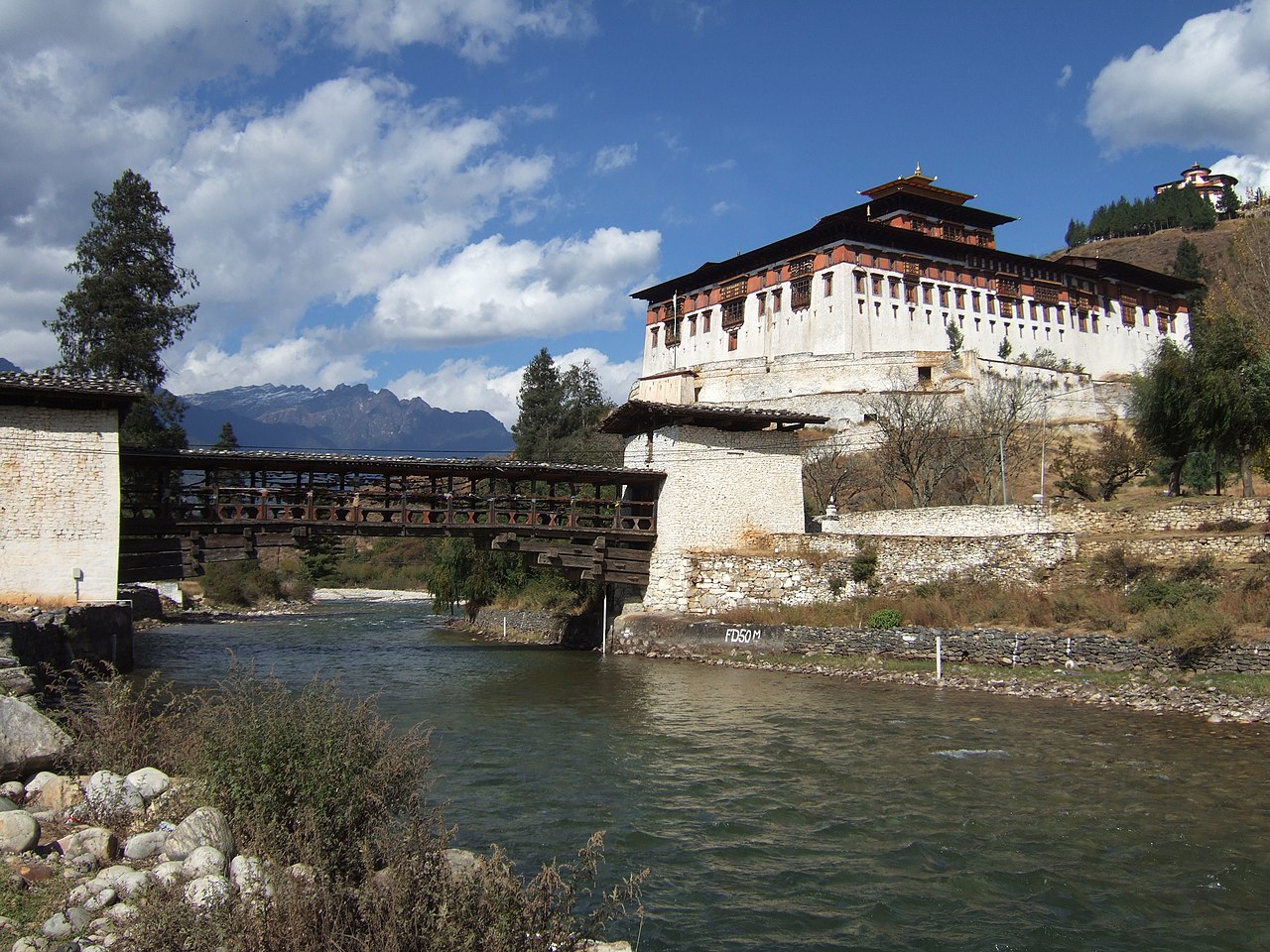
- Rinpung Dzong: A magnificent fortress-monastery that serves as the administrative and religious center of the district. It offers stunning architecture and historical insights.
- Kyichu Lhakhang: One of Bhutan’s oldest and most sacred temples, dating back to the 7th century, offering a profound sense of peace and history.
-
Thimphu:
- Buddha Dordenma: A colossal bronze statue of Buddha overlooking the valley, offering panoramic views and a significant spiritual landmark.
- National Memorial Chorten: A prominent stupa dedicated to the third king of Bhutan, a focal point for daily worship and circumambulation by locals.
- Folk Heritage Museum and Textile Museum: These museums provide excellent insights into Bhutanese rural life, traditional crafts, and the intricate art of weaving.
Food Scene
Paro’s culinary scene is largely centered around traditional Bhutanese fare, with an emphasis on fresh, local ingredients. Expect hearty dishes designed to fuel strenuous hikes and monastic life. The price range for a meal is generally moderate, with a focus on authentic experiences. Must-try dishes include Ema Datshi (chilies and cheese stew), Phaksha Paa (pork with red chilies), and various momos (dumplings).
Thimphu offers a more diverse and evolving food scene, reflecting its status as the capital. Alongside traditional Bhutanese cuisine, you will find a growing number of restaurants serving international dishes, from Indian and Nepali to Chinese and even Western options. The price range can vary significantly, from affordable local eateries to more upscale dining experiences. In addition to the Bhutanese staples, Thimphu is a great place to explore Bhutanese versions of other Asian cuisines and to find cafes offering modern twists on local flavors.
Best For…
- Budget travelers: Thimphu generally offers slightly more affordable accommodation and food options due to its larger supply of guesthouses and local eateries.
- Foodies: Thimphu wins for its diversity, offering both authentic Bhutanese flavors and a wider range of international cuisines.
- History lovers: Both cities are rich in history, but Paro’s ancient monasteries and dzongs offer a more concentrated historical experience.
- Nightlife: Thimphu, as the capital, has a more active nightlife with a few bars and pubs, whereas Paro is significantly quieter after dark.
- Families: Both cities are very family-friendly, but Thimphu’s museums and the Buddha Dordenma statue might offer slightly more varied activities for younger travelers.
Our Verdict
For the quintessential Bhutanese pilgrimage and breathtaking natural beauty, Paro is the superior choice. If you seek a more dynamic cultural experience, a wider array of amenities, and a glimpse into modern Bhutan, Thimphu is the destination to prioritize. Consider your primary travel interests when making your selection; a comprehensive Bhutanese journey will ideally include both.
For more detailed information, explore our Paro travel guide and Thimphu travel guide.

Kai has visited 60+ countries across 6 continents, with a obsession for one thing most travelers ignore: the real cost of getting there. Former budget backpacker turned data-driven travel writer, Kai breaks down destination costs so you can plan smarter — not just dream bigger. Based everywhere, from nowhere in particular.