Paro: Whispers of the Dragon Kingdom
Paro: The Dragon’s Breath of Bhutan
Why Visit Paro?
This Paro travel guide highlights a destination offering unparalleled cultural immersion and breathtaking Himalayan vistas. Visitors can expect a starting daily expenditure of approximately $55, with opportunities to explore iconic monasteries and savor authentic Bhutanese cuisine. This itinerary focuses on efficient exploration of key neighborhoods and attractions, providing a practical framework for an unforgettable journey.
Paro’s allure lies in its profound spiritual heritage, embodied by the iconic Tiger’s Nest Monastery clinging precariously to a cliff face. The valley, cradled by verdant mountains, offers a serene escape and a window into a uniquely preserved culture. Travelers seeking a blend of adventure, history, and authentic local experiences will find Paro exceptionally rewarding. Understanding the costs, from accommodation to daily expenses, is crucial for effective planning, as detailed in our complete Bhutan travel guide.
Who This Guide Is For
This guide is tailored for first-time visitors to Bhutan planning a 3-5 day trip to the Paro Valley. It is particularly useful for budget-conscious travelers aiming to keep daily expenses around $80 and for those interested in understanding local transport and dining options.
Average Travel Cost in Paro
The following table outlines the estimated daily travel costs in Paro for 2026, based on an exchange rate of 1 USD = 83.14 BTN.
| Category | Budget | Mid-Range | Luxury |
|---|---|---|---|
| Accommodation | $20 | $70 | $200 |
| Food | $15 | $30 | $80 |
| Transport | $5 | $20 | $60 |
| Attractions | $10 | $50 | $150 |
| Misc | $5 | $15 | $30 |
| Daily Total | $55 | $185 | $520 |
Estimated Total Costs:
* 3-Day Trip:
* Budget: $165
* Mid-Range: $555
* Luxury: $1560
* 7-Day Trip:
* Budget: $385
* Mid-Range: $1295
* Luxury: $3640
For accommodation, opting for guesthouses or homestays (often categorized as Airbnb-style) can offer significant savings compared to hotels, potentially reducing accommodation costs by 30-50% for budget and mid-range travelers. However, hotels provide amenities and services that may be preferable for those seeking comfort and convenience.
Prices fluctuate seasonally. The peak seasons (March-May and September-November) typically see a 10-20% increase in accommodation and tour package costs. The shoulder seasons (June-August and December-February) offer more moderate pricing, while the off-season presents the lowest rates but may coincide with less favorable weather. Tipping is not mandatory but is appreciated for exceptional service, typically around 5-10% of the bill.
Where to Stay in Paro
Paro offers distinct areas catering to various traveler preferences and budgets.
Paro Town Center:
Known for its accessibility to shops, restaurants, and administrative buildings.
Price Range (per night): Budget $15-$30, Mid-Range $50-$100.
Best for: Travelers who prioritize convenience and easy access to amenities, including those on a tight budget.
Insider Tip: Book accommodation in advance, especially during peak tourist seasons, to secure the best rates and availability.
Ugyen Pelri:
Located on the outskirts of town, offering a quieter, more scenic experience with views of rice paddies and traditional farmhouses.
Price Range (per night): Budget $25-$40, Mid-Range $80-$150.
Best for: Travelers seeking tranquility and a glimpse into rural Bhutanese life, ideal for those with a mid-range budget.
Insider Tip: Consider homestays in this area for an authentic cultural exchange and home-cooked meals.
Near the Airport (Kichu Lhakhang Area):
This area provides proximity to the airport and several ancient temples, offering a blend of convenience and historical significance.
Price Range (per night): Budget $20-$35, Mid-Range $60-$120.
Best for: Travelers with early or late flights, or those who wish to be close to major historical sites.
Insider Tip: Many guesthouses here offer shuttle services to the airport, which can be more economical than taxis.
Best Things to Do in Paro
Rinpung Dzong (Paro Dzong)
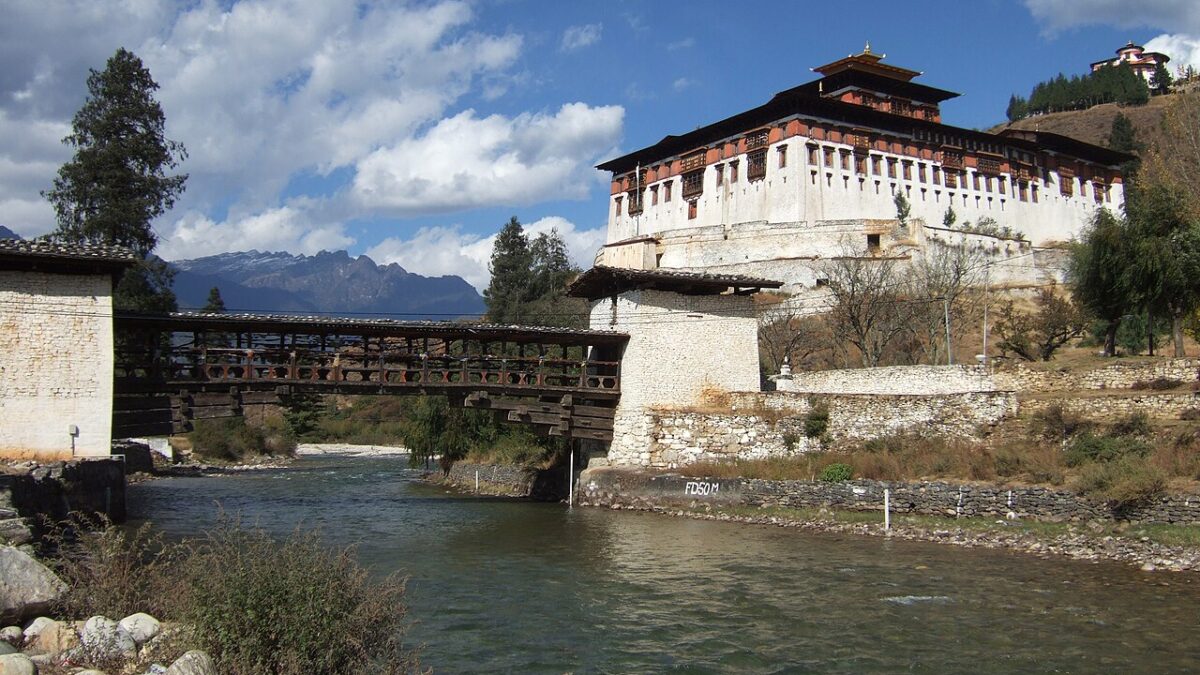
This impressive fortress-monastery, meaning “Fortress on a Heap of Jewels,” is a prime example of Bhutanese architecture and serves as a monastic and administrative center. It is a UNESCO World Heritage site and offers panoramic views of the Paro Valley.
Average Ticket Price: Included in the Sustainable Development Fee (SDF) for tourists.
Best Time to Visit: Daily from 9:00 AM to 5:00 PM. Visiting in the morning or late afternoon provides softer light for photography.
Insider Tip: Attend the Rinpung Dzong Tshechu (festival) if your visit coincides with it (typically spring) for a vibrant cultural spectacle.
Paro Taktsang (Tiger’s Nest Monastery)
The most iconic landmark in Bhutan, this sacred monastery is perched precariously on a cliff face 900 meters above the Paro Valley floor. It is a pilgrimage site for Buddhists and a challenging but rewarding hike.
Average Ticket Price: Included in the SDF. An additional fee of approximately $20 USD may apply for a guided tour if not part of a package.
Best Time to Visit: Early morning (before 8:00 AM) to avoid crowds and the midday heat. The hike takes approximately 4-5 hours round trip.
Insider Tip: Wear comfortable hiking shoes and carry water. Consider hiring a pony for the initial uphill climb if needed, though the final ascent requires walking.
National Museum of Bhutan
Housed in the Ta Dzong (watchtower) above Rinpung Dzong, this museum showcases a rich collection of Bhutanese artifacts, including thangkas, masks, weapons, and traditional costumes, providing deep insights into the country’s history and culture.
Average Ticket Price: Approximately $5 USD.
Best Time to Visit: 10:00 AM to 4:00 PM, closed on Tuesdays.
Insider Tip: Allow at least 1.5 to 2 hours to fully appreciate the exhibits. The museum also offers excellent views of the valley.
Kyichu Lhakhang
One of Bhutan’s oldest and most sacred temples, believed to have been built in the 7th century by Tibetan King Songtsen Gampo. It is a place of deep spiritual significance, featuring ancient murals and statues.
Average Ticket Price: Free. Donations are welcome.
Best Time to Visit: Open from early morning to evening. Visiting during prayer times can offer a more immersive experience.
Insider Tip: Observe the circumambulation of devotees and the turning of prayer wheels to understand the local religious practices.
Drukgyel Dzong
Though largely in ruins, Drukgyel Dzong (meaning “Fortress of the Victorious Drukpa”) holds historical importance as a defense against Tibetan invasions. It offers stunning views of Mount Jomolhari on clear days.
Average Ticket Price: Free.
Best Time to Visit: During daylight hours. Best viewed on a clear day to appreciate the surrounding landscape and potential mountain vistas.
Insider Tip: Imagine the historical significance of this site; it was a crucial strategic point in Bhutanese history.
Paro Weekend Market
A vibrant hub where locals from surrounding villages gather to sell agricultural produce, handicrafts, and local delicacies. It’s an excellent place to experience the local culture and purchase souvenirs.
Average Ticket Price: Free to browse.
Best Time to Visit: Saturday and Sunday mornings.
Insider Tip: Engage with vendors, even if you don’t purchase anything; it’s a fantastic opportunity for cultural exchange.
Where to Eat in Paro
Bhutanese cuisine is characterized by its use of chilies and cheese, offering a unique and robust flavor profile.
* Ema Datshi (National Dish):
* Cuisine: Bhutanese
* Price Range: $5-$10 per serving
* What to Order: Ema Datshi (chilies and cheese stew), Kewa Datshi (potatoes and cheese), Shamu Datshi (mushrooms and cheese).
* Location Tip: Available in most local restaurants and cafes in Paro town. For an authentic experience, try smaller, family-run eateries.
* Traditional Bhutanese Thali:
* Cuisine: Bhutanese
* Price Range: $10-$20 per set meal
* What to Order: A set meal typically includes red rice, ema datshi, phaksha paa (pork with chili), and jasha paa (chicken with chili).
* Location Tip: Look for restaurants advertising “Bhutanese Set Meal” or “Thali” in Paro town.
* Momos (Dumplings):
* Cuisine: Tibetan/Bhutanese
* Price Range: $3-$7 per plate (typically 8-10 momos)
* What to Order: Vegetable momos, pork momos, or beef momos, served with a spicy dipping sauce.
* Location Tip: Widely available from street food vendors and small restaurants, especially around the market area.
* Cafes and Bakeries:
* Cuisine: International/Local Fusion
* Price Range: $3-$8 for snacks and coffee
* What to Order: Pastries, sandwiches, coffee, and light snacks. Some offer a blend of local and Western options.
* Location Tip: Several modern cafes have opened in Paro town, offering a good alternative for lighter meals or a coffee break.
3-Day Paro Itinerary
This itinerary balances cultural immersion, historical exploration, and active engagement with the Paro Valley.
Day 1
* Morning: Arrive at Paro International Airport (PBH). Transfer to your accommodation, check in, and enjoy a welcome lunch. Begin your exploration with a visit to the National Museum of Bhutan, housed in the Ta Dzong.
* Afternoon: Descend to Rinpung Dzong (Paro Dzong), explore its impressive architecture, and walk across the traditional cantilever bridge (Nyamai Zam).
* Evening: Stroll through Paro town, visit local handicraft shops, and enjoy dinner at a traditional Bhutanese restaurant.
* Estimated Daily Cost: $80 (assuming mid-range accommodation and dining, including museum entrance).
Day 2
* Morning: Embark on the iconic hike to Paro Taktsang (Tiger’s Nest Monastery). This is a full morning activity, requiring significant physical exertion.
* Afternoon: After descending, visit Kyichu Lhakhang, one of Bhutan’s oldest and most sacred temples, for a serene cultural experience.
* Evening: Relax and recover from the hike. Consider a traditional hot stone bath (optional, additional cost) followed by a quiet dinner.
* Estimated Daily Cost: $120 (includes higher activity cost for Tiger’s Nest and potential hot stone bath).
Day 3
* Morning: Visit the ruins of Drukgyel Dzong, a historical fortress offering scenic views. If time and interest permit, explore the Paro Weekend Market (if it’s a Saturday or Sunday).
* Afternoon: Enjoy a final Bhutanese lunch. Depending on your flight schedule, you can do some last-minute souvenir shopping or revisit a favorite spot.
* Evening: Transfer to Paro International Airport for your departure.
* Estimated Daily Cost: $50 (assuming budget to mid-range lunch and transport).
Transportation Guide
Paro International Airport (PBH) is the sole international airport in Bhutan, serving as the primary entry point for most visitors. Upon arrival, pre-arranged airport transfers by your tour operator or hotel are the most common and efficient method. Private taxis are available for hire, though costs can be higher. Public bus services are extremely limited for tourists and generally not a practical option for reaching accommodation or attractions. For travel within Paro and to surrounding areas, hiring a private car with a driver is the standard and recommended method, especially for multi-day itineraries. Negotiate fares in advance or ensure they are included in your tour package. Rideshare services are not available in Bhutan.
Money-Saving Tips
Pro Tip 1: Travel during the shoulder seasons (June-August or December-February) to find accommodation and flight prices reduced by up to 20% compared to peak months. This can significantly lower your overall trip cost.
Pro Tip 2: Opt for guesthouses or homestays over hotels. These typically offer a more authentic experience and can reduce accommodation expenses by 30-50%, aligning with a budget of approximately $20-$40 per night.
Pro Tip 3: Utilize local eateries for meals instead of hotel restaurants. A traditional Bhutanese meal can cost $5-$10, whereas hotel dining might range from $20-$50, allowing for substantial savings on food expenses.
Common Travel Mistakes
Mistake 1: Underestimating the physical demands of certain activities, particularly the hike to Tiger’s Nest Monastery. Tourists often arrive with inadequate footwear or fitness levels, leading to discomfort or an inability to complete the trek. It is advisable to wear sturdy hiking shoes and ensure a reasonable level of physical fitness before attempting the hike.
Mistake 2: Not factoring in the Sustainable Development Fee (SDF) and visa costs when budgeting. Bhutan has a mandatory SDF, which is a significant portion of the daily expenditure for tourists. Always check current SDF rates and include them in your travel cost calculator for accurate budgeting.
Frequently Asked Questions
How much money do you need for 3 days in Paro?
For a 3-day trip to Paro, a budget traveler can expect to spend approximately $165, averaging $55 per day. A mid-range traveler would budget around $555 for three days, with costs reaching $1560 for a luxury experience. These estimates cover accommodation, food, transport, and activities.
Is Paro expensive for tourists?
Paro, like the rest of Bhutan, is considered moderately expensive due to its mandatory Sustainable Development Fee (SDF) and the country’s policy of high-value, low-impact tourism. While budget travel is possible at around $55 per day, mid-range and luxury travel can quickly increase costs, with daily expenses reaching $185 and $520, respectively. Compare with Doha for another perspective on travel costs in Asia.
What is the best area to stay in Paro?
The best area to stay depends on your priorities. Paro Town Center offers convenience and access to amenities, ideal for budget travelers. Ugyen Pelri provides tranquility and rural charm for mid-range visitors. Areas near the airport are practical for those with specific flight schedules, offering a balance of accessibility and historical sites. For a more urban experience, consider a Thimphu travel guide.
Can you visit Paro without a car?
While technically possible, visiting Paro without pre-arranged transportation or a hired car is highly impractical for tourists. Public transport is limited, and taxis are not readily available for spontaneous hires. Most visitors will either have their transport included in a tour package or hire a private car and driver for their stay. For alternative travel experiences, you might check travel costs in Cartagena.
What is the cheapest month to visit Paro?
The cheapest months to visit Paro are generally during the off-season, which typically falls outside the peak spring and autumn tourist windows. While specific pricing varies, months like January, February, June, July, and August might offer slightly lower rates for flights and accommodation compared to the popular March-May and September-November periods. However, weather considerations are important during these times. For broader travel planning, explore Asia travel guides.

Kai has visited 60+ countries across 6 continents, with a obsession for one thing most travelers ignore: the real cost of getting there. Former budget backpacker turned data-driven travel writer, Kai breaks down destination costs so you can plan smarter — not just dream bigger. Based everywhere, from nowhere in particular.