Palawan vs Manila: Which City Should You Visit?
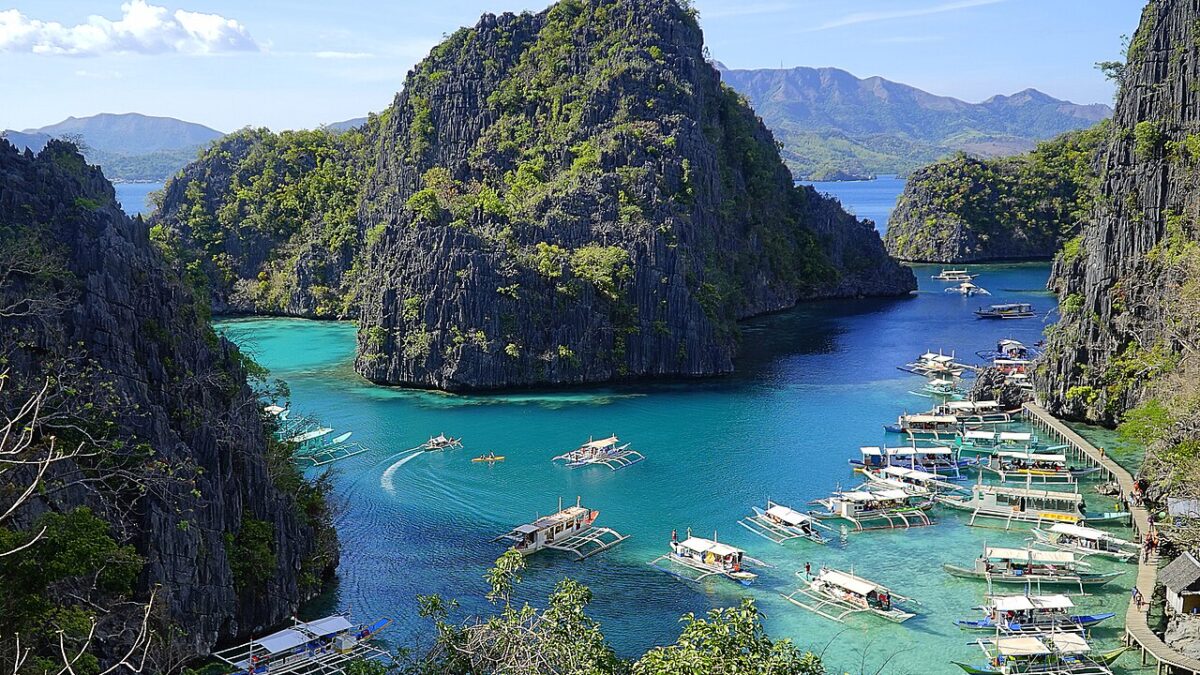
For the intrepid explorer seeking pristine natural beauty and tranquil escapes, Palawan stands as the undisputed champion. Conversely, for the traveler craving a vibrant urban pulse, rich historical narratives, and a dynamic culinary scene, Manila offers an unparalleled experience. This comparison will delve into the nuances of each destination to guide your choice.
Palawan vs Manila: Quick Comparison
Palawan, often hailed as the “Last Frontier” of the Philippines, is an archipelago province renowned for its breathtaking limestone cliffs, crystal-clear turquoise waters, and abundant marine life. It is a sanctuary for nature lovers, divers, and those seeking an escape from the hustle and bustle of city life. Manila, on the other hand, is the bustling capital of the Philippines, a sprawling metropolis that serves as the nation’s political, economic, and cultural heart. It’s a city of contrasts, where historical landmarks stand alongside modern skyscrapers, and where the energy of millions creates a palpable atmosphere.
Cost Comparison
| Category | Palawan (USD) | Manila (USD) |
|---|---|---|
| Accommodation (per night, mid-range) | 40-80 | 50-100 |
| Food (per day, mid-range) | 20-40 | 25-50 |
| Transport (per day, local) | 10-20 | 15-30 |
| Activities (per day, average) | 30-60 | 20-40 |
| Daily Total (estimate) | 100-200 | 110-220 |
Atmosphere & Culture
Palawan exudes a serene and laid-back atmosphere, dictated by the rhythm of nature. Life moves at a slower pace, with locals deeply connected to their environment and a strong sense of community. The architecture is largely functional, focused on blending with the natural landscape, with traditional nipa huts and simple guesthouses being common. The culture is a blend of indigenous traditions and influences from centuries of trade and migration, emphasizing hospitality and respect for nature.
Manila, in stark contrast, is a city that never sleeps. Its atmosphere is energetic, dynamic, and at times overwhelming, characterized by constant movement and the vibrant pulse of urban life. The architecture is a fascinating juxtaposition of colonial-era structures, Art Deco buildings, and towering modern skyscrapers. The local culture is a rich tapestry woven from indigenous heritage, Spanish and American colonial influences, and a modern global outlook. Expect a lively, resilient, and often boisterous populace with a deep appreciation for family, faith, and festivity.
Things to Do
Palawan:
- El Nido Island Hopping: Explore the stunning lagoons, secret beaches, and snorkeling spots of Bacuit Bay, including the Big Lagoon and Small Lagoon.
- Coron Diving and Kayangan Lake: Discover world-class wreck diving sites from World War II and marvel at the iconic turquoise waters of Kayangan Lake, the Philippines’ cleanest lake.
- Puerto Princesa Underground River: Navigate a UNESCO World Heritage Site, an 8.2-kilometer-long navigable underground river system, a truly unique natural wonder.
Manila:
- Intramuros Exploration: Step back in time within the walled city, visiting historical sites like Fort Santiago, San Agustin Church (UNESCO World Heritage Site), and Casa Manila.
- National Museum Complex: Immerse yourself in Filipino art, history, and culture at the National Museum of Fine Arts, Anthropology, and Natural History.
- Binondo Chinatown Food Trip: Indulge in a culinary adventure through the world’s oldest Chinatown, sampling authentic Chinese-Filipino dishes.
Food Scene
Palawan: The culinary scene in Palawan is heavily influenced by fresh seafood and local produce. Expect simple yet delicious preparations that highlight the natural flavors.
Cuisine Highlights: Freshly grilled seafood, Kinilaw (Filipino ceviche), Lato (sea grapes), and local fruits.
Price Range: USD 10-30 per person for a good meal.
Must-Try Dishes: Grilled fish with calamansi, seafood platters, and fresh coconut juice.
Manila: Manila boasts an incredibly diverse and dynamic food scene, ranging from street food stalls to world-class fine dining. It’s a gastronomic paradise offering a taste of both traditional Filipino fare and international cuisines.
Cuisine Highlights: Adobo, Sinigang, Lechon, Halo-halo, and a vast array of international options.
Price Range: USD 15-50+ per person for a good meal, depending on the establishment.
Must-Try Dishes: Sisig, La Paz Batchoy, Pancit Malabon, and Buko Pie.
Best For…
- Budget travelers: Palawan offers more affordable options for accommodation and activities, especially when venturing beyond the most popular tourist spots.
- Foodies: Manila’s diverse culinary landscape, from street food to fine dining, makes it the ultimate destination for food lovers.
- History lovers: Manila’s rich colonial past and numerous historical sites, particularly in Intramuros, offer a deep dive into Philippine history.
- Nightlife: Manila’s vibrant nightlife scene, with its numerous bars, clubs, and live music venues, far surpasses anything found in Palawan.
- Families: While Palawan offers natural beauty, Manila provides a wider range of family-friendly attractions and activities, from theme parks to interactive museums.
Our Verdict
For those seeking unparalleled natural beauty, adventure, and relaxation, Palawan is the definitive choice. For travelers who thrive on urban energy, historical immersion, and a diverse culinary journey, Manila is the more fitting destination.

Kai has visited 60+ countries across 6 continents, with a obsession for one thing most travelers ignore: the real cost of getting there. Former budget backpacker turned data-driven travel writer, Kai breaks down destination costs so you can plan smarter — not just dream bigger. Based everywhere, from nowhere in particular.