5 Days in Oslo: Viking Ships & Vigeland Park
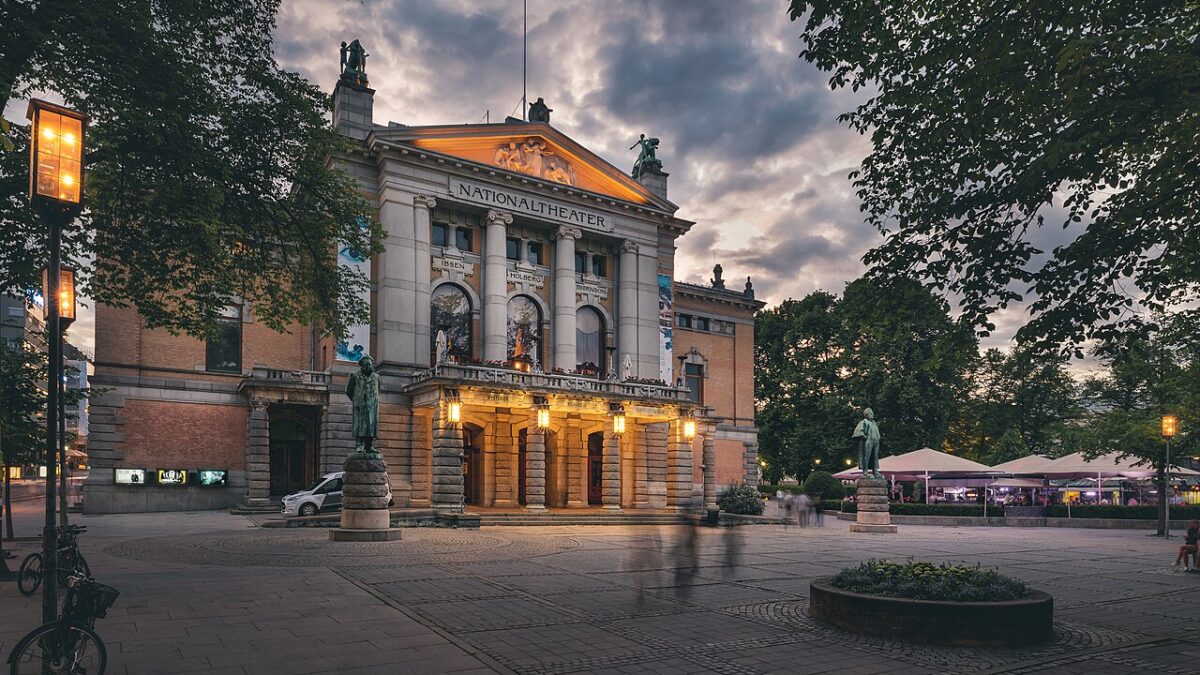
Embark on an unforgettable journey with this comprehensive Oslo travel guide, your essential resource for exploring Norway’s vibrant capital. Discover world-class museums, stunning architecture, and unparalleled access to nature, all while navigating the city’s unique charm. From budget-friendly tips to luxury experiences, prepare to unlock the best of Oslo.
Why Visit Oslo?
Oslo, Norway’s dynamic capital, offers a compelling blend of urban sophistication and breathtaking natural beauty. Nestled at the head of the Oslofjord and surrounded by forests, this city provides an extraordinary experience where culture, sustainability, and outdoor adventure converge.
Travelers are drawn to Oslo for its impressive array of world-class museums, including the iconic Munch Museum and the fascinating Kon-Tiki Museum. The city’s architectural landscape is equally captivating, exemplified by the stunning Oslo Opera House and the modern National Museum.
Beyond its cultural institutions, Oslo champions sustainability and boasts extensive green spaces, making it a joy to explore on foot or by public transport. Its unique position offers easy access to hiking, skiing, and island hopping, providing an invigorating escape from the urban environment. Oslo truly stands as a testament to Scandinavian design, innovation, and a profound connection to nature.
Average Travel Cost in Oslo
Oslo is renowned for being one of the more expensive cities globally, but strategic planning can help manage costs. Prices below are estimates for 2026, based on a single traveler per day in Norwegian Krone (NOK), with approximate USD equivalents for context.
| Category | Budget (NOK / USD) | Mid-Range (NOK / USD) | Luxury (NOK / USD) |
|---|---|---|---|
| Hotel | 1200-1800 / $110-170 | 2000-3500 / $190-330 | 4000+ / $380+ |
| Food | 500-800 / $45-75 | 900-1600 / $85-150 | 1800+ / $170+ |
| Transport | 130-200 / $12-19 | 130-200 / $12-19 | 130-200 / $12-19 |
| Attractions | 100-250 / $9-23 | 250-500 / $23-47 | 400-800+ / $38-75+ |
| Total Daily Estimate | 1930-3050 / $176-287 | 3280-5800 / $309-546 | 6330-8800+ / $597-828+ |
Note: USD conversions are approximate and subject to exchange rate fluctuations (assumed 1 USD ≈ 10.6 NOK). Prices do not include international flights.
Where to Stay in Oslo
Choosing the right neighborhood in Oslo can significantly enhance your trip, offering distinct atmospheres and access to different attractions. Here are three top recommendations:
-
Sentrum (City Center):
The heart of Oslo, Sentrum is perfect for first-time visitors seeking convenience and direct access to major sights like the Royal Palace, Parliament, and the main train station. You’ll find a wide range of hotels, restaurants, and shops here.
Price Range: Mid-Range to Luxury (NOK 2000-4500+ per night)
-
Grünerløkka:
Known for its bohemian vibe, Grünerløkka is a trendy district north of the city center, popular with artists and young professionals. It boasts charming cafes, vintage shops, independent boutiques, and lively bars. It’s well-connected by tram.
Price Range: Budget to Mid-Range (NOK 1500-2800 per night)
-
Frogner:
An upscale residential area, Frogner is home to the famous Vigeland Park and numerous embassies. It offers a more tranquil experience with elegant streets, beautiful architecture, and sophisticated dining options. It’s ideal for those seeking a quieter stay with easy access to cultural sites.
Price Range: Mid-Range to Luxury (NOK 2500-5000+ per night)
Best Things To Do in Oslo
Oslo offers an abundance of attractions catering to diverse interests, from art and history to outdoor recreation. Here are some of the must-see highlights:
-
Vigeland Park (Frogner Park):
A unique outdoor sculpture park featuring over 200 bronze, granite, and cast iron works by Gustav Vigeland. It’s free to enter and a truly iconic Oslo experience.
-
Oslo Opera House:
An architectural marvel resembling a glacier rising from the fjord. Visitors can walk on its sloped roof for panoramic city and fjord views. Guided tours are also available.
-
Munch Museum:
Dedicated to Edvard Munch, Norway’s most famous artist, this museum houses the world’s largest collection of his works, including several versions of “The Scream.”
-
Akershus Fortress:
A medieval castle and royal residence dating back to the late 13th century. Explore its grounds, enjoy harbor views, and visit the Resistance Museum within its walls.
-
National Museum:
Scandinavia’s largest museum, it brings together collections from the former National Gallery, Museum of Contemporary Art, and the Museum of Decorative Arts and Design, offering a comprehensive overview of Norwegian art and design.
-
Kon-Tiki Museum:
Located on the Bygdøy peninsula, this museum tells the story of Thor Heyerdahl’s legendary expeditions, featuring the original Kon-Tiki raft and the papyrus boat Ra II.
-
Holmenkollen Ski Museum & Tower:
Experience over 4,000 years of skiing history and take an elevator to the top of the famous ski jump for incredible views of Oslo and the surrounding areas.
-
Astrup Fearnley Museum of Modern Art:
Housed in a stunning building designed by Renzo Piano, this museum features an impressive collection of contemporary art and is located in the vibrant Tjuvholmen district.
-
Bygdøy Peninsula Museums:
Beyond Kon-Tiki, Bygdøy is home to the Norwegian Folk Museum (open-air), the Viking Ship Museum (reopening in 2026 as Museum of the Viking Age), and the Fram Museum (polar exploration).
Where to Eat in Oslo
Oslo’s culinary scene is diverse, offering everything from Michelin-starred dining to vibrant food halls and traditional Norwegian fare. Here are some recommendations:
-
Maaemo:
A three-Michelin-starred restaurant offering an extraordinary Nordic tasting menu focused on organic, seasonal ingredients. Reservations are essential and should be made well in advance for this unparalleled fine dining experience.
-
Vippa Oslo:
Located in an old industrial building by the water, Vippa is a lively food court featuring diverse street food vendors. It’s a fantastic spot for a casual meal with a great atmosphere and often live music.
-
Mathallen Oslo (Food Hall):
A vibrant indoor food market in Grünerløkka, offering gourmet produce, specialty foods, and several small restaurants and cafes. It’s ideal for sampling local delicacies or grabbing a delicious lunch.
-
Arakataka:
A popular mid-to-high-range restaurant known for its modern European cuisine with a focus on fresh, seasonal ingredients. They offer an inventive tasting menu in a relaxed, stylish setting.
-
Traditional Norwegian Fare:
Seek out restaurants serving classic dishes like fårikål (lamb and cabbage stew), kjøttkaker (meatballs), or fresh seafood. Places like Engebret Café or Dovrehallen offer a taste of local tradition.
-
Pølse from a Kiosk:
For a truly authentic and budget-friendly Oslo experience, grab a pølse (hot dog) from one of the many street kiosks. It’s a national snack, often served in a potato flatbread (lompe) or bun.
3-Day Oslo Itinerary
This itinerary balances Oslo’s cultural highlights with its natural beauty, offering a comprehensive experience for first-time visitors.
Day 1: City Center & Culture
Begin your Oslo adventure in the city center. Start with a visit to the iconic Oslo Opera House, walking on its roof for stunning views. Afterwards, explore the historic Akershus Fortress, delving into Norway’s past. For lunch, grab a bite near the waterfront or in the charming Kvadraturen district. In the afternoon, immerse yourself in art at the new National Museum, home to a vast collection of Norwegian art and design. Conclude your day with dinner in Sentrum, perhaps near Aker Brygge for waterfront dining.
Day 2: Art, Nature & Peninsula Exploration
Dedicate your second day to Oslo’s unique artistic and maritime heritage. Start at the magnificent Vigeland Park, spending ample time admiring Gustav Vigeland’s sculptures. Afterwards, head to the Bygdøy Peninsula, easily accessible by bus or ferry. Here, you can visit the Kon-Tiki Museum and the Fram Museum. Enjoy a casual lunch at one of Bygdøy’s cafes or pack a picnic to enjoy by the fjord. In the late afternoon, explore the vibrant Grünerløkka district, browsing its independent shops and enjoying dinner at a local eatery or Mathallen Oslo.
Day 3: Panoramic Views & Modern Art
On your final day, experience Oslo from above and delve into its modern side. Take the metro (T-bane) to Holmenkollen Ski Museum & Tower for panoramic views of the city and fjord. Spend the morning exploring the museum and enjoying the vista. Head back towards the city, perhaps stopping for lunch in a charming neighborhood like Majorstuen. In the afternoon, visit the striking Munch Museum to witness Edvard Munch’s masterpieces. Conclude your trip with a visit to the Astrup Fearnley Museum of Modern Art in the stylish Tjuvholmen area, followed by a celebratory dinner in this chic waterfront district.
Transportation Guide
Oslo boasts an efficient and extensive public transportation system, making it easy to navigate the city and its surroundings. The primary modes of transport are operated by Ruter.
-
Airport Transfer:
Oslo Airport Gardermoen (OSL) is well-connected to the city center. The fastest option is the Flytoget Airport Express Train (around 20 minutes, NOK 240-280). A more budget-friendly alternative is the regular Vy regional train (line R10/R11) to Oslo Central Station (Oslo S), which takes about 23 minutes and costs significantly less (around NOK 120-140).
-
Public Transport within Oslo (Ruter):
Oslo’s network includes buses, trams, metro (T-bane), and local ferries. A single ticket costs around NOK 42 and is valid for 60 minutes with transfers. For more extensive travel, consider a 24-hour ticket (NOK 129), 7-day ticket, or the Oslo Pass. Tickets can be purchased via the Ruter app, kiosks, or ticket machines. Remember to validate your ticket.
-
Oslo Pass:
This pass offers free public transport, free entry to over 30 museums and attractions, and discounts on certain restaurants and activities. Available for 24, 48, or 72 hours, it can be a cost-effective option if you plan to visit multiple paid attractions and use public transport frequently.
-
Walking & Cycling:
Many of Oslo’s central attractions are within walking distance of each other. The city is also very bicycle-friendly, with numerous dedicated lanes and Oslo City Bike rental stations available.
Money-Saving Tips
While Oslo can be expensive, these tips can help you enjoy the city without breaking the bank:
- Utilize the Oslo Pass: If you plan to visit several museums and use public transport extensively, the Oslo Pass can offer significant savings. Calculate if it’s worth it for your itinerary.
- Cook Your Own Meals: Eating out is a major expense. Purchase groceries from supermarkets like Kiwi, Rema 1000, or Coop. Many accommodations, especially hostels and apartments, offer kitchen facilities.
- Enjoy Free Attractions: Oslo boasts many fantastic free attractions, including Vigeland Park, the Oslo Opera House (exterior and roof walk), Akershus Fortress grounds, and numerous hiking trails in the surrounding forests.
- Walk and Use Public Transport: Oslo is a walkable city, and its public transport system is excellent. Avoid taxis, which are very expensive. Consider a 24-hour public transport ticket if you’re making multiple journeys.
- Pack a Reusable Water Bottle: Tap water in Oslo is clean and safe to drink. Refill your bottle instead of buying bottled water.
- Look for Lunch Deals: Many restaurants offer more affordable lunch specials (lunsjtilbud) compared to dinner prices.
- Visit During Off-Peak Season: Traveling outside of summer (June-August) can sometimes yield lower prices for flights and accommodation, though some attractions might have reduced hours.
Frequently Asked Questions
What is the best time to visit Oslo?
The best time to visit Oslo is during the summer months, from June to August, when the weather is mild and pleasant, daylight hours are long, and outdoor activities are abundant. Spring (April-May) and early autumn (September-October) also offer beautiful scenery and fewer crowds, though temperatures are cooler.
Is Oslo a walkable city?
Yes, central Oslo is very walkable, with many major attractions like the Royal Palace, Opera House, and Aker Brygge within easy reach of each other. For longer distances or to reach areas like Bygdøy or Holmenkollen, Oslo’s efficient public transport system is recommended.
What currency is used in Oslo?
The currency used in Oslo, and throughout Norway, is the Norwegian Krone (NOK). While credit cards are widely accepted, especially Visa and Mastercard, it’s advisable to carry some local currency for smaller purchases or emergencies.
How expensive is Oslo compared to other European cities?
Oslo is generally considered one of the most expensive cities in Europe, particularly for dining out and alcohol. Accommodation and transport costs are also higher than in many other European capitals. However, many of its best experiences, like exploring parks and enjoying nature, are free.
Do people in Oslo speak English?
Yes, the vast majority of people in Oslo, especially those in the service industry, speak excellent English. You will have no trouble communicating in English, making it an easy city for international travelers to navigate without knowing Norwegian.

Kai has visited 60+ countries across 6 continents, with a obsession for one thing most travelers ignore: the real cost of getting there. Former budget backpacker turned data-driven travel writer, Kai breaks down destination costs so you can plan smarter — not just dream bigger. Based everywhere, from nowhere in particular.