Osaka: Culinary Canvas & Dotonbori Delights
Why Visit Osaka?
Osaka offers a compelling blend of historical depth and modern dynamism, making it a premier destination for discerning travelers in 2026. This Osaka travel guide highlights its affordable options, distinct culinary scene, and accessible neighborhoods. Visitors can plan an itinerary around budget-friendly food, iconic landmarks, and efficient public transport, creating a memorable and cost-effective Japanese experience.
The city’s reputation as “Japan’s Kitchen” is well-earned, with an unparalleled food culture ranging from Michelin-starred restaurants to vibrant street food stalls. Beyond its gastronomic delights, Osaka boasts a rich history evident in its ancient castle and temples, juxtaposed with the futuristic glow of its entertainment districts. Its manageable size and excellent infrastructure ensure a practical and enriching visit for all. For a broader perspective on the region, consider our complete Japan travel guide.
Who This Guide Is For
This Osaka travel guide is designed for first-time visitors planning a 4-6 day trip who prioritize experiencing local culture and cuisine. It is particularly useful for budget-conscious travelers aiming to stay under $150 per day and those interested in exploring distinct urban neighborhoods. Families seeking accessible attractions and efficient transit will also find this guide beneficial.
Average Travel Cost in Osaka
The following table outlines estimated daily costs for various travel styles in Osaka, based on an exchange rate of 1 USD = 148 JPY.
| Category | Budget | Mid-Range | Luxury |
|---|---|---|---|
| Accommodation | $38 | $75 | $220 |
| Food | $28 | $48 | $110 |
| Transport | $12 | $18 | $48 |
| Attractions | $16 | $38 | $85 |
| Misc | $8 | $12 | $35 |
| Daily Total | $102 | $191 | $498 |
Estimated Total Costs:
* 3-Day Trip: Budget: $306 | Mid-Range: $573 | Luxury: $1494
* 7-Day Trip: Budget: $714 | Mid-Range: $1337 | Luxury: $3486
For accommodation, opting for an Airbnb-style rental can offer a cost saving of approximately 15-25% compared to a mid-range hotel, especially for longer stays or group travel, by providing kitchen facilities and more space.
Seasonal price fluctuations are notable. Peak seasons, typically March to May (spring blossoms) and October to November (autumn foliage), see accommodation and flight prices increase by 20-30%. Shoulder seasons (late May to June, September) offer a balance of good weather and moderate pricing, while the off-season (July-August, winter months excluding holidays) presents the lowest costs, though weather may be less predictable. Tipping is not customary in Japan. You can use the travel cost calculator to estimate your trip expenses.
Where to Stay in Osaka
For budget travelers, Namba is recommended. This bustling district is known for its vibrant nightlife, extensive shopping arcades like Shinsaibashi-suji, and an abundance of affordable eateries. Price range per night: Budget $30-$50, Mid-Range $60-$100. Best for: Young travelers, food enthusiasts, and those seeking lively entertainment. Insider tip: Look for accommodations slightly off the main streets for quieter nights and potentially better value.
Umeda offers a more central and sophisticated experience. It is a major transportation hub and commercial center, featuring upscale department stores, modern skyscrapers, and the Umeda Sky Building. Price range per night: Budget $45-$70, Mid-Range $80-$150. Best for: Business travelers, shoppers, and those prioritizing convenience and modern amenities. Insider tip: Utilize the underground shopping malls to navigate between buildings and escape the elements, especially during inclement weather.
Tennoji provides a blend of history and urban convenience. It is home to Shitennoji Temple, one of Japan’s oldest, and the Abeno Harukas skyscraper, offering panoramic city views. Price range per night: Budget $35-$60, Mid-Range $70-$120. Best for: Culture seekers, travelers looking for a slightly more relaxed atmosphere with good access to attractions. Insider tip: Explore the Tennoji Park area for a green escape and visit the zoo, which is often less crowded than other major attractions.
Best Things to Do in Osaka
Osaka Castle
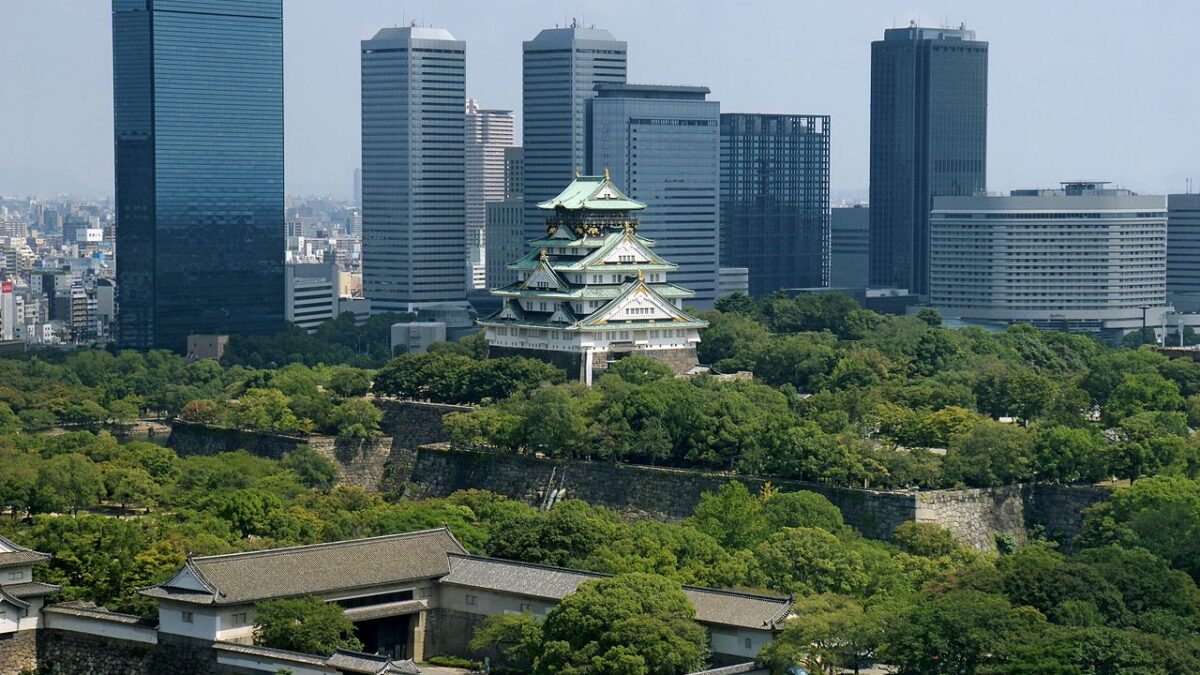
This iconic landmark is a reconstruction of a significant historical site, serving as a symbol of Osaka’s power and resilience through various eras. Its impressive architecture and museum offer deep insights into Japan’s feudal past.
Average ticket price: ¥600 (approximately $4.05).
Best time to visit: Early morning (9:00 AM) on weekdays to avoid the largest crowds. Spring and autumn offer pleasant weather for exploring the grounds.
Insider tip: Purchase tickets online in advance to expedite entry, especially during peak tourist seasons.
Dotonbori
Dotonbori is Osaka’s vibrant entertainment and culinary heart, famous for its dazzling neon signs, iconic Glico Running Man billboard, and a seemingly endless array of street food and restaurants. It embodies the city’s lively spirit.
Average ticket price: Free to walk around. Food costs vary.
Best time to visit: Evening, after sunset, when the neon lights create a spectacular atmosphere.
Insider tip: Explore the smaller side streets branching off the main canal for more authentic and less tourist-oriented dining experiences.
Shitennoji Temple
Established in 593 AD, Shitennoji Temple is one of Japan’s oldest Buddhist temples, representing a significant piece of Japanese religious and architectural history. It offers a tranquil escape from the city’s bustle.
Average ticket price: Free for the temple grounds; ¥300 (approximately $2.03) for the Treasure House and Central Precinct.
Best time to visit: Morning to experience its peaceful ambiance. Avoid major Buddhist holidays if seeking quiet.
Insider tip: Participate in a guided tour if available to gain a deeper understanding of the temple’s history and significance.
Umeda Sky Building
The Umeda Sky Building offers breathtaking 360-degree panoramic views of Osaka from its “Floating Garden Observatory.” It is a striking example of modern architectural design.
Average ticket price: ¥1,500 (approximately $10.13).
Best time to visit: Sunset for spectacular views as the city lights up. Weekday late afternoons are generally less crowded.
Insider tip: Check the weather forecast before your visit; clear skies are essential for optimal viewing.
Kuromon Ichiba Market
Known as “Osaka’s Kitchen,” Kuromon Ichiba Market is a bustling public market where locals and tourists alike can sample fresh seafood, produce, and local delicacies. It’s a sensory immersion into Osaka’s food culture.
Average ticket price: Free to enter; cost varies greatly depending on purchases.
Best time to visit: Mid-morning (10:00 AM – 12:00 PM) when most stalls are open and the freshest products are available.
Insider tip: Be prepared to stand and eat at many stalls; it’s part of the market experience. Try the grilled scallops and fresh oysters.
Sumiyoshi Taisha Shrine
Sumiyoshi Taisha is one of Japan’s oldest Shinto shrines, predating the introduction of Buddhism. Its unique architectural style, known as Sumiyoshi-zukuri, is distinct and influential.
Average ticket price: Free.
Best time to visit: Morning or late afternoon for a more serene experience. Avoid national holidays if possible.
Insider tip: Walk across the iconic Sorihashi Bridge, which offers a picturesque view of the shrine complex.
Where to Eat in Osaka
* Okonomiyaki: This savory pancake, a staple of Osaka cuisine, is prepared with flour, eggs, and shredded cabbage, filled with various ingredients like pork, seafood, or vegetables.
* Price range per meal: $8 – $15
* What to order: Pork and shrimp okonomiyaki.
* Location tip: Head to the Dotonbori or Namba areas for numerous okonomiyaki restaurants, from casual to more formal.
* Takoyaki: Small, ball-shaped snacks made of a wheat flour-based batter and cooked in a special molded pan, typically filled with minced octopus, tempura scraps, pickled ginger, and green onion.
* Price range per meal: $4 – $8 (for a serving of 6-10)
* What to order: Standard takoyaki with toppings.
* Location tip: Street food stalls are ubiquitous, particularly in Dotonbori and near train stations.
* Kushikatsu: Deep-fried skewers of meat, vegetables, and other ingredients, often served with a communal dipping sauce.
* Price range per meal: $10 – $20
* What to order: A variety of skewers, including beef, shrimp, lotus root, and quail eggs.
* Location tip: Shinsekai district is renowned for its kushikatsu establishments.
* Ramen: While not exclusively an Osaka dish, the city boasts excellent ramen shops offering diverse regional styles.
* Price range per meal: $7 – $12
* What to order: Tonkotsu (pork bone broth) or Shoyu (soy sauce-based broth) ramen.
* Location tip: Explore the areas around Umeda and Tennoji for reputable ramen eateries.
3-Day Osaka Itinerary
Day 2
* Morning: Begin at Osaka Castle. Explore the castle grounds and the museum inside to understand its historical significance.
* Afternoon: Visit Kuromon Ichiba Market for lunch, sampling various fresh seafood and local delicacies. Afterwards, explore the vibrant Dotonbori district, taking photos with its iconic signage.
* Evening: Enjoy dinner in Dotonbori, trying local specialties like okonomiyaki or takoyaki. Consider a short river cruise for a different perspective of the illuminated district.
* Estimated Daily Cost: $120 (Budget)
Day 1
* Morning: Immerse yourself in the tranquility of Shitennoji Temple, one of Japan’s oldest Buddhist sites.
* Afternoon: Ascend the Umeda Sky Building for panoramic city views. Afterwards, explore the shopping and dining options in the Umeda district.
* Evening: Experience a kushikatsu dinner in the Shinsekai district, followed by a visit to Tsutenkaku Tower for night views.
* Estimated Daily Cost: $135 (Budget)
Day 3
* Morning: Visit Sumiyoshi Taisha Shrine, a serene Shinto shrine with unique architecture.
* Afternoon: Explore the Shinsekai district further or revisit a favorite spot. Alternatively, consider a trip to Universal Studios Japan if time and budget allow.
* Evening: Enjoy a final Osaka meal, perhaps trying a highly-rated ramen shop. Prepare for departure or explore local nightlife.
* Estimated Daily Cost: $110 (Budget)
Transportation Guide
Getting to Osaka from Kansai International Airport (KIX) is efficient. The Haruka Express train is the fastest option, taking approximately 35 minutes to Tennoji and 50 minutes to Shin-Osaka Station, costing around ¥2,850 (approximately $19.26) one way. Limousine buses are also available and can be more convenient for direct hotel drop-offs.
Osaka’s public transportation system is extensive and reliable, primarily consisting of subway lines and JR trains. A rechargeable IC card (like Icoca) is highly recommended for seamless travel; it can be used on most public transport and at many convenience stores. A 1-day subway pass costs ¥820 (approximately $5.54) and is economical if making multiple journeys within the subway network.
Rideshare services are not widely used or as readily available as in Western cities. Taxis are plentiful but can be expensive, particularly for longer distances. For most tourist activities, sticking to the subway and JR lines will be the most cost-effective and efficient method.
Money-Saving Tips
Pro Tip 1: Utilize convenience stores (konbini) for affordable and high-quality meals. A bento box, onigiri (rice ball), or sandwich typically costs between ¥300-¥700 ($2.03-$4.73), significantly less than restaurant meals, offering substantial savings for daily food expenses.
Pro Tip 2: Purchase a Kansai Thru Pass if planning extensive day trips outside Osaka to cities like Kyoto or Nara. For travel within Osaka, a subway day pass or an IC card is generally more cost-effective than individual tickets.
Pro Tip 3: Many temples and shrines have free grounds accessible to the public. While some inner sanctuaries or museums may charge admission, enjoying the atmosphere and architecture of the exteriors can be done without cost, reducing daily attraction expenses.
Common Travel Mistakes
Mistake 1: Over-reliance on cash. While Japan is becoming more card-friendly, many smaller establishments, local markets like Kuromon Ichiba, and some transport options still prefer or exclusively accept cash. Always carry a reasonable amount of Japanese Yen to avoid inconvenience.
Mistake 2: Not utilizing Osaka’s excellent public transport. Renting a car in Osaka is generally unnecessary and expensive due to parking costs and traffic. The city’s subway and train network is efficient, punctual, and covers all major attractions, making it the most practical way to get around.
Frequently Asked Questions
How much money do you need for 3 days in Osaka?
For a 3-day trip to Osaka, a budget traveler can expect to spend around $306, averaging $102 per day. This covers accommodation, food, local transport, and basic attractions. A mid-range traveler would budget approximately $573 for the same period.
Is Osaka expensive for tourists?
Osaka is generally considered more affordable than Tokyo, especially for food and accommodation. A budget traveler can comfortably manage on $102 per day, while mid-range options are available for around $191 daily. This makes it an accessible destination within Browse Asia travel guides.
What is the best area to stay in Osaka?
For vibrant nightlife and food, Namba is ideal. Umeda offers modern amenities and excellent transport links. Tennoji provides a balance of culture and convenience. Each offers distinct advantages for different traveler types.
Can you visit Osaka without a car?
Yes, Osaka is highly accessible and navigable without a car. Its comprehensive public transportation system, including subways and JR trains, connects all major attractions efficiently and affordably. This is a key advantage compared to cities where a car might be necessary, such as some in Check travel costs in Brussels.
What is the cheapest month to visit Osaka?
The cheapest months to visit Osaka are generally outside of the peak spring (March-May) and autumn (October-November) seasons. July and August can be hot and humid but may offer lower prices, as can the winter months excluding the New Year holiday period.

Kai has visited 60+ countries across 6 continents, with a obsession for one thing most travelers ignore: the real cost of getting there. Former budget backpacker turned data-driven travel writer, Kai breaks down destination costs so you can plan smarter — not just dream bigger. Based everywhere, from nowhere in particular.