First Time in Ohrid? Your Essential Insider’s Guide
Why Visit Ohrid?
Ohrid offers a compelling blend of ancient history, stunning natural beauty, and affordable travel, making it a premier destination in 2026. This Ohrid travel guide highlights its UNESCO World Heritage status, crystal-clear lake, and vibrant cultural scene, all accessible with reasonable daily expenditures. Visitors can explore centuries-old churches, enjoy fresh local cuisine, and immerse themselves in a relaxed Mediterranean atmosphere without significant financial outlay.
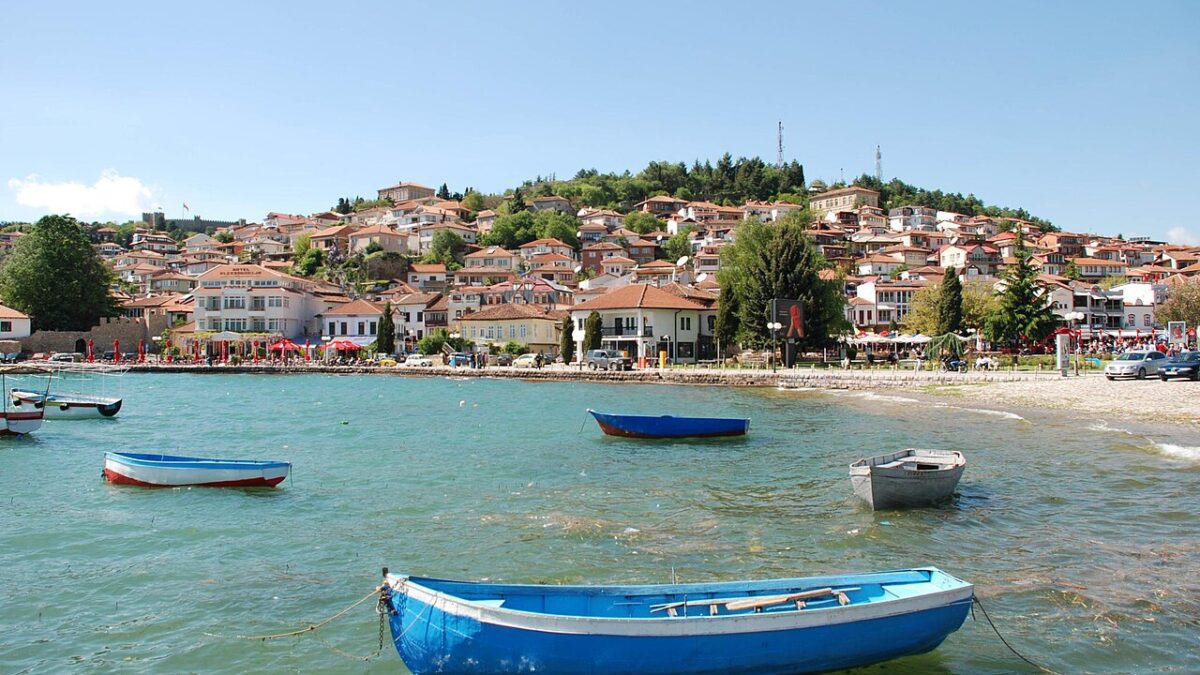
The city’s appeal lies in its remarkably preserved historical core, dominated by the magnificent Lake Ohrid, one of Europe’s oldest and deepest lakes. Its waters, teeming with endemic species, provide a breathtaking backdrop for exploration, from serene boat trips to invigorating swims. Beyond its natural splendor, Ohrid boasts an impressive array of churches and archaeological sites, remnants of its rich past as a spiritual and cultural hub. For those planning a trip to the region, understanding the nuances of visiting Ohrid, from itinerary planning to specific costs, is crucial for maximizing the experience.
Who This Guide Is For
This guide is tailored for independent travelers seeking a comprehensive overview of Ohrid for a 3-5 day trip, focusing on cultural immersion and scenic exploration. It is particularly useful for budget-conscious travelers aiming to spend under $100 per day and those interested in understanding practical aspects like local transport and accommodation choices.
Average Travel Cost in Ohrid
| Category | Budget | Mid-Range | Luxury |
|---|---|---|---|
| Accommodation | $25 | $70 | $150 |
| Food | $20 | $40 | $80 |
| Transport | $5 | $20 | $50 |
| Attractions | $10 | $30 | $70 |
| Misc | $10 | $20 | $40 |
| Daily Total | $70 | $180 | $390 |
Estimated Total Costs:
3 Days: Budget $210 | Mid-Range $540 | Luxury $1170
7 Days: Budget $490 | Mid-Range $1260 | Luxury $2730
Opting for Airbnb-style accommodation can significantly reduce expenses compared to traditional hotels, particularly for longer stays or group travel. For instance, a week-long stay in a private apartment could cost upwards of $200-$350, offering substantial savings over a mid-range hotel averaging $70 per night ($490 for a week). This difference is even more pronounced when comparing budget hotel rates to private room rentals.
Seasonal fluctuations impact travel costs, with peak season (June-August) commanding higher prices for accommodation and some services. Shoulder seasons (April-May and September-October) offer a more balanced price point with pleasant weather, while the off-season (November-March) presents the lowest rates but with a limited range of available activities and services. Tipping culture in Ohrid generally involves a 10% gratuity at restaurants for satisfactory service. The current exchange rate is approximately 1 USD = 57 Macedonian Denars (MKD). For detailed budget planning, consult our travel cost calculator.
Where to Stay in Ohrid
Luxury travelers will find opulent hotels with lake views and premium amenities. The most exclusive options are situated along the main promenade and in the historic Old Town, offering unparalleled access to attractions and fine dining. Expect to pay upwards of $150 per night for a top-tier experience, with services often including private beach access and gourmet restaurants.
Mid-range travelers can find comfortable hotels and well-appointed apartments, many with partial lake views. These options are plentiful in the areas surrounding the Old Town and along the western shoreline, providing a good balance of convenience and price. Rates typically range from $70 to $120 per night. These accommodations are ideal for couples and families seeking convenience without the highest price tag.
Budget travelers can secure affordable guesthouses and hostels, particularly in the newer parts of town or a short walk from the lake. These often provide basic amenities and a more local feel. Prices can range from $25 to $50 per night. This segment is best suited for solo travelers and backpackers prioritizing cost savings.
Old Town (Kanev)
What it is known for: This is the historic heart of Ohrid, a UNESCO World Heritage site characterized by narrow cobblestone streets, ancient churches, and traditional Ottoman-era houses. It offers the most immersive historical experience.
Price range per night: Budget $30-$50, Mid-range $80-$150
Best for: History enthusiasts, culture seekers, and those who enjoy exploring on foot.
Insider tip: Stay in a guesthouse within the Old Town for an authentic experience, but be prepared for uphill walks and potentially limited vehicle access.
Ohrid Waterfront (Promenade Area)
What it is known for: This bustling area features a long promenade lined with cafes, restaurants, shops, and hotels, offering direct access to the lake and its beaches. It’s the center of social activity.
Price range per night: Budget $40-$60, Mid-range $70-$120
Best for: Travelers who enjoy lively atmospheres, easy access to amenities, and lake views.
Insider tip: Book accommodation with a lake view, but be aware that rooms facing the promenade can be noisier during peak season.
Viden (Western Suburb)
What it is known for: A more residential and modern part of Ohrid, located a short distance west of the Old Town. It offers a quieter environment with local shops and more budget-friendly accommodation options.
Price range per night: Budget $25-$45, Mid-range $60-$90
Best for: Budget travelers, families seeking quieter surroundings, and those who don’t mind a short walk to the main attractions.
Insider tip: Utilize local buses or rent bicycles to easily reach the Old Town and waterfront, saving on taxi fares.
Best Things to Do in Ohrid
Saint Sophia Church
What it is and why it matters: One of the most significant medieval churches in North Macedonia, dating back to the 11th century. It is renowned for its well-preserved frescoes and architectural importance, symbolizing Ohrid’s historical religious prominence.
Average ticket price: Free to enter the church; small fee for museum exhibits within the complex.
Best time to visit: Daily from 9:00 AM to 6:00 PM. Visit in the morning to avoid larger tour groups.
Insider tip: Look for the exterior architectural details and the small museum showcasing artifacts from different periods.
Samuel’s Fortress
What it is and why it matters: A formidable fortress perched on a hill overlooking Ohrid, offering panoramic views of the city and the lake. Its strategic location and well-preserved walls speak to its historical significance in defending the region.
Average ticket price: Approximately $2 USD (120 MKD).
Best time to visit: Open daily from 8:00 AM to 7:00 PM (summer hours). Aim for late afternoon for softer light for photography.
Insider tip: Wear comfortable shoes as the climb to the top involves uneven terrain and stairs.
Church of St. John at Kaneo
What it is and why it matters: This iconic Byzantine church, perched on a cliff overlooking Lake Ohrid, is one of North Macedonia’s most photographed landmarks. It represents the spiritual heart of Ohrid and offers breathtaking vistas.
Average ticket price: Free to visit the exterior and grounds.
Best time to visit: Sunrise or sunset for the most dramatic light and fewer crowds.
Insider tip: The path leading to the church can be steep; consider visiting from the water for a different perspective.
Ancient Theatre of Ohrid
What it is and why it matters: A well-preserved ancient Greek theatre dating back to the 2nd century BC, still used for performances today. Its existence highlights Ohrid’s long history of cultural and artistic events.
Average ticket price: Free to explore.
Best time to visit: Accessible anytime during daylight hours. Early morning is best for photography.
Insider tip: Imagine the performances that took place here thousands of years ago while enjoying the view towards the lake.
National Museum of Ohrid
What it is and why it matters: Housed in a beautiful 19th-century building, this museum displays a rich collection of archaeological finds, icons, and ethnographic exhibits that chronicle Ohrid’s history from prehistoric times to the Ottoman era.
Average ticket price: Approximately $3 USD (180 MKD).
Best time to visit: Tuesday-Sunday, 10:00 AM to 5:00 PM.
Insider tip: Focus on the icon collection, which includes masterpieces from Ohrid’s rich Orthodox heritage.
Lake Ohrid Boat Tour
What it is and why it matters: A quintessential Ohrid experience, a boat tour allows you to appreciate the scale and beauty of Lake Ohrid, a UNESCO natural and cultural heritage site, and visit secluded spots.
Average ticket price: Varies by duration and destination, typically starting from $15 USD for a 1-hour shared tour. Private tours are more expensive.
Best time to visit: Spring through autumn, during daylight hours. Mid-morning is ideal for calm waters.
Insider tip: Negotiate prices for shared tours, especially if you are part of a small group, and inquire about stops at less-visited coves.
Where to Eat in Ohrid
Cuisine Type: Traditional Macedonian
Price Range per Meal: $10 – $25 USD
What to Order: Tavče Gravče (baked beans), Ohrid trout (if sustainably sourced), Ajvar (red pepper spread), Shopska salad.
Location Tip: Seek out family-run restaurants in the Old Town for authentic flavors and a cozy atmosphere.
Cuisine Type: Seafood (Lake Ohrid specialties)
Price Range per Meal: $15 – $30 USD
What to Order: Grilled Ohrid perch, Smoked Ohrid trout.
Location Tip: Restaurants along the waterfront offer fresh catches with scenic views, though prices might be slightly higher.
Cuisine Type: International/European Fusion
Price Range per Meal: $20 – $40 USD
What to Order: Varied menus often featuring grilled meats, pasta dishes, and modern takes on local ingredients.
Location Tip: Found in hotels and more contemporary establishments, offering a sophisticated dining experience.
Cuisine Type: Bakeries and Cafes
Price Range per Meal: $3 – $8 USD
What to Order: Burek (savory pastry), Mekici (fried dough), local pastries, coffee.
Location Tip: Numerous small bakeries and cafes are scattered throughout the city, perfect for a quick, affordable bite or breakfast.
3-Day Ohrid Itinerary
Day 1
Morning (9:00 AM – 12:00 PM): Arrive in Ohrid, check into your accommodation. Begin exploration with a walk through the Old Town, visiting the Church of St. Sophia and the Ancient Theatre.
Afternoon (1:00 PM – 5:00 PM): Ascend to Samuel’s Fortress for panoramic views. Afterwards, descend towards the Church of St. John at Kaneo for its iconic setting.
Evening (6:00 PM onwards): Enjoy dinner at a traditional Macedonian restaurant in the Old Town. Afterwards, take a leisurely stroll along the illuminated waterfront.
Estimated Daily Cost: $70 (Budget)
Day 2
Morning (9:00 AM – 12:00 PM): Embark on a boat tour of Lake Ohrid. Visit the Monastery of Saint Naum, known for its peacocks and natural springs.
Afternoon (1:00 PM – 5:00 PM): Explore the grounds of Saint Naum Monastery. Return to Ohrid and visit the National Museum to delve deeper into the region’s history.
Evening (6:00 PM onwards): Experience a seafood dinner at a lakeside restaurant. Consider attending a cultural event if available, such as a concert or festival.
Estimated Daily Cost: $85 (Budget, accounting for boat tour and entrance fees)
Day 3
Morning (9:00 AM – 12:00 PM): Visit the Bay of Bones Museum, a reconstructed prehistoric settlement on stilts in the lake, offering a unique glimpse into ancient life.
Afternoon (1:00 PM – 4:00 PM): Enjoy some free time for souvenir shopping in the Old Town or relax by the lake. Alternatively, explore the smaller churches scattered throughout the city.
Evening (4:00 PM onwards): Depart from Ohrid.
Estimated Daily Cost: $60 (Budget, assuming light activity and meals)
Transportation Guide
Ohrid St. Paul the Apostle Airport (OHD) is the primary gateway. Taxis are available outside the terminal, with a fare to Ohrid town center typically costing around $15-$20 USD. Pre-booking a transfer can sometimes secure better rates.
Public transport within Ohrid primarily consists of local buses. Bus routes connect the main tourist areas with surrounding villages and beaches. A single bus ride usually costs less than $1 USD. Schedules can be infrequent, especially outside peak season.
Rideshare services are not widely established in Ohrid. Taxis are the most common form of on-demand transport. It is advisable to agree on the fare before starting your journey or ensure the meter is used.
Walking is the most practical way to explore the Old Town and its immediate surroundings. For longer distances, consider renting a bicycle, which is a popular and affordable option, costing approximately $5-$10 USD per day. Information on bus schedules can often be obtained from local tourist information centers.
Money-Saving Tips
Pro Tip 1: Purchase a multi-site ticket if available for historical attractions. This bundled approach can offer savings of up to 20% compared to individual entry fees, especially if you plan to visit several UNESCO sites.
Pro Tip 2: Eat at local bakeries (pekara) for breakfast and lunch. A hearty burek or a selection of pastries can cost as little as $3-$5 USD, significantly undercutting restaurant prices.
Pro Tip 3: Utilize public buses for travel to nearby villages like Trpejca or Struga instead of taxis or organized tours. A round trip on the bus might cost under $5 USD, compared to $30-$50 for other options.
Common Travel Mistakes
Mistake 1: Not carrying enough cash. While some establishments accept cards, many smaller shops, guesthouses, and local eateries in Ohrid operate on a cash-only basis. ATMs are available, but it is prudent to have sufficient Macedonian Denars on hand, especially when exploring outside the main tourist zones.
Mistake 2: Overlooking the shoulder seasons. Many travelers focus solely on the summer months, leading to higher prices and larger crowds. Visiting in April-May or September-October provides pleasant weather, fewer tourists, and more competitive pricing for accommodation and activities, offering a more relaxed and cost-effective experience.
Frequently Asked Questions
How much money do you need for 3 days in Ohrid?
For a 3-day trip to Ohrid, a budget traveler can expect to spend approximately $210 USD. This covers basic accommodation, local food, public transport, and entry to key attractions. Mid-range travelers might allocate around $540 USD for a more comfortable experience with better dining and accommodation choices.
Is Ohrid expensive for tourists?
Ohrid is generally considered an affordable destination for tourists, especially when compared to Western European cities. Daily costs can range from $70 USD for budget travelers to $390 USD for luxury experiences, as detailed in our Europe travel guides. This affordability makes it an attractive option for many.
What is the best area to stay in Ohrid?
The Old Town is ideal for those prioritizing historical atmosphere and proximity to ancient sites. The Waterfront area offers convenience and lively ambiance, while Viden provides quieter, more budget-friendly options. The best area depends on individual preferences for atmosphere and budget.
Can you visit Ohrid without a car?
Yes, Ohrid is easily navigable without a car. The Old Town and central areas are best explored on foot. Local buses connect to nearby towns and attractions, and taxis are readily available. For a comprehensive overview of North Macedonia, consider our North Macedonia travel guide.
What is the cheapest month to visit Ohrid?
The cheapest months to visit Ohrid are typically from November through March, excluding the Christmas and New Year period. During this off-season, accommodation and flight prices are at their lowest, though some tourist facilities may have reduced hours or be closed.

Kai has visited 60+ countries across 6 continents, with a obsession for one thing most travelers ignore: the real cost of getting there. Former budget backpacker turned data-driven travel writer, Kai breaks down destination costs so you can plan smarter — not just dream bigger. Based everywhere, from nowhere in particular.