3 Days in Munich: Beer Halls, Marienplatz & Art
Planning a trip to Germany’s captivating Bavarian capital? This comprehensive Munich travel guide provides international visitors with essential insights into navigating the city’s rich history, vibrant culture, and stunning attractions. Discover practical advice on costs, accommodation, dining, and crafting the perfect Munich itinerary, ensuring an unforgettable journey through this enchanting destination.
Why Visit Munich?
Munich, the capital of Bavaria, offers a compelling blend of historical grandeur, technological innovation, and a vibrant cultural scene. Visitors are drawn to its picturesque old town, magnificent palaces, and world-class museums, all set against the backdrop of the majestic Alps.
Beyond its architectural beauty, Munich is renowned for its distinctive Bavarian charm, evident in its traditional beer gardens, lively festivals like Oktoberfest, and hearty culinary traditions. The city seamlessly combines its rich heritage with a modern, dynamic atmosphere, making it an ideal destination for diverse international travelers seeking both cultural immersion and contemporary experiences.
Average Travel Cost in Munich
Understanding the potential Munich travel cost is crucial for planning your trip. Munich generally falls into the mid-range to luxury category for European cities, though budget travel options are certainly available. Prices are estimates for 2026 and can fluctuate based on seasonality, booking in advance, and personal preferences.
| Category | Budget (€) | Mid-Range (€) | Luxury (€) |
|---|---|---|---|
| Hotel (per night) | 70 – 100 | 120 – 200 | 250+ |
| Food (per day) | 30 – 50 | 60 – 100 | 120+ |
| Transport (per day) | 8 – 12 | 10 – 15 | 15 – 25 |
| Attractions (per day) | 15 – 25 | 30 – 60 | 70+ |
| Total (per day) | 123 – 187 | 220 – 375 | 400+ |
These figures represent a per-person daily average. Budget travelers can significantly reduce costs by opting for hostels, cooking some meals, utilizing free attractions, and relying solely on public transportation.
Where to Stay in Munich
Choosing where to stay in Munich significantly impacts your travel experience, with various neighborhoods offering distinct atmospheres and price points. Here are three recommended areas catering to different preferences and budgets:
-
Altstadt-Lehel (Old Town & Central)
This is the historical heart of Munich, ideal for first-time visitors who want to be within walking distance of major attractions like Marienplatz, the Frauenkirche, and the Residenz. It offers a wide range of hotels, from boutique luxury to comfortable mid-range options, though prices tend to be higher due to its prime location.
Price Range: Mid-Range to Luxury (€150 – €400+)
-
Maxvorstadt (Museum Quarter)
Located just north of the city center, Maxvorstadt is Munich’s cultural and academic hub. It’s home to major museums (the Pinakotheken), universities, and a vibrant student population. This area offers a good balance of accessibility, cultural attractions, and a lively, intellectual atmosphere, with a mix of mid-range hotels and some budget-friendly guesthouses.
Price Range: Budget to Mid-Range (€100 – €250)
-
Schwabing (Bohemian & Lively)
Schwabing is known for its bohemian past, tree-lined streets, and vibrant nightlife. It’s slightly further north but well-connected by public transport, offering a more local feel. This district is perfect for those seeking lively bars, independent shops, and proximity to the English Garden. Accommodation here ranges from charming guesthouses to modern hotels, often at a slightly better value than the Altstadt.
Price Range: Budget to Mid-Range (€90 – €220)
Best Things to Do in Munich
Munich boasts an impressive array of attractions, catering to history buffs, art enthusiasts, nature lovers, and beer aficionados alike. Here are some of the best things to do in Munich:
-
Marienplatz & New Town Hall (Neues Rathaus)
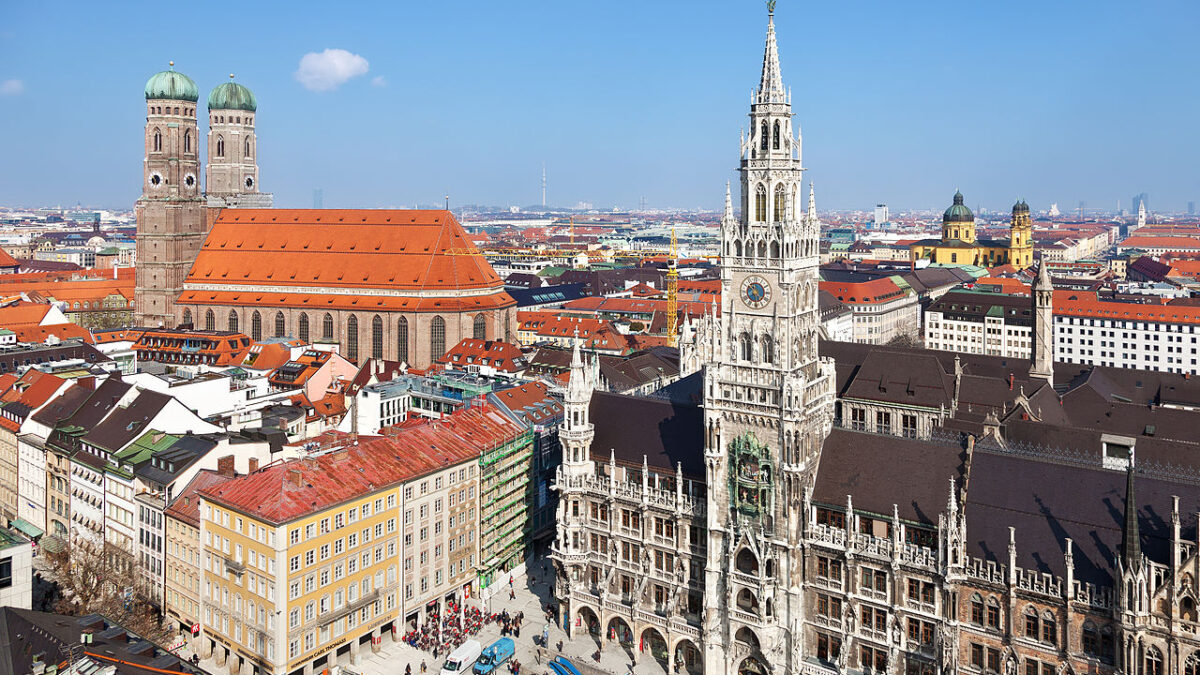
The central square of Munich, Marienplatz, is dominated by the stunning Neo-Gothic New Town Hall. Don’t miss the famous Glockenspiel performance at 11 AM, 12 PM, and 5 PM (March to October), where figurines re-enact historical events.
-
English Garden (Englischer Garten)
One of the world’s largest urban parks, offering vast green spaces, serene streams, and iconic landmarks like the Chinese Tower beer garden and the Eisbach surfing wave. It’s perfect for a stroll, picnic, or simply relaxing.
-
Deutsches Museum
As one of the oldest and largest science and technology museums globally, the Deutsches Museum offers interactive exhibits covering everything from aerospace to mining. Allocate several hours to explore its extensive collections.
-
Nymphenburg Palace (Schloss Nymphenburg)
A magnificent Baroque palace that served as the summer residence of Bavarian rulers. Explore its opulent interiors, grand halls, and expansive gardens, including the charming Amalienburg hunting lodge.
-
Viktualienmarkt
More than just a market, Viktualienmarkt is a vibrant open-air food paradise. Browse stalls selling fresh produce, gourmet cheeses, exotic spices, and traditional Bavarian snacks. It’s an excellent spot for lunch or a quick bite.
-
Hofbräuhaus am Platzl
Experience authentic Bavarian beer culture at this legendary beer hall, dating back to the 16th century. Enjoy traditional food, live Oompah bands, and, of course, steins of Munich’s famous beer.
-
BMW Welt & Museum
For automotive enthusiasts, this complex offers a fascinating look into the history and future of BMW. The BMW Welt showcases current models and futuristic concepts, while the museum delves into the brand’s heritage.
-
Pinakotheken (Art Museums)
Munich’s art district, Maxvorstadt, houses three major art galleries: the Alte Pinakothek (Old Masters), Neue Pinakothek (19th and early 20th century), and Pinakothek der Moderne (modern and contemporary art, design, architecture). Each offers a distinct artistic journey.
-
Olympiapark
Built for the 1972 Summer Olympics, this expansive park features stunning architecture, beautiful landscapes, and panoramic views from the Olympic Tower. It’s a great place for recreation, concerts, and events.
Where to Eat in Munich
Munich’s culinary scene is a delightful blend of traditional Bavarian fare and international cuisine. From bustling beer halls to Michelin-starred restaurants, there’s something for every palate. Exploring the best restaurants in Munich is an essential part of the travel experience.
-
Hofbräuhaus am Platzl
A quintessential Munich experience, this historic beer hall serves up generous portions of traditional Bavarian dishes like Schweinshaxe (pork knuckle) and Weisswurst, alongside its famous beer. The lively atmosphere is as much an attraction as the food.
-
Viktualienmarkt Stalls
For a more casual and diverse dining experience, explore the myriad food stalls at Viktualienmarkt. You can sample everything from fresh pretzels and sausages to international delicacies, making it perfect for an affordable and varied lunch.
-
Augustiner Keller
One of Munich’s oldest and most beloved beer gardens, Augustiner Keller offers a charming setting under chestnut trees. Enjoy classic Bavarian dishes like Obatzda (cheese spread) and hearty roasts paired with refreshing Augustiner beer.
-
Schmalznudel – Café Frischhut
A must-visit for breakfast or an afternoon treat, this traditional café near Viktualienmarkt specializes in “Schmalznudeln,” a light, fried pastry similar to a doughnut, served fresh and warm. It’s a local favorite.
-
Donisl
Located directly on Marienplatz, Donisl is one of Munich’s oldest inns, offering a refined yet traditional Bavarian dining experience. Expect classic dishes prepared with high-quality local ingredients in an elegant setting.
-
Tantris
For a truly exceptional fine dining experience, Tantris is a two-Michelin-starred restaurant offering modern European cuisine. This iconic establishment provides an unforgettable gastronomic journey for those seeking luxury dining.
3-Day Munich Itinerary
This Munich itinerary is designed to give you a comprehensive overview of the city’s highlights, balancing history, culture, and leisure. Adjustments can be made based on your interests and pace.
Day 1: Historic Heart & Bavarian Charm
-
Morning (9:00 AM – 1:00 PM): Old Town Exploration
Begin your day at Marienplatz, the city’s central square. Witness the famous Glockenspiel show at the New Town Hall. Explore the surrounding streets, visit the iconic Frauenkirche (Cathedral of Our Lady), and climb its towers for panoramic city views.
-
Lunch (1:00 PM – 2:30 PM): Viktualienmarkt Delights
Head to Viktualienmarkt for a vibrant culinary experience. Sample local cheeses, sausages, and fresh produce from various stalls, or enjoy a traditional Bavarian snack.
-
Afternoon (2:30 PM – 6:00 PM): Royal Residenz & Beer Culture
Visit the Munich Residenz, the former royal palace of the Bavarian monarchs. Explore its opulent rooms, courtyards, and the Treasury. Afterwards, immerse yourself in Bavarian beer culture at the legendary Hofbräuhaus am Platzl for a refreshing beer.
-
Evening (7:00 PM onwards): Traditional Bavarian Dinner
Enjoy a hearty Bavarian dinner at a traditional restaurant like Donisl or Augustiner am Dom, savoring local specialties such as Schnitzel or Weisswurst.
Day 2: Culture, Nature & Modernity
-
Morning (9:30 AM – 1:00 PM): English Garden Serenity
Start your day with a leisurely stroll or bike ride through the expansive English Garden. Watch surfers at the Eisbach Wave, relax by the Monopteros temple, and visit the Chinese Tower beer garden.
-
Lunch (1:00 PM – 2:30 PM): Beer Garden Lunch
Enjoy a casual lunch at the Chinese Tower beer garden within the English Garden, sampling local snacks and a cool drink.
-
Afternoon (2:30 PM – 6:00 PM): Museum Immersion
Choose your cultural adventure: explore the vast collections of science and technology at the Deutsches Museum, or delve into art at one of the Pinakotheken (Alte, Neue, or der Moderne) in Maxvorstadt.
-
Evening (7:00 PM onwards): Maxvorstadt Exploration
Dine in the vibrant Maxvorstadt district, offering a range of international and modern Bavarian restaurants. Afterwards, enjoy a drink at one of the area’s stylish bars.
Day 3: Royal Splendor & Automotive Excellence
-
Morning (9:30 AM – 1:00 PM): Nymphenburg Palace Grandeur
Journey to the western outskirts of the city to explore Nymphenburg Palace, the stunning former summer residence of Bavarian royalty. Tour its magnificent interiors and stroll through the expansive Baroque gardens.
-
Lunch (1:00 PM – 2:30 PM): Palace District or City Bound
Have lunch at a café near Nymphenburg Palace or head back towards the city center for more options.
-
Afternoon (2:30 PM – 6:00 PM): BMW World or Olympic Park
For car enthusiasts, visit BMW Welt & Museum to discover the brand’s history and future innovations. Alternatively, explore the architectural marvels and recreational spaces of the Olympiapark, site of the 1972 Olympic Games.
-
Evening (7:00 PM onwards): Farewell Dinner & Schwabing Nightlife
Enjoy a farewell dinner in the lively Schwabing district, known for its diverse restaurants and trendy bars. Consider catching a performance or enjoying a final Bavarian beer.
Transportation Guide
Munich boasts an excellent, efficient, and integrated public transportation system, making it easy to navigate the city without a car. The Münchner Verkehrs- und Tarifverbund (MVV) operates the U-Bahn (subway), S-Bahn (suburban trains), trams, and buses.
-
Tickets: Purchase tickets at vending machines found at all U-Bahn and S-Bahn stations, as well as at some tram and bus stops. Options include single tickets, day tickets (for 1 or 3 days), weekly tickets, and group tickets (up to 5 people). Consider a CityTourCard or Munich City Pass for unlimited travel and discounts on attractions.
-
Zones: Munich’s public transport system is divided into zones. Most central attractions are within Zone M. If traveling further out, such as to Nymphenburg Palace or the airport, you’ll need a ticket covering more zones.
-
From the Airport (MUC): The S-Bahn lines S1 and S8 connect Munich Airport to the city center, taking approximately 40-45 minutes. A single ticket for the entire route (Zone M-5) is required, or it’s covered by a CityTourCard that includes the airport transfer.
-
Walking: The city center, particularly the Altstadt, is highly walkable. Many major sights are within close proximity, allowing you to save on transport costs and experience the city’s atmosphere firsthand.
Money-Saving Tips
While Munich can be perceived as an expensive city, strategic planning can significantly reduce your Munich travel cost. Here are some effective money-saving tips for your trip:
-
Utilize Public Transport: Invest in a day ticket (Tageskarte) or a group day ticket if traveling with companions. This is more cost-effective than buying single tickets for multiple journeys.
-
Embrace Free Attractions: Enjoy the vastness of the English Garden, explore Marienplatz, visit the Frauenkirche (entry is free, tower climb extra), and wander through the Viktualienmarkt without spending a euro.
-
Eat Smart: Lunch menus are often cheaper than dinner. Grab affordable and delicious meals from the Viktualienmarkt stalls or supermarkets. Consider picnics in the English Garden. Tap water is safe to drink, so carry a reusable bottle.
-
Consider a City Pass: If you plan to visit multiple museums and attractions, the Munich City Pass or CityTourCard can offer significant savings on entry fees and include unlimited public transport.
-
Walk Whenever Possible: The Altstadt is very compact. Walking between sights not only saves money but also allows you to discover hidden gems and soak in the city’s atmosphere.
-
Visit Museums on Sundays: Many state museums, including the Pinakotheken and the Brandhorst Museum, offer entry for just €1 on Sundays, providing excellent value for art lovers.
-
Look for Budget Accommodation: Consider staying in neighborhoods like Maxvorstadt or Schwabing, which often offer better value than the immediate city center. Hostels and guesthouses are also excellent options for budget travelers.
Frequently Asked Questions
Is Munich expensive for tourists?
Munich can be considered a mid-to-high-range European city in terms of cost. Accommodation and dining, especially in the city center, can be pricey. However, with careful planning, utilizing public transport, enjoying free attractions, and opting for budget-friendly dining, it’s possible to manage expenses effectively. Refer to our average travel cost table for detailed estimates.
What is the best time to visit Munich?
The best time to visit Munich largely depends on your interests. May to September offers pleasant weather, ideal for exploring parks and beer gardens, though it’s also peak tourist season. September and early October are famous for Oktoberfest. For fewer crowds and potentially lower prices, consider the shoulder seasons of April/May or late September/October. Winter brings charming Christmas markets and opportunities for skiing nearby.
Is public transport easy to use in Munich?
Yes, Munich’s public transportation system (MVV) is highly efficient, extensive, and easy to navigate. It integrates U-Bahn, S-Bahn, trams, and buses. Stations are well-signed, and maps are readily available. Purchasing a day ticket or a CityTourCard simplifies travel, allowing seamless exploration of the city.
Do I need to speak German in Munich?
While knowing a few basic German phrases is always appreciated, it is not strictly necessary to speak German in Munich. English is widely spoken in tourist areas, hotels, restaurants, and shops. Most signs and public transport announcements also include English translations, making it comfortable for international travelers.
What are some must-try Bavarian foods?
When in Munich, you must try traditional Bavarian dishes. Essential culinary experiences include Weisswurst (white sausage, typically eaten for breakfast), Schweinshaxe (crispy pork knuckle), Leberkäse (meatloaf-like dish), and Obatzda (a creamy cheese spread). Pair these with a local Bavarian beer and finish with a Schmalznudel pastry for a true taste of Munich.

Kai has visited 60+ countries across 6 continents, with a obsession for one thing most travelers ignore: the real cost of getting there. Former budget backpacker turned data-driven travel writer, Kai breaks down destination costs so you can plan smarter — not just dream bigger. Based everywhere, from nowhere in particular.