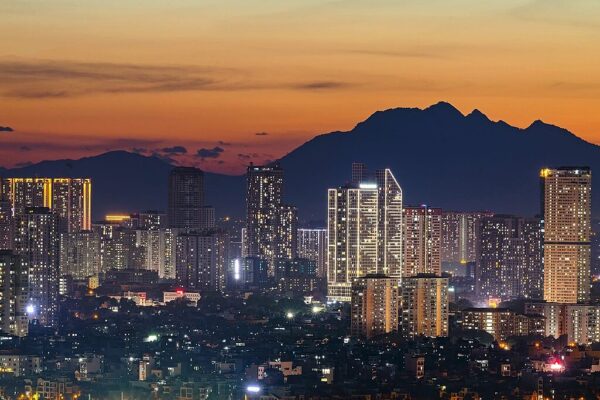
Mumbai: A Symphony of Chaos & Charm
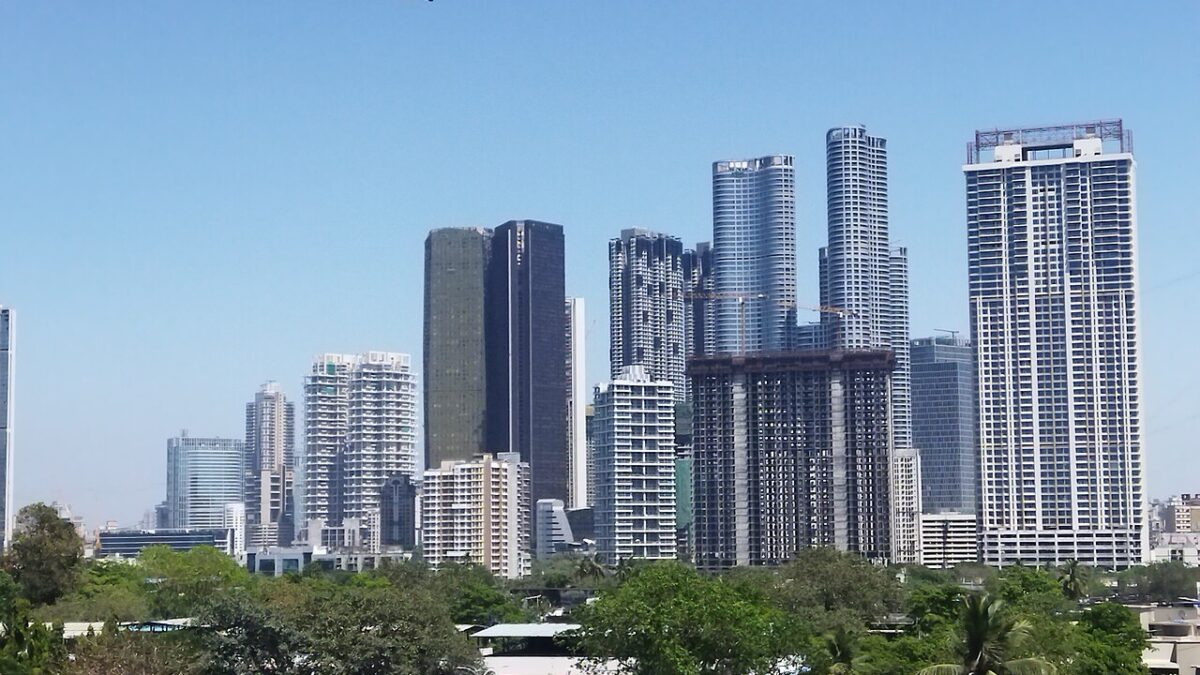
Why Visit Mumbai?
Visiting Mumbai offers a dynamic immersion into India’s commercial and entertainment heart, with diverse experiences from historic architecture to bustling street markets. This Mumbai travel guide highlights opportunities for culinary exploration, significant cultural sites, and understanding the city’s rapid development, all within a manageable budget. Experiencing the city’s unique blend of tradition and modernity provides a profound glimpse into contemporary India, making it an essential destination.
The city’s energy is infectious, fueled by its status as the financial capital and the epicenter of Bollywood. Visitors can expect a sensory overload, from the aromatic street food stalls to the grand colonial-era buildings. Understanding the logistical nuances and budget considerations, as detailed in this guide, is key to unlocking Mumbai’s multifaceted appeal, whether you’re planning a short trip or an extended stay. For a broader perspective on the subcontinent, consider our complete India travel guide.
Who This Guide Is For
This guide is tailored for first-time visitors planning a 3-5 day trip to Mumbai, seeking practical advice on budgeting, accommodation, and essential experiences. It is also beneficial for travelers interested in exploring the city’s diverse culinary landscape and understanding its cultural significance without a large expenditure. Families with older children or couples looking for a mix of iconic sights and local immersion will find valuable information here.
Average Travel Cost in Mumbai
The following table outlines the estimated daily expenditure for different travel styles in Mumbai, based on current market data. Exchange rate: 1 USD = 83 INR (₹).
| Category | Budget | Mid-Range | Luxury |
|---|---|---|---|
| Accommodation | $20 | $70 | $200 |
| Food | $15 | $40 | $100 |
| Transport | $5 | $25 | $70 |
| Attractions | $10 | $50 | $150 |
| Misc | $10 | $30 | $80 |
| Daily Total | $60 | $215 | $600 |
Estimated total costs for common trip durations:
* 3-Day Trip:
* Budget: $180
* Mid-Range: $645
* Luxury: $1800
* 7-Day Trip:
* Budget: $420
* Mid-Range: $1505
* Luxury: $4200
For a more precise estimation, utilize our travel cost calculator.
Accommodation costs can vary significantly between hotels and Airbnb-style rentals. While hotels offer predictable service and amenities, private rentals can provide more space and a local feel, often at a lower per-night rate for longer stays, potentially saving 15-25% on accommodation for a week-long visit.
Seasonal price fluctuations are noticeable. The peak season, from October to March, sees higher rates due to pleasant weather and fewer monsoons. Shoulder seasons (late September, early April) offer a balance of reasonable prices and good weather, while the off-season (June-August) during the monsoon period presents the lowest costs but with the caveat of frequent rainfall.
Where to Stay in Mumbai
Colaba
This historic southern district is known for its colonial-era architecture, vibrant markets, and proximity to major attractions like the Gateway of India and the Taj Mahal Palace Hotel.
* Price Range: Budget ($25-$40/night), Mid-Range ($70-$120/night)
* Best For: First-time visitors, history buffs, shoppers.
* Insider Tip: Explore the smaller lanes away from the main tourist drag for more authentic local eateries and artisan shops.
Bandra
Renowned for its trendy cafes, boutiques, and a lively street art scene, Bandra offers a more bohemian and contemporary Mumbai experience. It’s a popular residential area with a relaxed vibe.
* Price Range: Budget ($20-$35/night), Mid-Range ($60-$100/night)
* Best For: Younger travelers, foodies, those seeking a local, hip atmosphere.
* Insider Tip: Visit Bandstand Promenade in the early morning or late afternoon to avoid crowds and enjoy sea views.
Fort
The central business district, Fort, is characterized by its grand Victorian Gothic architecture, including the Chhatrapati Shivaji Maharaj Terminus (CSMNT) and the Bombay High Court. It’s a hub of activity during weekdays.
* Price Range: Budget ($25-$40/night), Mid-Range ($70-$110/night)
* Best For: Business travelers, architecture enthusiasts, those prioritizing central access.
* Insider Tip: Take a guided heritage walk through Fort to appreciate the intricate details of the buildings and learn about their history.
Best Things to Do in Mumbai
Gateway of India
This iconic arch-monument, built in 1924, commemorates the visit of King George V and Queen Mary. It serves as a symbol of Mumbai and a popular ferry point.
* Average Ticket Price: Free to enter. Ferry rides to Elephanta Caves have a separate charge.
* Best Time to Visit: Early morning (7:00 AM – 9:00 AM) or late afternoon (4:00 PM – 6:00 PM) to avoid peak crowds and enjoy cooler temperatures.
* Insider Tip: Be aware of touts offering boat rides; negotiate prices clearly or book through official counters.
Chhatrapati Shivaji Maharaj Vastu Sangrahalaya (CSMVS)
Formerly the Prince of Wales Museum, this institution houses an extensive collection of Indian art, archaeology, and natural history, offering a deep dive into the subcontinent’s heritage.
* Average Ticket Price: Approximately ₹700 for foreigners, ₹100 for Indian nationals.
* Best Time to Visit: Weekdays, ideally in the morning (10:00 AM – 12:00 PM) to explore before the afternoon rush.
* Insider Tip: Allocate at least 3-4 hours to fully appreciate the diverse exhibits; consider focusing on specific galleries if time is limited.
Marine Drive
A 3.6-kilometer-long, C-shaped boulevard along the coast, Marine Drive is a popular spot for evening strolls, offering panoramic views of the Arabian Sea and the city skyline.
* Average Ticket Price: Free.
* Best Time to Visit: Sunset and in the evening when the “Queen’s Necklace” lights up. Avoid midday heat.
* Insider Tip: Enjoy local snacks from the vendors along the promenade, but ensure good hygiene practices.
Dharavi Slum Tour
This guided tour offers a unique perspective on one of Asia’s largest slums, showcasing its vibrant small-scale industries, community spirit, and entrepreneurial resilience.
* Average Ticket Price: Approximately $15-$25 per person.
* Best Time to Visit: Morning tours (9:00 AM – 12:00 PM) are recommended to observe industrial activities.
* Insider Tip: Choose a reputable tour operator that emphasizes responsible tourism and community engagement, ensuring respect for residents.
Haji Ali Dargah
A mosque and tomb situated on an islet off the coast of Worli, accessible via a narrow causeway that is submerged during high tide, making it a unique pilgrimage site.
* Average Ticket Price: Free (donations welcome).
* Best Time to Visit: Check tide timings; visit during low tide for easy access. Avoid Fridays, which are very crowded.
* Insider Tip: Dress modestly, covering shoulders and knees, and remove shoes before entering the premises.
Bandra-Worli Sea Link
An engineering marvel, this cable-stayed bridge spans the Mahim Bay, connecting the western suburbs of Bandra to the southern part of Mumbai, offering stunning city views.
* Average Ticket Price: Toll fee applies for vehicles (approximately ₹100-₹150 one way). Pedestrians and cyclists are not permitted.
* Best Time to Visit: Late afternoon or early evening for sunset views and to see the city lights.
* Insider Tip: The best views are from the bridge itself or from specific viewpoints in Bandra or Worli. Consider a taxi or auto-rickshaw for a scenic ride.
Where to Eat in Mumbai
Street Food in South Mumbai
* Cuisine Type: Indian street food
* Price Range: $2-$5 per meal
* What to Order: Vada Pav (potato fritter sandwich), Pav Bhaji (spiced vegetable mash with bread), Pani Puri (hollow crisps filled with spiced water).
* Location Tip: Areas around Churchgate, Fort, and Juhu Beach are renowned for their diverse street food vendors.
Thali Restaurants
* Cuisine Type: Regional Indian (Gujarati, Rajasthani, Maharashtrian)
* Price Range: $5-$15 per meal
* What to Order: A fixed-price platter with multiple small dishes, offering a sampling of various flavors and textures.
* Location Tip: Look for restaurants in areas like Dadar or Borivali that specialize in traditional thalis for an authentic experience.
Irani Cafes
* Cuisine Type: Parsi-influenced Indian and Continental
* Price Range: $4-$10 per meal
* What to Order: Bun Maska (sweet bun with butter) with Irani chai (tea), Berry Pulao, Keema Pav.
* Location Tip: Iconic cafes like Britannia & Co. or Kyani & Co. in Fort offer a nostalgic dining experience.
Seafood Restaurants
* Cuisine Type: Coastal Indian
* Price Range: $15-$30 per meal
* What to Order: Pomfret Fry, Surmai Curry, Prawns Koliwada.
* Location Tip: Restaurants along the coast in areas like Worli or Bandra, or specialized seafood eateries in Colaba, provide fresh catches.
3-Day Mumbai Itinerary
Day 1: Colonial Charm and Coastal Breezes
* Morning: Begin at the Gateway of India, followed by a ferry trip to Elephanta Caves (UNESCO World Heritage Site). Explore the ancient rock-cut temples.
* Afternoon: Return to the mainland and visit the Chhatrapati Shivaji Maharaj Vastu Sangrahalaya (CSMVS) for a dose of art and history.
* Evening: Stroll along Marine Drive as the sun sets, enjoying the vibrant atmosphere and street snacks.
* Estimated Daily Cost: $75 (Budget), $250 (Mid-Range), $650 (Luxury)
Day 2: Culture, Commerce, and Contrasts
* Morning: Experience a guided tour of Dharavi to understand its industrial and community dynamics.
* Afternoon: Explore the bustling markets of Colaba Causeway for souvenirs and local crafts. Visit the historic Flora Fountain.
* Evening: Immerse yourself in the nightlife of Bandra, exploring its trendy cafes and restaurants.
* Estimated Daily Cost: $70 (Budget), $230 (Mid-Range), $620 (Luxury)
Day 3: Spirituality and Skyline Views
* Morning: Visit the Haji Ali Dargah, timing your visit with low tide.
* Afternoon: Explore the religious diversity of Mumbai by visiting the Siddhivinayak Temple and the Mount Mary Church in Bandra.
* Evening: Enjoy a final panoramic view of the city from the Bandra-Worli Sea Link, perhaps with a farewell dinner in Bandra.
* Estimated Daily Cost: $65 (Budget), $220 (Mid-Range), $600 (Luxury)
Transportation Guide
Mumbai is well-connected and navigable without a private car.
* Airport to City: Chhatrapati Shivaji Maharaj International Airport (BOM) is served by prepaid taxis, app-based cabs (Uber, Ola), and bus services. Taxi fares to South Mumbai typically range from $10-$20, while app-based cabs may be slightly cheaper.
* Public Transit:
* Local Trains: The Mumbai Suburban Railway is the city’s lifeline, connecting most parts. It’s extremely crowded, especially during peak hours. A single ticket costs less than $0.50.
* Buses: BEST buses cover extensive routes across the city. A single journey costs $0.20-$1.00.
* Monorail & Metro: These are expanding and offer more comfortable, albeit more limited, routes.
* Rideshare: Uber and Ola are widely available and a convenient option for many journeys, especially for tourists. Fares are competitive, with short rides costing $2-$5.
* Taxis & Auto-Rickshaws: Black and yellow taxis are ubiquitous. Auto-rickshaws are common in the suburbs. Always insist on the meter or agree on a fare beforehand. Short rides cost $1-$3.
* Practical Tips: Purchase a rechargeable travel card for easy access to trains and buses. Avoid peak train hours if possible. Use rideshare apps for predictable pricing and convenience.
Money-Saving Tips
Pro Tip 1: Opt for local trains and buses for inter-neighborhood travel. A daily commute using public transport can cost as little as $2-$5, significantly reducing transportation expenses compared to taxis or rideshares, which can easily accumulate to $20-$30 daily.
Pro Tip 2: Embrace street food and local eateries (dhabas) for meals. While fine dining can be expensive, enjoying delicious and authentic dishes like Vada Pav or Pav Bhaji from reputable vendors or modest restaurants can keep food costs under $15 per day.
Pro Tip 3: Visit free attractions such as Marine Drive, Gateway of India (exterior), and explore local markets. Limit paid entries to one or two key sites per day, such as CSMVS or Elephanta Caves, keeping daily attraction costs around $10-$20.
Common Travel Mistakes
Mistake 1: Underestimating Mumbai’s size and travel times. The city is vast, and traffic can be unpredictable. Tourists often try to cram too many activities into a single day, leading to exhaustion and missed opportunities. Plan realistic itineraries with buffer time for transit.
Mistake 2: Not being prepared for the sensory experience. Mumbai is a city of intense sights, sounds, and smells. Tourists can be overwhelmed if they haven’t mentally prepared or if they are overly hesitant to engage with the local environment, such as trying street food or navigating crowded markets.
Frequently Asked Questions
How much money do you need for 3 days in Mumbai?
For a 3-day trip, a budget traveler can expect to spend approximately $180, focusing on hostels, local eateries, and public transport. A mid-range traveler might allocate around $645 for more comfortable accommodation, varied dining, and private transport. Luxury travelers should budget approximately $1800 for high-end hotels, fine dining, and private tours.
Is Mumbai expensive for tourists?
Mumbai can be as expensive or as affordable as you make it. While luxury hotels and fine dining can rival costs in major Western cities, budget options are plentiful. With careful planning and by utilizing local transport and eateries, a trip can be very cost-effective, comparable to or even cheaper than many Southeast Asian destinations like Phuket.
What is the best area to stay in Mumbai?
For first-time visitors, Colaba offers proximity to key attractions and a historic ambiance. Bandra is ideal for those seeking a trendier, more local vibe with excellent dining and nightlife. Fort is best for business travelers or those interested in colonial architecture and central access.
Can you visit Mumbai without a car?
Absolutely. Mumbai has an extensive and efficient public transportation system, including local trains, buses, and an expanding metro network. Rideshare apps and taxis are also readily available, making it entirely feasible and often preferable to navigate the city without a personal vehicle. For those planning trips to other major cities in Asia, exploring our Asia travel guides can provide valuable insights.
What is the cheapest month to visit Mumbai?
The cheapest months to visit Mumbai are typically during the monsoon season, from June to August. Accommodation and flight prices tend to be lower during this period due to reduced tourist demand, although visitors should be prepared for heavy rainfall and humidity.

Kai has visited 60+ countries across 6 continents, with a obsession for one thing most travelers ignore: the real cost of getting there. Former budget backpacker turned data-driven travel writer, Kai breaks down destination costs so you can plan smarter — not just dream bigger. Based everywhere, from nowhere in particular.