Milan: Where Fashion’s Pulse Beats Strong
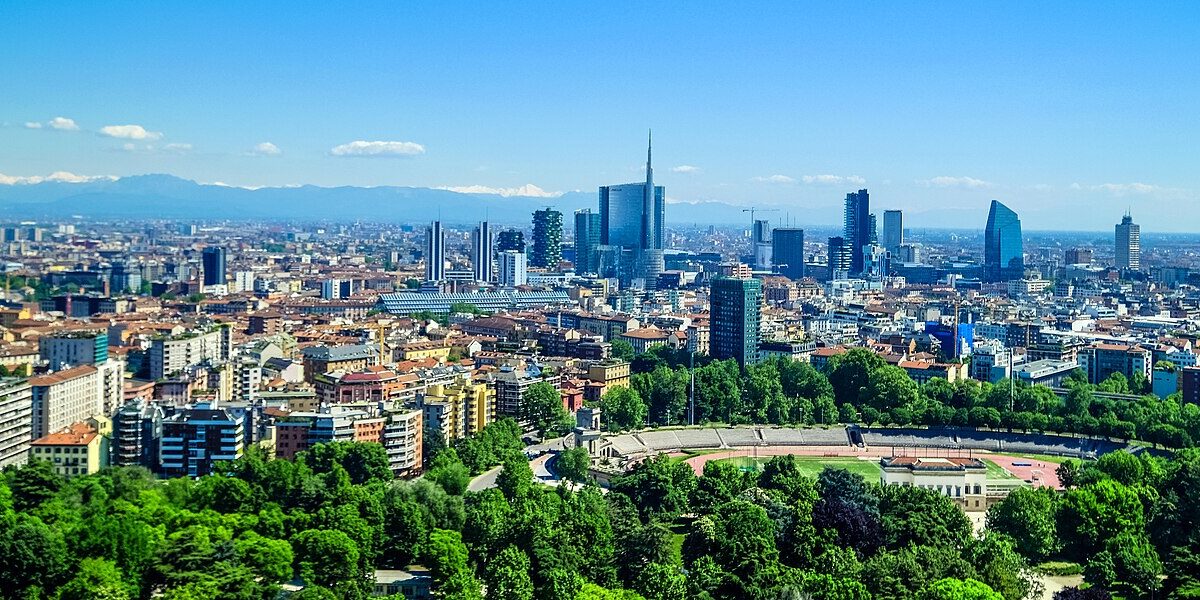
Welcome to our comprehensive Milan travel guide, your essential resource for exploring Italy’s dynamic capital of fashion, design, and finance. This guide offers expert insights into navigating Milan’s rich history, iconic landmarks, and vibrant contemporary culture. Discover everything from budgeting your trip to finding the best places to stay, eat, and experience the unparalleled charm of this Lombardy metropolis.
Why Visit Milan?
Milan, often overshadowed by Rome or Florence, offers a distinctive Italian experience, blending historical grandeur with cutting-edge modernity. It is globally recognized as a powerhouse in fashion and design, hosting prestigious events like Milan Fashion Week and Salone del Mobile. Beyond its stylish facade, Milan boasts an incredible artistic heritage, home to masterpieces such as Leonardo da Vinci’s The Last Supper.
The city serves as a hub for art, culture, and innovation, making it an exciting destination for diverse travelers. Visitors can explore magnificent architecture, indulge in world-class shopping, and savor exquisite Milanese cuisine. Its strategic location also makes it an ideal base for day trips to the Italian Lakes or charming Lombardy towns.
Average Travel Cost in Milan
Understanding the average travel cost in Milan is crucial for planning your trip, whether you’re a budget-conscious backpacker or seeking a luxurious escape. Prices can fluctuate based on the season, your chosen accommodation, dining preferences, and activities. Below is an estimated daily cost comparison for 2026, helping you budget effectively for your Milan adventure.
| Category | Budget (€) | Mid-Range (€) | Luxury (€) |
|---|---|---|---|
| Hotel | 60 – 100 | 120 – 250 | 300+ |
| Food | 30 – 45 | 60 – 100 | 150+ |
| Transport | 7 – 10 | 7 – 10 | 15 – 25 |
| Attractions | 15 – 25 | 30 – 60 | 50 – 100+ |
| Total Daily Cost | 112 – 180 | 217 – 420 | 515 – 700+ |
Where to Stay in Milan
Choosing where to stay in Milan significantly impacts your experience, with diverse neighborhoods offering different vibes and price points. Here are three recommended areas, catering to various travel styles and budgets, to help you find the perfect base for your Milan travel guide adventure.
-
Duomo / Centro Storico (City Center): This is the heart of Milan, perfect for first-time visitors who want to be amidst the action. You’ll find iconic landmarks like the Duomo and Galleria Vittorio Emanuele II right on your doorstep. It offers excellent access to public transport and a wide range of dining and shopping options. Expect higher prices due to its prime location.
Price Range: Mid-range to Luxury (€180 – €500+ per night for a double room).
-
Brera: Known as the artistic district, Brera offers a charming, bohemian atmosphere with cobblestone streets, art galleries, and boutique shops. It’s quieter than the city center but still centrally located and within walking distance of major attractions. Brera is ideal for those seeking a romantic or culturally immersive stay with a vibrant evening scene.
Price Range: Mid-range to Luxury (€150 – €400+ per night for a double room).
-
Navigli: Famous for its picturesque canals and lively nightlife, Navigli is a fantastic choice for younger travelers and those looking for a more vibrant, authentic Milanese experience. It’s a bit further from the main tourist attractions but well-connected by tram and metro. The area is renowned for its aperitivo culture and charming restaurants, offering more budget-friendly options.
Price Range: Budget to Mid-range (€90 – €250 per night for a double room).
Best Things to Do in Milan
Milan offers an impressive array of attractions, blending historical significance with contemporary allure. From ancient cathedrals to modern art spaces, these are the best things to do in Milan, ensuring a memorable trip.
-
Duomo di Milano: The magnificent Milan Cathedral is the city’s undisputed icon. Dedicate time to explore its interior, ascend to the rooftop for breathtaking city views, and marvel at its intricate Gothic architecture.
-
Galleria Vittorio Emanuele II: Italy’s oldest active shopping mall is a stunning architectural masterpiece. Walk through its glass-vaulted arcades, admire the luxury boutiques, and perhaps enjoy a coffee at one of its historic cafes.
-
Teatro alla Scala: One of the world’s most famous opera houses, La Scala offers guided tours of its museum, allowing visitors to glimpse its opulent interior and learn about its legendary history. Booking tickets for a performance is an unforgettable experience.
-
Santa Maria delle Grazie (The Last Supper): Home to Leonardo da Vinci’s iconic mural, The Last Supper, this UNESCO World Heritage site requires advance booking, often months ahead. The experience is brief but profoundly moving.
-
Sforza Castle (Castello Sforzesco): This vast medieval fortress houses several museums and art collections, including Michelangelo’s unfinished Rondanini Pietà. Its courtyards are free to explore, offering a peaceful escape.
-
Brera Art Gallery (Pinacoteca di Brera): Located in the charming Brera district, this gallery boasts an impressive collection of Italian Renaissance art, featuring masterpieces by Raphael, Caravaggio, and Bellini.
-
Navigli District: Explore the picturesque Navigli canals, especially in the late afternoon for the famous Milanese aperitivo. The area comes alive in the evenings with bars, restaurants, and a vibrant atmosphere.
-
Quadrilatero della Moda: For fashion enthusiasts, a stroll through the “Fashion Quadrangle” (Via Montenapoleone, Via della Spiga, Via Sant’Andrea, and Via Manzoni) is a must. Here you’ll find flagship stores of the world’s most prestigious designers.
-
Fondazione Prada: This contemporary art and culture institution showcases a diverse range of exhibitions within a striking complex of renovated industrial buildings and new structures. It’s a fascinating visit for art lovers.
Where to Eat in Milan
Milan’s culinary scene is a delightful blend of traditional Lombard flavors and innovative modern cuisine. From classic trattorias to trendy eateries, here are some of the best restaurants in Milan and essential food experiences you shouldn’t miss.
-
Risotto alla Milanese: This creamy, saffron-infused rice dish is a quintessential Milanese specialty. Look for it in traditional trattorias such as Trattoria Milanese or Ristorante Giacomo Arengario for an authentic taste.
-
Cotoletta alla Milanese: A breaded veal cutlet, often served bone-in, is another iconic dish. Try it at a classic restaurant like El Brellin in the Navigli district, known for its traditional Milanese fare in a charming setting.
-
Aperitivo in Navigli: Experience the Milanese tradition of aperitivo, where you pay for a drink and get access to a complimentary buffet of snacks. Head to the Navigli district, particularly along Alzaia Naviglio Grande, and try Rita & Cocktails or Mag Cafè for quality drinks and generous spreads.
-
Panettone: While traditionally a Christmas cake, you can often find variations or high-quality artisanal panettone throughout the year. Visit historical bakeries like Pasticceria Marchesi 1824 (now part of Prada Group) for an exquisite experience.
-
Pizza at Pizzeria Spontini: For a quick, affordable, and authentic Milanese pizza experience, visit Pizzeria Spontini. They serve thick-crust, pan-baked pizza by the slice, perfect for a casual lunch or snack.
-
Fine Dining at Cracco: For a truly luxurious culinary experience, consider dining at Cracco, a Michelin-starred restaurant led by celebrity chef Carlo Cracco. It offers innovative Italian cuisine in an elegant setting near the Duomo.
3-Day Milan Itinerary
This 3-day Milan itinerary is designed to maximize your experience, covering the city’s most iconic sights, artistic treasures, and vibrant neighborhoods. This plan balances exploration with opportunities to savor Milanese culture.
Day 1: Historical Heart & Fashion Flair
Begin your Milan adventure at the city’s majestic center. Start your morning with a visit to the magnificent Duomo di Milano. Explore its intricate interior, then ascend to the rooftop for unparalleled panoramic views of the city. Afterwards, step into the opulent Galleria Vittorio Emanuele II, Italy’s oldest shopping mall, for a stroll and perhaps a coffee at a historic cafe.
In the afternoon, immerse yourself in culture at the renowned Teatro alla Scala. Take a tour of its museum to learn about its storied history and admire its grand architecture. Conclude your day with a leisurely walk through the nearby Quadrilatero della Moda, Milan’s high-fashion district. Enjoy an elegant dinner in the Duomo area or nearby Brera.
Day 2: Art, History & Bohemian Charm
Start your second day with a pre-booked visit to Santa Maria delle Grazie to witness Leonardo da Vinci’s masterpiece, The Last Supper. Remember to book this well in advance. Following this profound experience, head to Sforza Castle (Castello Sforzesco). Spend several hours exploring its vast courtyards, ancient defenses, and the various museums housed within, including Michelangelo’s Rondanini Pietà.
In the afternoon, wander through the picturesque streets of the Brera district. Visit the Pinacoteca di Brera to admire its impressive collection of Italian Renaissance art. As evening approaches, enjoy the bohemian atmosphere of Brera with an aperitivo at one of its charming bars, followed by dinner at a traditional trattoria.
Day 3: Modern Milan & Canal Life
Dedicate your final day to exploring Milan’s modern side and its lively canal district. Begin your morning by venturing to the Porta Nuova district, home to Milan’s striking skyscrapers and architectural innovations like the Bosco Verticale (Vertical Forest). Enjoy a coffee in the modern Piazza Gae Aulenti.
In the afternoon, make your way to the vibrant Navigli District. Take a leisurely stroll along the canals, browse the artisan shops, and soak in the unique atmosphere. This area truly comes alive in the late afternoon and evening. Experience the quintessential Milanese aperitivo at one of the many canal-side bars, followed by dinner in a restaurant overlooking the water, savoring the lively ambiance of Milan’s historic waterways.
Transportation Guide
Navigating Milan is efficient and straightforward, thanks to its excellent public transportation network. The city’s ATM (Azienda Trasporti Milanesi) system comprises metro, tram, and bus services, making it easy to reach all major attractions.
-
Metro: Milan’s metro is the fastest way to get around, with five lines (M1, M2, M3, M4, M5) covering the city extensively. Stations are clearly marked, and trains are frequent.
-
Tram & Bus: For shorter distances or to experience the city at a slower pace, trams and buses are ideal. The historic trams are particularly charming. They complement the metro network, reaching areas not served by the underground.
-
Tickets: A single urban ticket costs around €2.20 and is valid for 90 minutes across all ATM services. Day passes (€7.60) and multi-day passes are also available and offer excellent value if you plan to use public transport frequently. Tickets can be purchased at metro stations, newsstands, and tabaccherie (tobacco shops). Validate your ticket upon entry.
-
Walking: Many of Milan’s central attractions are within walking distance of each other, especially in the Duomo and Brera areas. Walking is often the best way to discover hidden gems and soak in the city’s atmosphere.
-
Taxis & Ride-Sharing: Taxis are readily available at designated stands or can be hailed. Ride-sharing apps like Uber are also operational, offering convenient alternatives for specific routes or late-night travel.
Money-Saving Tips
Traveling to Milan doesn’t have to break the bank. With a few smart strategies, you can enjoy the city’s charms even on a budget. Here are some key Milan budget travel tips.
-
Utilize Public Transport: Purchase a multi-day ATM pass (day pass, 3-day pass) instead of single tickets. It’s more economical and convenient than taxis for most journeys.
-
Embrace Aperitivo: Take advantage of Milan’s famous aperitivo culture. Many bars offer a complimentary buffet with your drink purchase (typically €8-€15), which can often serve as a light dinner.
-
Free Attractions: Many of Milan’s courtyards, churches (like San Maurizio al Monastero Maggiore), and parks (Sempione Park) are free to enter. Walking through the Galleria Vittorio Emanuele II and the Quadrilatero della Moda is also free.
-
Cook Your Own Meals: If your accommodation has kitchen facilities, buy groceries from local supermarkets. This can significantly reduce food expenses compared to dining out for every meal.
-
Visit During Off-Peak Season: Consider traveling in the shoulder seasons (spring or fall, excluding major fashion/design weeks) for potentially lower accommodation and flight prices, and fewer crowds.
-
Look for Lunch Specials: Many restaurants offer “pranzo fisso” (fixed-price lunch menus) which are often more affordable than dinner options for the same quality of food.
Frequently Asked Questions
What is the best time to visit Milan?
The best time to visit Milan is during the spring (April-May) and early autumn (September-October). The weather is pleasant, ideal for sightseeing, and the city buzzes with cultural events. Avoid August if possible, as many locals go on holiday, and some shops and restaurants may close.
Is Milan an expensive city to visit?
Milan can be considered an expensive city, especially for accommodation and high-end shopping. However, it’s possible to enjoy Milan on a mid-range or even budget level by utilizing public transport, enjoying aperitivo, seeking out free attractions, and dining at local trattorias or pizzerias.
How many days do you need to explore Milan?
A minimum of 2 to 3 days is recommended to explore Milan’s main attractions, including the Duomo, The Last Supper, Sforza Castle, and the Navigli district. If you wish to include day trips or delve deeper into specific interests like fashion or art, consider extending your stay to 4 or 5 days.
Are there any good day trips from Milan?
Yes, Milan is an excellent base for day trips. Popular options include Lake Como (Varenna, Bellagio), Lake Maggiore (Stresa, Borromean Islands), Bergamo (a charming medieval city), and Turin. High-speed trains make these destinations easily accessible for a day’s excursion.
Is Milan safe for tourists?
Milan is generally a safe city for tourists. As with any major urban area, it’s advisable to be aware of your surroundings, especially in crowded tourist areas and on public transport, where pickpocketing can occur. Exercise caution at night, particularly in less populated areas, but overall, serious crime against tourists is rare.
Meta Title: Milan Travel Guide 2026: Explore Italy’s Fashion Capital
Meta Description: Discover Milan with our comprehensive travel guide. Find things to do, where to stay, travel costs, best restaurants, and a 3-day itinerary for your Italian adventure.

Kai has visited 60+ countries across 6 continents, with a obsession for one thing most travelers ignore: the real cost of getting there. Former budget backpacker turned data-driven travel writer, Kai breaks down destination costs so you can plan smarter — not just dream bigger. Based everywhere, from nowhere in particular.