Weekend in Melbourne: Laneways, Coffee & Footy
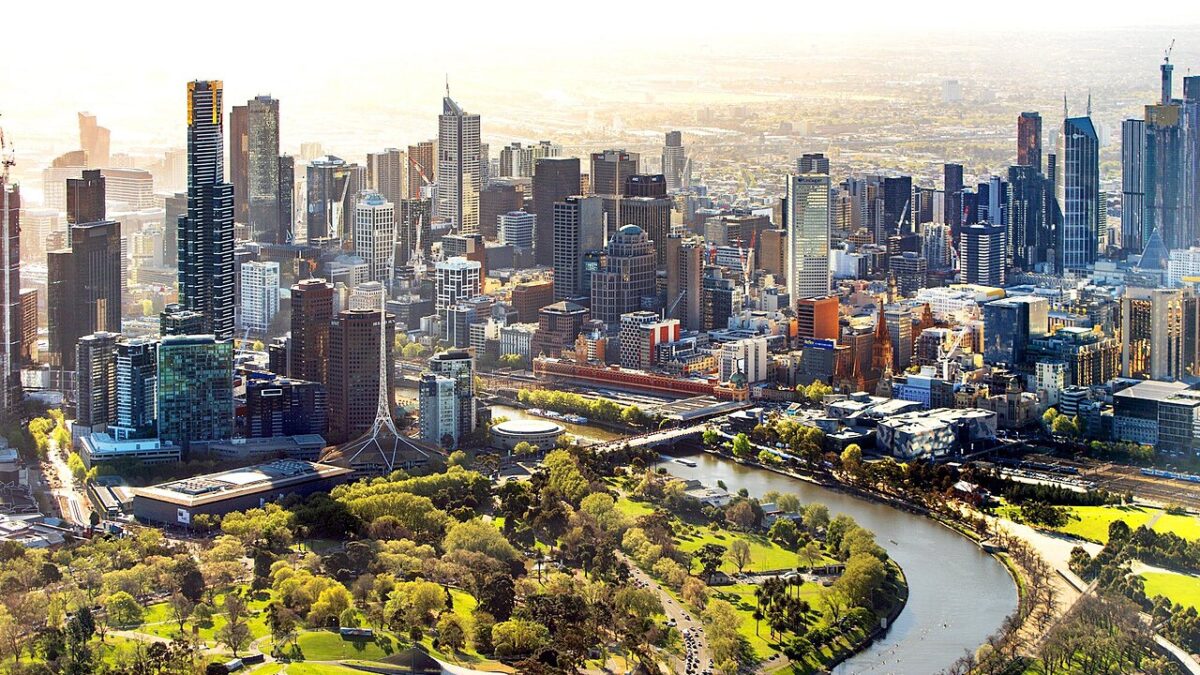
Melbourne, a vibrant metropolis in Australia, stands as a premier destination for international travelers seeking a rich tapestry of arts, culinary excellence, and sporting passion. This comprehensive Melbourne travel guide will equip you with essential information, from understanding your Melbourne travel cost to discovering the best things to do in Melbourne, ensuring an unforgettable journey through this dynamic city.
Why Visit Melbourne?
Melbourne consistently ranks among the world’s most livable cities, a testament to its exceptional quality of life and diverse attractions. Visitors are drawn to its unique blend of European charm and contemporary Australian flair, evident in its stunning architecture, expansive parks, and bustling laneway culture.
The city is a global hub for arts and culture, boasting world-class museums, galleries, and a thriving live music scene. Its reputation as a culinary capital is well-deserved, offering everything from award-winning fine dining to hidden laneway cafes serving exceptional coffee. Melbourne also holds a deep passion for sports, hosting major international events that captivate audiences worldwide. Furthermore, its proximity to natural wonders like the Great Ocean Road makes it an ideal base for exploring Victoria’s diverse landscapes.
Average Travel Cost in Melbourne
Understanding your Melbourne travel cost is crucial for planning your trip. While Melbourne can be an expensive city, especially for international visitors, careful budgeting can help manage expenses. Prices below are estimates for 2026, subject to currency fluctuations and seasonal demand.
This table provides a daily cost comparison across different travel styles, from budget-conscious to luxury experiences. These figures include accommodation, food, local transport, and a selection of attractions, offering a clear picture of what to expect.
| Category | Budget (AUD) | Mid-Range (AUD) | Luxury (AUD) |
|---|---|---|---|
| Hotel/Accommodation | $60 – $100 | $180 – $300 | $400+ |
| Food | $40 – $70 | $90 – $150 | $200+ |
| Transport | $10 – $15 | $15 – $30 | $40+ |
| Attractions/Activities | $0 – $30 | $40 – $80 | $100+ |
| Total Daily Cost | $110 – $215 | $325 – $560 | $740+ |
Where to Stay in Melbourne
Choosing where to stay in Melbourne significantly impacts your experience, with each neighborhood offering a distinct vibe and price point. Here are three recommended areas catering to different preferences and budgets, vital for any Melbourne travel guide.
-
Melbourne CBD (Central Business District)
The CBD is the pulsating heart of Melbourne, ideal for first-time visitors seeking convenience and immediate access to major attractions. It’s home to iconic landmarks like Federation Square, Flinders Street Station, and the bustling laneways. Accommodation here ranges from boutique hotels to international chains, offering unparalleled access to dining, shopping, and public transport.
Price Range: Mid-Range to Luxury
-
Southbank
Located just across the Yarra River from the CBD, Southbank offers a more upscale and sophisticated experience. Known for its stunning riverfront promenade, Crown Casino complex, and numerous fine dining restaurants, it’s perfect for those seeking luxury accommodation and entertainment. Many hotels in Southbank boast impressive city or river views.
Price Range: Luxury
-
Fitzroy / Collingwood
For travelers seeking a bohemian and trendy atmosphere, the inner-city suburbs of Fitzroy and Collingwood are excellent choices. These areas are renowned for their vibrant street art, independent boutiques, live music venues, and diverse culinary scene. Accommodation here includes charming guesthouses, stylish apartments, and boutique hotels, often at a more accessible price point than the CBD.
Price Range: Budget to Mid-Range
Best Things to Do in Melbourne
Melbourne offers an abundance of activities, catering to every interest. Exploring the best things to do in Melbourne reveals the city’s dynamic character, from cultural institutions to natural escapes.
-
Explore Melbourne’s Laneways and Street Art: Wander through iconic laneways like Hosier Lane, AC/DC Lane, and Centre Place. These narrow arteries are adorned with world-class street art, hidden cafes, and unique boutiques, offering a true taste of Melbourne’s urban culture.
-
Visit Queen Victoria Market: A historic landmark and a bustling hub, “Queen Vic” Market is the largest open-air market in the Southern Hemisphere. Explore its fresh produce, gourmet foods, clothing, and souvenirs. Don’t miss the famous Borek pastries and hot jam doughnuts.
-
Stroll Through the Royal Botanic Gardens Victoria: An urban oasis spanning 38 hectares, these magnificent gardens are perfect for a leisurely walk, picnic, or simply escaping the city bustle. Discover diverse plant collections, tranquil lakes, and stunning landscapes.
-
Immerse Yourself in Art at the National Gallery of Victoria (NGV): Australia’s oldest and most visited art gallery, the NGV houses an extensive collection of international and Australian art. Entry to the permanent collection is free, making it an accessible cultural experience.
-
Experience the Melbourne Cricket Ground (MCG): Known as the spiritual home of Australian sport, the MCG hosts major cricket and Australian Rules Football matches. Take a guided tour to explore its history, visit the National Sports Museum, or catch a live game if visiting during the season.
-
Relax at St Kilda Beach and Luna Park: Just a short tram ride from the city, St Kilda offers a vibrant seaside escape. Enjoy the beach, stroll along the pier, spot penguins at dusk, and ride the historic roller coaster at Luna Park, a classic amusement park.
-
Take a Yarra River Cruise: See Melbourne from a different perspective with a leisurely cruise along the Yarra River. These cruises offer scenic views of the city skyline, Southbank, and various landmarks, often accompanied by informative commentary.
-
Discover the Block Arcade and Royal Arcade: Step back in time within these beautifully preserved 19th-century shopping arcades. Admire the intricate mosaic floors, soaring ceilings, and elegant Victorian architecture while browsing high-end boutiques and specialty stores.
-
Enjoy Melbourne’s Coffee Culture: Melbourne is renowned globally for its exceptional coffee. Dedicate time to exploring its countless cafes, from hole-in-the-wall establishments to bustling roasteries, and savor a meticulously crafted flat white.
Where to Eat in Melbourne
Melbourne’s culinary scene is a major draw, offering an incredible array of options for every palate and budget. Discovering the best restaurants in Melbourne is a delightful journey through diverse flavors and innovative cuisine.
-
Hardware Lane: This iconic laneway in the CBD is a bustling hub for al fresco dining. Lined with European-style cafes and restaurants, it offers a vibrant atmosphere for breakfast, lunch, or dinner. Expect lively music and a diverse range of cuisines.
-
Queen Victoria Market Food Stalls: Beyond fresh produce, the market’s food halls and street food vendors offer an affordable and delicious range of international snacks and meals. From spicy gozleme to traditional Italian sausages and fresh seafood, it’s a gastronomic adventure.
-
Lygon Street, Carlton: Known as Melbourne’s “Little Italy,” Lygon Street is the place to go for authentic Italian cuisine. From classic pasta dishes to wood-fired pizzas and delectable gelato, you’ll find a wealth of traditional trattorias and modern Italian eateries.
-
Chinatown, Little Bourke Street: Melbourne’s Chinatown is one of the oldest in the Western world, offering an incredible selection of Cantonese, Sichuan, and other regional Chinese cuisines. Explore its vibrant alleys for dim sum, noodle houses, and late-night eateries.
-
Higher Ground: Housed in a stunning converted power station, Higher Ground offers a unique all-day dining experience. Known for its modern Australian menu, exceptional coffee, and breathtaking interior, it’s perfect for a memorable brunch or sophisticated dinner.
-
Pellegrini’s Espresso Bar: A Melbourne institution, Pellegrini’s is a timeless Italian espresso bar that has been serving coffee and simple, hearty Italian food since 1954. Stand at the bar, soak in the old-world charm, and enjoy a classic espresso or pasta dish.
3-Day Melbourne Itinerary
This 3-day Melbourne itinerary is designed to give you a comprehensive taste of the city’s highlights, balancing culture, food, and iconic sights. It’s perfect for those looking for a concise yet fulfilling visit.
Day 1: City & Culture Immersion
Begin your Melbourne adventure in the CBD. Start with a quintessential Melbourne coffee at a laneway cafe before exploring the famous street art of Hosier Lane. Walk to Federation Square, the city’s cultural precinct, then cross the road to Flinders Street Station, an iconic landmark. Spend your afternoon at the National Gallery of Victoria (NGV), admiring its diverse collections. In the evening, enjoy a leisurely Yarra River cruise, followed by dinner in the bustling Hardware Lane.
Day 2: Markets & Gardens
Dedicate your morning to exploring the vibrant Queen Victoria Market. Sample fresh produce, grab a Borek, and browse the market stalls. Afterwards, take a tram to the Royal Botanic Gardens Victoria for a serene afternoon stroll amidst beautiful flora. Visit the Shrine of Remembrance nearby, offering panoramic city views. Conclude your day in Southbank, enjoying a world-class meal with views of the city skyline and the Yarra River.
Day 3: Coastal Charm & Sporting Passion
Start your day with a tram ride to the seaside suburb of St Kilda. Enjoy a walk along St Kilda Beach, visit the historic Luna Park for some nostalgic fun, and stroll along St Kilda Pier, hoping to spot the resident little penguins at the breakwater. In the afternoon, head back towards the city for a tour of the iconic Melbourne Cricket Ground (MCG) or visit the National Sports Museum. For your final evening, explore the culinary delights of Lygon Street in Carlton, savoring authentic Italian cuisine.
Transportation Guide
Melbourne boasts an efficient and extensive public transportation network, making it easy to navigate the city and its surrounding suburbs. The system comprises trams, trains, and buses, all integrated under a single ticketing system.
The primary method of payment is the Myki card, a reusable smart card. You can purchase a Myki card at any 7-Eleven store, train station, or Myki vending machine. Remember to touch on and touch off when entering and exiting trams, trains, and buses to ensure you’re charged the correct fare. The city offers a Free Tram Zone within the CBD, allowing you to travel between major landmarks without needing to touch on your Myki card.
From Melbourne Airport (MEL), the SkyBus offers direct express services to Southern Cross Station in the CBD, running frequently. Taxis and ride-sharing services like Uber are also readily available. For exploring beyond the city, V/Line regional trains and buses connect Melbourne to other parts of Victoria.
Money-Saving Tips
Experiencing Melbourne doesn’t have to break the bank. Here are several money-saving tips for your Melbourne budget travel:
-
Utilize the Free Tram Zone: Take full advantage of the Free Tram Zone within the CBD to save on short-distance travel costs. For longer journeys outside this zone, ensure you have a Myki card.
-
Enjoy Free Attractions: Melbourne offers many free attractions, including the National Gallery of Victoria (permanent collection), Royal Botanic Gardens, Shrine of Remembrance, and all its vibrant laneways and street art. Queen Victoria Market is also free to explore.
-
Cook Your Own Meals: If your accommodation has kitchen facilities, buying groceries from supermarkets like Coles or Woolworths and preparing some of your own meals can significantly reduce food expenses. Queen Victoria Market is excellent for fresh produce.
-
Look for Lunch Specials: Many restaurants and cafes offer lunch specials or “happy hour” deals, which can be a more affordable way to experience Melbourne’s acclaimed dining scene. Check out local guides or ask locals for recommendations.
-
Free Walking Tours: Join a free walking tour to explore the city with a local guide. While tips are appreciated, it’s a great way to learn about Melbourne’s history and culture without a fixed cost.
-
Pack a Reusable Water Bottle: Tap water in Melbourne is safe to drink. Refilling your bottle throughout the day saves money and reduces plastic waste.
Frequently Asked Questions
What is the best time to visit Melbourne?
The best time to visit Melbourne is during the shoulder seasons of autumn (March to May) and spring (September to November). During these months, the weather is generally mild and pleasant, perfect for exploring, and the city hosts numerous festivals and events. Summer (December to February) can be hot, while winter (June to August) is cooler and wetter, but still offers plenty of indoor activities and cozy cafes.
Is Melbourne an expensive city to visit?
Melbourne can be considered an expensive city, particularly for accommodation and dining, especially compared to some other global destinations. However, by utilizing public transport, enjoying free attractions, and seeking out budget-friendly dining options like market food or lunch specials, it is possible to manage your Melbourne travel cost effectively. Planning ahead and booking accommodation in advance can also help secure better rates.
How many days do I need for a Melbourne itinerary?
To experience the main highlights of the city, a 3-day Melbourne itinerary is a good starting point. This allows you to explore the CBD, enjoy the markets and gardens, and visit a coastal suburb. For a more in-depth experience, including day trips to regions like the Great Ocean Road or the Yarra Valley, 5 to 7 days would be ideal, providing a more relaxed pace and broader exploration.
What makes Melbourne unique compared to other Australian cities?
Melbourne stands out for its sophisticated European charm, deeply ingrained coffee culture, and unparalleled laneway network filled with street art and hidden gems. It is renowned as Australia’s cultural capital, boasting a vibrant arts scene, world-class museums, and a strong passion for sports. Its diverse culinary landscape, from fine dining to multicultural eateries, also sets it apart from other Australian cities.
Do I need a visa to travel to Melbourne, Australia?
Yes, all non-Australian citizens require a valid visa to enter Australia. The type of visa you need depends on your nationality and the purpose of your visit. Many international travelers, including those from the US, UK, and EU, are eligible for an Electronic Travel Authority (ETA) or an eVisitor visa, which can be applied for online. It is crucial to check the official Australian Department of Home Affairs website well in advance of your trip to determine the specific visa requirements for your nationality and apply accordingly.

Kai has visited 60+ countries across 6 continents, with a obsession for one thing most travelers ignore: the real cost of getting there. Former budget backpacker turned data-driven travel writer, Kai breaks down destination costs so you can plan smarter — not just dream bigger. Based everywhere, from nowhere in particular.