Lisbon: Fado’s Soul & Tram 28’s Charm
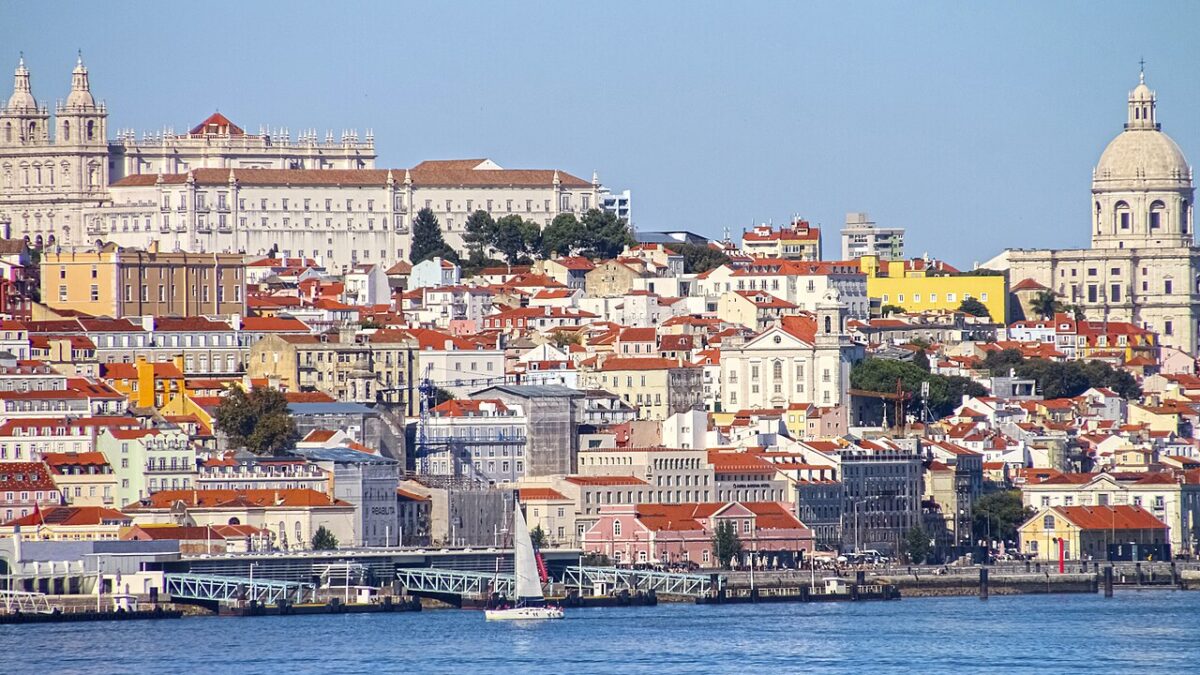
Welcome to your definitive Lisbon travel guide, designed for international travelers seeking an unforgettable experience in Portugal’s captivating capital. This comprehensive guide covers everything from essential things to do in Lisbon and detailed cost breakdowns to expert recommendations on where to stay in Lisbon and the best restaurants in Lisbon. Plan your perfect adventure with our practical tips and a meticulously crafted Lisbon itinerary.
Why Visit Lisbon?
Lisbon, a city steeped in history yet vibrant with modern energy, offers a truly unique European travel experience. Its dramatic hillsides are adorned with pastel-colored buildings, ancient castles, and breathtaking miradouros (viewpoints) that offer panoramic vistas of the Tagus River. The city’s rich maritime heritage is evident in its grand monuments and charming old quarters.
Beyond its visual appeal, Lisbon captivates with its soulful Fado music, delicious culinary scene, and warm, welcoming atmosphere. Travelers can explore historic neighborhoods like Alfama, ride iconic yellow trams, or indulge in the city’s burgeoning gastronomic revolution. Lisbon consistently ranks as a top destination due to its affordability, safety, and diverse attractions, appealing to history buffs, foodies, and culture enthusiasts alike.
The city serves as an excellent base for exploring nearby attractions such as the fairytale palaces of Sintra or the coastal beauty of Cascais. With its pleasant climate, vibrant nightlife, and a unique blend of old-world charm and contemporary flair, Lisbon promises an enriching and memorable journey for every visitor. This Lisbon travel guide aims to equip you with all the information needed for an exceptional trip.
Average Travel Cost in Lisbon
Understanding the Lisbon travel cost is crucial for planning your budget effectively. While generally more affordable than many Western European capitals, prices can vary significantly depending on your travel style. Below is an estimated daily cost comparison for 2026, helping you plan for a budget, mid-range, or luxury experience.
These figures are averages and can fluctuate based on seasonality, booking in advance, and personal spending habits. Accommodations are often the largest expense, followed by dining and activities. Utilizing public transport and seeking out local eateries can significantly reduce your daily expenditure, making Lisbon budget travel very feasible.
| Category | Budget (€) | Mid-Range (€) | Luxury (€) |
|---|---|---|---|
| Hotel (per person) | 40-70 | 70-150 | 150-400+ |
| Food | 25-45 | 45-90 | 90-200+ |
| Transport | 6-10 | 6-10 | 10-25 |
| Attractions & Activities | 10-25 | 25-60 | 60-150+ |
| Total Daily Cost | 81-150 | 146-310 | 310-775+ |
Where to Stay in Lisbon
Choosing where to stay in Lisbon is key to enhancing your experience, as each neighborhood offers a distinct atmosphere and set of conveniences. Here are three recommended areas catering to different preferences and budgets, vital information for any comprehensive Lisbon travel guide.
-
Baixa & Chiado: These central districts are perfect for first-time visitors seeking convenience and easy access to major attractions. Baixa, rebuilt after the 1755 earthquake, features a grid-like street plan, grand squares, and bustling shops. Chiado, its elegant neighbor, is known for its theaters, historic cafés, and upscale boutiques.
Price Range: Mid-range to Luxury (€€-€€€). You’ll find a mix of boutique hotels, serviced apartments, and international chains here, offering excellent transport links.
-
Alfama: Lisbon’s oldest district, Alfama, is a labyrinth of narrow, winding streets, ancient houses, and hidden squares leading up to São Jorge Castle. Staying here offers an authentic, charming experience with Fado houses and local tascas at every turn. It’s ideal for those who love history and a village-like atmosphere.
Price Range: Budget to Mid-range (€-€€). Accommodation often consists of guesthouses, small hotels, and Airbnb rentals within historic buildings, though some luxury boutique options are emerging.
-
Principe Real & Estrela: For a more upscale and tranquil experience, these elegant neighborhoods offer beautiful gardens, sophisticated boutiques, and stately mansions. Principe Real is known for its trendy restaurants and art galleries, while Estrela boasts the magnificent Basílica da Estrela and its lovely garden. These areas provide a quieter retreat while still being well-connected to the city center.
Price Range: Mid-range to Luxury (€€-€€€). Expect high-end hotels, charming guesthouses, and luxurious apartments, often with stunning views over the city.
Best Things to Do in Lisbon
Lisbon is brimming with captivating sights and experiences, making it essential to prioritize the top things to do in Lisbon. This selection covers historical landmarks, cultural highlights, and unique city experiences, forming the core of any memorable Lisbon itinerary.
-
Explore Alfama District: Wander through the oldest neighborhood, a maze of narrow streets, hidden courtyards, and steep staircases. Discover traditional Fado houses and enjoy breathtaking views from its numerous miradouros.
-
Visit São Jorge Castle (Castelo de São Jorge): Perched atop Lisbon’s highest hill, this ancient castle offers panoramic views of the city and the Tagus River. Explore its battlements, peacocks roaming freely, and archaeological site.
-
Discover Belém Tower (Torre de Belém): A UNESCO World Heritage site, this iconic fortified tower on the Tagus River is a symbol of Portugal’s Age of Discoveries. Admire its intricate Manueline architecture and historical significance.
-
Marvel at Jerónimos Monastery (Mosteiro dos Jerónimos): Another UNESCO site in Belém, this magnificent monastery is a masterpiece of Manueline architecture. It houses the tombs of Vasco da Gama and national poet Luís de Camões, showcasing Portugal’s maritime glory.
-
Ride Tram 28: Experience Lisbon’s charm by hopping on the historic Tram 28. This iconic yellow tram rattles through popular districts like Alfama, Baixa, and Graça, offering a scenic and authentic way to see the city’s sights.
-
Ascend the Santa Justa Lift (Elevador de Santa Justa): Designed by an apprentice of Gustave Eiffel, this ornate iron elevator connects the Baixa district with the higher Chiado neighborhood. Enjoy stunning views from its observation deck.
-
Wander through LX Factory: A trendy industrial area transformed into a creative hub, LX Factory offers unique shops, art studios, restaurants, and bars. It’s a vibrant spot for modern culture, design, and gastronomy.
-
Enjoy Views from Miradouros: Lisbon is famous for its “miradouros” (viewpoints). Popular ones include Miradouro de São Pedro de Alcântara, Miradouro das Portas do Sol, and Miradouro de Santa Luzia, offering spectacular cityscapes.
-
Experience Fado: Immerse yourself in the soulful sounds of Fado, Portugal’s traditional melancholic music. Many restaurants in Alfama and Bairro Alto offer Fado shows alongside dinner, providing a quintessential Lisbon cultural experience.
-
Visit the National Azulejo Museum: Discover the art of Portuguese tiles (azulejos) at this unique museum housed in the Madre de Deus Convent. It showcases the history and evolution of azulejos from the 15th century to the present day.
Where to Eat in Lisbon
Lisbon’s culinary scene is a highlight for any visitor, offering a delightful array of traditional Portuguese dishes and modern gastronomic experiences. Discovering the best restaurants in Lisbon is an adventure in itself, from humble tascas to Michelin-starred establishments. Here are some essential food experiences and recommendations.
-
Taste Pastéis de Nata: No visit to Lisbon is complete without trying the iconic Portuguese custard tart. Head to Pastéis de Belém near Jerónimos Monastery for the original recipe, or try the equally delicious versions at Manteigaria in Chiado or Baixa.
-
Explore Mercado da Ribeira (Time Out Market): This vibrant food hall offers a diverse selection of gourmet stalls from some of Lisbon’s top chefs and restaurants, alongside traditional market vendors. It’s perfect for sampling various Portuguese and international cuisines in a lively atmosphere.
-
Indulge in Seafood: Given its coastal location, Lisbon excels in fresh seafood. Look for a traditional marisqueira (seafood restaurant) to enjoy grilled fish (like sardines or sea bass), octopus salad, or the famous arroz de marisco (seafood rice). Cervejaria Ramiro is legendary, though often has a wait.
-
Dine at a Traditional Tasca: For an authentic and affordable experience, seek out a local tasca. These small, family-run eateries serve hearty Portuguese comfort food like Bacalhau à Brás (codfish with scrambled eggs and potatoes), cozido à portuguesa (stew), and grilled meats. Look for places in Alfama or Graça.
-
Try Ginjinha: This sweet cherry liqueur, often served in a chocolate cup, is a traditional Lisbon drink. You’ll find small Ginjinha bars, especially around Rossio Square, where you can enjoy a shot as a digestif or a sweet treat.
-
Modern Portuguese Cuisine: Lisbon’s dining scene is constantly evolving. For a contemporary take on Portuguese flavors, consider restaurants like A Cevicheria (for seafood with a twist) or Alma (a Michelin-starred experience by Chef Henrique Sá Pessoa). Reservations are essential for higher-end establishments.
3-Day Lisbon Itinerary
This carefully crafted Lisbon itinerary is designed to help you make the most of three days in the city, balancing historical exploration with cultural immersion and culinary delights. It’s a perfect guide for a compact yet comprehensive visit.
Day 1: Historic Heart & Soul
Start your day in the historic Baixa district, exploring Rossio Square and the majestic Praça do Comércio overlooking the Tagus River. Walk through the grid-patterned streets, admiring the Pombaline architecture. Ascend the Santa Justa Lift for panoramic views and then explore the elegant Chiado neighborhood, known for its theaters and historic cafés like “A Brasileira.”
In the afternoon, immerse yourself in Alfama, Lisbon’s oldest district. Wander through its labyrinthine streets, visit Lisbon Cathedral (Sé de Lisboa), and enjoy the views from Miradouro de Santa Luzia and Miradouro das Portas do Sol. Climb up to São Jorge Castle to explore its ancient walls and enjoy breathtaking vistas of the city and river.
End your day with a traditional Fado show and dinner in Alfama, experiencing the soulful music that defines Lisbon’s cultural heritage. Many small restaurants offer dinner and a show, providing an authentic evening.
Day 2: Age of Discoveries & Modern Vibrancy
Dedicate your morning to the Belém district, a testament to Portugal’s Age of Discoveries. Begin at the magnificent Jerónimos Monastery, a UNESCO World Heritage site, marveling at its Manueline architecture. Afterwards, walk to the iconic Belém Tower, another UNESCO site, and the Monument to the Discoveries (Padrão dos Descobrimentos). Don’t leave Belém without tasting the original Pastéis de Nata at Pastéis de Belém.
In the afternoon, take a short bus or tram ride to LX Factory, a trendy industrial complex transformed into a creative hub. Explore its unique boutiques, art studios, and enjoy lunch at one of its many modern restaurants. It’s a great spot for unique souvenirs and a different vibe from historic Lisbon.
Spend your evening exploring the vibrant nightlife of Bairro Alto, known for its numerous bars and Fado houses. Alternatively, enjoy a sophisticated dinner in Principe Real or Cais do Sodré, which offer a diverse range of dining options.
Day 3: Panoramic Views & Artistic Flair
Start your final day by taking the iconic Tram 28 (or a metro/bus) to the Graça district. Visit the Miradouro da Senhora do Monte for one of the most stunning panoramic views of Lisbon, São Jorge Castle, and the Tagus River. Afterwards, explore the charming streets of Graça and visit the National Pantheon.
Head back towards the city center and explore the area around the Parque Eduardo VII, offering a grand perspective down towards the Tagus. You could also visit the Calouste Gulbenkian Museum for an impressive collection of ancient and modern art. For a more relaxed afternoon, consider a visit to the National Azulejo Museum to learn about Portugal’s unique tile art.
In the late afternoon, enjoy a leisurely stroll along the riverfront, perhaps from Cais do Sodré towards Praça do Comércio. For dinner, consider the Time Out Market (Mercado da Ribeira) for a diverse culinary experience, or choose a restaurant in the lively areas of Cais do Sodré or Bairro Alto for your farewell meal in Lisbon.
Transportation Guide
Navigating Lisbon is relatively easy, thanks to its efficient public transportation system. While the city is known for its seven hills, various options help you conquer the inclines and explore every corner, which is a key part of any practical Lisbon travel guide.
-
Walking: For many central neighborhoods like Baixa, Chiado, and parts of Alfama, walking is the best way to soak in the atmosphere. Be prepared for hills and comfortable shoes are a must.
-
Metro: Lisbon’s metro system is modern, clean, and efficient, connecting key areas including the airport. It’s the fastest way to cover longer distances. Lines are color-coded.
-
Trams: The historic yellow trams, especially Tram 28, are iconic and offer a scenic way to see the city. Tram 15 connects Praça da Figueira to Belém. Modern trams also operate on some routes. Trams can get very crowded, especially Tram 28.
-
Buses: A comprehensive bus network covers areas not reached by the metro or tram. They are useful for reaching neighborhoods further afield or for late-night travel.
-
Funiculars & Lifts: Lisbon has three historic funiculars (Lavra, Glória, Bica) and the Santa Justa Lift, which help ascend steep hills. These are part of the public transport network and offer unique experiences.
-
Viva Viagem Card: Purchase a reusable Viva Viagem card (€0.50) at any metro station or ferry terminal. You can load it with “zapping” credit (pay-as-you-go) or 24-hour passes. This is the most economical way to use public transport.
-
Taxis & Ride-Sharing: Taxis are readily available and reasonably priced. Ride-sharing apps like Uber and Bolt are also popular and convenient, especially for evenings or when carrying luggage.
-
Lisbon Card: This tourist pass offers unlimited free travel on public transport (metro, bus, tram, funiculars, CP trains to Sintra/Cascais) and free or discounted entry to many attractions. Evaluate if it’s cost-effective for your planned activities.
Money-Saving Tips
Exploring Lisbon doesn’t have to break the bank. With a bit of planning, you can enjoy the city’s charm and culture without overspending, making Lisbon budget travel a reality.
-
Walk Whenever Possible: Lisbon’s compact city center is highly walkable. Embrace the hills and explore on foot to save on transport costs and discover hidden gems. Always wear comfortable shoes.
-
Utilize the Viva Viagem Card: As mentioned, this card is essential for economical public transport. Load it with “zapping” credit for the best per-ride rates, significantly cheaper than buying single tickets on board.
-
Eat Like a Local: Avoid tourist traps and seek out local tascas or pratos do dia (dish of the day) specials for delicious and affordable meals. Lunch menus are often particularly good value. Try a bica (espresso) at a stand-up counter for a quick, cheap coffee.
-
Pack Snacks and Water: Supermarkets like Pingo Doce or Continente offer much cheaper snacks, drinks, and picnic items compared to convenience stores or tourist kiosks. Staying hydrated is key, especially when walking the hills.
-
Visit Free Attractions: Many of Lisbon’s best experiences are free. Enjoy the panoramic views from miradouros, wander through historic neighborhoods like Alfama, visit Lisbon Cathedral (entry to main church is free), or relax in public gardens.
-
Consider the Lisbon Card: If you plan to visit many museums and attractions and use public transport extensively, the Lisbon Card can offer significant savings. Do the math to see if it aligns with your Lisbon itinerary.
-
Book Accommodation in Advance: Especially during peak season, booking hotels or apartments well in advance can secure better rates. Look for options slightly outside the absolute city center but still well-connected by metro.
-
Take Advantage of Happy Hours: Many bars, especially in areas like Cais do Sodré and Bairro Alto, offer happy hour deals on drinks, perfect for an evening out on a budget.
Frequently Asked Questions
When is the best time to visit Lisbon?
The best time to visit Lisbon is during the spring (March to May) and fall (September to October). During these months, the weather is pleasant with comfortable temperatures, fewer crowds, and lower accommodation prices compared to the peak summer season. June is also popular for the Santos Populares festivals, though the city can be very busy.
How many days do I need to explore Lisbon?
A minimum of 3 full days is recommended to experience the main highlights of Lisbon, including its historic neighborhoods, major attractions, and culinary scene. If you plan to take day trips to nearby Sintra or Cascais, extend your stay to 5-7 days for a more relaxed pace.
Is Lisbon a safe city for tourists?
Lisbon is generally a very safe city for tourists. Violent crime is rare. However, like any major European city, petty crime, primarily pickpocketing, can occur, especially in crowded tourist areas, on popular trams (like Tram 28), and in busy public transport hubs. Always be aware of your surroundings and keep valuables secure.
What is the tipping culture in Lisbon?
Tipping in Lisbon is not as mandatory or as high as in some other countries, but it is appreciated for good service. For restaurants, a tip of 5-10% is common if you are satisfied with the service. For cafés, rounding up the bill or leaving a few euros is sufficient. Taxi drivers do not typically expect a tip, but rounding up the fare is a nice gesture.
What language is spoken in Lisbon, and will I need to know Portuguese?
The official language is Portuguese. While it’s always helpful to know a few basic phrases (e.g., “Olá” for hello, “Obrigado/a” for thank you), most people working in the tourism industry, especially in hotels, restaurants, and major attractions, speak English. Many younger Portuguese people also have a good grasp of English, making communication relatively easy for international travelers.
Lisbon Travel Guide 2026: Your Ultimate Trip Planner
Plan your dream trip to Lisbon with our comprehensive travel guide for 2026. Discover things to do, where to stay, average costs, best restaurants, and a 3-day itinerary.

Kai has visited 60+ countries across 6 continents, with a obsession for one thing most travelers ignore: the real cost of getting there. Former budget backpacker turned data-driven travel writer, Kai breaks down destination costs so you can plan smarter — not just dream bigger. Based everywhere, from nowhere in particular.