La Paz, Bolivia Travel Cost Breakdown for 2026
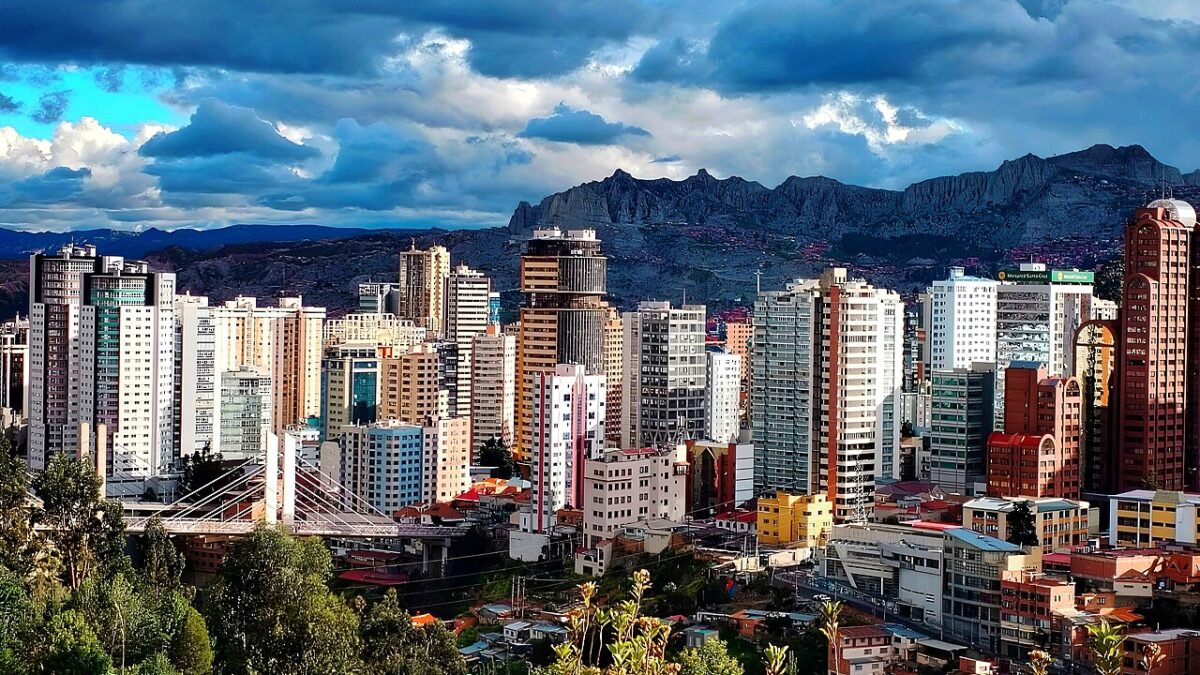
How Much Does a Trip to La Paz Cost?
A trip to La Paz, Bolivia in 2026 can range from an estimated $45 per day for budget travelers to $360 per day for luxury experiences, excluding flights. This analysis provides a detailed breakdown to help you plan your visit.
Daily Cost Breakdown
| Category | Budget | Mid-Range | Luxury |
|---|---|---|---|
| Accommodation | $15 | $50 | $150 |
| Food | $10 | $25 | $70 |
| Transport | $5 | $15 | $40 |
| Activities | $10 | $30 | $70 |
| Misc | $5 | $15 | $30 |
| DAILY TOTAL | $45 | $135 | $360 |
Exchange Rate: 1 USD = 6.90 BOB. Tipping culture: 10% appreciated but not mandatory.
Best time to visit: April to October.
Total Trip Cost by Duration
| Duration | Budget | Mid-Range | Luxury |
|---|---|---|---|
| 3 Days | $135 | $405 | $1080 |
| 5 Days | $225 | $675 | $1800 |
| 7 Days | $315 | $945 | $2520 |
Accommodation Costs
Accommodation in La Paz offers a wide spectrum of options to suit different budgets. Hostels provide the most economical choice, typically ranging from $10-$20 per night for a dorm bed. Budget hotels and guesthouses are available for $20-$40 per night for a private room.
Mid-range hotels and comfortable Airbnb apartments can be found for $40-$80 per night. For those seeking premium comfort and amenities, luxury hotels and high-end apartments will cost between $100-$250+ per night.
Food & Restaurant Costs
La Paz presents diverse culinary experiences. Street food, including empanadas and salteñas, is exceptionally affordable, costing around $1-$3 per meal. Casual local restaurants, known as ‘comedores’, offer hearty set lunches (almuerzos) for $3-$6.
Mid-range restaurants serving a mix of Bolivian and international cuisine typically charge $10-$20 per person for a main course. Fine dining establishments and more upscale restaurants can expect to pay $25-$50+ per person for a full meal, including drinks.
Transportation Costs
Getting around La Paz is generally inexpensive. Airport transfers via taxi typically cost between $8-$15. The city’s extensive public transportation system, including buses and the Mi Teleférico cable car system, offers a very economical way to navigate. A daily unlimited pass for Mi Teleférico costs approximately $2.50.
Short taxi rides within the city usually range from $2-$5. Rideshare services are also available and operate at similar price points to taxis. Longer journeys or specific requests may incur higher fares.
How to Save Money in La Paz
- Embrace Local Eateries: Opt for ‘comedores’ and street food vendors for meals. This can save approximately $15-$25 per day compared to mid-range restaurants.
- Utilize Public Transport: The Mi Teleférico cable car system is efficient and scenic. Daily passes are very affordable, saving potentially $10-$20 per day on taxi fares.
- Stay in Hostels or Budget Guesthouses: Choosing budget accommodation can reduce daily expenses by $30-$100.
- Hike and Explore on Foot: Many attractions in the city center are walkable, reducing the need for frequent transport. This can save $5-$10 per day.
- Book Activities in Advance or Seek Free Options: Look for free walking tours and research local markets for unique souvenirs instead of tourist shops. This can save $10-$20 per day on activity-related expenses.
For more in-depth information on planning your visit, consult our comprehensive La Paz travel guide.
Is La Paz Expensive Compared to Other Cities?
La Paz offers remarkable value for money, particularly when compared to other major South American capitals. For instance, daily costs in La Paz are significantly lower than in Santiago, Chile, where a mid-range traveler might spend upwards of $150 per day, or Buenos Aires, Argentina, which can reach $120 per day for similar expenses. Even compared to cities like Cusco, Peru, known for its affordability, La Paz generally presents a lower overall cost of living and travel, making it an attractive destination for budget-conscious explorers.

Kai has visited 60+ countries across 6 continents, with a obsession for one thing most travelers ignore: the real cost of getting there. Former budget backpacker turned data-driven travel writer, Kai breaks down destination costs so you can plan smarter — not just dream bigger. Based everywhere, from nowhere in particular.