Kyoto: Whispers of Geisha & Zen Gardens
Welcome to your ultimate Kyoto travel guide, an essential resource for planning an unforgettable journey to Japan’s ancient capital. This comprehensive guide provides expert insights on things to do in Kyoto, where to stay, estimated costs, and practical tips for navigating this culturally rich city. Prepare to immerse yourself in a world of historic temples, serene gardens, and exquisite culinary experiences.
Why Visit Kyoto?
Kyoto, often referred to as the cultural heart of Japan, offers an unparalleled journey into the nation’s rich history and profound traditions. As the imperial capital for over a thousand years, the city is a living museum, boasting an extraordinary concentration of UNESCO World Heritage Sites, intricate temples, and meticulously preserved geisha districts.
Beyond its iconic landmarks, Kyoto captivates visitors with its tranquil gardens, vibrant festivals, and the timeless elegance of its traditional wooden machiya houses. It is a city where ancient rituals coexist seamlessly with modern life, providing a unique blend of spiritual serenity and urban sophistication. From the vibrant autumn leaves to the delicate cherry blossoms, Kyoto’s seasonal beauty adds another layer to its enduring allure.
The city is also a global culinary destination, renowned for its refined kaiseki dining, delicate matcha tea ceremonies, and bustling food markets. Whether you seek spiritual enlightenment, historical immersion, or gastronomic delights, Kyoto promises an enriching and deeply memorable travel experience for every international visitor.
Average Travel Cost in Kyoto
Understanding the potential expenses is crucial for planning your trip to Kyoto. While Japan can be perceived as expensive, a visit to Kyoto can be tailored to various budgets. Accommodation and dining will be your primary variable costs, with transport and attractions generally more predictable.
Prices provided below are estimates for a single traveler per day in 2026, considering potential inflation and current trends. These figures exclude international airfare but include typical daily expenses.
| Category | Budget (USD) | Mid-Range (USD) | Luxury (USD) |
|---|---|---|---|
| Hotel | $70 – $120 | $150 – $300 | $400+ |
| Food | $35 – $60 | $70 – $150 | $200+ |
| Transport | $10 – $20 | $15 – $25 | $20 – $30 |
| Attractions | $15 – $30 | $25 – $50 | $40 – $80 |
| Total Daily Cost | $130 – $230 | $260 – $525 | $660+ |
Budget Travel: Expect to stay in hostels, guesthouses, or capsule hotels. Dining will involve convenience store meals, ramen shops, and casual eateries. You’ll rely heavily on public transport and focus on free or low-cost attractions.
Mid-Range Travel: This budget allows for comfortable business hotels, ryokans (traditional inns) with shared facilities, and a mix of casual and moderately priced restaurants. You might enjoy some guided tours and a few higher-end meals.
Luxury Travel: Indulge in premium hotels, luxury ryokans, and exquisite kaiseki dining experiences. This budget accommodates private tours, taxis, and exclusive cultural activities, ensuring a lavish and comfortable journey.
Where to Stay in Kyoto
Choosing the right neighborhood in Kyoto can significantly enhance your travel experience. Each area offers a distinct atmosphere and proximity to different attractions. Here are three top recommendations:
-
Kyoto Station Area:
This is an excellent choice for first-time visitors due to its unparalleled convenience. The area around Kyoto Station serves as the city’s main transportation hub, offering easy access to Shinkansen bullet trains, local JR lines, subways, and numerous bus routes. You’ll find a wide range of accommodation options, from large international hotels to budget-friendly business hotels, alongside department stores, shopping malls, and diverse dining choices.
Price Range: Budget ($70-120 USD/night), Mid-Range ($150-250 USD/night), Luxury ($300+ USD/night).
-
Gion & Higashiyama:
For those seeking a truly traditional Kyoto experience, Gion and Higashiyama are ideal. Gion is the city’s historic geisha district, characterized by its beautifully preserved wooden machiya houses, traditional tea houses, and narrow lantern-lit alleyways. Higashiyama, adjacent to Gion, is home to iconic temples like Kiyomizu-dera and numerous souvenir shops.
Staying here offers a charming, atmospheric base with easy walking access to many eastern Kyoto attractions. Accommodation includes boutique hotels, traditional ryokans, and charming guesthouses, often at a higher price point due to the prime location and unique ambiance.
Price Range: Mid-Range ($180-350 USD/night), Luxury ($400+ USD/night).
-
Downtown Kyoto (Kawaramachi & Shijo):
If you prefer a lively, modern atmosphere with excellent shopping and dining, Downtown Kyoto is your best bet. This vibrant area encompasses the bustling districts of Kawaramachi and Shijo, known for their department stores, fashion boutiques, and an endless array of restaurants and bars. It’s centrally located with good subway and bus connections to other parts of the city.
You’ll find a mix of modern hotels, mid-range business hotels, and some boutique options here, catering to those who enjoy urban convenience and nightlife.
Price Range: Budget ($80-150 USD/night), Mid-Range ($160-300 USD/night).
Best Things to Do in Kyoto
Kyoto is replete with iconic attractions, each offering a glimpse into Japan’s profound cultural heritage. Here are some of the best things to do in Kyoto:
- Fushimi Inari Taisha: Famous for its thousands of vibrant orange torii gates that snake up a sacred mountain. This Shinto shrine dedicated to Inari, the god of rice, offers stunning photo opportunities and rewarding hiking trails.
- Kinkaku-ji (Golden Pavilion): A magnificent Zen temple covered in gold leaf, set against a tranquil pond. Its reflection in the water, especially on a sunny day, is one of Kyoto’s most iconic and breathtaking sights.
- Arashiyama Bamboo Grove: Wander through towering stalks of bamboo that create an otherworldly, serene atmosphere. Combine this visit with Tenryu-ji Temple, Togetsukyo Bridge, and the Iwatayama Monkey Park for a full day in Arashiyama.
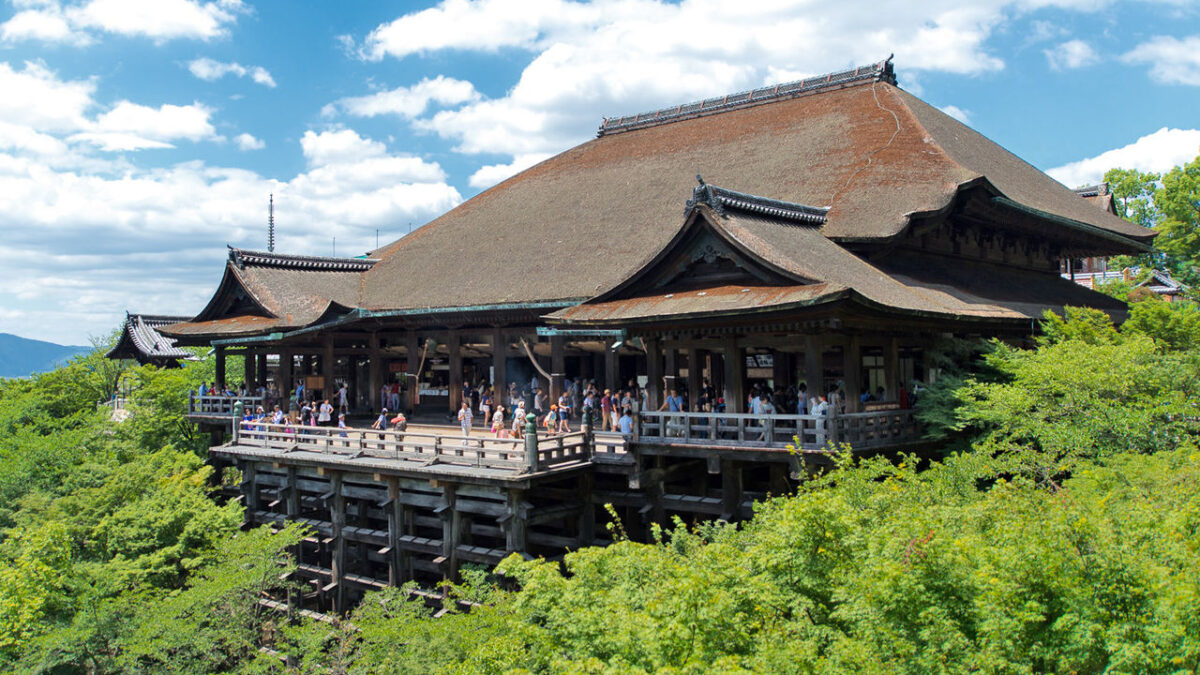
- Kiyomizu-dera Temple: A UNESCO World Heritage site renowned for its impressive wooden stage that juts out from the main hall, offering panoramic views of Kyoto. The temple is particularly stunning during cherry blossom and autumn foliage seasons.
- Gion District: Kyoto’s most famous geisha district. Stroll through its traditional wooden machiya houses, visit historic tea houses, and if you’re lucky, spot a geiko (Kyoto geisha) or maiko (apprentice geisha) on their way to an engagement.
- Nishiki Market: Known as “Kyoto’s Kitchen,” this vibrant covered market offers a sensory feast. Explore over a hundred stalls selling fresh seafood, local produce, traditional sweets, and unique culinary delights. It’s a fantastic place for foodies.
- Ryoan-ji Temple: Home to Japan’s most famous rock garden, a masterpiece of Zen minimalism. The garden’s enigmatic arrangement of 15 rocks on a bed of white gravel invites contemplation and reflection.
- Nijo Castle: A UNESCO World Heritage site, this castle served as the Kyoto residence of the Tokugawa shoguns. Explore its ornate palaces, “nightingale floors” designed to squeak and warn against intruders, and beautiful gardens.
- Philosopher’s Path (Tetsugaku no Michi): A picturesque stone path that follows a canal lined with hundreds of cherry trees. It’s especially beautiful during spring, connecting Ginkaku-ji (Silver Pavilion) to Nanzen-ji Temple.
- Higashiyama District: A beautifully preserved historic district leading up to Kiyomizu-dera Temple. Its narrow lanes are filled with traditional shops selling pottery, sweets, and souvenirs, offering a nostalgic glimpse into old Kyoto.
Where to Eat in Kyoto
Kyoto’s culinary scene is as rich and diverse as its history, offering everything from refined traditional cuisine to casual street food. Exploring the local gastronomy is one of the best things to do in Kyoto.
- Kaiseki Ryori: Experience the pinnacle of Japanese haute cuisine with a multi-course kaiseki meal. These elegant dinners emphasize seasonal ingredients, artistic presentation, and delicate flavors. Look for restaurants in Gion or Pontocho for authentic experiences.
- Nishiki Market: Dive into “Kyoto’s Kitchen” for a street food adventure. Sample fresh seafood, pickles, matcha sweets, skewers, and various local delicacies. It’s perfect for a casual lunch or a series of delicious snacks.
- Ramen & Udon: Kyoto boasts numerous excellent ramen shops, each with its unique broth and toppings. Try a bowl of rich tonkotsu or lighter shoyu ramen. Udon noodles, thicker and chewier, are also a local favorite, often served in a savory broth with tempura.
- Matcha Sweets & Tea: Kyoto is synonymous with matcha (green tea). Indulge in matcha-flavored ice cream, parfaits, cakes, and traditional tea ceremonies. Uji, a short train ride away, is particularly famous for its high-quality matcha.
- Izakaya: For a more casual and social dining experience, visit an izakaya. These Japanese pubs offer a wide array of small dishes, from grilled skewers (yakitori) to sashimi, alongside sake, beer, and shochu. They are perfect for an evening with friends.
- Yudofu (Boiled Tofu): Given Kyoto’s strong Buddhist heritage, vegetarian and vegan options are relatively accessible, with yudofu being a specialty. This dish features delicate boiled tofu served with various dipping sauces and vegetables, often found near temples like Nanzen-ji.
3-Day Kyoto Itinerary
This 3-day Kyoto itinerary is designed to cover the city’s most iconic attractions efficiently, balancing cultural immersion with leisurely exploration. It’s a perfect Kyoto itinerary for first-time visitors.
Day 1: Eastern Kyoto’s Historic Charm
Begin your Kyoto adventure in the historic Higashiyama district. Start your morning early at Kiyomizu-dera Temple, admiring its iconic wooden stage and panoramic views. Afterwards, descend through the charming streets of Sannenzaka and Ninenzaka, browsing traditional shops and enjoying the preserved atmosphere.
For lunch, explore the vibrant Nishiki Market, sampling various local delicacies. In the afternoon, immerse yourself in the enchanting Gion District. Stroll along Hanamikoji Street, visit Yasaka Shrine, and perhaps catch a glimpse of a geiko or maiko. Consider attending a traditional tea ceremony or a cultural performance at Gion Corner in the evening, followed by dinner in Pontocho Alley.
Day 2: Golden Temples & Bamboo Forests
Dedicate your second day to Kyoto’s northern and western gems. Start your morning with a visit to Kinkaku-ji (Golden Pavilion), marveling at its stunning gold-leaf exterior reflected in the pond. Afterwards, head to Ryoan-ji Temple to contemplate its famous Zen rock garden, a masterpiece of minimalism.
After a quick lunch, take a train or bus to the picturesque Arashiyama district. Spend your afternoon wandering through the ethereal Arashiyama Bamboo Grove. Cross the scenic Togetsukyo Bridge, and if time permits, visit the serene Tenryu-ji Temple or the playful Iwatayama Monkey Park. Enjoy dinner at a restaurant overlooking the Katsura River in Arashiyama before returning to central Kyoto.
Day 3: Shrines, Shoguns & Serene Paths
Start your final day with an early visit to Fushimi Inari Taisha, walking through its thousands of vermillion torii gates as they climb Mount Inari. This is one of the most iconic things to do in Kyoto and offers fantastic photo opportunities.
After descending, head to Nijo Castle, the former residence of the Tokugawa shoguns. Explore its impressive palaces, “nightingale floors,” and beautiful gardens. For a peaceful afternoon, take a leisurely stroll along the Philosopher’s Path (Tetsugaku no Michi), enjoying the scenic canal lined with cherry trees and visiting small temples like Honen-in and Ginkaku-ji (Silver Pavilion) along the way.
Conclude your trip with a final Kyoto meal, perhaps a traditional yudofu near Nanzen-ji Temple or a modern culinary experience in Downtown Kyoto. If you’re curious about other destinations in Japan, check out our complete Japan travel guide for more inspiration.
Transportation Guide
Navigating Kyoto is relatively straightforward, thanks to its efficient and extensive public transportation network. Understanding your options will make your Kyoto travel seamless.
- Buses: Kyoto’s bus system is comprehensive and covers most major attractions. It’s often the most direct way to reach many temples and shrines. A flat fare applies for most city routes. Consider purchasing a one-day bus pass (around 700 JPY) if you plan to use buses frequently.
- Subway: Kyoto has two subway lines: the Karasuma Line (north-south) and the Tozai Line (east-west). While not as extensive as the bus network, the subway is fast and efficient for covering longer distances, especially across the city center.
- Trains (JR & Private Lines): The JR Nara Line connects Kyoto Station to Fushimi Inari Taisha. Private lines like the Keihan Line (eastern Kyoto) and Hankyu Line (western Kyoto and Osaka) are also useful for specific areas and day trips. The scenic Sagano Romantic Train is popular in Arashiyama.
- IC Cards (ICOCA, Suica, Pasmo): For ultimate convenience, purchase an IC card like ICOCA (Kyoto’s local card), Suica, or Pasmo. These rechargeable cards can be used on most trains, subways, and buses across Japan, eliminating the need to buy individual tickets for each ride. Simply tap in and out.
- Taxis: Taxis are widely available but can be expensive. They are useful for short distances, late-night travel, or when carrying heavy luggage. Most taxis accept IC cards or credit cards.
- Walking: Many of Kyoto’s charming districts, such as Gion, Higashiyama, and Arashiyama, are best explored on foot. Wear comfortable shoes, as you’ll be doing a lot of walking between temples and attractions.
Money-Saving Tips
Traveling to Kyoto doesn’t have to break the bank. Here are some practical money-saving tips for your Kyoto budget travel:
- Utilize Public Transport Passes: If you plan extensive sightseeing, consider a Kyoto City Bus & Subway Pass (around 900 JPY/day) or a Kansai Thru Pass for multi-day regional travel. These can offer significant savings compared to individual tickets.
- Eat Like a Local: Opt for casual eateries, ramen shops, udon restaurants, and convenience stores (konbini) for delicious and affordable meals. Lunch sets are often cheaper than dinner. Nishiki Market also offers great budget-friendly street food.
- Stay in Guesthouses or Hostels: Kyoto has a fantastic selection of clean, well-run guesthouses and hostels that provide excellent value. For a unique experience, consider a capsule hotel.
- Visit Free Attractions: Many temples and shrines have free grounds to explore, even if the main halls require an entrance fee. Fushimi Inari Taisha and Yasaka Shrine are entirely free to enter.
- Drink Tap Water: Japan’s tap water is safe to drink. Carry a reusable water bottle to refill and avoid purchasing bottled water.
- Shop at 100-Yen Stores: For souvenirs, snacks, and small necessities, 100-yen shops (like Daiso or Seria) offer incredible value.
- Travel Off-Peak: Visiting during shoulder seasons (late autumn, early spring outside cherry blossom peak) or winter can result in lower accommodation prices and fewer crowds.
Frequently Asked Questions
Is Kyoto expensive to visit?
Kyoto can be as expensive or as affordable as you make it. While luxury options are plentiful, budget travelers can find comfortable accommodation, delicious food, and efficient public transport to keep costs down. On average, a mid-range traveler can expect to spend $250-500 USD per day, excluding international flights. To get a better idea of your personal expenses, try using our travel cost calculator.
How many days do you need in Kyoto?
To experience the highlights of Kyoto comfortably, a minimum of three to four full days is recommended. This allows you to explore the major districts, visit key temples and shrines, and savor the local cuisine without feeling rushed. Many travelers combine Kyoto with day trips to Nara or Osaka, extending their stay to 5-7 days.
What is the best time of year to visit Kyoto?
The best times to visit Kyoto are spring (March-May) for cherry blossoms and autumn (October-November) for vibrant fall foliage. Both seasons offer pleasant weather but are also the busiest and most expensive. Shoulder seasons (late May-June, September) offer good weather with fewer crowds, while winter (December-February) is quieter and often more budget-friendly, though colder.
Is it better to stay in Kyoto or Osaka?
For a culturally immersive experience focused on traditional Japan, Kyoto is generally preferred for accommodation. It offers a more serene and historic atmosphere. Osaka is a bustling modern city known for its food and nightlife, making it a great base for urban exploration and day trips to Kyoto if you prefer a livelier setting and potentially cheaper hotels. Both are well-connected by train. If you’re considering other cities in Asia, you can Browse Asia travel guides.
What should I not miss in Kyoto?
When visiting Kyoto, do not miss Fushimi Inari Taisha with its iconic torii gates, the shimmering Kinkaku-ji (Golden Pavilion), and the historic Gion district where you might spot geisha. Exploring the Arashiyama Bamboo Grove and the panoramic views from Kiyomizu-dera Temple are also essential experiences. These sites truly capture the essence of Kyoto. For a different cultural perspective, you might want to Compare with Kandy.

Kai has visited 60+ countries across 6 continents, with a obsession for one thing most travelers ignore: the real cost of getting there. Former budget backpacker turned data-driven travel writer, Kai breaks down destination costs so you can plan smarter — not just dream bigger. Based everywhere, from nowhere in particular.