Kuala Lumpur: Emerald Towers, Crimson Souks
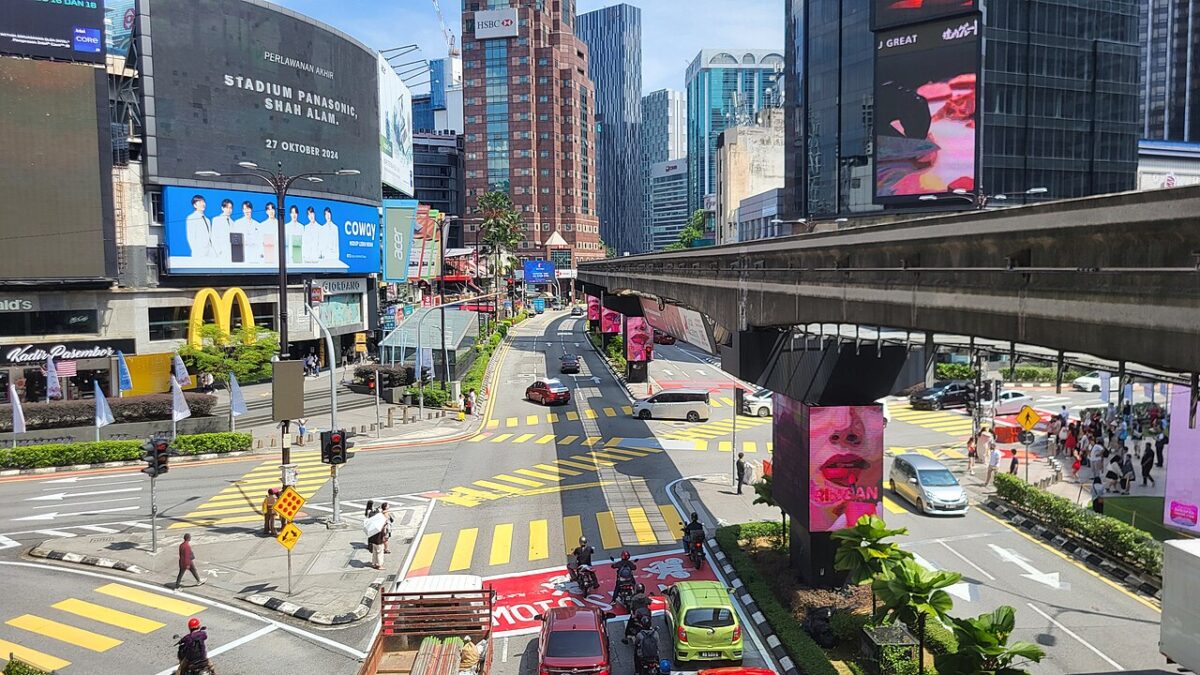
Welcome to Kuala Lumpur, a dynamic metropolis where gleaming skyscrapers meet ancient temples and bustling street markets. This Kuala Lumpur travel guide offers comprehensive insights for international travelers, ensuring you experience the best of Malaysia’s vibrant capital. Discover iconic landmarks, diverse culinary delights, and practical tips for an unforgettable journey through this fascinating city. If you’re planning a trip to this part of the world, also consider Browse Asia travel guides for more inspiration.
Why Visit Kuala Lumpur?
Kuala Lumpur, often abbreviated as KL, stands as a testament to Malaysia’s rapid development while retaining its rich cultural heritage. It is a city that effortlessly blends the old with the new, offering a captivating experience for every traveler.
Visitors are drawn to its architectural marvels, most notably the iconic Petronas Twin Towers, which dominate the city’s skyline. Beyond the impressive modernity, KL boasts a profound cultural tapestry, with influences from Malay, Chinese, and Indian communities evident in its cuisine, festivals, and religious sites.
The city’s culinary scene is a major draw, ranging from world-class fine dining to vibrant hawker stalls serving up authentic local dishes at incredibly affordable prices. Furthermore, Kuala Lumpur is a shopper’s paradise, home to massive malls offering international brands and bustling markets perfect for unique souvenirs.
Its strategic location also makes it an excellent gateway for exploring other parts of Malaysia and Southeast Asia. With efficient transportation and a reputation for hospitality, Kuala Lumpur promises an enriching and exciting travel experience. For a comprehensive overview of the country, consult our complete Malaysia travel guide.
Average Travel Cost in Kuala Lumpur
Understanding the Kuala Lumpur travel cost is essential for planning your trip. The city offers options for every budget, from backpackers to luxury seekers. Prices below are estimates for 2026, based on a single traveler per day in USD.
| Category | Budget Traveler | Mid-Range Traveler | Luxury Traveler |
|---|---|---|---|
| Hotel | $30 – $50 | $80 – $150 | $200+ |
| Food | $15 – $25 | $30 – $60 | $70+ |
| Transport | $5 – $10 | $15 – $30 | $40+ |
| Attractions | $5 – $15 | $20 – $40 | $50+ |
| Total Daily Cost | $55 – $100 | $145 – $280 | $360+ |
These figures are averages and can fluctuate based on specific choices, booking in advance, and current exchange rates. A Kuala Lumpur budget travel experience is very achievable by focusing on local food and public transport. For a more detailed breakdown, you can use our travel cost calculator.
Where to Stay in Kuala Lumpur
Choosing where to stay in Kuala Lumpur significantly impacts your travel experience. The city offers diverse neighborhoods, each with its unique charm and amenities. Here are three top recommendations:
-
Bukit Bintang: This is the vibrant heart of Kuala Lumpur, renowned for its shopping malls, entertainment venues, and bustling nightlife. It offers excellent connectivity via public transport and a wide range of hotels, from boutique stays to international chains.
Price Range: Mid-Range to Luxury ($80 – $250+ per night)
-
KLCC (Kuala Lumpur City Centre): Home to the iconic Petronas Twin Towers and KLCC Park, this area is perfect for those seeking luxury and convenience. It features upscale hotels, fine dining, and direct access to major attractions.
Price Range: Luxury ($150 – $400+ per night)
-
Chinatown/Petaling Street: For a more cultural and budget-friendly experience, Chinatown is an excellent choice. It’s known for its lively markets, historic shophouses, and delicious street food. Accommodation here often includes charming guesthouses and hostels.
Price Range: Budget to Mid-Range ($30 – $100 per night)
Best Things to Do in Kuala Lumpur
Kuala Lumpur is brimming with attractions that cater to all interests. Here are some of the best things to do in Kuala Lumpur, offering a mix of culture, nature, and modernity:
- Petronas Twin Towers: An absolute must-see, these iconic towers were once the tallest buildings in the world. Visitors can purchase tickets to walk across the Skybridge and ascend to the Observation Deck for breathtaking city views.
- Batu Caves: Just north of the city, this limestone hill features a series of caves and cave temples. A colossal golden statue of Lord Murugan guards the entrance, and 272 steps lead up to the main temple cave, offering stunning views and a unique spiritual experience.
- Merdeka Square (Independence Square): A historically significant site where Malaysia declared its independence. It’s surrounded by impressive colonial-era buildings, including the Sultan Abdul Samad Building, which showcases stunning Moorish architecture.
- Central Market (Pasar Seni): Housed in a beautifully preserved art deco building, Central Market is a hub for Malaysian arts, crafts, and souvenirs. It’s an excellent place to find batik, traditional clothing, and local handicrafts.
- KL Tower (Menara Kuala Lumpur): Offering panoramic views that rival the Petronas Towers, the KL Tower features an enclosed observation deck and an open-air Sky Deck. There’s also a revolving restaurant for a unique dining experience.
- KL Bird Park: Part of the Perdana Botanical Gardens, this is the world’s largest free-flight aviary. It’s home to thousands of birds from various species, providing an immersive natural experience within the city.
- Jalan Alor: This bustling street transforms into a vibrant outdoor food court every evening. It’s one of the best places to sample a wide array of Malaysian street food, from grilled seafood to satay and noodles.
- Thean Hou Temple: One of the largest and most ornate Chinese temples in Southeast Asia, dedicated to the Goddess of Heaven. Its intricate architecture, colorful decorations, and panoramic city views make it a beautiful photographic spot.
- Perdana Botanical Garden: A sprawling green oasis in the heart of KL, offering a tranquil escape from the urban hustle. It features themed gardens, walking paths, and attractions like the Orchid Garden and Hibiscus Garden.
- Museum of Islamic Art Malaysia: Boasting one of the finest collections of Islamic art in the world, this museum showcases intricate artifacts, textiles, and manuscripts. Its architecture is also a masterpiece in itself.
Where to Eat in Kuala Lumpur
The culinary scene in Kuala Lumpur is a highlight for many visitors, offering an incredible fusion of Malay, Chinese, and Indian flavors. Exploring the best restaurants in Kuala Lumpur is an adventure in itself.
- Jalan Alor Food Street: For an authentic street food experience, Jalan Alor is unparalleled. This bustling street comes alive at night with countless hawker stalls serving everything from char kway teow and satay to fresh seafood and exotic fruits. Prices are incredibly reasonable.
- Lot 10 Hutong: Located in the basement of the Lot 10 shopping mall, this upscale food court brings together legendary hawker stalls from across Malaysia, many of which have been operating for generations. It’s a clean, air-conditioned environment to try various local delicacies.
- Restoran Yut Kee: A classic Hainanese coffee shop that has been serving traditional breakfast and lunch since 1928. Famous for its Hainanese chicken chop, roti babi, and marble cake, it offers a nostalgic dining experience.
- Bijan Bar & Restaurant: For a more refined experience of traditional Malay cuisine, Bijan offers an elegant setting and a menu of exquisite dishes prepared with authentic recipes. It’s perfect for those looking to explore Malay fine dining.
- Little India (Brickfields): Immerse yourself in the flavors of India in Brickfields. Numerous restaurants serve authentic South and North Indian cuisine, including banana leaf rice, dosas, and flavorful curries. Saravanaa Bhavan is a popular choice for vegetarian options.
- PappaRich: A popular chain restaurant found throughout KL, PappaRich offers a convenient way to sample a wide range of Malaysian favorites, from nasi lemak and roti canai to laksa and various local beverages, in a comfortable setting.
3-Day Kuala Lumpur Itinerary
This Kuala Lumpur itinerary is designed to maximize your experience, blending iconic landmarks with cultural immersion and culinary exploration.
Day 1: Modern Marvels and Urban Exploration
Start your day at the iconic Petronas Twin Towers. Arrive early to purchase tickets for the Skybridge and Observation Deck, or simply admire them from KLCC Park. Afterwards, enjoy a leisurely stroll through KLCC Park, perhaps visiting the musical fountain show.
For lunch, explore the extensive food options at Suria KLCC mall or a nearby café. In the afternoon, ascend the KL Tower (Menara Kuala Lumpur) for alternative panoramic views of the city, including the Petronas Towers. Consider the Sky Deck for an open-air experience.
Spend your late afternoon exploring the vibrant shopping district of Bukit Bintang. Indulge in some retail therapy at Pavilion Kuala Lumpur or Fahrenheit88. As evening approaches, head to Jalan Alor for an unforgettable street food dinner, sampling a variety of local delicacies.
Day 2: Cultural Immersion and Heritage
Begin your day with a half-day trip to the spectacular Batu Caves. Climb the 272 steps to the main temple cave, marvel at the golden Lord Murugan statue, and observe the playful monkeys. Allow 3-4 hours for travel and exploration.
Return to the city for lunch in Chinatown. Explore Petaling Street, known for its bustling market and street food. Afterwards, visit Central Market (Pasar Seni) to browse local handicrafts, art, and souvenirs. It’s an excellent place to pick up unique gifts.
In the late afternoon, immerse yourself in history at Merdeka Square, admiring the colonial architecture like the Sultan Abdul Samad Building. Conclude your day with a visit to the beautiful Thean Hou Temple, especially enchanting at sunset, before enjoying dinner in Chinatown or Little India for diverse culinary choices.
Day 3: Nature, Art, and Relaxation
Dedicate your morning to the green lung of Kuala Lumpur, the Perdana Botanical Garden. Explore its various themed gardens, including the Orchid Garden, Hibiscus Garden, and the enchanting KL Bird Park, the world’s largest free-flight aviary. Allow ample time to wander and enjoy the serene environment.
For lunch, you can find cafes within the botanical gardens or head to nearby Brickfields (Little India) for authentic Indian cuisine. In the afternoon, dive into art and history at the Museum of Islamic Art Malaysia, showcasing stunning Islamic artifacts and architecture.
Spend your final evening enjoying a more relaxed pace. Consider a visit to a rooftop bar in Bukit Bintang for cocktails with a view, or indulge in a traditional Malaysian spa treatment. For dinner, explore one of the city’s fine dining establishments or revisit a favorite food spot.
Transportation Guide
Kuala Lumpur boasts an extensive and efficient public transportation network, making it easy to navigate the city. Understanding your options is key to stress-free travel.
- LRT, MRT, Monorail: These light rail systems form the backbone of KL’s public transport. The LRT (Light Rail Transit) and MRT (Mass Rapid Transit) cover most major areas, while the Monorail connects key shopping and entertainment districts like Bukit Bintang. Services are clean, air-conditioned, and affordable. Purchase a Touch ‘n Go card for seamless travel across all systems.
- KTM Komuter: This commuter rail service connects Kuala Lumpur to its suburban areas and is particularly useful for reaching destinations like Batu Caves.
- Buses: RapidKL operates an extensive bus network, supplementing the rail lines. While slower due to traffic, they can reach areas not covered by trains. The free GoKL City Bus service offers routes covering major tourist attractions in the city center.
- Ride-Sharing (Grab): Grab is ubiquitous in Kuala Lumpur and is often the most convenient and affordable option for door-to-door travel, especially for groups or when carrying luggage. The app is user-friendly and provides transparent pricing.
- Taxis: Traditional taxis are available but ensure the driver uses the meter. If not, agree on a fare beforehand to avoid overpaying. Grab is generally preferred for its transparency.
- Airport Transfers (KLIA): From Kuala Lumpur International Airport (KLIA/KLIA2), the fastest way to the city center is the KLIA Ekspres train, which takes approximately 28 minutes to KL Sentral. The KLIA Transit is a slower commuter train with more stops. Buses are a more budget-friendly option, taking about an hour. Grab is also available for direct transfers.
Money-Saving Tips
For those interested in Kuala Lumpur budget travel, there are numerous ways to save money without compromising on the experience:
- Utilize Public Transport: The LRT, MRT, and Monorail are incredibly affordable. Purchase a Touch ‘n Go card for better value and convenience. The free GoKL City Bus is also a fantastic option for getting around central areas.
- Eat Like a Local: Embrace hawker centers like Jalan Alor or Lot 10 Hutong. These offer delicious, authentic Malaysian food at a fraction of the cost of sit-down restaurants. Lunch sets at local cafes can also be very economical.
- Enjoy Free Attractions: Many of Kuala Lumpur’s best sights are free. Explore KLCC Park, Merdeka Square, Perdana Botanical Garden, Thean Hou Temple, and Chinatown without an entrance fee. Even the Petronas Towers can be admired for free from the outside.
- Stay in Budget-Friendly Areas: Neighborhoods like Chinatown, Bukit Bintang (further from the main malls), or areas slightly outside the immediate city center offer cheaper accommodation options, including hostels and guesthouses.
- Walk When Possible: Many attractions in central Kuala Lumpur are within walking distance of each other. This not only saves on transport costs but also allows you to discover hidden gems.
- Carry a Reusable Water Bottle: Stay hydrated in the tropical climate by refilling your bottle. This saves money on bottled water and reduces plastic waste.
Frequently Asked Questions
When is the best time to visit Kuala Lumpur?
The best time to visit Kuala Lumpur is generally during the drier months, from May to July or December to February. While KL experiences a tropical climate with year-round humidity and rainfall, these periods typically have less intense downpours, making outdoor activities more enjoyable. Always be prepared for occasional rain showers regardless of the season.
Is Kuala Lumpur safe for tourists?
Kuala Lumpur is generally a safe city for tourists. However, like any major urban center, petty crime such as pickpocketing and bag snatching can occur, especially in crowded tourist areas and markets. It’s advisable to be aware of your surroundings, secure your belongings, and avoid walking alone in poorly lit areas at night. Use reputable transport like Grab or official taxis. If you’re considering other destinations in the region, perhaps compare it with cities like Compare with Muscat or Check travel costs in Luxor for a broader perspective on regional travel expenses.
Do I need a visa to travel to Kuala Lumpur?
Visa requirements for Kuala Lumpur (Malaysia) depend on your nationality. Many countries, including the US, UK, EU, Australia, and New Zealand, are granted visa-free entry for tourism purposes for up to 90 days. It’s crucial to check the latest visa policies with the Malaysian embassy or consulate in your country well before your travel date, as regulations can change.
What currency is used in Kuala Lumpur, and can I use credit cards?
The official currency of Malaysia is the Malaysian Ringgit (RM or MYR). While major credit cards (Visa, Mastercard) are widely accepted in hotels, larger restaurants, and shopping malls, it’s advisable to carry some cash for smaller vendors, street food stalls, and local markets. ATMs are readily available throughout the city for cash withdrawals.
How many days do I need to explore Kuala Lumpur?
To experience the main highlights and get a good feel for Kuala Lumpur, a minimum of 3 to 4 full days is recommended. This allows you to visit iconic landmarks, explore cultural districts, indulge in the food scene, and perhaps take a day trip to nearby attractions like Batu Caves without feeling rushed. If you plan to include extensive shopping or more relaxed exploration, consider 5 days.

Kai has visited 60+ countries across 6 continents, with a obsession for one thing most travelers ignore: the real cost of getting there. Former budget backpacker turned data-driven travel writer, Kai breaks down destination costs so you can plan smarter — not just dream bigger. Based everywhere, from nowhere in particular.