First Time in Krakow? Your Essential Starter Guide
Welcome to Krakow, a city where centuries of history seamlessly blend with vibrant contemporary culture. This comprehensive Krakow travel guide offers essential insights for international travelers, covering everything from average costs and accommodation to top attractions and culinary delights. Prepare to immerse yourself in the enchanting beauty and profound heritage of this magnificent Polish gem.
Why Visit Krakow?
Krakow stands as one of Europe’s most captivating cities, a former royal capital that breathes history from every cobblestone. Its designation as a UNESCO World Heritage site underscores its immense cultural and architectural significance, inviting visitors to explore a wealth of historical treasures and experience a uniquely Polish charm.
The city offers a remarkable blend of stunning Gothic and Renaissance architecture, a rich Jewish heritage, and a vibrant arts scene. From the grandeur of Wawel Royal Castle to the poignant history of the Jewish Quarter and the bustling energy of the Main Market Square, Krakow provides a profound journey through time. Beyond its historical appeal, Krakow boasts a lively atmosphere, affordable prices, and a welcoming local culture, making it an ideal destination for diverse travelers seeking both enlightenment and entertainment.
Average Travel Cost in Krakow
Krakow remains one of Europe’s most budget-friendly destinations, offering excellent value without compromising on quality experiences. Prices are generally lower than in Western European capitals, allowing travelers to enjoy a rich itinerary regardless of their budget. Here’s an estimated daily cost comparison for 2026:
| Category | Budget Traveler | Mid-Range Traveler | Luxury Traveler |
|---|---|---|---|
| Hotel (per night) | €40 – €60 | €80 – €120 | €150 – €250+ |
| Food (per day) | €25 – €35 | €50 – €70 | €80 – €120+ |
| Transport (per day) | €5 – €8 | €8 – €12 | €15 – €25+ |
| Attractions (per day) | €10 – €15 | €20 – €30 | €35 – €50+ |
| Total (per day) | €80 – €118 | €158 – €232 | €280 – €445+ |
These figures are per person and can fluctuate based on specific choices, booking in advance, and seasonal demand. A budget traveler might opt for hostels, self-catering, and free attractions, while luxury travelers will enjoy boutique hotels, fine dining, and private tours.
Where to Stay in Krakow
Choosing the right neighborhood in Krakow can significantly enhance your travel experience. The city offers diverse areas, each with its unique character and range of accommodations. Here are three top recommendations:
Old Town (Stare Miasto)
The heart of Krakow, the Old Town, is ideal for first-time visitors who want to be amidst the main attractions. Staying here means you are steps away from the Main Market Square, Wawel Castle, and numerous historical sites. The area is bustling with restaurants, cafes, and shops, offering unparalleled convenience.
- Price Range: Higher end, with luxury hotels, boutique guesthouses, and a few mid-range options. Expect to pay €100-€300+ per night.
Kazimierz (Jewish Quarter)
Once a separate city, Kazimierz is now a vibrant, bohemian district known for its rich Jewish heritage, historic synagogues, and charming cobblestone streets. It’s a fantastic choice for those seeking a lively atmosphere, unique cafes, art galleries, and a buzzing nightlife. Kazimierz offers a more authentic and edgy experience than the Old Town.
- Price Range: Mid-range to upper-mid-range, with stylish boutique hotels, apartments, and comfortable guesthouses. Prices typically range from €70-€180 per night.
Podgórze
Located south of Kazimierz, across the Vistula River, Podgórze offers a quieter, more local experience with easy access to significant historical sites like Schindler’s Factory and Ghetto Heroes Square. This district is undergoing revitalization and provides excellent value, making it perfect for budget-conscious travelers or those looking for an authentic local feel away from the main tourist crowds.
- Price Range: Budget to mid-range, featuring hostels, modern apartments, and smaller hotels. Expect to find options from €40-€100 per night.
Best Things to Do in Krakow
Krakow is brimming with attractions that cater to every interest, from ancient history and architectural marvels to poignant memorials and natural wonders. Here is a curated list of must-visit sites:
- Wawel Royal Castle and Cathedral: Perched atop Wawel Hill, this majestic complex served as the residence of Polish kings for centuries. Explore the Royal Apartments, the State Rooms, and the Wawel Cathedral, where many Polish monarchs are buried. Don’t miss the legendary Wawel Dragon’s Den at the foot of the hill.
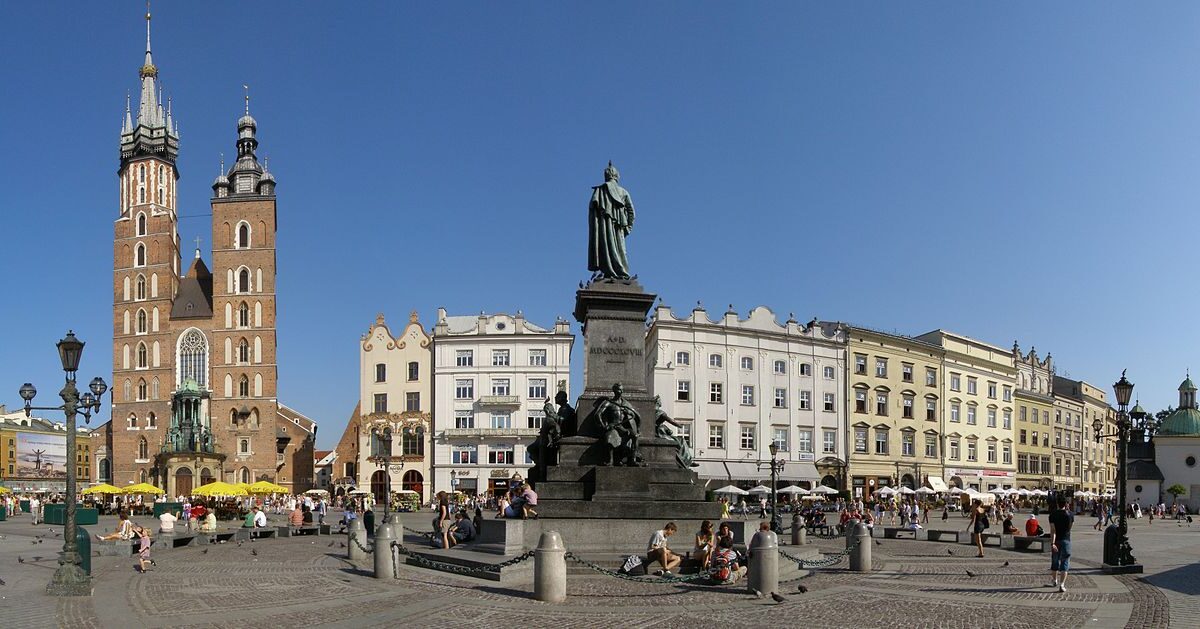
- Main Market Square (Rynek Główny): One of Europe’s largest medieval market squares, it is the vibrant heart of Krakow. Admire the stunning architecture, enjoy street performances, and soak in the lively atmosphere.
- Cloth Hall (Sukiennice): Located in the center of the Main Market Square, this historic trading hall once housed international merchants. Today, it hosts souvenir stalls on the ground floor and the Sukiennice Museum (Gallery of 19th-Century Polish Art) upstairs.
- St. Mary’s Basilica (Kościół Mariacki): An iconic Gothic church dominating the Main Market Square, famous for its elaborate wooden altarpiece carved by Veit Stoss. Every hour, a trumpeter plays the hejnał mariacki from its taller tower.
- Kazimierz (Jewish Quarter): Delve into the rich history and culture of Krakow’s Jewish community. Explore historic synagogues, cemeteries, and charming streets filled with cafes, bars, and independent shops.
- Oskar Schindler’s Enamel Factory Museum: A powerful and moving museum located in the former factory of Oskar Schindler, chronicling the wartime experiences of Krakow’s Jewish population and Schindler’s heroic efforts to save them.
- Auschwitz-Birkenau Memorial and Museum (Day Trip): A profoundly important and somber site, a former Nazi concentration and extermination camp. Located about an hour and a half from Krakow, it serves as a stark reminder of the Holocaust and a place for reflection. Booking a guided tour is highly recommended.
- Wieliczka Salt Mine (Day Trip): A truly extraordinary underground world, this UNESCO-listed salt mine features chapels carved entirely out of salt, including the stunning St. Kinga’s Chapel. It’s an incredible feat of engineering and art, located just outside the city.
- Barbican and City Walls: Explore the remnants of Krakow’s medieval fortifications, including the impressive circular Barbican and sections of the defensive walls. These structures offer a glimpse into the city’s past military might.
- Collegium Maius: The oldest building of Jagiellonian University, one of Europe’s oldest universities. Visitors can explore its beautiful courtyard, historic lecture halls, and an impressive collection of scientific instruments.
Where to Eat in Krakow
Krakow’s culinary scene is a delightful blend of traditional Polish flavors and international influences, catering to all tastes and budgets. From hearty pierogi to sophisticated fine dining, here are some recommendations:
- Traditional Polish Cuisine: Seek out restaurants specializing in classic dishes like pierogi (dumplings with various fillings), bigos (hunter’s stew), żurek (sour rye soup), and golonka (pork knuckle). Many establishments around the Old Town and Kazimierz offer these staples.
- Milk Bars (Bar Mleczny): For an authentic and incredibly budget-friendly experience, visit a traditional Polish milk bar. These cafeteria-style eateries serve simple, home-style Polish dishes at very low prices. Favorites include Bar Mleczny Targowy or Bar Mleczny Gornik.
- Kazimierz Eateries: The Jewish Quarter is a gastronomic hub, offering a diverse range of restaurants from traditional Jewish cuisine to modern fusion. Explore its charming streets for cozy cafes, lively pubs, and eateries serving everything from Middle Eastern to contemporary European dishes.
- Street Food: Don’t miss Krakow’s beloved street food. Try an obwarzanek krakowski (a bagel-like bread ring) from a street vendor for a quick snack. For something more substantial, find a zapiekanka (open-faced toasted sandwich) in Plac Nowy in Kazimierz, a true local favorite.
- Fine Dining: Krakow also boasts several excellent fine dining establishments for a more upscale experience. Restaurants like Szara Gęś on the Main Market Square offer elegant settings and refined Polish cuisine, while Copernicus, located in a boutique hotel near Wawel, provides Michelin-starred quality with stunning views.
3-Day Krakow Itinerary
This itinerary is designed to help you experience the best of Krakow’s history, culture, and charm within three days, balancing iconic sights with immersive experiences.
Day 1: Old Town Immersion
Begin your Krakow adventure in the heart of the city, the UNESCO-listed Old Town. Start your morning at the magnificent Main Market Square, one of Europe’s largest medieval squares. Explore the Cloth Hall (Sukiennice), browsing for unique souvenirs and admiring its historic architecture. Afterward, visit St. Mary’s Basilica to witness its stunning interior and hear the hourly trumpet call.
In the afternoon, make your way to Wawel Royal Castle and Cathedral. Dedicate several hours to exploring the Royal Apartments, State Rooms, and the crypts of Polish kings and queens. Descend to the legendary Dragon’s Den beneath the castle for a mythical end to your royal tour. Enjoy dinner in one of the many traditional Polish restaurants surrounding the Old Town square, savoring pierogi or bigos.
Day 2: Jewish Quarter & WWII History
Dedicate your second day to exploring Kazimierz, the historic Jewish Quarter. Begin by visiting the Old Synagogue and Remuh Synagogue, learning about Krakow’s rich Jewish heritage. Wander through the charming streets, stopping at cafes and art galleries that now populate the area.
In the afternoon, cross into the Podgórze district to visit Oskar Schindler’s Enamel Factory Museum. This powerful museum offers a profound insight into Krakow’s wartime history and the Holocaust. Conclude your day with a walk through Ghetto Heroes Square, reflecting on the poignant history it represents. Enjoy dinner in Kazimierz, choosing from its vibrant array of eateries, perhaps trying a traditional Jewish dish or modern fusion cuisine.
Day 3: Day Trip Adventures
Your third day offers the choice of two essential day trips from Krakow, both UNESCO World Heritage sites, providing contrasting yet equally compelling experiences.
Option A: Auschwitz-Birkenau Memorial and Museum. Take a guided tour to the former Nazi concentration and extermination camp, approximately 1.5 hours from Krakow. This visit is a profoundly moving and essential experience for understanding a critical period of human history. Allow for a full day, as the tour itself can take 6-7 hours.
Option B: Wieliczka Salt Mine. Alternatively, embark on an adventure to the Wieliczka Salt Mine, just 30 minutes from Krakow. Explore the incredible underground chambers, chapels carved entirely from salt, and stunning salt sculptures. This tour typically takes 3-4 hours, leaving you time to return to Krakow for a leisurely evening, perhaps revisiting a favorite spot or exploring a new neighborhood.
Transportation Guide
Krakow offers an efficient and user-friendly public transportation system, making it easy to navigate the city. Walking is also highly recommended, especially within the Old Town and Kazimierz, as many attractions are within close proximity.
- Public Transport: The city’s extensive network of trams and buses covers all major areas and operates frequently. Tickets can be purchased from machines at stops, on board some trams/buses, or via mobile apps. Various ticket types are available, including single-ride, 20-minute, 60-minute, 90-minute, 24-hour, 48-hour, and 72-hour passes. Validate your ticket immediately upon boarding.
- Taxis & Ride-Sharing: Taxis are readily available throughout the city, and ride-sharing services like Uber and Bolt also operate in Krakow. These offer convenient options for late-night travel or when carrying luggage. Always ensure you use official taxi services or reputable apps.
- Krakow Card: For visitors planning to use public transport extensively and visit multiple attractions, the Krakow Tourist Card (Krakow Card) can be a cost-effective option. It offers unlimited public transport and free entry to many museums and attractions.
- Airport Transfer: Kraków Airport John Paul II International Airport (KRK) is well-connected to the city center. The easiest and most affordable way to travel is by train (Koleje Małopolskie), which takes about 17 minutes to reach Kraków Główny (Main Train Station). Buses also operate regularly, and taxis or ride-sharing services are available.
Money-Saving Tips
Krakow is already budget-friendly, but savvy travelers can save even more without sacrificing the quality of their experience.
- Utilize Public Transport: Purchase multi-day public transport passes or the Krakow Card to save on transportation costs, rather than relying on taxis.
- Eat Like a Local: Dine at milk bars (Bar Mleczny) for incredibly cheap and authentic Polish meals. Explore street food options like zapiekanka and obwarzanek for budget-friendly snacks.
- Walk Everywhere: Many of Krakow’s main attractions in the Old Town and Kazimierz are within walking distance of each other. Enjoy the scenic strolls and save on transport.
- Free Attractions: Take advantage of free attractions such as wandering the Main Market Square, exploring Kazimierz’s streets, visiting the Dragon’s Den (exterior), and walking along the Vistula River. Many museums offer free entry on specific days of the week (check their websites).
- Book Accommodation in Advance: Especially during peak season, booking your hotel or apartment well in advance can secure better rates. Consider staying slightly outside the immediate Old Town for more affordable options.
- Hydrate Smart: Tap water in Krakow is generally safe to drink. Carry a reusable water bottle to refill and avoid purchasing bottled water.
- Look for Lunch Deals: Many restaurants offer special lunch menus (zestaw obiadowy) that provide excellent value compared to dinner prices.
Frequently Asked Questions
Is Krakow safe for tourists?
Krakow is generally considered a very safe city for tourists. Violent crime is rare, and visitors can feel comfortable exploring its streets even at night. As with any popular tourist destination, it is advisable to be aware of your surroundings, especially in crowded areas, and to guard against petty theft like pickpocketing.
What is the best time of year to visit Krakow?
The best time to visit Krakow is during the spring (April-May) and early autumn (September-October). During these months, the weather is pleasant, ideal for sightseeing, and the city is less crowded than in the peak summer season. Summer (June-August) offers warm weather and lively festivals, but also higher prices and more tourists. Winter (November-March) can be cold but brings festive Christmas markets and a charming, snowy atmosphere.
Do I need to speak Polish in Krakow?
No, you do not need to speak Polish to visit Krakow. English is widely spoken in tourist areas, hotels, restaurants, and by younger generations. While learning a few basic Polish phrases like “Dzień dobry” (Good day) or “Dziękuję” (Thank you) is always appreciated, you will find it easy to communicate in English for most interactions.
How many days are enough for Krakow?
A minimum of 3 full days is recommended to experience the main highlights of Krakow, including the Old Town, Jewish Quarter, and one major day trip (like Auschwitz-Birkenau or Wieliczka Salt Mine). If you wish to explore more museums, take both day trips, or simply soak in the city’s atmosphere at a leisurely pace, 4-5 days would be ideal.
Is Krakow expensive?
Compared to many Western European cities, Krakow is quite affordable, offering excellent value for money. Accommodation, food, and transportation costs are generally lower, making it an attractive destination for budget-conscious travelers. While luxury options are available, even mid-range budgets can afford a comfortable and enriching experience.

Kai has visited 60+ countries across 6 continents, with a obsession for one thing most travelers ignore: the real cost of getting there. Former budget backpacker turned data-driven travel writer, Kai breaks down destination costs so you can plan smarter — not just dream bigger. Based everywhere, from nowhere in particular.