Is Kotor Worth Visiting? Your Balkan Gem Guide
Why Visit Kotor?
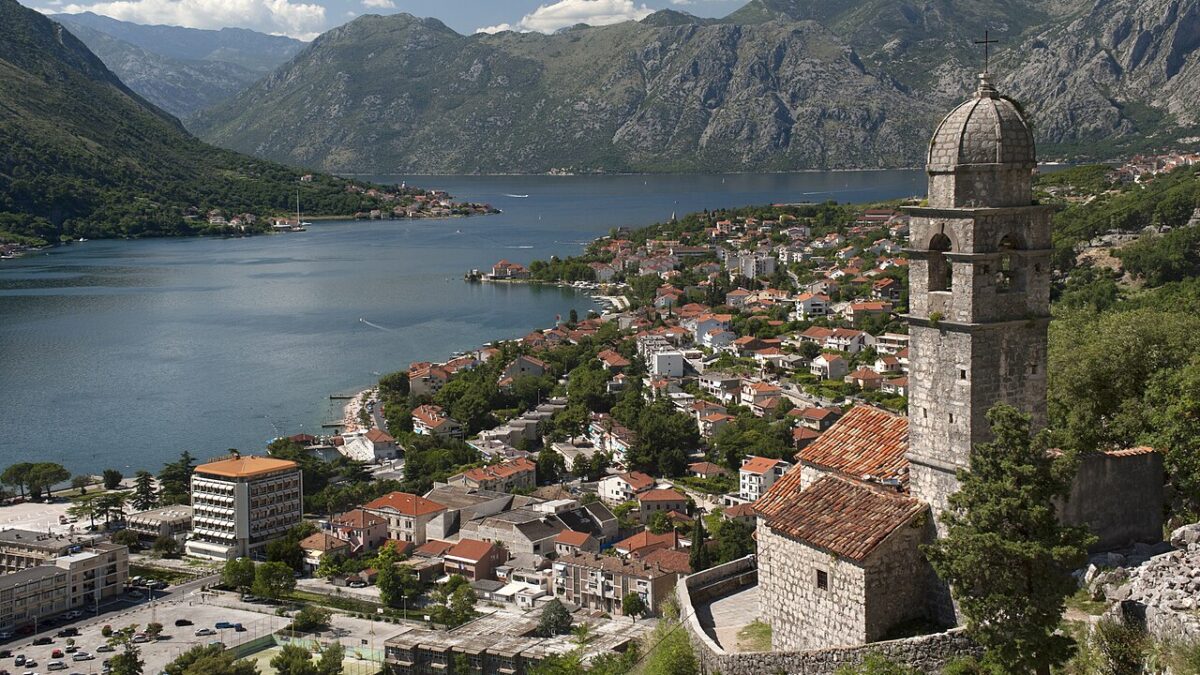
Visiting Kotor offers a unique blend of dramatic natural beauty and rich historical significance, making it a compelling destination for discerning travelers. This Kotor travel guide explores why the UNESCO World Heritage site, nestled at the end of a fjord-like bay, draws visitors seeking authentic experiences. Expect to find well-preserved medieval architecture, stunning mountain backdrops, and a vibrant culinary scene, all accessible with moderate travel costs compared to other European hotspots.
The city’s appeal lies in its compact, walkable Old Town, enclosed by formidable fortifications that snake up the mountainside. Beyond its historical core, Kotor provides access to the breathtaking Bay of Kotor, offering opportunities for boat trips and exploration of charming coastal villages. The accessibility of Kotor, coupled with its relatively affordable prices for accommodation and dining, positions it as a highly attractive European destination for 2026.
Who This Guide Is For
This guide is tailored for first-time visitors planning a 4-7 day trip to Kotor, focusing on cultural immersion and scenic exploration. It is also beneficial for budget-conscious travelers aiming for a daily expenditure under $100, and those interested in understanding practical costs and logistics for planning their visit.
Average Travel Cost in Kotor
The following table outlines the estimated daily travel costs per person in Kotor, based on current exchange rates and verified data.
| Category | Budget | Mid-Range | Luxury |
|---|---|---|---|
| Accommodation | $30 | $80 | $200 |
| Food | $25 | $50 | $120 |
| Transport | $5 | $20 | $60 |
| Attractions | $10 | $30 | $70 |
| Misc | $10 | $20 | $50 |
| Daily Total | $80 | $200 | $500 |
Estimated total costs for different trip durations:
* 3-Day Trip:
* Budget: $240
* Mid-Range: $600
* Luxury: $1500
* 7-Day Trip:
* Budget: $560
* Mid-Range: $1400
* Luxury: $3500
Accommodation costs can vary significantly between hotels and Airbnb-style rentals. For instance, a 7-night stay in a mid-range hotel might cost upwards of $560, whereas a comparable Airbnb could be found for approximately $400, offering a potential saving of around $160 for travelers prioritizing value.
Seasonal price fluctuations are notable. The peak season, from June to August, commands the highest prices for accommodation and services. Shoulder seasons (April-May and September-October) offer a balance of pleasant weather and more moderate pricing. Off-season (November-March) presents the lowest costs but with limited tourist infrastructure and potentially inclement weather. Tipping culture suggests 10% at restaurants. The current exchange rate is approximately 1 USD = 0.92 EUR (€).
Where to Stay in Kotor
Kotor offers a range of accommodation options, each catering to different traveler preferences.
Old Town: This is the historic heart of Kotor, characterized by its labyrinthine cobblestone streets, ancient buildings, and vibrant atmosphere.
* Price Range (per night): Budget $40-$70, Mid-Range $90-$150
* Best for: Travelers seeking immersion in history and convenience to attractions.
* Insider Tip: Book accommodation well in advance, especially for properties within the walls, as availability is limited and highly sought after.
Dobrota: Located just a short walk or bus ride north of the Old Town, Dobrota is known for its charming waterfront promenade, traditional stone houses, and clearer, less crowded swimming spots.
* Price Range (per night): Budget $35-$60, Mid-Range $70-$120
* Best for: Travelers seeking a quieter, more local experience with easy access to the Old Town.
* Insider Tip: Look for apartments with sea views; many offer direct access to the water for swimming.
Perast: A picturesque Baroque town situated further up the bay, Perast offers a more tranquil and luxurious experience, famous for its two iconic islets.
* Price Range (per night): Mid-Range $100-$200 (Budget options are scarce)
* Best for: Couples, honeymooners, and travelers seeking a peaceful, romantic escape.
* Insider Tip: Consider staying here for a night or two as a serene base, using it to explore Kotor and surrounding areas via water taxi.
Best Things to Do in Kotor
St. John’s Fortress (San Giovanni)
This ancient fortress, a UNESCO World Heritage site, offers a challenging climb rewarded with unparalleled panoramic views of Kotor and the bay. Its historical significance lies in its role as a defensive structure dating back to the 9th century.
* Average Ticket Price: €8 (approx. $8.70)
* Best Time to Visit: Early morning (before 9 AM) or late afternoon (after 4 PM) to avoid the midday sun and crowds.
* Insider Tip: Wear sturdy footwear and bring ample water. The climb can take 1.5-2 hours round trip for most.
Kotor Old Town
A UNESCO World Heritage site, the Old Town is a remarkably preserved medieval city enclosed by impressive fortifications. Its narrow streets, historic churches, and Venetian architecture offer a captivating glimpse into centuries of history.
* Average Ticket Price: Free to enter the town; some churches and museums have entry fees.
* Best Time to Visit: Early morning or evening to experience its charm without the daytime rush of cruise ship passengers.
* Insider Tip: Purchase a Kotor Card for discounts on attractions and local transport if you plan to visit multiple sites.
Bay of Kotor Boat Tour
Explore the stunning fjord-like bay, visiting iconic islets like Our Lady of the Rocks and St. George, and the charming town of Perast. This is an essential experience to appreciate the bay’s unique geography.
* Average Ticket Price: €25-€50 (approx. $27-$54) depending on duration and stops.
* Best Time to Visit: Mid-morning, as tours typically depart around 10 AM and return by late afternoon.
* Insider Tip: Book tours directly from local operators near the Kotor waterfront for better pricing and to avoid online booking fees.
Maritime Museum of Montenegro
Located in the Grgurina Palace within the Old Town, this museum showcases Kotor’s rich seafaring history, displaying artifacts, models of ships, and exhibits on naval traditions.
* Average Ticket Price: €4 (approx. $4.35)
* Best Time to Visit: Weekday mornings to avoid weekend crowds.
* Insider Tip: Combine your visit with a stroll through the nearby squares and enjoy a coffee at a local cafe.
Cathedral of Saint Tryphon
A prominent Romanesque cathedral in the Old Town, consecrated in 1166, it is a significant religious and architectural landmark, featuring beautiful frescoes and a treasury of historical artifacts.
* Average Ticket Price: Free to enter the main church; €3 (approx. $3.26) for the treasury and bell tower.
* Best Time to Visit: During daylight hours, though check for specific service times.
* Insider Tip: Climb the bell tower for a different perspective of the Old Town and surrounding mountains.
Lovćen National Park
While not directly in Kotor, this park is a highly recommended day trip, home to the mausoleum of Petar II Petrović-Njegoš, offering breathtaking views of the Montenegrin coast and hinterland.
* Average Ticket Price: Park entrance is free; Mausoleum entrance is €3 (approx. $3.26).
* Best Time to Visit: Late spring or early autumn for clear visibility and pleasant hiking conditions.
* Insider Tip: Rent a car or join a guided tour for the most efficient way to reach the park and its viewpoints.
Where to Eat in Kotor
Kotor’s culinary scene offers a delightful mix of traditional Montenegrin dishes and Mediterranean influences.
* Cuisine Type: Traditional Montenegrin & Mediterranean
* Price Range: €10-€25 per meal
* What to Order: Njeguški pršut (smoked ham), grilled seafood (orada, brancin), Kačamak (cornmeal porridge with cheese and potatoes), local wines.
* Location Tip: Explore restaurants tucked away in the smaller alleys of the Old Town for authentic experiences away from the main squares.
* Cuisine Type: Pizzerias & Casual Dining
* Price Range: €7-€15 per meal
* What to Order: Wood-fired pizzas, pasta dishes, salads.
* Location Tip: Many pizzerias are located along the waterfront outside the Old Town walls, offering sea views.
* Cuisine Type: Seafood Restaurants
* Price Range: €15-€30 per meal
* What to Order: Freshly caught fish, octopus salad, black risotto (crni rižot).
* Location Tip: Look for restaurants in coastal villages like Dobrota or Perast for exceptionally fresh seafood.
* Cuisine Type: Cafes & Bakeries
* Price Range: €3-€8 per item
* What to Order: Burek (savory pastry), croissants, local pastries, coffee.
* Location Tip: Numerous small bakeries are scattered throughout the Old Town, perfect for a quick breakfast or snack.
3-Day Kotor Itinerary
This itinerary balances historical exploration with scenic enjoyment, suitable for a mid-range budget traveler.
Day 1
* Morning: Arrive in Kotor, check into accommodation. Begin with an exploration of the Kotor Old Town. Visit the Cathedral of Saint Tryphon and wander through its charming streets.
* Afternoon: Climb St. John’s Fortress for panoramic views. Allow 2-3 hours for the ascent and descent.
* Evening: Enjoy a traditional Montenegrin dinner in the Old Town.
* Estimated Daily Cost: $150 (assuming mid-range accommodation and dining)
Day 2
* Morning: Take a boat tour of the Bay of Kotor, visiting Our Lady of the Rocks and Perast.
* Afternoon: Explore Perast, a picturesque Baroque town, and enjoy lunch overlooking the bay.
* Evening: Return to Kotor and enjoy a relaxed evening, perhaps a casual meal or drinks by the waterfront.
* Estimated Daily Cost: $180 (includes boat tour and lunch in Perast)
Day 3
* Morning: Visit the Maritime Museum of Montenegro to delve into the region’s seafaring heritage.
* Afternoon: Take a bus or taxi to Lovćen National Park for stunning vistas. Visit the Njegoš Mausoleum.
* Evening: Enjoy a farewell dinner in Kotor, perhaps trying a seafood specialty.
* Estimated Daily Cost: $170 (includes transport to Lovćen and museum entry)
Transportation Guide
Getting to Kotor is straightforward, with the nearest major airport being Tivat Airport (TIV), located approximately 8 km away. Podgorica Airport (TGD) is about 80 km distant.
From Tivat Airport: Taxis are readily available and will cost approximately €15-€20 (approx. $16-$22) to reach Kotor. Pre-booked airport transfers can offer fixed rates.
From Podgorica Airport: Bus services connect Podgorica Airport to the city center, from where you can catch a bus to Kotor. The bus journey from Podgorica to Kotor takes approximately 2-3 hours and costs around €7-€10 (approx. $7.60-$10.80). Alternatively, a taxi from Podgorica directly to Kotor will be significantly more expensive, likely exceeding €60 (approx. $65).
Public Transit within Kotor: The Old Town is entirely pedestrianized. For travel to nearby towns like Perast or Dobrota, local buses are frequent and cost-effective, typically €1-€2 (approx. $1.10-$2.20) per ride. Tickets are usually purchased directly from the driver.
Rideshare Availability: Ridesharing services like Uber are not officially available in Kotor. Local taxi services are the primary option for on-demand transport outside of bus routes. It is advisable to agree on a price with the taxi driver before commencing your journey.
Practical Tips: Purchase bus tickets in advance from the main bus station in Kotor if planning longer journeys. For shorter trips within the bay, consider water taxis for a scenic alternative. If planning extensive exploration of the surrounding region, renting a car offers flexibility, though parking in Kotor’s Old Town is restricted. Browse Europe travel guides for comparisons.
Money-Saving Tips
Pro Tip 1: Purchase groceries from local markets and supermarkets outside the Old Town walls to prepare your own breakfasts and lunches. This can reduce daily food expenses by an average of $15-$20.
Pro Tip 2: Take advantage of free walking tours offered in the Old Town. While tipping is expected, it is significantly less than guided tour fees, saving approximately $20-$30 per person.
Pro Tip 3: Visit attractions during the shoulder seasons (April-May, September-October) when accommodation and tour prices can be up to 20% lower than in peak summer months.
Common Travel Mistakes
Mistake 1: Underestimating the physical demands of climbing St. John’s Fortress. Tourists often wear inappropriate footwear or fail to bring sufficient water, leading to discomfort and potential injury. Wear sturdy shoes and carry at least 1 liter of water per person.
Mistake 2: Relying solely on credit cards in smaller establishments. While major hotels and restaurants accept cards, many smaller shops, cafes, and market stalls operate on a cash-only basis. Always carry some Euros for incidental purchases.
Frequently Asked Questions
How much money do you need for 3 days in Kotor?
For a 3-day trip to Kotor, a budget traveler can expect to spend approximately $240. A mid-range traveler will likely need around $600, while a luxury traveler should budget approximately $1500. These estimates cover accommodation, food, transport, and activities.
Is Kotor expensive for tourists?
Kotor offers a range of pricing. Compared to Western European capitals, it is generally more affordable. Budget travelers can manage on $80 per day, while mid-range visitors can expect to spend $200 daily. Luxury options are available but are still competitive with other European destinations.
What is the best area to stay in Kotor?
The Old Town is ideal for those who want to be immersed in history and close to attractions. For a quieter experience with waterfront access, Dobrota is recommended. Perast offers a more serene and upscale stay, ideal for a romantic getaway.
Can you visit Kotor without a car?
Yes, a car is not essential for visiting Kotor. The Old Town is pedestrian-only. Local buses are efficient and affordable for exploring nearby towns like Perast and Dobrota. For longer excursions, consider organized tours or car rentals for specific days.
What is the cheapest month to visit Kotor?
The cheapest months to visit Kotor are typically from November to March, which constitute the off-season. During this period, accommodation and flight prices are at their lowest. However, weather can be unpredictable, and some tourist facilities may have reduced operating hours.

Kai has visited 60+ countries across 6 continents, with a obsession for one thing most travelers ignore: the real cost of getting there. Former budget backpacker turned data-driven travel writer, Kai breaks down destination costs so you can plan smarter — not just dream bigger. Based everywhere, from nowhere in particular.