First Time in Kigali? Your Essential Starter Guide
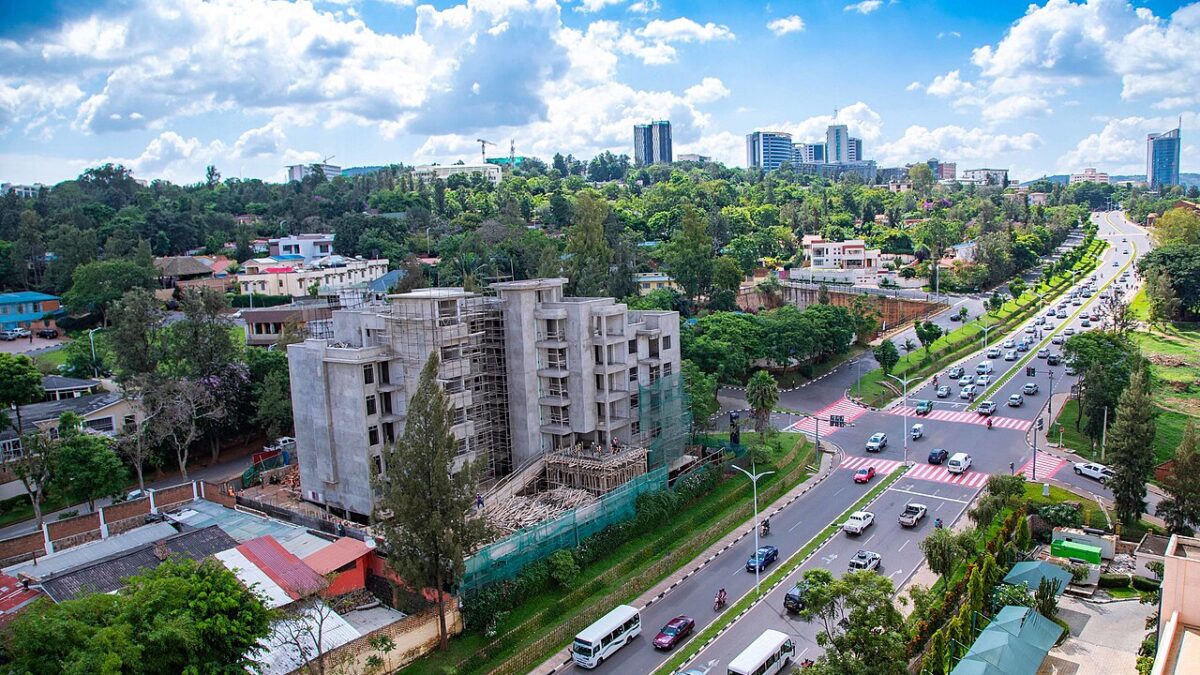
Kigali: The City of Resilience and Renewal
Kigali offers a compelling blend of historical reflection, modern development, and natural beauty, making it a prime destination for discerning travelers in 2026. This Kigali travel guide highlights its efficient infrastructure, burgeoning culinary scene, and accessible pricing for a fulfilling visit. Explore vibrant markets, poignant memorials, and lush landscapes, all within a manageable urban footprint.
The city’s commitment to cleanliness and safety provides a comfortable environment for exploration, while its strategic location allows for easy access to Rwanda’s renowned wildlife and cultural attractions. From the poignant Kigali Genocide Memorial to the innovative Inema Arts Center, Kigali provides a multifaceted introduction to contemporary East Africa, offering unique experiences that resonate long after departure.
Who This Guide Is For
This guide is tailored for first-time visitors planning a 4-6 day trip to Kigali, seeking a balanced experience of culture, history, and local life. It is particularly useful for travelers with a mid-range budget, aiming for comfortable accommodations and diverse dining experiences, and those interested in understanding Rwanda’s recent history and its forward-looking present.
Average Travel Cost in Kigali
The following data provides an estimated daily cost for travelers in Kigali, based on current exchange rates (1 USD = 1200 RWF) and verified pricing. These figures are intended to assist with budgeting and planning.
| Category | Budget | Mid-Range | Luxury |
|---|---|---|---|
| Accommodation | $25 | $75 | $200 |
| Food | $15 | $35 | $80 |
| Transport | $5 | $20 | $50 |
| Attractions | $10 | $40 | $100 |
| Misc | $10 | $20 | $50 |
| Daily Total | $65 | $190 | $480 |
Estimated total costs for common trip durations:
* 3-Day Trip:
* Budget: $195
* Mid-Range: $570
* Luxury: $1440
* 7-Day Trip:
* Budget: $455
* Mid-Range: $1330
* Luxury: $3360
For accommodation, opting for Airbnb-style rentals can offer significant savings compared to traditional hotels, particularly for longer stays or for groups. While hotels provide amenities and services, apartments or guesthouses often present a more cost-effective solution, allowing for kitchen access and a more local living experience, especially in the budget and mid-range categories.
Seasonal price variations are notable, with the peak tourist season from June to August often seeing slightly higher accommodation rates. Shoulder seasons (March-May and September-November) offer a balance of good weather and more moderate pricing. The off-season (December-February) can present the lowest prices, though weather can be more unpredictable. Tipping culture suggests a 10% gratuity at restaurants for satisfactory service. Travelers can utilize our travel cost calculator to further refine their budget.
Where to Stay in Kigali
Kigali’s neighborhoods offer distinct experiences, catering to various traveler preferences and budgets. Understanding these areas can significantly enhance your stay.
* Kiyovu: This historic hilltop neighborhood is known for its charming colonial architecture, boutique shops, and upscale restaurants. It offers a blend of old-world charm and contemporary style.
* Price Range: Mid-Range to Luxury ($80 – $250+ per night)
* Best For: Travelers seeking a sophisticated atmosphere, boutique shopping, and fine dining.
* Insider Tip: Explore the independent art galleries and artisan shops scattered throughout the area for unique souvenirs.
* Kacyiru: A more modern and administrative district, Kacyiru is home to many embassies, government buildings, and international organizations. It offers well-maintained streets and a sense of order.
* Price Range: Budget to Mid-Range ($40 – $120 per night)
* Best For: Business travelers, those seeking proximity to government offices, and individuals preferring a quieter, well-organized environment.
* Insider Tip: Enjoy panoramic city views from restaurants and cafes located on higher grounds within Kacyiru.
* Gisozi: This residential area is best known for housing the Kigali Genocide Memorial. It offers a more local feel and is a practical base for those prioritizing respectful engagement with Rwanda’s history.
* Price Range: Budget ($30 – $70 per night)
* Best For: Budget-conscious travelers, history enthusiasts, and those seeking an authentic residential experience.
* Insider Tip: Consider staying in Gisozi to be within walking distance of the Genocide Memorial, allowing for a more contemplative visit.
Best Things to Do in Kigali
Kigali Genocide Memorial
This profoundly impactful site serves as a permanent exhibition dedicated to the victims and survivors of the 1994 genocide against the Tutsi. It is essential for understanding Rwanda’s recent history and its path toward reconciliation.
* Average ticket price: $15 (includes audio guide)
* Best time to visit: Weekdays, preferably in the morning to avoid larger tour groups. Allow at least 2-3 hours for a thorough visit.
* Insider Tip: Reserve ample time for reflection. The memorial gardens offer a peaceful space for contemplation after viewing the exhibits.
Inema Arts Center
A dynamic hub for contemporary Rwandan art, Inema showcases the work of over a dozen resident artists. It fosters creativity and provides a platform for emerging talent, offering a vibrant glimpse into the country’s artistic expression.
* Average ticket price: Free entry; purchases at the gallery are optional.
* Best time to visit: Tuesday to Sunday, 9 AM – 6 PM. Evening events and workshops are often held on Saturdays.
* Insider Tip: Attend a workshop or talk if available to engage directly with the artists and gain deeper insights into their creative processes.
Kigali Convention Centre
An architectural marvel, the convention center’s distinctive dome-shaped design, resembling a traditional Rwandan beehive, makes it a significant landmark. It hosts international conferences and cultural events, symbolizing Kigali’s modern development.
* Average ticket price: Free to view from the exterior; access to specific events or tours may incur a fee.
* Best time to visit: Anytime for exterior viewing; check event schedules for interior access.
* Insider Tip: Visit at sunset for impressive photographic opportunities as the building is illuminated.
Kimironko Market
This bustling marketplace is a sensory experience, offering a vast array of local produce, textiles, crafts, and household goods. It is an excellent place to observe daily life and practice your bargaining skills.
* Average ticket price: Free entry; purchases are at your discretion.
* Best time to visit: Early mornings (7 AM – 10 AM) for the freshest produce and liveliest atmosphere.
* Insider Tip: Be prepared to politely decline persistent vendors. Focus on items you genuinely wish to purchase and negotiate prices respectfully.
Caplaki Crafts Village
A collection of artisan stalls selling traditional Rwandan crafts, including woven baskets, wooden carvings, paintings, and jewelry. It provides a convenient and organized environment for souvenir shopping.
* Average ticket price: Free entry; purchases are optional.
* Best time to visit: Daily, 8 AM – 6 PM.
* Insider Tip: While prices are generally fixed, polite negotiation can sometimes yield small discounts, especially for multiple items.
Mount Kigali
Offering panoramic views of the city and surrounding countryside, Mount Kigali is a popular spot for hiking and recreation. It provides a natural escape from the urban environment and a chance for physical activity.
* Average ticket price: Small fee for vehicle access or a nominal fee for guided hikes.
* Best time to visit: Early morning or late afternoon for cooler temperatures and better light for photography.
* Insider Tip: Hire a local guide for a more informed trek and to learn about the local flora and fauna.
Where to Eat in Kigali
Kigali’s culinary landscape is a vibrant fusion of traditional Rwandan flavors and international influences. Exploring its diverse offerings is a key part of the travel experience.
* Cuisine Type: Rwandan Traditional & East African
* Price Range: $10 – $25 per meal
What to Order: Brochettes (grilled meat skewers, often beef or goat), Ugali (maize porridge), Isombe* (mashed cassava leaves with palm oil), and various local fish dishes.
* Location Tip: Seek out local eateries in neighborhoods like Gisozi or Nyamirambo for authentic, budget-friendly experiences.
* Cuisine Type: International Fusion
* Price Range: $25 – $50 per meal
* What to Order: Creative dishes often incorporating local ingredients with global techniques, such as pan-seared fish with exotic fruit salsa or spiced lamb chops.
* Location Tip: Explore restaurants in Kiyovu and Kacyiru for upscale dining with international flair.
* Cuisine Type: African Continental
* Price Range: $15 – $30 per meal
What to Order: A broader range of African dishes, potentially including Ethiopian injera, Kenyan nyama choma*, or West African stews.
* Location Tip: Look for restaurants advertising diverse African menus in central Kigali districts.
* Cuisine Type: Casual Cafes & Bakeries
* Price Range: $5 – $15 per meal/snack
* What to Order: Freshly baked pastries, sandwiches, salads, and coffee. Many offer lighter options for breakfast or lunch.
* Location Tip: Widely available throughout the city, particularly in commercial areas and near tourist attractions, offering convenient refreshment stops.
3-Day Kigali Itinerary
Day 1
* Morning: Visit the Kigali Genocide Memorial in Gisozi to understand Rwanda’s history. Allow at least 2-3 hours for a comprehensive and reflective experience.
* Afternoon: Explore the Inema Arts Center in the Kinyinya neighborhood, engaging with contemporary Rwandan art and meeting local artists.
* Evening: Enjoy dinner at a restaurant in Kiyovu, experiencing Kigali’s sophisticated dining scene with a mix of local and international cuisine.
* Estimated Daily Cost: $190 (Mid-Range)
Day 2
* Morning: Immerse yourself in the vibrant atmosphere of Kimironko Market for local produce, crafts, and an authentic cultural immersion.
* Afternoon: Ascend Mount Kigali for panoramic city views and a light hike, enjoying the natural scenery surrounding the capital.
* Evening: Discover the diverse culinary offerings in the Nyamirambo neighborhood, known for its vibrant streets and local eateries serving traditional Rwandan dishes.
* Estimated Daily Cost: $115 (Mid-Range, adjusted for market purchases)
Day 3
* Morning: Visit Caplaki Crafts Village for souvenir shopping, finding unique handmade items and interacting with local artisans.
* Afternoon: Explore the Kigali Convention Centre’s striking architecture and its surrounding modern development, symbolizing Kigali’s progress.
* Evening: Conclude your Kigali experience with a farewell dinner at a restaurant offering views of the city, reflecting on your visit.
* Estimated Daily Cost: $170 (Mid-Range)
Transportation Guide
Arriving at Kigali International Airport (KGL), visitors have several options for reaching their accommodation. Taxis are readily available outside the arrivals hall; negotiate the fare before starting your journey or opt for pre-paid airport taxis. Rideshare services like Uber and Yego Moto are also operational in Kigali and can be a convenient and often more affordable alternative, with prices clearly displayed within the app.
Public transportation within Kigali primarily consists of minibusses known as matatus. These are an economical option for navigating the city, though they can be crowded and follow set routes. For more comfort and direct travel, hiring a private taxi or using rideshare apps is recommended. Many hotels can also arrange airport transfers or local transport. Consider the distances between attractions when planning your daily travel, as traffic can impact journey times. For those planning extensive travel within Rwanda, renting a car or hiring a driver for day trips is advisable. Browse Africa travel guides for more regional transport insights.
Money-Saving Tips
Pro Tip 1: Eat at local markets and smaller, family-run restaurants (known as ‘mama kings’) for authentic Rwandan cuisine at significantly lower prices. Budget travelers can expect to spend $10-$15 per day on food by prioritizing these options.
Pro Tip 2: Utilize rideshare apps like Yego Moto for short to medium distances instead of private taxis. This can reduce daily transport costs by 30-50% compared to traditional taxi services.
Pro Tip 3: Purchase souvenirs directly from artisan workshops like Caplaki Crafts Village or even directly from artists at places like Inema Arts Center, rather than tourist shops, to potentially save 15-25% on handcrafted items.
Common Travel Mistakes
Mistake 1: Underestimating the time needed for the Kigali Genocide Memorial. Tourists often allocate only an hour, but a thorough and emotionally resonant visit requires a minimum of 2-3 hours. Plan your day accordingly to allow for sufficient reflection.
Mistake 2: Not carrying small denominations of Rwandan Francs (RWF). While larger establishments accept cards, many local markets, smaller shops, and informal transport require cash. Having RWF 5,000 to RWF 10,000 in smaller bills is advisable for daily transactions.
Frequently Asked Questions
How much money do you need for 3 days in Kigali?
For a 3-day trip to Kigali, budget travelers can expect to spend approximately $195, focusing on affordable accommodation, local eateries, and public transport. Mid-range travelers will likely spend around $570 for more comfortable lodging, varied dining, and private transport. Luxury travelers should budget approximately $1440 for high-end hotels, fine dining, and premium experiences.
Is Kigali expensive for tourists?
Kigali offers a range of price points, making it accessible to various budgets. While luxury options can be comparable to Western cities, budget and mid-range travel are considerably more affordable. Compared to destinations like Zanzibar City, Kigali can be slightly more structured in its pricing, particularly for attractions and services, but still offers excellent value.
What is the best area to stay in Kigali?
The best area to stay depends on your priorities. Kiyovu is ideal for those seeking upscale amenities and a charming atmosphere, while Kacyiru offers a convenient base for business travelers. For budget-conscious visitors and those interested in history, Gisozi, near the Genocide Memorial, provides a more local and reflective experience.
Can you visit Kigali without a car?
Yes, it is entirely feasible to visit Kigali without a car. The city has a functional public transport system of minibusses, and rideshare services like Uber and Yego Moto are widely available and reliable for getting around. Many attractions are also within reasonable proximity to each other in central areas.
What is the cheapest month to visit Kigali?
The cheapest months to visit Kigali are generally during the off-season, which typically falls between December and February. During this period, accommodation prices may see a slight decrease, and there can be fewer crowds, offering a more relaxed travel experience.

Kai has visited 60+ countries across 6 continents, with a obsession for one thing most travelers ignore: the real cost of getting there. Former budget backpacker turned data-driven travel writer, Kai breaks down destination costs so you can plan smarter — not just dream bigger. Based everywhere, from nowhere in particular.