First Time in Hobart? Your Essential Explorer’s Map
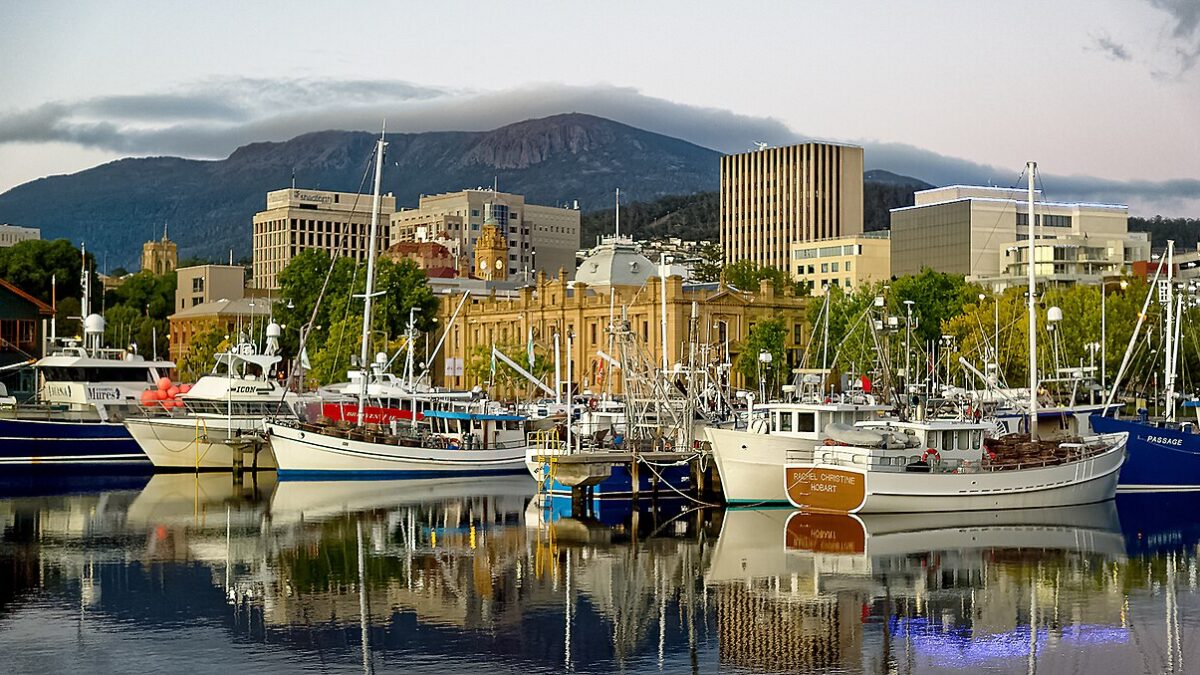
Hobart, Tasmania’s captivating capital, offers an unparalleled blend of rugged natural beauty, profound history, and a vibrant contemporary culture. This comprehensive Hobart travel guide provides essential information for international visitors, covering everything from average travel costs and accommodation options to must-see attractions and a detailed itinerary.
Why Visit Hobart?
Hobart stands as a unique destination, where the majestic kunanyi/Mount Wellington serves as a dramatic backdrop to a bustling harbour city. Visitors are drawn to its pristine air, the captivating juxtaposition of colonial architecture with modern art, and its proximity to some of Australia’s most untouched wilderness. For a broader perspective on this part of the world, check out Browse Oceania travel guides.
The city boasts a rich maritime history evident in its historic waterfront and charming precincts like Battery Point. Furthermore, Hobart has emerged as a culinary hotspot, celebrated for its fresh Tasmanian produce, world-class seafood, and award-winning wines and spirits. It provides an authentic Australian experience distinct from the larger mainland cities, appealing to those seeking culture, adventure, and relaxation. If you’re curious about other Australian cities, explore our complete Australia travel guide.
Average Travel Cost in Hobart
Understanding the potential financial outlay is crucial for planning your trip to Tasmania’s capital. While Hobart can cater to various budgets, prices are generally comparable to other major Australian cities, with some variations due to its island location. This guide provides estimated daily costs for 2026, offering a clear picture of what to expect. Use our travel cost calculator to estimate your trip expenses.
| Category | Budget (AUD) | Mid-Range (AUD) | Luxury (AUD) |
|---|---|---|---|
| Hotel | 120 – 180 | 200 – 350 | 400+ |
| Food | 45 – 75 | 80 – 150 | 160+ |
| Transport | 10 – 20 | 25 – 50 | 60+ |
| Attractions | 25 – 50 | 60 – 120 | 130+ |
| Total Daily Cost | 200 – 325 | 365 – 670 | 750+ |
Note: These are average daily costs per person and can fluctuate based on specific choices, seasonality, and advance bookings. Flights to and from Hobart are not included in these daily estimates.
Where to Stay in Hobart
Choosing the right accommodation is key to enjoying your Hobart experience. The city offers diverse neighborhoods, each with its unique charm and amenities, catering to different preferences and budgets. Here are three recommended areas for where to stay in Hobart.
-
Salamanca & Waterfront: This vibrant precinct is the heart of Hobart’s tourism, especially bustling on Saturdays during the famous Salamanca Market. It offers stunning harbour views, easy access to restaurants, galleries, and historic sites.
- Price Range: Mid-range to Luxury. Expect boutique hotels and serviced apartments.
-
Battery Point: Just a short walk from Salamanca, Battery Point is a charming, historic village characterized by narrow streets, colonial cottages, and quaint cafes. It provides a quieter, more residential feel while remaining centrally located.
- Price Range: Mid-range. Features many guesthouses, B&Bs, and boutique hotels.
-
Hobart CBD (Central Business District): The CBD offers practical convenience with a range of hotels, shopping centers, and easy access to public transport. It’s a good base for those prioritizing accessibility and a wider selection of chain hotels.
- Price Range: Budget to Mid-range. Includes budget hotels, hostels, and larger corporate hotels.
Best Things to Do in Hobart
Hobart is brimming with attractions that cater to every interest, from world-class art to breathtaking natural landscapes. Exploring these unique offerings is essential for any comprehensive Hobart itinerary. Here are some of the best things to do in Hobart.
- Museum of Old and New Art (MONA): A truly avant-garde private museum, MONA is one of the most talked-about attractions in Australia. Its provocative collection of art and antiquities, housed in a stunning underground architectural space, challenges perceptions. Allow a full day for exploration and travel by ferry from Brooke Street Pier.
- kunanyi/Mount Wellington: Dominating the city skyline, the summit of kunanyi/Mount Wellington offers panoramic views of Hobart, the Derwent River, and beyond. Drive or take a shuttle bus to the top for spectacular vistas, especially at sunrise or sunset. Dress warmly, as conditions can change rapidly.
- Salamanca Market: Held every Saturday, this iconic market is a must-visit. Over 300 stalls showcase Tasmanian produce, artisan crafts, fashion, and delicious street food. It’s a vibrant cultural experience and a fantastic place to find unique souvenirs.
- Battery Point: Wander through the historic streets of Battery Point, admiring the beautifully preserved colonial architecture. Discover quaint cottages, hidden laneways, and charming cafes. This area offers a delightful glimpse into Hobart’s past.
- Cascade Brewery: Established in 1824, Cascade is Australia’s oldest operating brewery. Take a guided tour to learn about its history, the brewing process, and enjoy a tasting of their beers and ciders. The brewery building and gardens are impressive.
- Royal Tasmanian Botanical Gardens: Located on the Queens Domain, these exquisite gardens feature a diverse collection of plants, including a subantarctic plant house. It’s a peaceful retreat offering beautiful views and a chance to learn about Tasmania’s unique flora.
- Tasmanian Museum and Art Gallery (TMAG): Situated on the waterfront, TMAG houses significant collections relating to Tasmania’s natural and cultural heritage. Explore exhibits on Aboriginal history, colonial art, and natural sciences. Entry is free.
- Port Arthur Historic Site: While a day trip outside Hobart, Port Arthur is an essential experience for understanding Australia’s convict past. This UNESCO World Heritage site offers a poignant and immersive journey through the ruins of a former penal settlement.
- Bruny Island Day Trip: Embark on an adventure to Bruny Island for breathtaking coastal scenery, wildlife spotting (seals, dolphins, seabirds), and gourmet food experiences. A ferry ride and guided tour are highly recommended.
Where to Eat in Hobart
Hobart’s culinary scene is a major draw, celebrated for its fresh, locally sourced produce, especially seafood. From fine dining to casual market eats, there are abundant options to satisfy every palate. Discover the best restaurants in Hobart and unique food experiences.
- Fresh Seafood at Franklin Wharf: Head to the waterfront along Franklin Wharf for some of the freshest seafood imaginable. Establishments like Mures Lower Deck offer casual fish and chips, while Mures Upper Deck provides a more upscale dining experience with stunning harbour views.
- Fico: For a contemporary Italian dining experience with a strong Tasmanian influence, Fico is a top choice. Known for its innovative dishes and exceptional wine list, it offers a sophisticated yet relaxed atmosphere. Reservations are highly recommended.
- Salamanca Market Food Stalls: On Saturdays, the Salamanca Market transforms into a foodie paradise. Sample everything from gourmet sausages and fresh oysters to wood-fired pizzas, pastries, and international street food. It’s an excellent option for budget-conscious travelers and food enthusiasts alike.
- Templo: This intimate, small restaurant focuses on a communal dining experience with a set menu of seasonal, Italian-inspired dishes. Templo is renowned for its exceptional food and wine pairings, making it a memorable culinary journey.
- Jackman & McRoss: Located in Battery Point, this beloved bakery and cafe is perfect for breakfast, lunch, or a coffee and pastry stop. Their artisan breads, pies, and sweet treats are legendary among locals and visitors.
- The Source Restaurant (at MONA): Elevate your MONA experience with a meal at The Source. Offering modern Australian cuisine with a focus on local ingredients, it provides stunning views over the Derwent River. Booking in advance is essential.
3-Day Hobart Itinerary
This 3-day Hobart itinerary is designed to give international travelers a comprehensive experience of the city’s highlights, blending culture, nature, and gastronomy. It ensures you make the most of your visit, covering key attractions efficiently.
Day 1: Historic Hobart & Waterfront Wonders
Begin your day with breakfast at a cafe in the CBD or Battery Point. Spend the morning exploring the historic charm of Battery Point, wandering its narrow streets and admiring the colonial architecture. Afterward, head to the bustling Salamanca Place. If it’s Saturday, immerse yourself in the vibrant Salamanca Market, sampling local produce and browsing artisan crafts. Enjoy lunch from one of the market stalls or a waterfront restaurant.
In the afternoon, visit the Tasmanian Museum and Art Gallery (TMAG) to delve into the island’s natural and cultural history. Conclude your day with a stroll along Franklin Wharf, perhaps enjoying fresh seafood for dinner at a restaurant overlooking the harbour. Consider a twilight ghost tour of Battery Point for a unique evening experience.
Day 2: Art, Nature & Panoramic Views
Dedicate your morning to the Museum of Old and New Art (MONA). Take the scenic MONA ferry from Brooke Street Pier for a unique arrival experience. Explore the provocative exhibits and enjoy lunch at one of MONA’s cafes or restaurants. Allow at least 4-5 hours for MONA alone.
In the afternoon, embark on a journey to the summit of kunanyi/Mount Wellington. Drive or take the shuttle bus to the top for breathtaking panoramic views of Hobart and its surroundings. Spend time soaking in the vistas and taking photographs. Descend from the mountain in time for dinner, perhaps enjoying a meal at a restaurant in North Hobart, known for its diverse culinary offerings.
Day 3: Convict History or Island Escape
For your final day, choose between two distinct day trip options, depending on your interests. Option A is a profound historical immersion, while Option B offers natural beauty and gourmet delights.
Option A: Port Arthur Historic Site. Take a full-day tour to the UNESCO World Heritage-listed Port Arthur Historic Site, approximately 1.5 hours southeast of Hobart. Explore the ruins of the former penal colony, take a harbour cruise, and learn about Australia’s convict past. This is a powerful and educational experience. Return to Hobart in the late afternoon for a relaxed dinner.
Option B: Bruny Island Adventure. Catch the ferry to Bruny Island for a day of spectacular scenery and gourmet tasting. Enjoy a wildlife cruise, visit the Neck Lookout for incredible views, and sample local cheeses, oysters, and berries. Many tours combine transport, activities, and food. Return to Hobart in the evening, perhaps enjoying a farewell dinner at a fine dining establishment.
Transportation Guide
Navigating Hobart is generally straightforward, offering several options for getting around. Understanding these choices will help you plan your movements efficiently during your Hobart travel guide journey.
- Walking: Hobart’s city center, Salamanca, and Battery Point are highly walkable. Many attractions within these areas are within easy walking distance of each other, allowing for pleasant exploration on foot.
- Public Buses (Metro Tasmania): Metro Tasmania operates a comprehensive bus network throughout Hobart and its suburbs. Services are frequent during peak hours, but less so on weekends and evenings. Purchase a Greencard for cheaper fares or buy single tickets from the driver (exact change often required). The main bus interchange is located on Elizabeth Street.
- Taxis & Rideshares: Taxis are readily available at designated ranks and can be hailed on the street. Rideshare services like Uber also operate in Hobart, offering convenient on-demand transport, particularly useful for getting to and from the airport or for evening outings.
- Car Rental: For those planning to explore beyond the city limits, such as kunanyi/Mount Wellington, Port Arthur, or other regional attractions, renting a car is highly recommended. Several major car rental companies operate at Hobart Airport and within the city. Be aware of parking availability and costs in the city center.
- MONA Ferry: For a unique and scenic journey to MONA, take the high-speed catamaran service from Brooke Street Pier. This ferry offers a direct and enjoyable way to reach the museum.
Money-Saving Tips
Traveling to Hobart can be managed effectively with a budget-conscious approach. Implementing these money-saving tips can significantly reduce your Hobart travel cost without compromising on the quality of your experience.
- Utilize Free Attractions: Many of Hobart’s highlights are free, including wandering through Battery Point, exploring the Royal Tasmanian Botanical Gardens, and visiting the Tasmanian Museum and Art Gallery. The views from kunanyi/Mount Wellington are also free (excluding transport to the summit).
- Self-Cater Some Meals: Purchase fresh produce and local delicacies from Salamanca Market or local supermarkets. Preparing some of your own meals, especially breakfast and lunch, can lead to substantial savings compared to eating out for every meal.
- Take Public Transport: While car rental is convenient for day trips, use Metro Tasmania buses for getting around the city. Consider purchasing a Greencard for discounted fares if you plan to use buses frequently.
- Visit Salamanca Market: On Saturdays, the market offers not only free entertainment but also a wide array of delicious and affordable street food options for lunch.
- Book Accommodation in Advance: Especially during peak season (summer and major festivals), booking your accommodation well ahead of time can secure better rates and a wider choice of budget-friendly options. Consider staying in hostels or guesthouses in the CBD for more affordable rooms.
- Look for Deals on Tours and Activities: Check online platforms for discounts on tours, especially if booking multiple activities. Some attractions offer bundled tickets or off-peak pricing.
- Walk Everywhere Possible: Hobart’s central areas are highly walkable. Embrace walking to explore the city, save on transport costs, and discover hidden gems along the way.
Frequently Asked Questions
What is the best time of year to visit Hobart?
The best time to visit Hobart is generally during the summer months, from December to February, when the weather is warm and pleasant, ideal for outdoor activities and festivals. Spring (September-November) and Autumn (March-May) also offer mild temperatures and beautiful scenery, with fewer crowds.
Is Hobart an expensive city to visit?
Hobart can be considered moderately expensive, comparable to other major Australian cities. Accommodation, dining, and some tours can add up. However, with careful planning and utilizing money-saving tips, it is possible to enjoy Hobart on a mid-range or even budget-friendly expenditure. For a comparison with another capital city, Compare with Wellington.
Do I need to rent a car in Hobart?
While you can explore central Hobart and nearby attractions using public transport, taxis, or rideshares, renting a car is highly recommended if you plan to visit places outside the city, such as kunanyi/Mount Wellington, Port Arthur, or the Huon Valley. It offers flexibility and convenience for day trips. For a similar coastal city experience, consider the Gold Coast travel guide.
What are the must-try foods in Hobart?
Hobart is renowned for its fresh Tasmanian produce. Must-try foods include fresh seafood (especially oysters, scallops, and local fish), artisanal cheeses, berries (in season), local wines, craft beers, and spirits. Don’t miss the diverse culinary offerings at Salamanca Market.
How many days are enough for a Hobart trip?
A minimum of 3 full days is recommended to experience the main highlights of Hobart, including MONA, Mount Wellington, and the city’s historic areas. If you wish to include day trips to places like Port Arthur or Bruny Island, extending your stay to 4-5 days would be ideal. For a different European city experience, you might want to Check travel costs in Geneva.

Kai has visited 60+ countries across 6 continents, with a obsession for one thing most travelers ignore: the real cost of getting there. Former budget backpacker turned data-driven travel writer, Kai breaks down destination costs so you can plan smarter — not just dream bigger. Based everywhere, from nowhere in particular.