Havana Travel Cost Breakdown: 2026 Edition
How Much Does a Trip to Havana Cost?
A trip to Havana in 2026 can range from a budget-friendly $70 per day to a luxurious $500 per day. This estimate excludes international flights, focusing on on-the-ground expenses.
Daily Cost Breakdown
| Category | Budget (USD) | Mid-Range (USD) | Luxury (USD) |
|---|---|---|---|
| Accommodation | 25 | 70 | 200 |
| Food | 20 | 40 | 100 |
| Transport | 5 | 20 | 70 |
| Activities | 10 | 30 | 80 |
| Misc | 10 | 20 | 50 |
| DAILY TOTAL | 70 | 180 | 500 |
The best time to visit Havana for optimal weather and fewer crowds is between November and April. Tipping is customary, with 10% recommended at restaurants. The current exchange rate is approximately 1 USD = 24 CUP.
Total Trip Cost by Duration
| Duration | Budget (USD) | Mid-Range (USD) | Luxury (USD) |
|---|---|---|---|
| 3 Days | 210 | 540 | 1500 |
| 5 Days | 350 | 900 | 2500 |
| 7 Days | 490 | 1260 | 3500 |
Accommodation Costs
Accommodation prices in Havana vary significantly based on type and location. Expect the following per night ranges in 2026:
- Hostels: $15 – $30 USD per night for a dorm bed.
- Budget Hotels/Casas Particulares (Private Rooms): $25 – $50 USD per night.
- Mid-Range Hotels/Larger Casas Particulares: $70 – $120 USD per night.
- Airbnb-style Apartments: $60 – $150 USD per night, depending on size and amenities.
- Luxury Hotels: $200 – $400+ USD per night.
Food & Restaurant Costs
Cuban cuisine offers a range of dining experiences. Prices are estimates for 2026:
- Street Food: $2 – $5 USD for a snack like a bocadito or empanada.
- Casual Restaurants (Paladares): $10 – $20 USD for a main course and a drink.
- Mid-Range Dining: $25 – $40 USD for a multi-course meal with drinks.
- Fine Dining: $50 – $100+ USD for a gourmet experience.
Transportation Costs
Navigating Havana is relatively affordable. Here are typical costs for 2026:
- Airport Transfer (Taxi): $25 – $40 USD to Old Havana.
- Public Bus Day Pass: Approximately $0.50 – $1 USD (requires CUP).
- Taxis (Classic American Cars/Modern): $5 – $15 USD for short to medium distances within the city. Negotiate fare beforehand.
- Rideshare (e.g., Via, often via app): Similar to taxis, $5 – $15 USD depending on distance.
How to Save Money in Havana
To make your Havana trip more economical, consider these strategies:
- Stay in Casas Particulares: Opting for a private room in a local’s home can save $30-$50 per night compared to mid-range hotels. (Savings: $30-$50/night)
- Eat at Paladares: These private, home-based restaurants offer delicious, authentic food at significantly lower prices than tourist-oriented establishments, saving $10-$20 per meal. (Savings: $10-$20/meal)
- Utilize Local Transport: While taxis are convenient, using local buses for longer distances can reduce daily transport costs by $15-$20. (Savings: $15-$20/day)
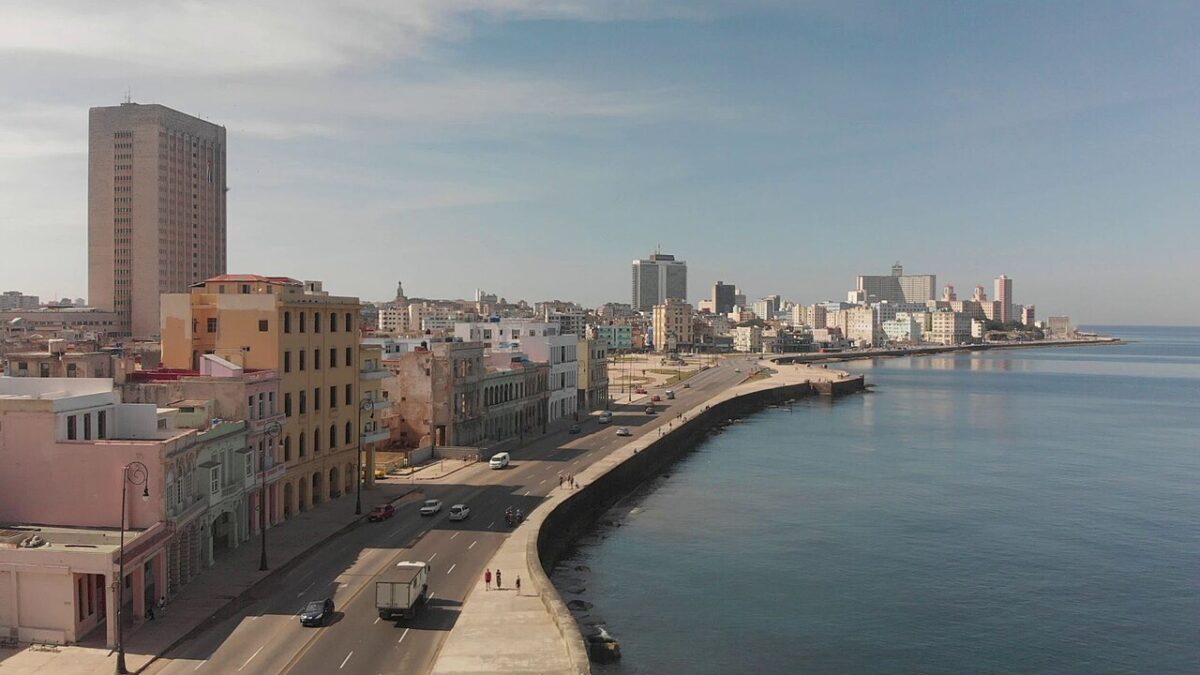
- Prioritize Free Activities: Enjoy walking tours of Old Havana, relax on the Malecón, and soak in the atmosphere. This can reduce your daily activities budget by $10-$20. (Savings: $10-$20/day)
- Carry Small Bills and Local Currency: While USD is widely accepted, having Cuban Pesos (CUP) for smaller purchases and local transport can sometimes yield better rates and avoid rounding discrepancies. (Savings: Varies, but can be up to 5-10% on smaller transactions)
Is Havana Expensive Compared to Other Cities?
Havana offers a unique travel experience that is generally more affordable than many major Caribbean destinations or comparable European cities. For instance, compared to Miami, a similar level of accommodation and dining in Havana could cost 40-60% less. While not as budget-friendly as some parts of Southeast Asia, Havana provides a rich cultural immersion at a reasonable price point for Western travelers, especially when compared to destinations like Cancun or Punta Cana, where resort prices can escalate quickly. For a more in-depth look at what to expect, consult our Havana travel guide.

Kai has visited 60+ countries across 6 continents, with a obsession for one thing most travelers ignore: the real cost of getting there. Former budget backpacker turned data-driven travel writer, Kai breaks down destination costs so you can plan smarter — not just dream bigger. Based everywhere, from nowhere in particular.