Copenhagen: Hygge, Helmets & Harbor Views
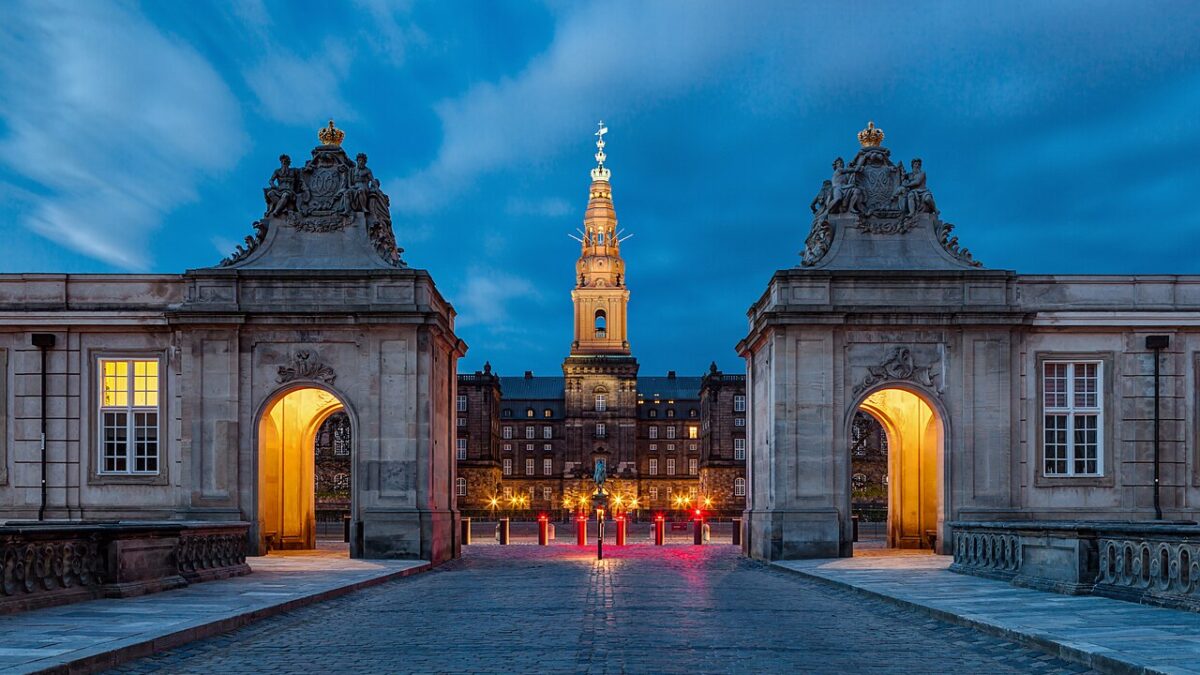
Copenhagen, Denmark’s captivating capital, offers an unparalleled blend of historic charm, modern design, and sustainable living. Renowned for its vibrant food scene, innovative architecture, and the omnipresent concept of hygge, this Nordic gem promises an unforgettable travel experience. This comprehensive Copenhagen travel guide provides all the essential information for planning your perfect trip.
Why Visit Copenhagen?
Copenhagen stands out as a premier European destination for numerous compelling reasons. It seamlessly marries a rich Viking history with cutting-edge design and a commitment to sustainability, creating a unique urban tapestry.
The city is the birthplace of New Nordic cuisine, boasting an impressive number of Michelin-starred restaurants alongside bustling food markets. Beyond its culinary prowess, Copenhagen is celebrated for its cycling culture, picturesque canals, and iconic landmarks like Nyhavn and Tivoli Gardens. The Danish concept of hygge, emphasizing coziness and contentment, is palpable throughout the city, inviting visitors to embrace a slower, more mindful pace of travel. From royal palaces to free towns, the array of things to do in Copenhagen caters to every interest.
Average Travel Cost in Copenhagen
Copenhagen is generally considered one of Europe’s more expensive cities, but with careful planning, it is possible to manage your budget effectively. Prices for accommodation, dining, and attractions can vary significantly based on your travel style.
The local currency is the Danish Krone (DKK), though credit cards are widely accepted everywhere. Understanding the potential daily expenses will help you plan your finances for your trip. Below is an estimated daily cost comparison, providing insight into Copenhagen travel cost across different budgets for 2026.
| Category | Budget (USD) | Mid-Range (USD) | Luxury (USD) |
|---|---|---|---|
| Hotel | $80 – $120 | $180 – $250 | $350 – $600+ |
| Food | $40 – $60 | $80 – $120 | $150 – $300+ |
| Transport | $10 – $15 | $20 – $25 | $30 – $50 |
| Attractions | $15 – $25 | $40 – $60 | $70 – $100+ |
| Total Daily Estimate | $145 – $220 | $320 – $455 | $600 – $1050+ |
Where to Stay in Copenhagen
Choosing the right neighborhood is crucial for enhancing your experience in Copenhagen. Each area offers a distinct vibe and convenient access to different attractions. Here are three top recommendations for where to stay in Copenhagen:
-
Indre By (City Centre): This is the historical heart of Copenhagen, perfect for first-time visitors who want to be close to major attractions like Nyhavn, Strøget, and Tivoli Gardens. Accommodation ranges from charming boutique hotels to international chains.
Price Range: Mid-Range to Luxury ($200-$500+ per night)
-
Vesterbro: Once a working-class district, Vesterbro has transformed into a trendy, vibrant neighborhood known for its cool cafes, independent shops, and lively nightlife, particularly around the Meatpacking District (Kødbyen). It offers a more local feel while still being very central.
Price Range: Budget to Mid-Range ($120-$280 per night)
-
Nørrebro: A multicultural and bohemian district, Nørrebro is popular with students and young professionals. It’s famous for its diverse food scene, vintage shops, and beautiful parks like Assistens Cemetery. It provides excellent value and an authentic Copenhagen experience.
Price Range: Budget to Mid-Range ($100-$250 per night)
Best Things to Do in Copenhagen
Copenhagen offers an abundance of attractions and experiences for every traveler. From historic landmarks to modern design hubs, here are some of the best things to do in Copenhagen:
-
Tivoli Gardens: One of the world’s oldest amusement parks, Tivoli is a magical blend of thrilling rides, beautiful gardens, live entertainment, and exquisite dining. It’s particularly enchanting in the evenings and during seasonal events.
-
Nyhavn: The iconic 17th-century waterfront district is famous for its colorful townhouses, historic wooden ships, and bustling cafes and restaurants. It’s a perfect spot for a scenic stroll or a canal tour.
-
The Little Mermaid Statue (Den Lille Havfrue): Inspired by Hans Christian Andersen’s fairy tale, this bronze statue is a Copenhagen landmark. While small, it embodies the city’s whimsical charm and is a popular photo opportunity.
-
Rosenborg Castle: A stunning Renaissance castle set in the King’s Garden, Rosenborg houses the Danish Crown Jewels and royal art treasures. Explore its opulent interiors and the beautiful surrounding park.
-
Amalienborg Palace: The official residence of the Danish Royal Family, Amalienborg consists of four identical palace facades. Witness the changing of the Royal Guard daily at noon in the palace square.
-
Freetown Christiania: A unique, self-proclaimed autonomous neighborhood, Christiania offers a distinct counter-culture experience with its vibrant street art, organic eateries, and alternative lifestyle. Be mindful of local rules when visiting.
-
Strøget Shopping Street: One of Europe’s longest pedestrian shopping streets, Strøget offers a wide array of international brands, Danish design stores, and department stores, perfect for retail therapy.
-
Round Tower (Rundetaarn): Climb the unique spiral ramp to the top of this 17th-century observatory for panoramic views of Copenhagen’s rooftops. It also hosts art exhibitions and a small library.
-
National Museum of Denmark: Delve into Denmark’s rich history, from the Stone Age to modern times, through extensive collections of artifacts, including Viking treasures and ancient runestones. Entry is often free.
-
Designmuseum Danmark: Celebrate Danish design and craftsmanship, from furniture and fashion to industrial design, in a beautiful rococo building. It’s a must-visit for design enthusiasts.
Where to Eat in Copenhagen
Copenhagen has cemented its reputation as a global culinary hotspot, offering everything from groundbreaking New Nordic cuisine to traditional Danish fare and vibrant street food. Discover some of the best restaurants in Copenhagen and diverse food experiences.
-
Torvehallerne Market (The Glass Market): This bustling covered market is a foodie paradise, featuring over 60 stalls selling fresh produce, gourmet ingredients, artisanal cheeses, and delicious prepared foods. It’s perfect for a casual lunch, coffee, or picking up local delicacies.
-
Aamanns Replik: For an authentic taste of traditional Danish open-faced sandwiches, known as smørrebrød, Aamanns is an excellent choice. They elevate this classic dish with high-quality, seasonal ingredients and creative toppings.
-
Reffen (Copenhagen Street Food): Located in the Refshaleøen area, Reffen is a massive outdoor street food market offering a diverse array of international cuisines from food trucks and stalls. It’s a lively spot with a great atmosphere, especially in warmer months.
-
Høst: Experience modern Nordic cuisine in a cozy, stylish setting at Høst. Known for its innovative dishes, beautiful presentation, and excellent value for a Michelin-recommended restaurant, it offers a fantastic tasting menu experience.
-
Papiroen (Paper Island): While Reffen has largely replaced the original Paper Island, a new iteration is emerging, and the general area continues to host pop-up eateries and food events. Keep an eye out for current offerings for a relaxed, waterside dining experience.
-
Grød: Specializing in porridge, Grød offers a unique and comforting dining experience. From traditional oatmeal with sweet toppings to savory risotto-style porridges, it’s a popular spot for breakfast, brunch, or a light meal.
3-Day Copenhagen Itinerary
This Copenhagen itinerary provides a balanced exploration of the city’s highlights, blending history, culture, and culinary delights over three days.
Day 1: Historic Core & Iconic Charm
Begin your day with a classic Danish breakfast at a local bakery. Head straight to Nyhavn to admire the colorful houses and embark on a canal tour, offering a fantastic overview of the city from the water. Afterward, take a short stroll to see The Little Mermaid Statue.
For lunch, explore the vibrant stalls at Torvehallerne Market for a diverse selection of gourmet street food. In the afternoon, immerse yourself in the magic of Tivoli Gardens. Spend the late afternoon and evening enjoying the rides, gardens, and dining options within the park. Consider a traditional Danish dinner at a restaurant near Tivoli.
Day 2: Royal Grandeur & Bohemian Spirit
Start your second day at Rosenborg Castle, exploring its magnificent interiors and the Crown Jewels. Afterward, enjoy a peaceful walk through the surrounding King’s Garden. Continue to Amalienborg Palace to witness the daily Changing of the Royal Guard at noon, then visit the Amalienborg Museum.
Enjoy lunch in the Frederiksstaden district, perhaps at a cafe with views of the Marble Church. In the afternoon, venture into the unique independent community of Freetown Christiania. Explore its artistic streets and alternative atmosphere. For dinner, experience the lively atmosphere and diverse food at Reffen Street Food Market in Refshaleøen.
Day 3: Design, Culture & Green Spaces
Dedicate your morning to Danish design at the Designmuseum Danmark, appreciating the country’s renowned contributions to art and aesthetics. Follow this with a visit to the National Museum of Denmark to delve into the nation’s rich history and Viking heritage.
Grab a casual lunch in the Indre By area, perhaps a classic smørrebrød. In the afternoon, climb the spiral ramp of the Round Tower for panoramic views of Copenhagen. Conclude your trip with some retail therapy along Strøget, Europe’s longest pedestrian shopping street, picking up souvenirs or Danish design pieces. Enjoy a final dinner at a cozy restaurant in the Vesterbro or Nørrebro district, savoring the local atmosphere.
Transportation Guide
Copenhagen boasts an efficient and user-friendly transportation system, making it easy to navigate the city. The primary modes of transport are cycling, walking, and public transport.
Cycling: Copenhagen is one of the most bike-friendly cities in the world. Renting a bicycle is highly recommended and offers an authentic local experience. Dedicated bike lanes are everywhere, and many hotels offer rentals, or you can find them at numerous rental shops.
Public Transport: The city’s public transport network includes the Metro, S-trains, and buses, all integrated under a single ticketing system. The Metro is particularly efficient for reaching key areas quickly, including direct connections from Copenhagen Airport (CPH) to the city center. Tickets can be purchased at stations, on buses, or via the DOT Tickets app.
Walking: Many of Copenhagen’s central attractions are within comfortable walking distance of each other, especially in Indre By. Walking allows you to discover hidden gems and soak in the city’s atmosphere at your own pace.
Copenhagen Card: For visitors planning to use public transport extensively and visit multiple attractions, the Copenhagen Card offers excellent value. It provides unlimited travel on buses, trains, and the Metro, plus free admission to over 80 museums and attractions.
Money-Saving Tips
While Copenhagen can be expensive, several strategies can help with Copenhagen budget travel and reduce your overall costs:
-
Invest in a Copenhagen Card: If you plan on visiting several paid attractions and using public transport frequently, the Copenhagen Card can save you a significant amount of money.
-
Embrace Cycling: Renting a bike is often cheaper than daily public transport passes, especially for shorter distances, and provides an excellent way to see the city.
-
Pack Picnics: Grocery stores like Netto, Føtex, and SuperBrugsen offer affordable options for breakfast, lunch, and snacks. Enjoying a picnic in one of Copenhagen’s beautiful parks is both cost-effective and delightful.
-
Utilize Free Attractions: Many of Copenhagen’s best experiences are free, including strolling through Nyhavn, visiting The Little Mermaid, exploring Freetown Christiania, and enjoying the King’s Garden or Assistens Cemetery.
-
Drink Tap Water: Danish tap water is among the cleanest and safest in the world. Carry a reusable water bottle to refill it throughout the day, avoiding costly bottled water.
-
Look for Lunch Deals: Many restaurants offer special lunch menus that are significantly cheaper than their dinner counterparts. Street food markets like Reffen also provide excellent value for a satisfying meal.
Frequently Asked Questions
What is the best time to visit Copenhagen?
The best time to visit Copenhagen is during the summer months, from June to August, when the weather is mild and sunny, and the city comes alive with outdoor events and festivals. Spring (April-May) and early autumn (September-October) also offer pleasant weather and fewer crowds, making them excellent shoulder season choices.
What currency is used in Copenhagen, and can I use credit cards?
The currency used in Copenhagen is the Danish Krone (DKK). While you may encounter places that accept Euros, it’s not standard practice, and exchange rates might be unfavorable. Credit and debit cards are widely accepted throughout Copenhagen, even for small purchases, making it easy to travel without much cash.
Is Copenhagen safe for tourists?
Copenhagen is consistently ranked as one of the safest cities in the world. Violent crime is rare, and tourists can generally feel very secure exploring the city, even at night. As with any major city, it’s always wise to be aware of your surroundings and guard against petty theft, especially in crowded tourist areas.
Do people in Copenhagen speak English?
Yes, the vast majority of Danes, especially in Copenhagen, speak excellent English. You will have no trouble communicating in hotels, restaurants, shops, and tourist attractions. While learning a few basic Danish phrases is always appreciated, it’s not essential for navigating the city.
Is tipping customary in Copenhagen?
Tipping is not generally expected or required in Copenhagen, as service charges are typically included in the price. However, if you receive exceptional service, rounding up the bill or leaving a small amount (5-10% for excellent service) is appreciated but entirely at your discretion. It will not be considered rude if you do not tip.

Kai has visited 60+ countries across 6 continents, with a obsession for one thing most travelers ignore: the real cost of getting there. Former budget backpacker turned data-driven travel writer, Kai breaks down destination costs so you can plan smarter — not just dream bigger. Based everywhere, from nowhere in particular.