First Time in Cape Town? Your Must-See & Do Guide
Why Visit Cape Town?
This Cape Town travel guide explores a city defined by dramatic landscapes and vibrant culture. Expect diverse culinary experiences, from world-class vineyards to bustling markets, alongside a range of accommodation options catering to various budgets. Plan your itinerary with a keen eye on costs, as this guide details average expenses and practical tips for a memorable visit.
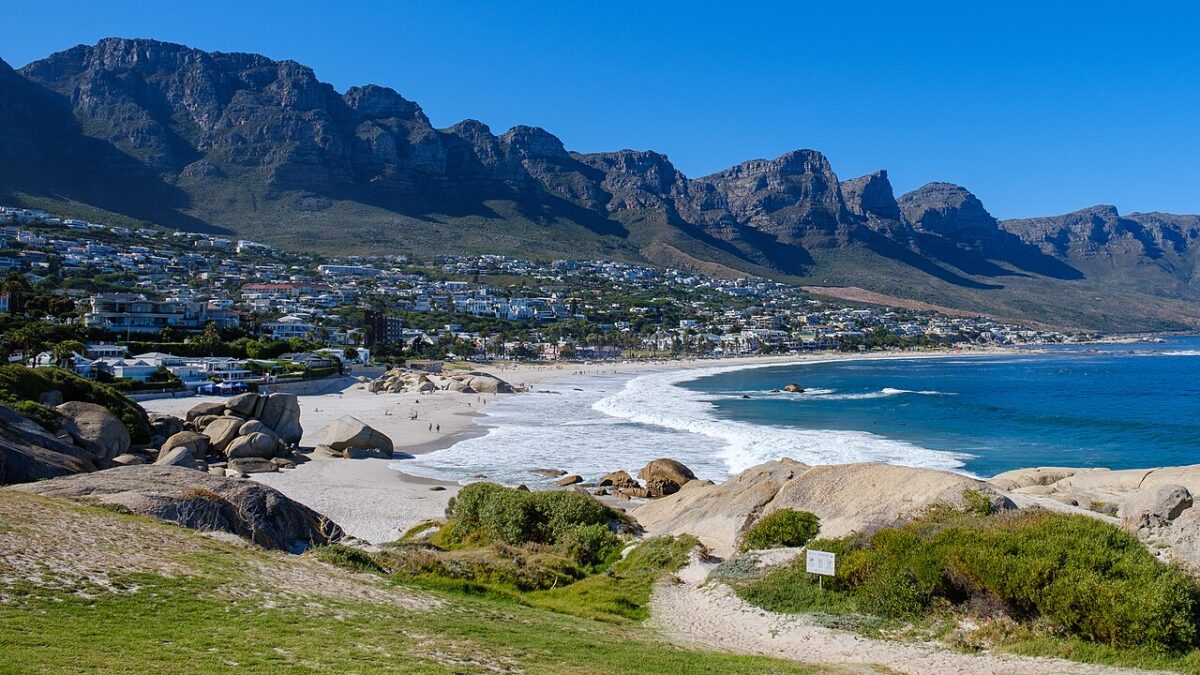
Cape Town’s allure lies in its unparalleled geographical setting, where the iconic Table Mountain presides over a dynamic urban environment. Visitors are drawn to its rich history, from the echoes of apartheid to its burgeoning contemporary arts scene. The city offers a compelling blend of outdoor adventure, sophisticated city life, and a gateway to the renowned Western Cape wine regions, making it a multifaceted destination.
Who This Guide Is For
This guide is designed for first-time visitors planning a 5-7 day trip to Cape Town who are interested in a balanced experience of culture, nature, and cuisine. It is also beneficial for travelers seeking practical cost information and itinerary suggestions to maximize their visit.
Average Travel Cost in Cape Town
The following table outlines the estimated daily expenses for different travel styles in Cape Town, based on current exchange rates.
| Category | Budget | Mid-Range | Luxury |
|---|---|---|---|
| Accommodation | $30 | $100 | $300 |
| Food | $20 | $50 | $150 |
| Transport | $10 | $30 | $70 |
| Attractions | $15 | $50 | $150 |
| Misc | $10 | $20 | $50 |
| Daily Total | $85 | $250 | $720 |
Estimated Total Costs:
* 3-Day Trip:
* Budget: $255
* Mid-Range: $750
* Luxury: $2160
* 7-Day Trip:
* Budget: $595
* Mid-Range: $1750
* Luxury: $5040
Accommodation costs show the most significant variation. Opting for an Airbnb-style apartment can offer substantial savings compared to hotels, particularly for longer stays or groups, potentially reducing accommodation expenses by 20-40% for a comparable level of comfort and amenities. This allows for greater flexibility in meal preparation, further contributing to budget management.
Seasonal price fluctuations are notable. The peak season, from November to March, commands the highest rates due to favorable weather conditions. Shoulder seasons (April-May and September-October) offer a balance of good weather and reduced prices. The off-season (June-August) presents the lowest costs but also cooler, wetter weather, which may impact outdoor activities.
Where to Stay in Cape Town
- Camps Bay: Known for its pristine beach, upscale restaurants, and lively promenade. Price range per night: Budget $50-$80 (guesthouses), Mid-Range $150-$300 (boutique hotels, apartments). Best for: Beach lovers, luxury travelers, couples. Insider tip: Book accommodation with sea views well in advance, especially during peak season.
- Gardens: A leafy, residential area with a bohemian vibe, close to the city center and vibrant Kloof Street. Price range per night: Budget $40-$70 (guesthouses, hostels), Mid-Range $100-$200 (boutique hotels, apartments). Best for: Young professionals, independent travelers, foodies. Insider tip: Explore the local independent boutiques and cafes away from the main tourist thoroughfares.
- De Waterkant: A fashionable, historic village with cobbled streets, designer boutiques, and a vibrant nightlife. Price range per night: Mid-Range $120-$250 (apartments, boutique hotels). Best for: Style-conscious travelers, couples, those seeking a vibrant atmosphere. Insider tip: Visit during the Cape Town Pride Festival for an energetic and colorful experience.
Best Things to Do in Cape Town
Table Mountain National Park
This UNESCO World Heritage Site offers iconic natural beauty and panoramic city views. Its diverse ecosystems range from fynbos vegetation to marine environments.
Average ticket price: Free to enter the park; Cableway return trip approximately $30 USD.
Best time to visit: Weekdays, early mornings to avoid crowds. Weather dependent; check cableway status.
Insider tip: Hike up Platteklip Gorge for a rewarding and free ascent, or take the cable car down after hiking up for a varied experience.
Robben Island
A former prison that housed political prisoners during apartheid, most notably Nelson Mandela. A visit offers profound historical insight into South Africa’s past.
Average ticket price: Approximately $40 USD.
Best time to visit: Book tickets online months in advance, as tours sell out rapidly. Tours depart daily, weather permitting.
Insider tip: Opt for the ferry departure from the Nelson Mandela Gateway at the V&A Waterfront for a convenient starting point.
Bo-Kaap
This colorful historic neighborhood is known for its brightly painted houses and Cape Malay culture. It offers a glimpse into the city’s unique heritage.
Average ticket price: Free to wander; museum entry approximately $5 USD.
Best time to visit: Weekday mornings for photography opportunities without large crowds.
Insider tip: Sample authentic Cape Malay cuisine from local eateries and consider a guided walking tour to learn about the area’s history.
Kirstenbosch National Botanical Garden
Recognized as one of the world’s leading botanical gardens, it showcases the country’s indigenous flora, particularly the fynbos biome.
Average ticket price: Approximately $10 USD.
Best time to visit: Spring (August-October) for wildflowers; summer evenings for concerts (December-March).
Insider tip: Pack a picnic and enjoy the tranquil atmosphere; the Boomslang (treetop walkway) offers unique perspectives.
V&A Waterfront
A bustling hub of shopping, dining, and entertainment set against the backdrop of the harbor and Table Mountain. It’s a prime spot for leisure and cultural activities.
Average ticket price: Free to explore; activities and shopping vary.
Best time to visit: Evenings for a lively atmosphere; daytime for shopping and harbor views.
Insider tip: Explore the Watershed for local crafts and design, and consider a sunset harbor cruise.
Boulders Beach Penguin Colony
Home to a protected colony of African penguins, offering a unique opportunity to observe these charming creatures in their natural habitat.
Average ticket price: Approximately $10 USD.
Best time to visit: Early morning or late afternoon to see penguins most active and avoid midday heat.
Insider tip: Maintain a respectful distance and avoid feeding the penguins. The boardwalk provides excellent viewing points.
Where to Eat in Cape Town
- Cuisine: Traditional Cape Malay
- Price Range per Meal: $10-$25
- What to Order: Bobotie (spiced minced meat with egg topping), Samoosas (fried pastries with savory fillings), Denningvleis (slow-cooked lamb curry).
- Location Tip: Seek out authentic eateries in the Bo-Kaap neighborhood for a true culinary experience.
- Cuisine: South African Braai (Barbecue)
- Price Range per Meal: $20-$40
- What to Order: Various grilled meats like lamb chops, boerewors (sausage), and steak, often served with traditional sides.
- Location Tip: Look for restaurants with outdoor seating in areas like Woodstock or the Winelands for a relaxed braai atmosphere.
- Cuisine: Seafood
- Price Range per Meal: $25-$50
- What to Order: Freshly caught fish, calamari, mussels, and oysters, often prepared with local spices.
- Location Tip: Restaurants along the coast in Camps Bay or Kalk Bay offer excellent seafood with ocean views.
- Cuisine: Contemporary South African
- Price Range per Meal: $35-$70
- What to Order: Innovative dishes utilizing local ingredients, often with a fusion of global influences.
- Location Tip: Explore the fine dining establishments in the city center or the V&A Waterfront for sophisticated gastronomic experiences.
3-Day Cape Town Itinerary
Day 1
Morning: Ascend Table Mountain via the Aerial Cableway for breathtaking panoramic views. Allow 2-3 hours for exploration at the summit.
Afternoon: Explore the colorful streets of Bo-Kaap, visit the Bo-Kaap Museum, and enjoy a traditional Cape Malay lunch at a local eatery.
Evening: Experience the vibrant atmosphere of the V&A Waterfront. Enjoy dinner at one of its many restaurants, followed by a leisurely stroll.
Estimated Daily Cost: $120 (Mid-Range focus)
Day 2
Morning: Take a ferry to Robben Island for a poignant historical tour. This experience typically lasts 3-4 hours.
Afternoon: Visit Kirstenbosch National Botanical Garden. Spend a few hours exploring its diverse flora and serene landscapes.
Evening: Enjoy a braai-style dinner at a restaurant in the city center or a dedicated braai venue.
Estimated Daily Cost: $110 (Mid-Range focus)
Day 3
Morning: Drive along Chapman’s Peak Drive (weather permitting) and visit the Boulders Beach Penguin Colony.
Afternoon: Explore the charming seaside village of Kalk Bay, known for its antique shops and harbor. Enjoy fresh seafood for lunch.
Evening: Conclude your trip with a sunset viewing from Signal Hill, followed by a farewell dinner in the trendy Kloof Street area.
Estimated Daily Cost: $130 (Mid-Range focus)
Transportation Guide
Getting from Cape Town International Airport (CPT) to the city center is straightforward. Options include:
- Airport Shuttle/Private Transfer: Approximately $30-$60 USD, offering convenience and direct hotel drop-off.
- MyCiTi Bus: The most economical public transport option, costing around $5-$10 USD to reach the city center. Routes are clearly marked.
- Taxis/Rideshare (Uber, Bolt): Readily available at the airport. Expect costs of $20-$40 USD depending on destination and traffic.
Within the city, MyCiTi buses serve many key areas. However, for flexibility and exploring further afield, rideshare services are widely used and generally reliable. Renting a car is an option for extensive exploration of the surrounding Winelands or coastal routes, but navigating city traffic and parking can be challenging. Consider a car for day trips outside the immediate city center.
Money-Saving Tips
Pro Tip 1: Utilize free walking tours on your first day to get acquainted with the city’s layout and history. Many tours operate on a tip-only basis, allowing you to contribute based on your satisfaction and budget, typically $5-$10 per person.
Pro Tip 2: Purchase attraction passes if you plan to visit multiple paid sites. The City Pass offers access to over 70 attractions and can save you up to 40% on individual ticket prices if fully utilized.
Pro Tip 3: Eat at local markets and casual eateries rather than tourist-focused restaurants. Markets like the Oranjezicht City Farm Market offer delicious, affordable food options, often costing under $15 for a substantial meal.
Common Travel Mistakes
Mistake 1: Underestimating the need for advance bookings, especially for popular attractions like Robben Island and Table Mountain cableway. Tours and tickets can sell out weeks or months ahead, particularly during peak season, leading to disappointment.
Mistake 2: Not being aware of the local tipping culture. While not as high as in some other countries, a 10-15% tip is customary at restaurants and for services like tour guides and hotel staff. Forgetting to budget for this can lead to confusion and perceived rudeness.
Frequently Asked Questions
How much money do you need for 3 days in Cape Town?
For a 3-day trip, a budget traveler can expect to spend approximately $255 USD. This includes accommodation, food, transport, and some activities. A mid-range traveler would budget around $750 USD for the same period, allowing for more comfortable dining and additional excursions. Luxury travelers should anticipate spending upwards of $2160 USD.
Is Cape Town expensive for tourists?
Compared to major European or North American cities, Cape Town can be quite affordable, especially for those using the current exchange rate (1 USD = 18.50 ZAR). However, it is more expensive than some other African destinations like Johannesburg or Luxor. While luxury experiences can be costly, budget and mid-range options make it accessible to a wider range of travelers. Compare with Luxor for a broader perspective on African travel costs.
What is the best area to stay in Cape Town?
The best area depends on your travel style. Camps Bay is ideal for beach lovers and luxury seekers, Gardens offers a bohemian vibe and proximity to amenities, and De Waterkant is perfect for those desiring a stylish, urban experience. For a comprehensive overview of South African destinations, consult our complete South Africa travel guide.
Can you visit Cape Town without a car?
Yes, it is possible to visit Cape Town without a car. The MyCiTi bus system provides coverage for many areas, and rideshare services like Uber and Bolt are widely available and efficient for getting around the city. For day trips to the Winelands or more remote attractions, consider organized tours or car hire for those specific days.
What is the cheapest month to visit Cape Town?
The cheapest months to visit Cape Town are typically during the winter season, from June to August. This is the off-peak season, characterized by cooler temperatures and higher chances of rain, leading to lower accommodation and flight prices. You can use a travel cost calculator to estimate expenses based on different travel times.

Kai has visited 60+ countries across 6 continents, with a obsession for one thing most travelers ignore: the real cost of getting there. Former budget backpacker turned data-driven travel writer, Kai breaks down destination costs so you can plan smarter — not just dream bigger. Based everywhere, from nowhere in particular.